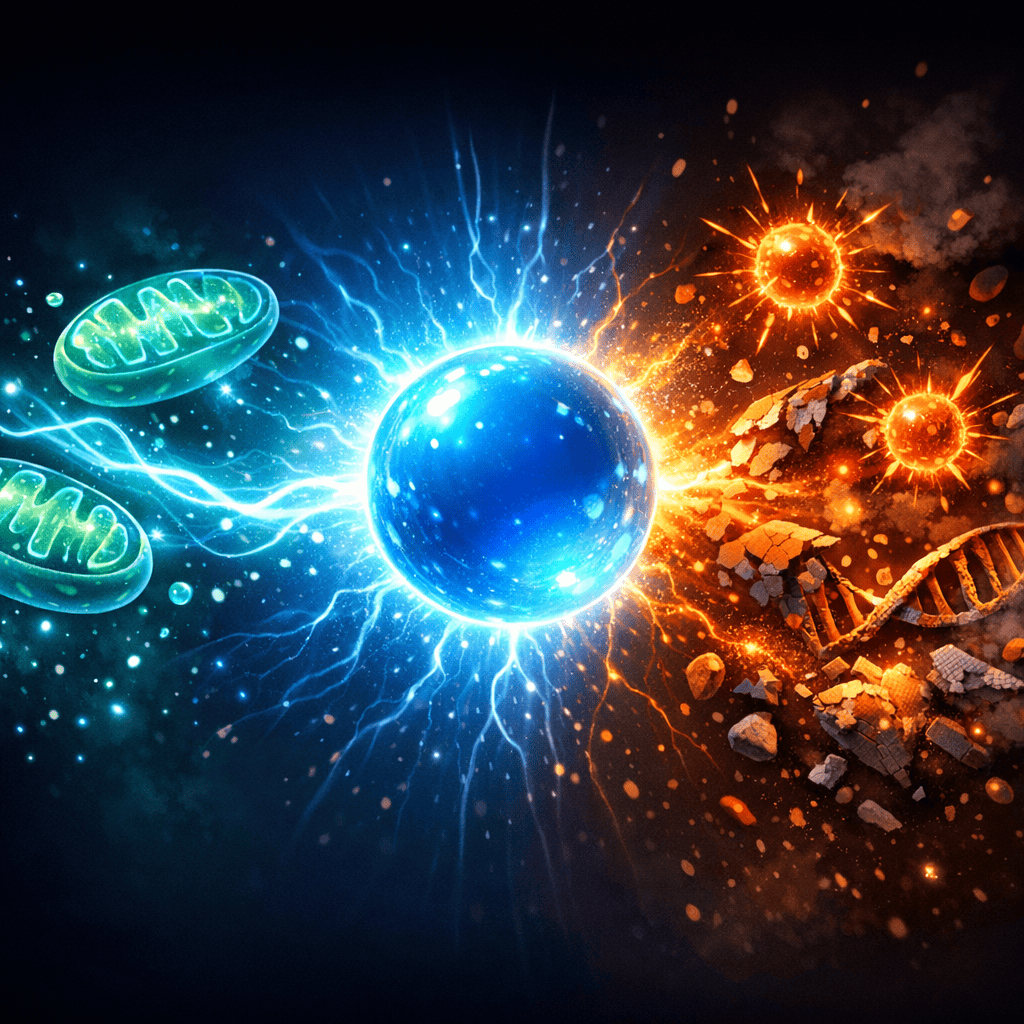
Oxygen is the molecule that makes complex life possible. It is also, paradoxically, one of the primary agents of cellular ageing. This contradiction sits at the heart of redox biology and understanding it illuminates why maintaining redox balance is so central to long term health.
Why We Need Oxygen
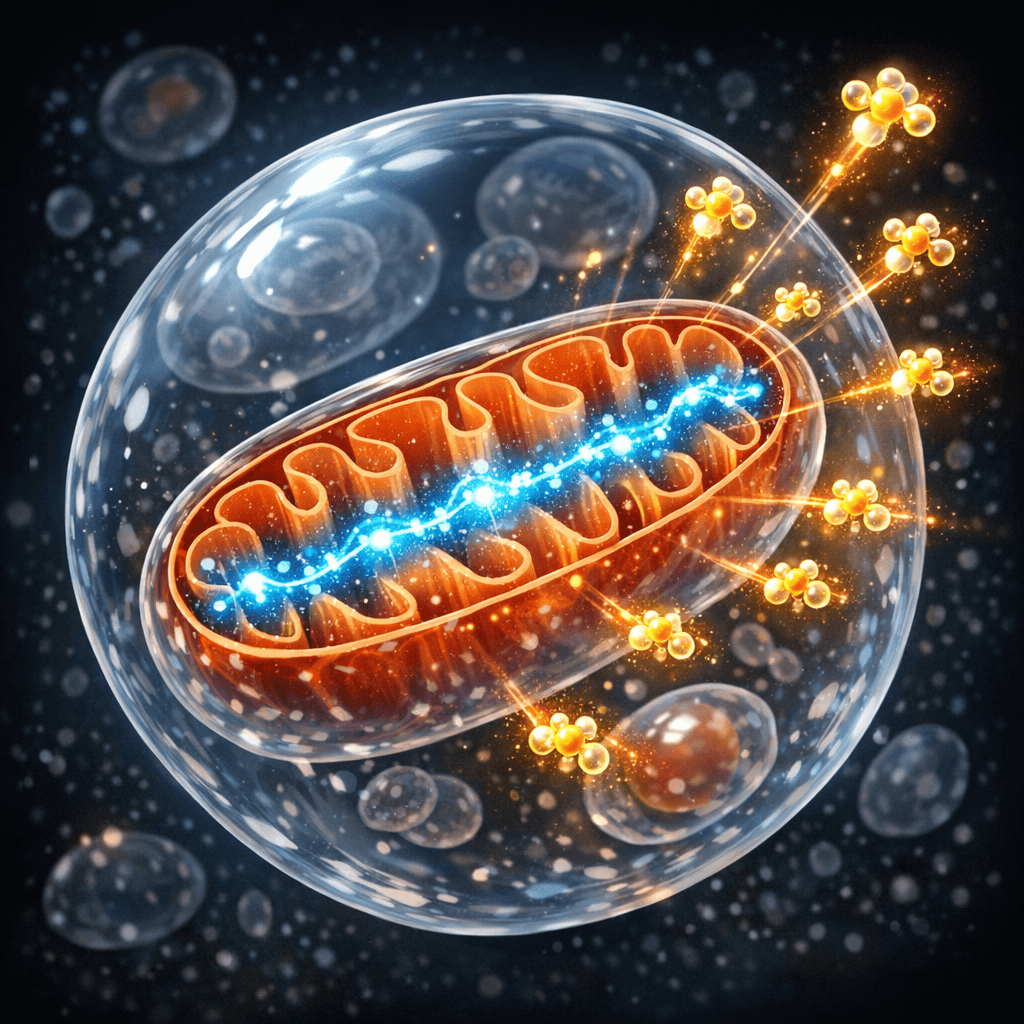
Your mitochondria use oxygen as the final electron acceptor in the electron transport chain. Without oxygen at the end of this chain, the entire process of oxidative phosphorylation stops and ATP production drops by approximately 95 percent. This is why oxygen deprivation kills cells within minutes.
The 40 to 70 kilograms of ATP your body produces daily depends entirely on this process. Oxygen is not optional. It is the molecule that makes aerobic metabolism, and therefore complex multicellular life, possible.
The Price of Using Oxygen
The same chemical properties that make oxygen such an effective electron acceptor also make it dangerous. Oxygen is inherently reactive. When electrons “leak” from the electron transport chain before reaching their intended destination, they can react with nearby oxygen molecules to form superoxide, the primary reactive oxygen species produced by mitochondria.
Estimates vary, but research suggests that between 0.2 and 2 percent of the oxygen consumed by mitochondria is converted to superoxide rather than water. While this percentage sounds small, given the enormous volume of oxygen your cells process daily, the absolute quantity of superoxide produced is substantial.
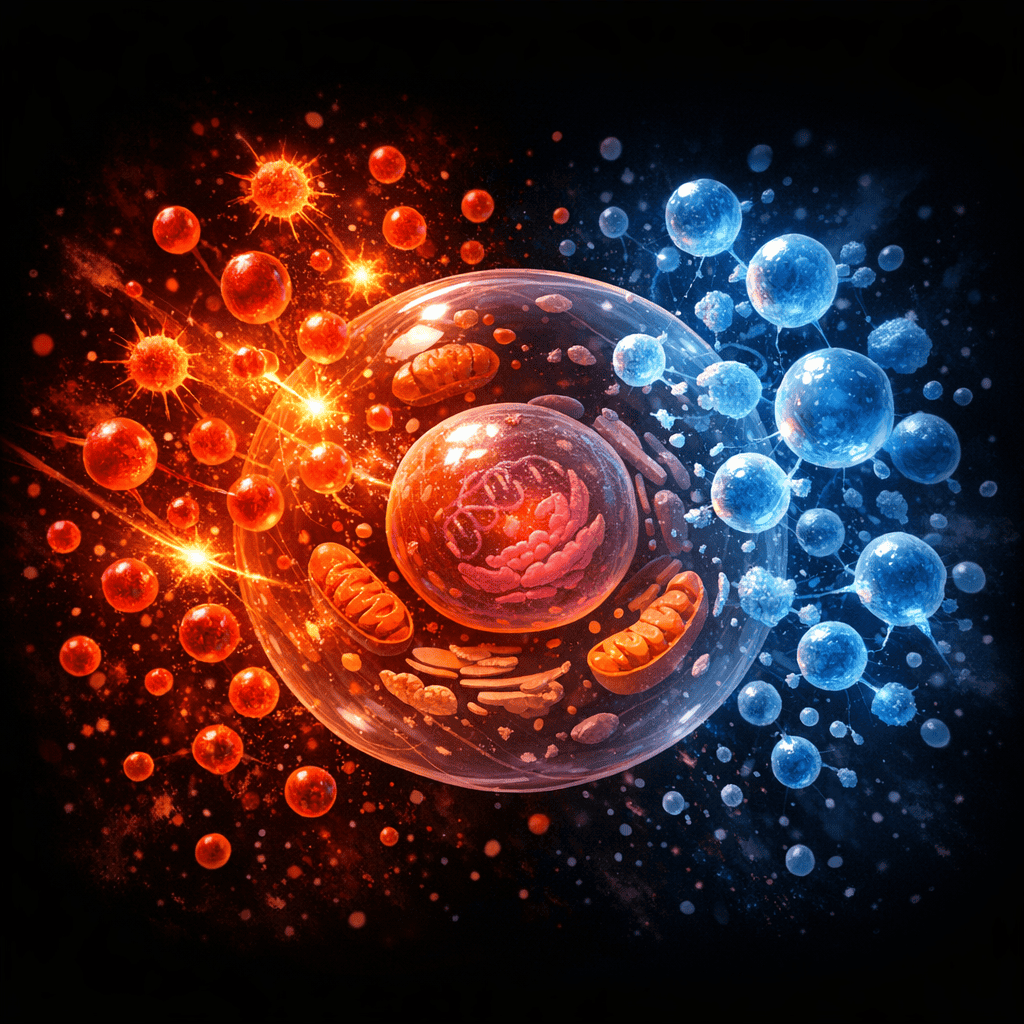
This is the oxygen paradox: the molecule that sustains your life simultaneously generates the reactive species that contribute to your cells’ gradual deterioration. You cannot have the energy without the byproduct.
Evolution’s Response
Life has been dealing with oxygen’s reactivity for approximately 2.4 billion years, since the Great Oxidation Event when photosynthetic cyanobacteria first flooded the atmosphere with O2. Organisms that survived developed sophisticated defence systems, and those systems are still operating in your cells today.
The NRF2 pathway is one of the primary evolutionary responses to oxygen toxicity. It coordinates the production of enzymes that convert superoxide to hydrogen peroxide (superoxide dismutase), then hydrogen peroxide to water (catalase and glutathione peroxidase). Glutathione, the most abundant internal antioxidant, exists in such high concentrations precisely because it is the primary defence against the continuous oxidative pressure that aerobic metabolism creates.
These systems evolved to manage oxygen’s toxicity, not eliminate it. Your cells do not try to avoid reactive oxygen species. They regulate them, using them as signalling molecules while preventing them from causing uncontrolled damage.
Why the Balance Shifts With Age
In youth, the balance between oxygen derived reactive species and antioxidant defences is well maintained. Mitochondria are efficient, producing maximum ATP with minimal electron leakage. NRF2 is responsive. Glutathione synthesis runs at full capacity. The repair systems that fix oxidative DNA damage operate quickly and accurately.
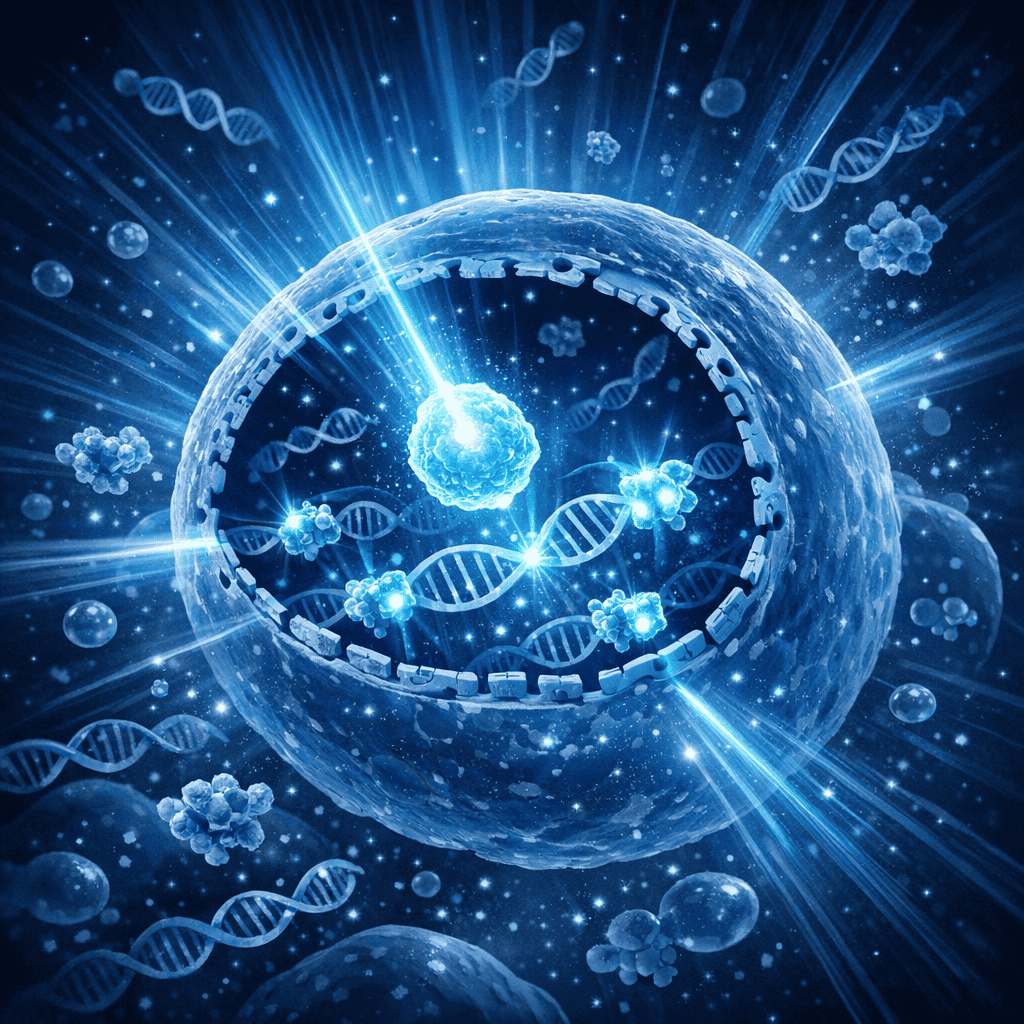
As you age, each of these systems gradually declines. Mitochondria accumulate DNA mutations that reduce electron transport chain efficiency, increasing the percentage of oxygen that is converted to superoxide rather than water. NRF2 pathway responsiveness decreases. Glutathione production slows. Repair processes become less reliable.
The result is a widening gap between the oxidative stress generated by oxygen metabolism and the capacity to manage it. This is the molecular mechanism behind what we experience as ageing.
The Naked Mole Rat Lesson
As discussed in our article on the free radical theory of ageing, the naked mole rat challenges simple assumptions about oxygen and ageing. These animals live over 30 years despite having high levels of oxidative damage markers. What they possess are exceptionally robust repair and maintenance systems.
The lesson is that the oxygen paradox is not primarily about how much oxidative damage occurs. It is about how well the damage is managed. Species and individuals that maintain strong NRF2 pathways, efficient glutathione systems and reliable DNA repair cope better with the inevitable oxidative consequences of breathing.
Living With the Paradox
You cannot escape the oxygen paradox. Every breath you take fuels both your life and your cells’ gradual oxidative burden. But you can influence how well your cells manage the trade-off. Regular exercise strengthens mitochondrial efficiency and antioxidant capacity. Nutrient dense foods support NRF2 activation and glutathione production. Quality sleep allows repair processes to complete their cycle. Stress management prevents cortisol from adding unnecessary oxidative burden.
The goal is not to eliminate the cost of oxygen. It is to maintain the systems that have been managing it for billions of years.

Matt Elliott is the editor of Redox News Today, an independent publication covering peer-reviewed research on cellular health, redox signalling, and related biomedical science.