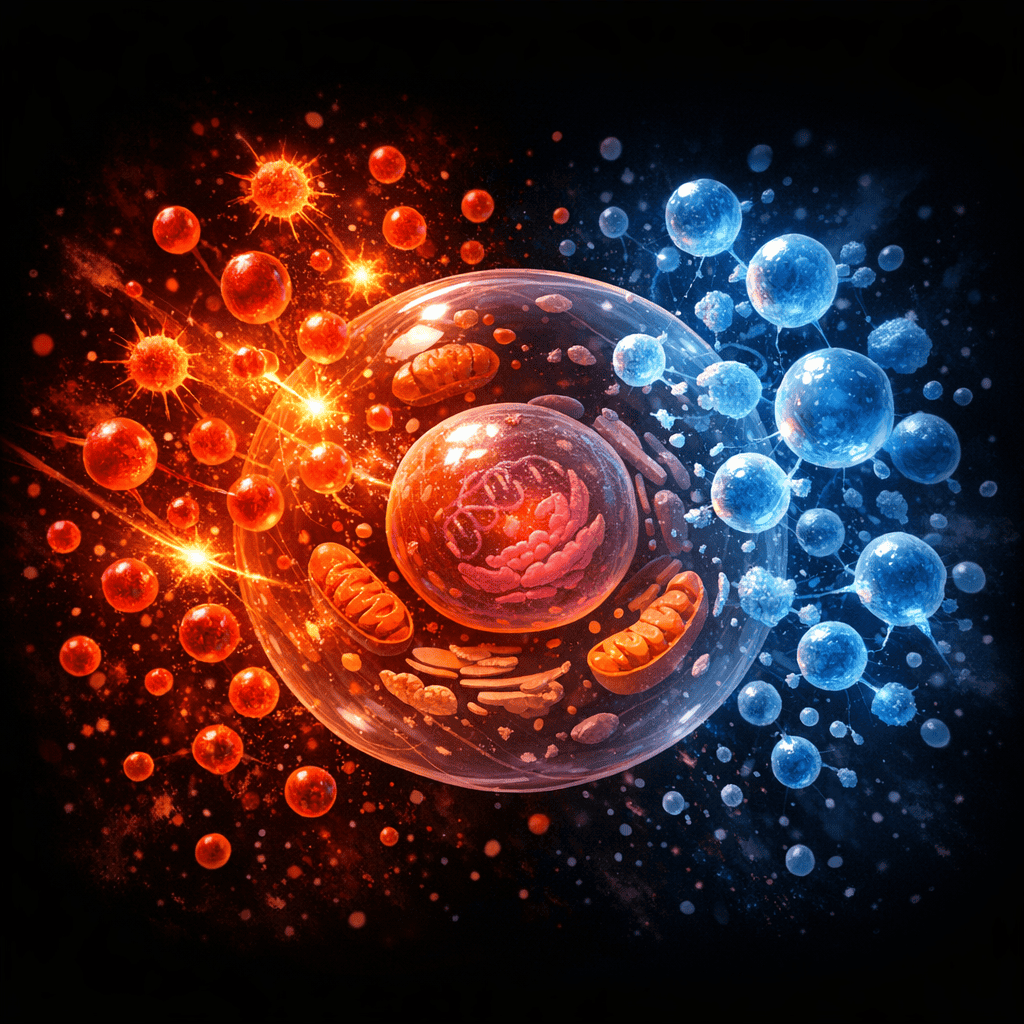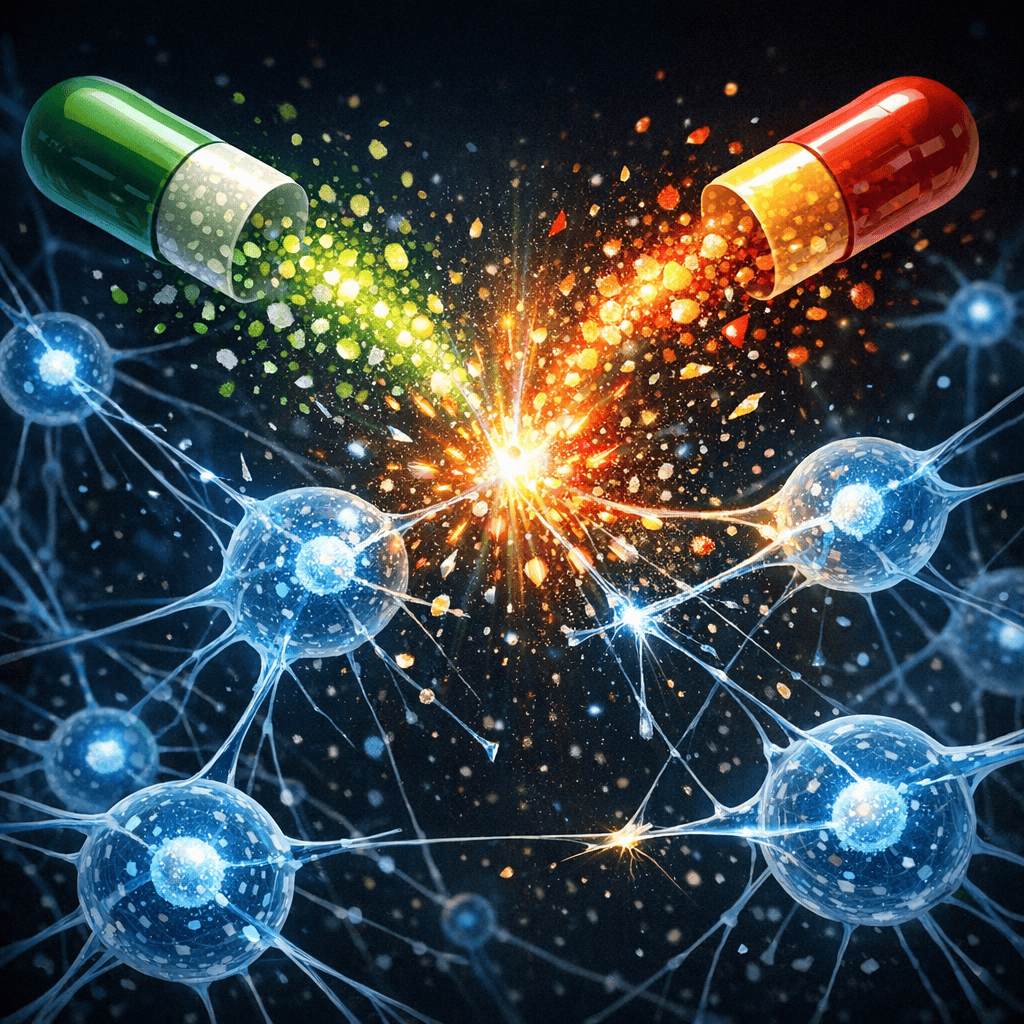
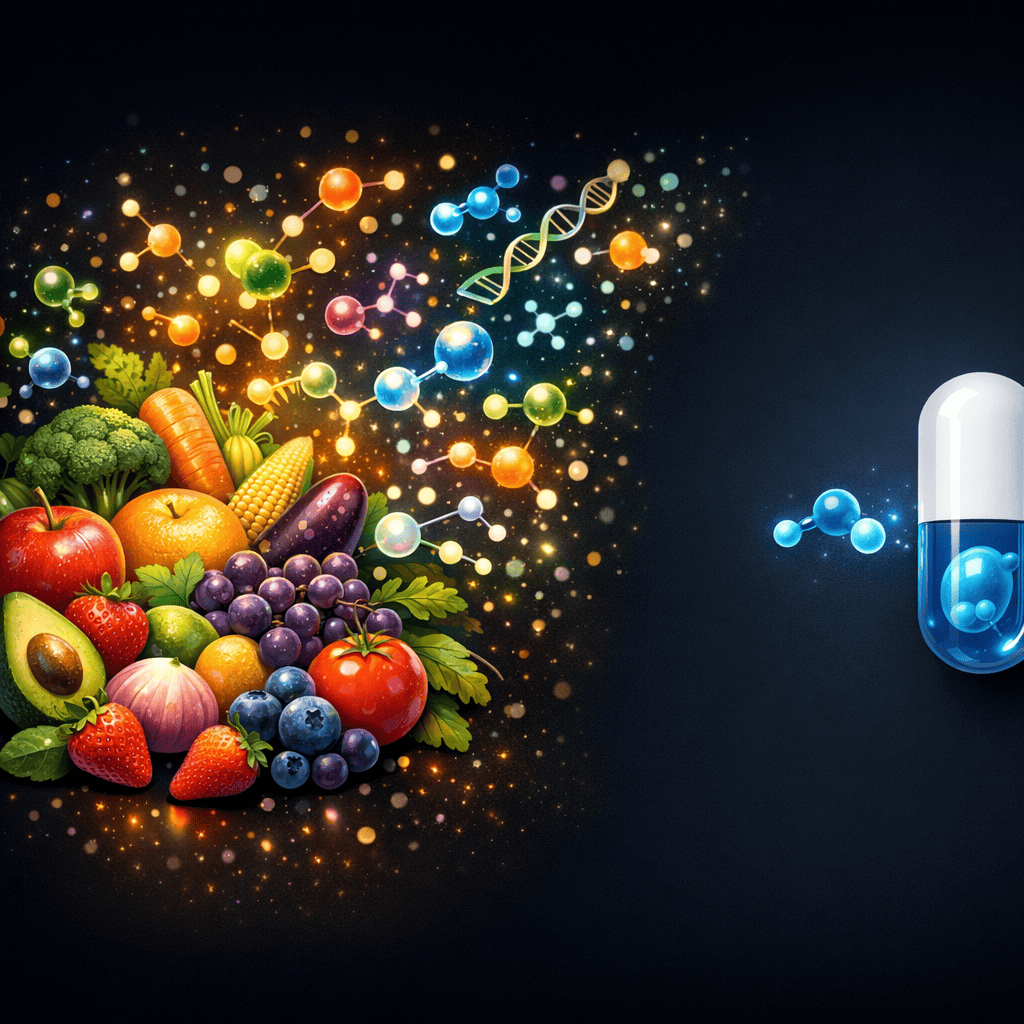
The question of why whole foods consistently outperform isolated supplements in clinical research is one of the most important in nutritional science. The answer lies in a concept called food synergy, the idea that the bioactive compounds in whole foods work together in ways that isolated extracts cannot replicate.
The Supplement Paradox
As explored in our article on why antioxidant supplements might not be enough, large clinical trials of isolated antioxidant supplements have repeatedly failed to demonstrate the benefits their marketing promises. The SELECT trial, ATBC trial and major meta-analyses found no benefit and, in some cases, measurable harm from high dose supplementation.
Yet the epidemiological evidence for diets rich in fruits, vegetables and whole grains is overwhelmingly positive. Populations that eat more whole plant foods have consistently better health outcomes across virtually every metric studied. The paradox is clear: the foods work, but the isolated compounds extracted from them do not.
Food Synergy: The Matrix Effect
A single broccoli floret contains hundreds of bioactive compounds. Sulforaphane is the most studied, but it exists alongside indole-3-carbinol, quercetin, kaempferol, vitamin C, vitamin K, folate, fibre, minerals and dozens of other phytochemicals. Each of these compounds interacts with different cellular pathways, and many of them influence each other’s absorption, metabolism and activity.
When you isolate sulforaphane into a capsule, you get one compound acting on one pathway. When you eat the broccoli, you get a coordinated assault on multiple pathways simultaneously. The NRF2 pathway is activated by sulforaphane. Inflammation is modulated by quercetin. Detoxification is supported by indole-3-carbinol. Fibre feeds the gut bacteria that further metabolise these compounds into additional bioactive metabolites.
This is food synergy. The whole is genuinely greater than the sum of its parts.
Bioavailability and the Gut Microbiome
Whole foods also deliver their bioactive compounds in a matrix that enhances absorption. The fat in olive oil improves the absorption of fat soluble compounds like curcumin. The fibre in fruits slows the release of sugars and allows polyphenols to reach the lower gut where they are metabolised by bacteria into compounds that may be more active than the originals.
Your gut microbiome plays a critical role in this process. Many plant compounds are converted into their most bioactive forms by gut bacteria, not by your own enzymes. The diversity of compounds in whole foods feeds a diversity of bacterial species, which in turn produces a diversity of metabolites. Isolated supplements bypass this ecosystem entirely.
The Hormetic Mechanism
As discussed in our article on the hormesis effect, many beneficial plant compounds work not by directly neutralising reactive oxygen species but by acting as mild stressors that activate your body’s own defence systems. Sulforaphane, curcumin, EGCG and allicin are all mild cellular stressors that trigger NRF2 activation and increase internal glutathione production.
This hormetic mechanism depends on dose and context. Whole foods deliver these compounds at physiological doses, in combination with other compounds that modulate their effects. High dose supplements can overwhelm the hormetic response, pushing past the beneficial zone into the harmful territory of excessive stress.
What the Mediterranean Diet Teaches Us
The Mediterranean dietary pattern is perhaps the best studied example of food synergy in action. Rich in olive oil, vegetables, fruits, nuts, fish and whole grains, it has been associated with positive health outcomes in hundreds of studies. Yet attempts to isolate individual components, such as omega-3 supplements or resveratrol capsules, have produced far less impressive results.
The Mediterranean diet works because its components interact. The polyphenols in olive oil enhance the absorption of carotenoids from vegetables. The fibre from whole grains supports the gut bacteria that metabolise plant polyphenols. The variety of NRF2 activating compounds across multiple food groups provides continuous, varied stimulation of protective pathways throughout the day.
The Practical Conclusion
The science consistently points to the same conclusion. A varied, whole food diet provides a complexity of bioactive compounds, delivered in appropriate doses, in a matrix that enhances absorption, in combination with fibre that supports the gut microbiome, activating multiple protective pathways simultaneously through hormetic mechanisms that no supplement can replicate.
This does not mean supplements are never useful. Correcting genuine nutritional deficiencies remains important. But for the vast majority of people, the most effective strategy for supporting cellular health is not adding pills to a poor diet. It is building a diet rich in the whole foods that evolution has already optimised for human biology.

Matt Elliott is the editor of Redox News Today, an independent publication covering peer-reviewed research on cellular health, redox signalling, and related biomedical science.