
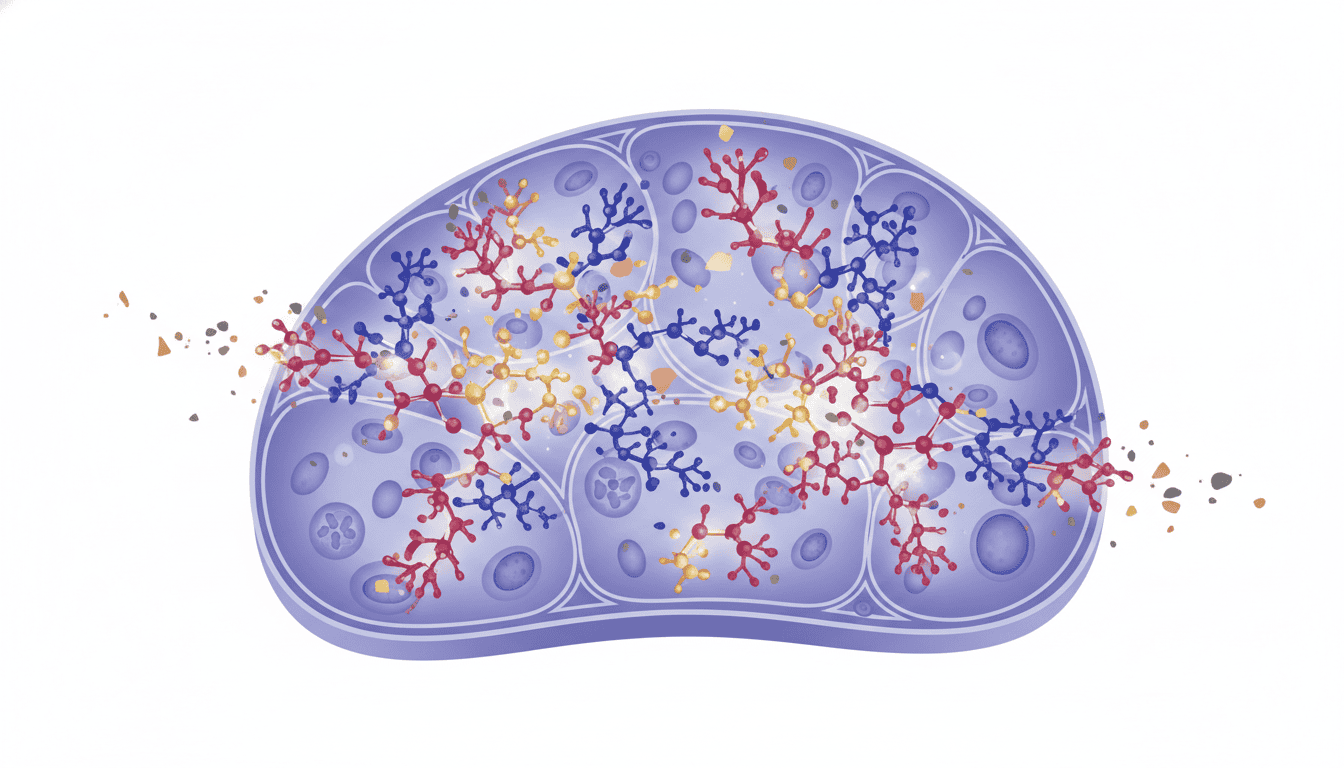
The Science Behind Berry Antioxidants
Berries represent one of nature’s most concentrated sources of antioxidant compounds, containing diverse arrays of flavonoids, anthocyanins, and phenolic acids that work together to protect cellular structures from oxidative damage. These compounds give berries their vibrant colours while simultaneously providing powerful defence mechanisms against reactive oxygen species (ROS) that can harm our cells.
The primary antioxidants in berries include anthocyanins, which create the deep reds, purples, and blues we see in strawberries, blueberries, and blackberries. These molecules possess unique chemical structures that allow them to neutralise free radicals effectively. Research has shown that different berry varieties contain distinct antioxidant profiles, with blueberries being particularly rich in proanthocyanidins, while cranberries excel in their content of unique A-type proanthocyanidins.
What makes berries especially remarkable is their synergistic antioxidant activity. Rather than working in isolation, the various compounds within berries interact to enhance each other’s protective effects. This phenomenon, known as antioxidant synergy, means that the total protective capacity of whole berries often exceeds what would be expected from the sum of their individual components.
Cellular Protection Mechanisms
When berry antioxidants enter our bloodstream after consumption, they begin protecting cells through multiple complementary pathways. The most direct mechanism involves the neutralisation of free radicals before they can damage cellular components such as DNA, proteins, and lipid membranes. This process occurs when antioxidant molecules donate electrons to unstable free radicals, effectively stabilising them and preventing chain reactions that could lead to widespread cellular damage.
Beyond direct free radical scavenging, berry compounds also support the body’s endogenous antioxidant systems. They can upregulate the production of naturally occurring antioxidant enzymes like superoxide dismutase, catalase, and glutathione peroxidase. This enhancement of our built-in defence systems provides longer-lasting protection compared to the temporary effects of consuming individual antioxidant supplements.
Berry antioxidants also demonstrate remarkable ability to cross the blood-brain barrier, offering protection to neural tissues that are particularly vulnerable to oxidative stress. The brain consumes significant amounts of oxygen and contains high levels of polyunsaturated fatty acids, making it especially susceptible to oxidative damage. Studies have shown that regular berry consumption correlates with better maintenance of cognitive function during ageing.
The Role of Anthocyanins in Cellular Defence
Anthocyanins deserve special attention as they represent the most studied and well-understood protective compounds in berries. These water-soluble pigments belong to the flavonoid family and demonstrate exceptional antioxidant activity due to their unique molecular structure. The hydroxyl groups present in anthocyanin molecules make them highly effective at donating hydrogen atoms to neutralise free radicals.
Research has revealed that anthocyanins don’t just act as antioxidants; they also function as signalling molecules that can influence cellular processes related to inflammation and stress response. They can modulate the activity of transcription factors such as nuclear factor kappa B (NF-κB), which plays a crucial role in regulating inflammatory responses at the cellular level.
The bioavailability of anthocyanins varies significantly between different berry types and even among varieties within the same species. Factors such as pH levels in the digestive system, the presence of other compounds, and individual metabolic differences all influence how effectively these protective molecules reach target tissues. This variability explains why consuming a diverse range of berry types may provide broader protective benefits than focusing on a single variety.
Timing and Bioavailability Considerations
The protective effects of berry antioxidants are not permanent, which makes the timing and frequency of consumption important factors to consider. Most berry antioxidants reach peak blood concentrations within one to four hours after consumption, with effects typically lasting six to twelve hours. This relatively short window of peak activity suggests that regular consumption patterns may be more beneficial than occasional large servings.
Processing methods significantly impact the antioxidant content and bioavailability of berries. Fresh berries generally contain the highest levels of active compounds, though frozen berries retain much of their antioxidant capacity. Heat processing, such as that used in jams or baked goods, can reduce antioxidant levels, though some compounds may become more bioavailable through the breakdown of cellular structures.
The presence of other foods can also influence antioxidant absorption. Consuming berries with foods containing healthy fats may enhance the absorption of fat-soluble antioxidant compounds, while the fibre content in whole berries can slow absorption, potentially providing more sustained antioxidant activity compared to berry juices.
Seasonal Variations and Optimal Selection
Berry antioxidant content varies significantly based on growing conditions, harvest timing, and storage methods. Berries that ripen naturally on the plant typically develop higher antioxidant concentrations than those harvested early and ripened during transport. Environmental stressors such as UV radiation and temperature fluctuations can actually increase antioxidant production in berries as the plants develop stronger defence mechanisms.
Different berry varieties have evolved unique antioxidant profiles suited to their specific environments. Wild berries often contain higher antioxidant concentrations than cultivated varieties, though cultivated berries offer advantages in terms of consistent availability and safety. Arctic berries, such as cloudberries and lingonberries, tend to have exceptionally high antioxidant levels due to the extreme environmental conditions they endure.
Storage conditions significantly affect antioxidant retention in berries. Exposure to light, heat, and oxygen can degrade sensitive compounds, while proper refrigeration helps preserve antioxidant activity. Understanding these factors can help consumers maximise the protective benefits they receive from berry consumption.
Implications for Long-Term Cellular Health
The cellular protective effects of berry consumption extend far beyond immediate antioxidant activity. Regular intake of berry antioxidants appears to support the maintenance of cellular function over time, potentially contributing to healthier ageing at the molecular level. The compounds in berries help preserve the integrity of cellular membranes, protect DNA from oxidative modifications, and support the proper functioning of mitochondria, the cellular powerhouses responsible for energy production.
Understanding how berries protect cells from oxidative damage provides valuable insights into the fundamental relationship between nutrition and cellular health. The sophisticated antioxidant networks found in these fruits demonstrate how natural compounds can work synergistically to support our body’s defence systems. As our knowledge of cellular redox signalling continues to expand, berries serve as an excellent example of how dietary choices can influence the delicate balance between oxidative stress and antioxidant protection that underlies optimal cellular function throughout life.

Matt Elliott is the editor of Redox News Today, an independent publication covering peer-reviewed research on cellular health, redox signalling, and related biomedical science.


