How Selenium Powers Your Body’s Master Antioxidant: The Essential Mineral Behind Glutathione Production

Featured image for How Selenium Powers Your Body's Master Antioxidant: The Essential Mineral Behind Glutathione Production

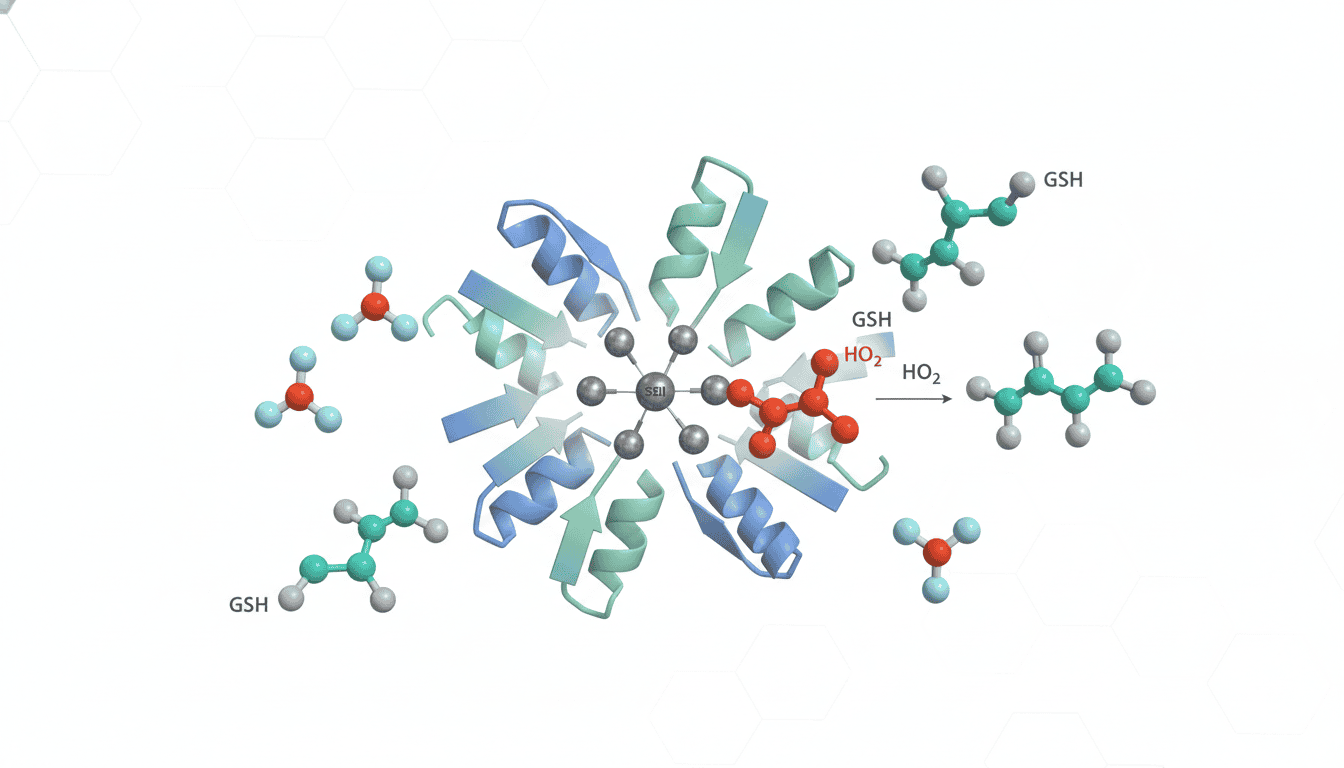
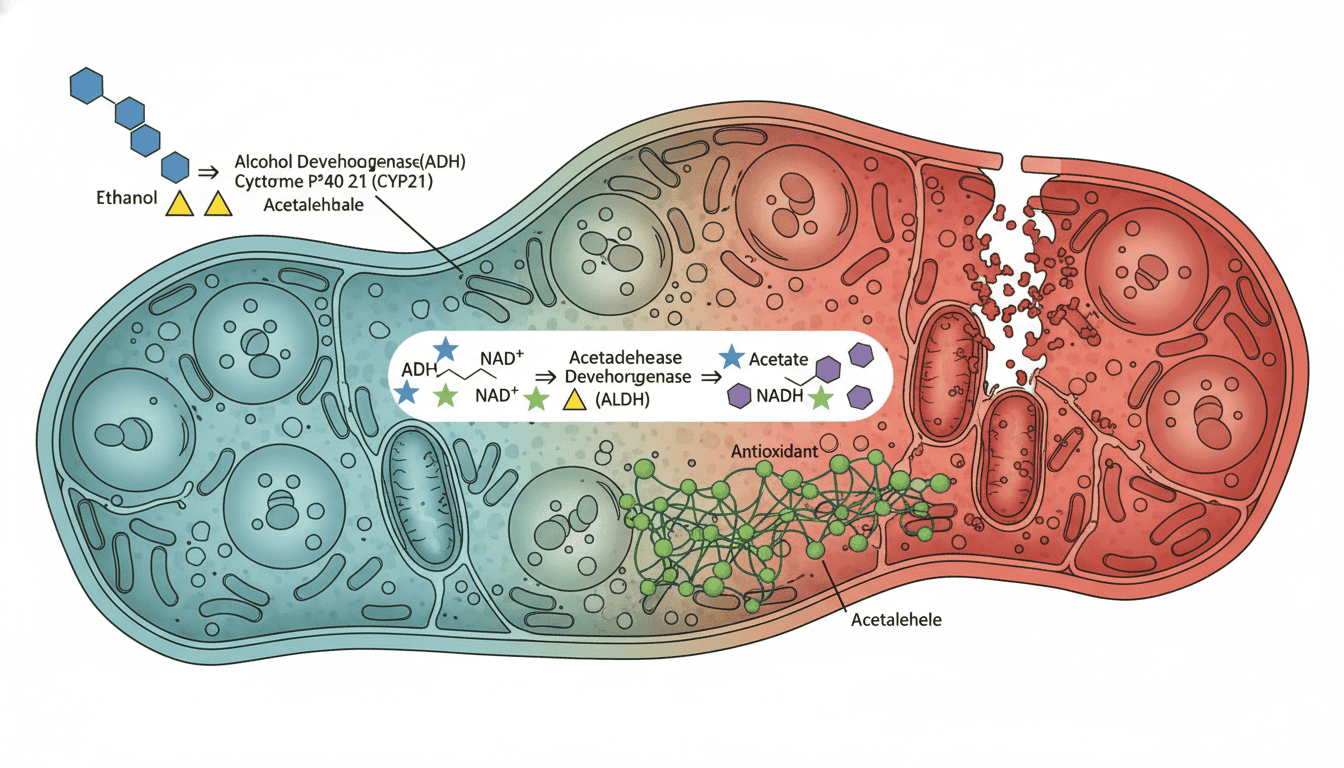
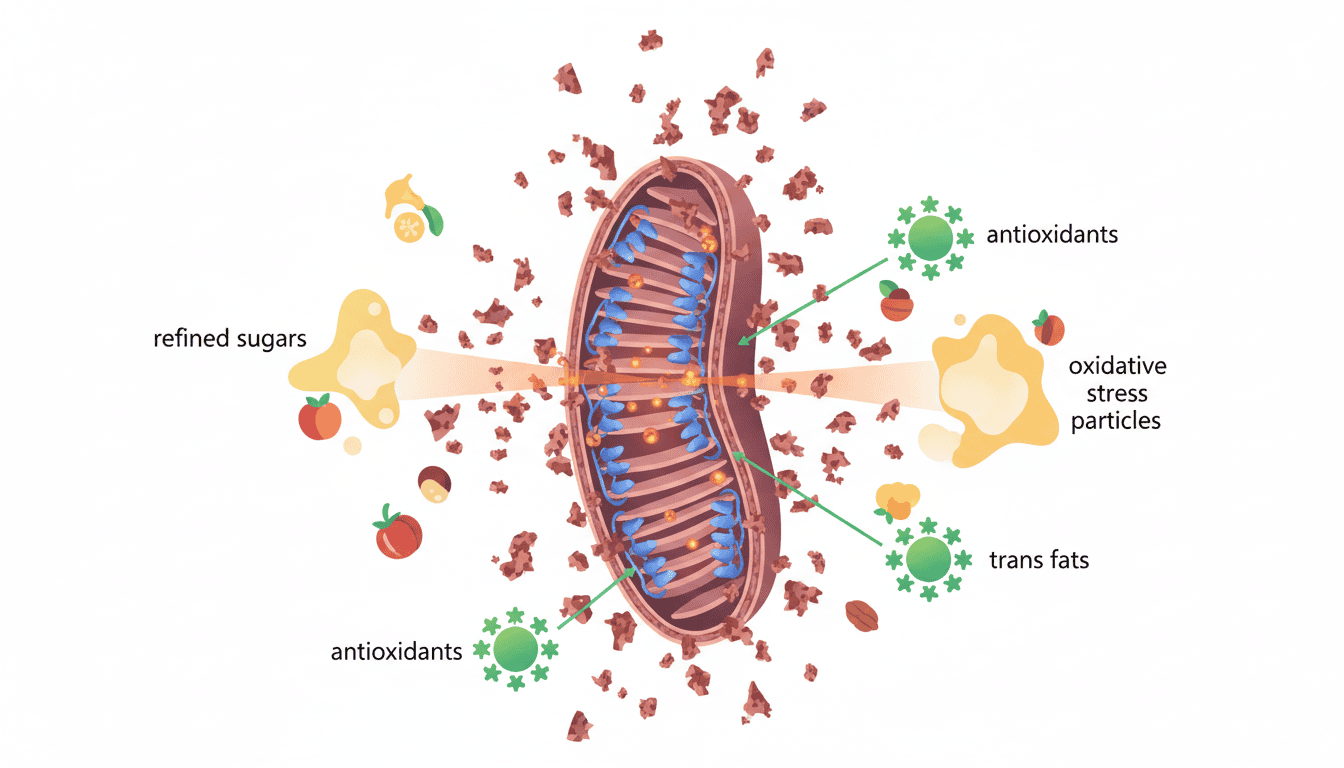
Selenium serves as an essential cofactor in glutathione peroxidase production, the enzyme system responsible for converting harmful peroxides into harmless compounds. This trace mineral’s role in cellular antioxidant defence highlights the intricate biochemical partnerships that maintain cellular health and protect against oxidative damage.

Green Tea and EGCG: What the Cellular Research Shows

Featured image for Green Tea and EGCG: What the Cellular Research Shows

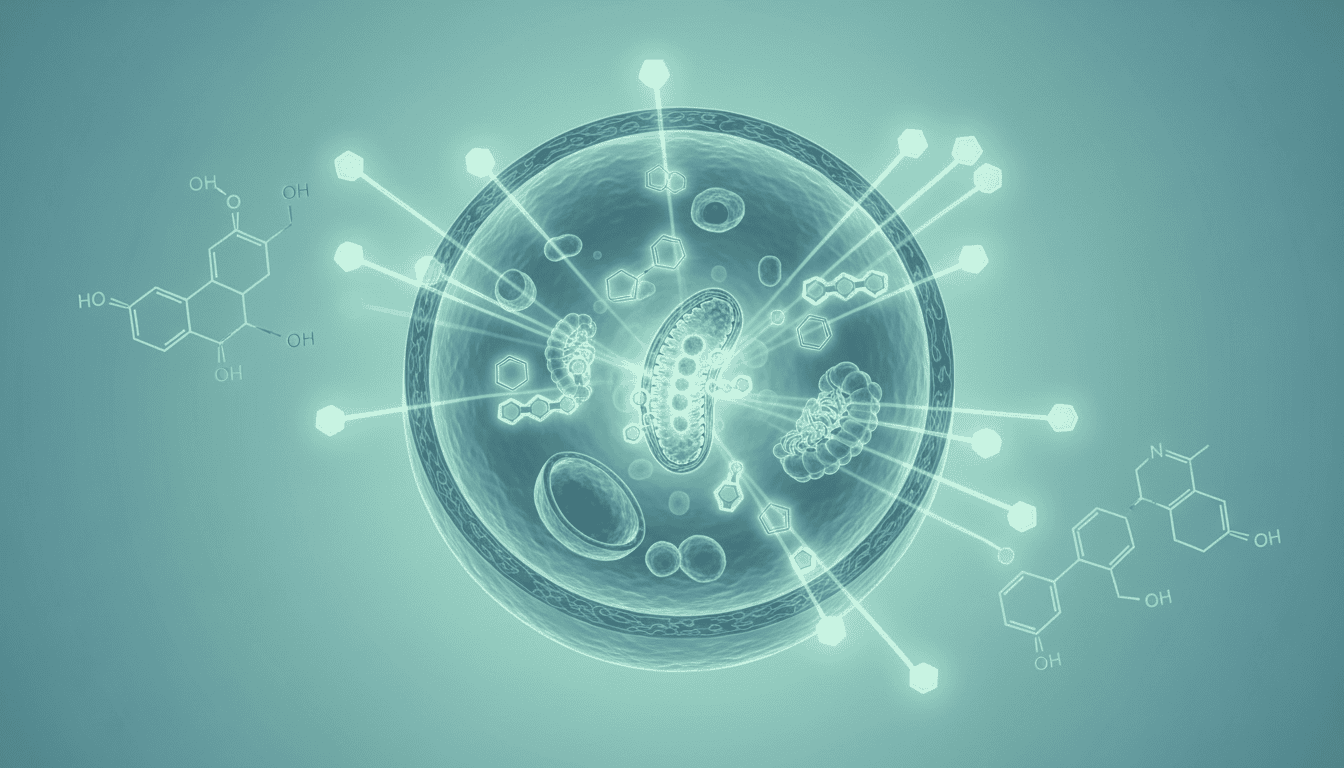
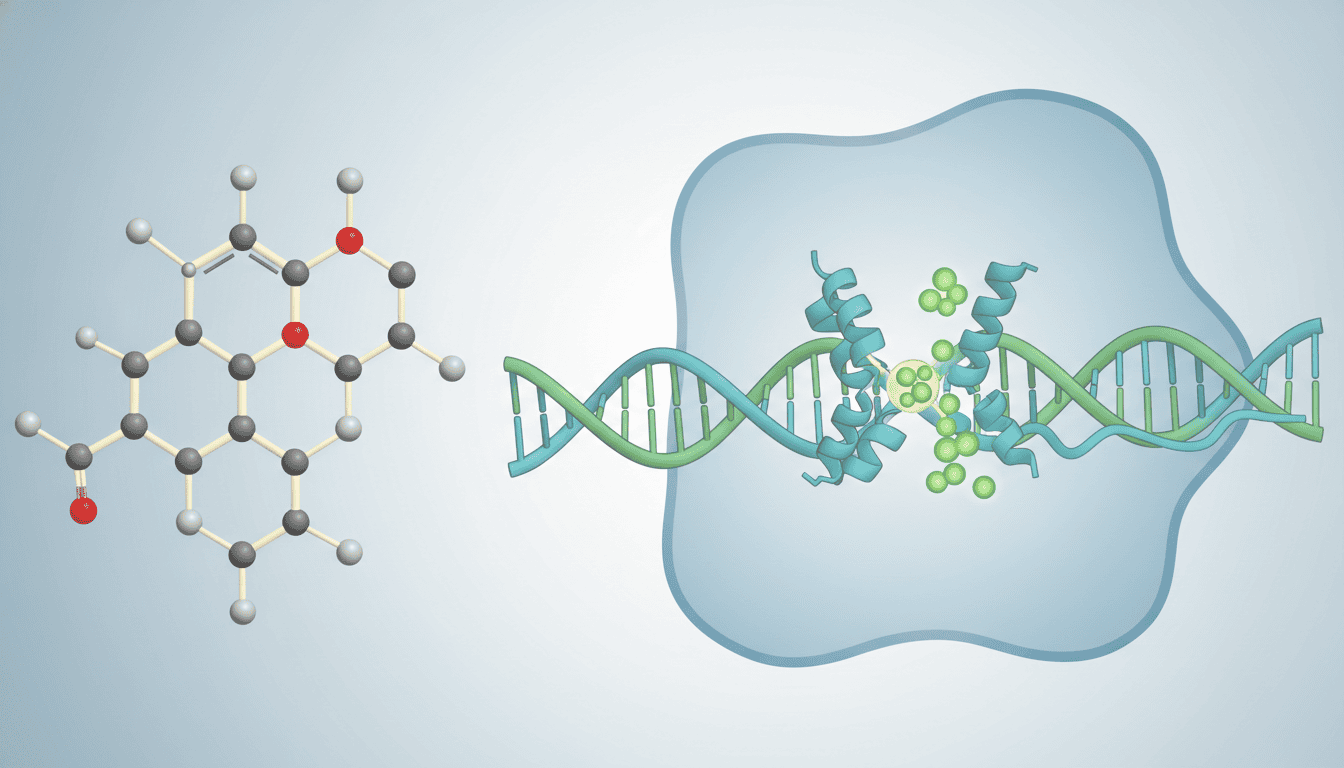
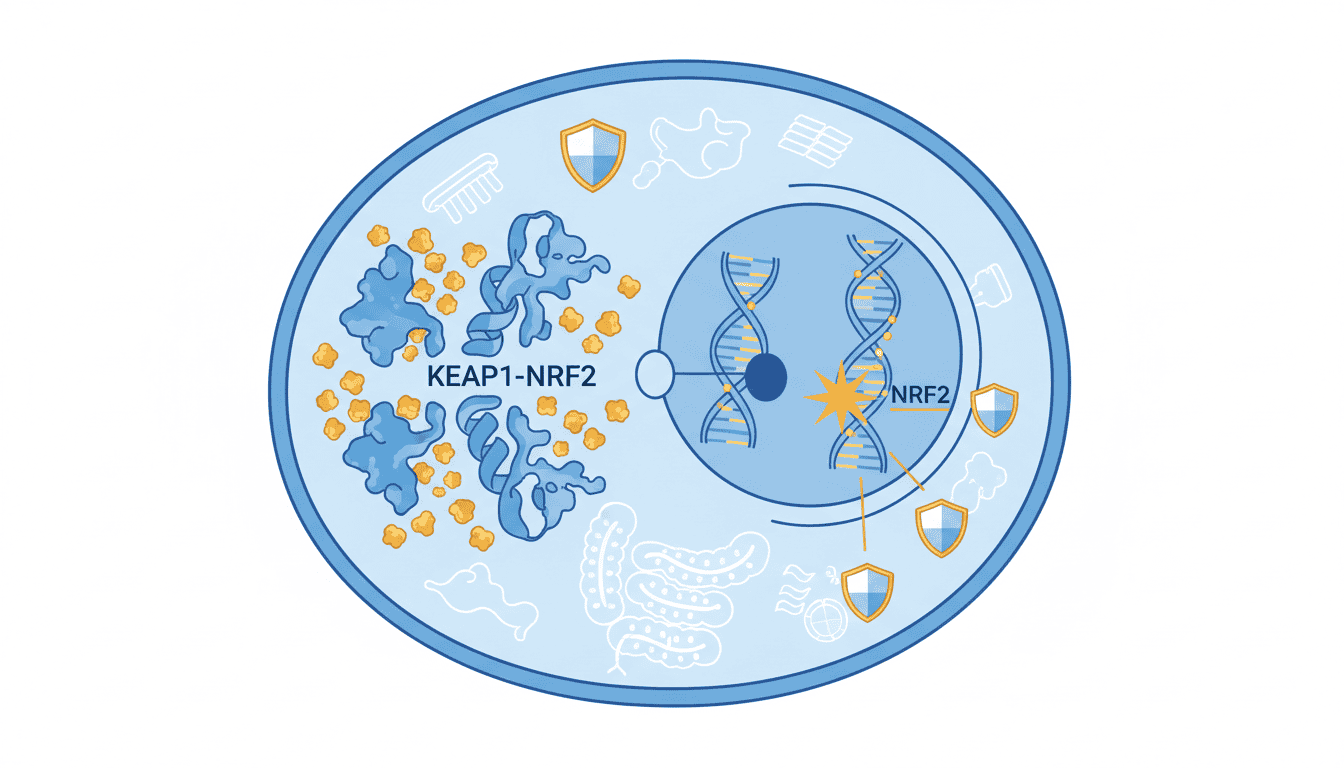
EGCG, green tea’s primary bioactive compound, demonstrates complex interactions with cellular antioxidant systems, mitochondrial function, and gene expression pathways. Research reveals that rather than acting simply as a direct antioxidant, EGCG influences cellular signalling mechanisms that regulate the body’s own protective systems.

Why Fibre Is Critical for More Than Just Digestion

Featured image for Why Fibre Is Critical for More Than Just Digestion

While dietary fibre is commonly associated with digestive health, research reveals its far-reaching effects on cellular signalling, immune function, and metabolic processes. Through the production of beneficial microbial metabolites and direct cellular interactions, fibre intake supports health systems throughout the entire body.

Why Vitamin D Functions as a Hormone Rather Than a Traditional Vitamin

Featured image for Why Vitamin D Functions as a Hormone Rather Than a Traditional Vitamin

Vitamin D functions more like a steroid hormone than a traditional vitamin, directly regulating gene expression through nuclear receptors and participating in complex endocrine feedback mechanisms. Unlike conventional vitamins that serve as cofactors, vitamin D undergoes multi-organ transformation and influences hundreds of genes across diverse tissue types.

Zinc’s Critical Role in Immune Cell Communication Networks

Featured image for Zinc's Critical Role in Immune Cell Communication Networks

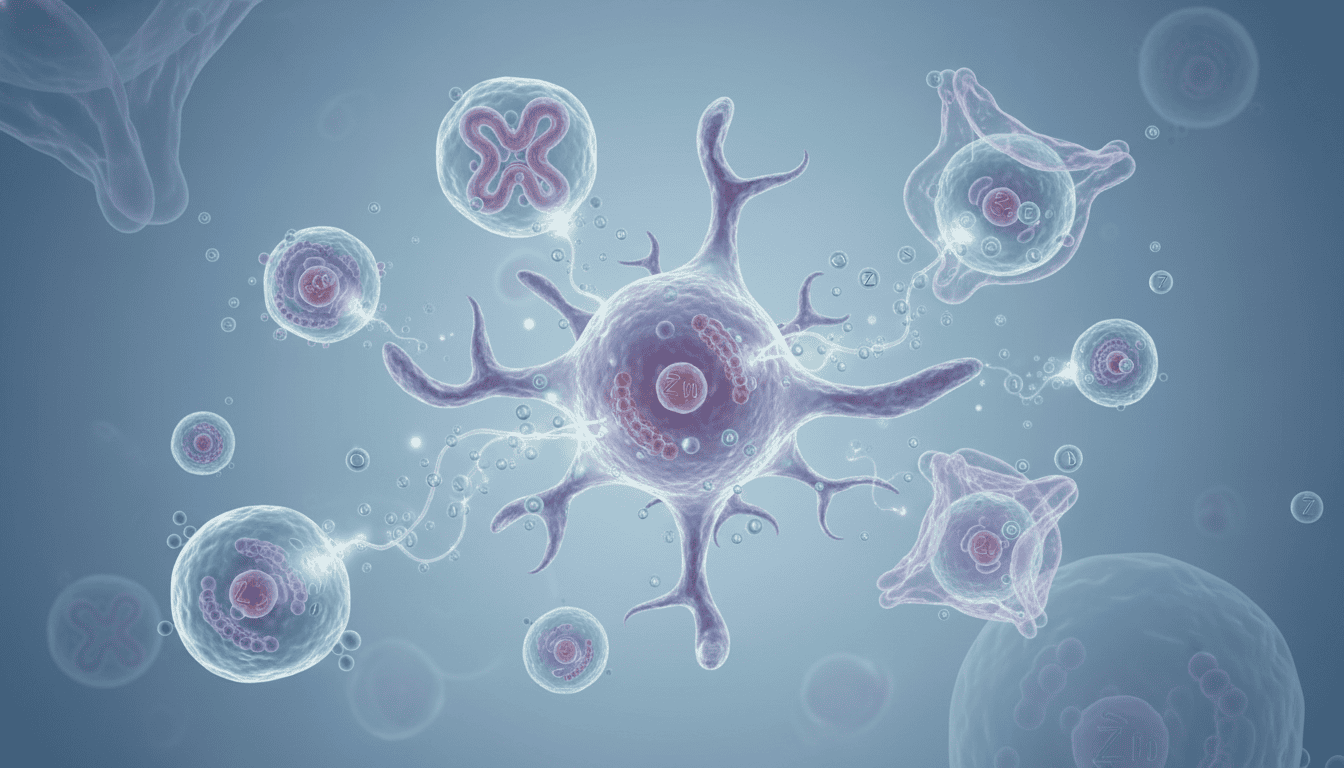
Zinc functions as a sophisticated signalling molecule within immune cells, orchestrating communication pathways that determine how effectively our bodies respond to pathogens. This essential trace element influences everything from threat recognition to coordinated immune responses, making it fundamental to cellular defence systems.