Understanding Selenium’s Fundamental Role in Cellular Defence
Selenium stands as one of the most critical trace minerals in human biology, yet its importance often goes unrecognised outside scientific circles. This essential micronutrient serves as the cornerstone for numerous cellular processes, particularly in the production and function of glutathione, often referred to as the body’s master antioxidant. Unlike many nutrients that work in isolation, selenium operates as a cofactor in multiple enzyme systems, making it indispensable for maintaining cellular health and protecting against oxidative stress.
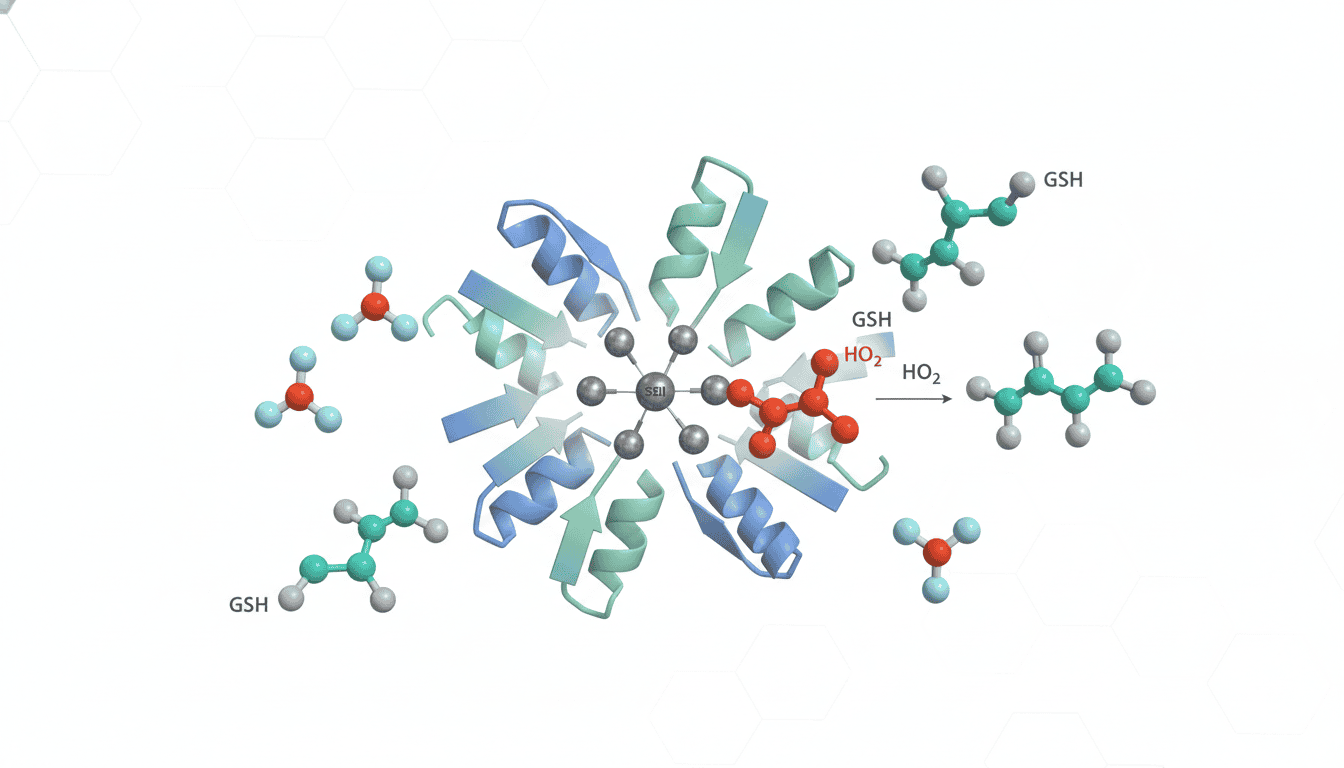
The relationship between selenium and glutathione represents one of nature’s most elegant biochemical partnerships. Without adequate selenium, the body cannot effectively produce or utilise glutathione peroxidase, the enzyme responsible for converting harmful peroxides into harmless water molecules. This process forms a crucial part of the cellular defence network that protects our cells from the constant barrage of reactive oxygen species generated through normal metabolic processes and environmental exposures.
The Biochemistry of Selenium in Glutathione Systems
At the molecular level, selenium functions as an integral component of selenocysteine, often called the 21st amino acid. This unique amino acid becomes incorporated into selenoproteins, a family of enzymes that includes glutathione peroxidase. The selenium atom sits at the active site of these enzymes, where its chemical properties allow for the rapid reduction of potentially damaging peroxides and hydroperoxides.
Glutathione peroxidase catalyses the reduction of hydrogen peroxide and organic peroxides using glutathione as the reducing agent. This reaction transforms toxic peroxides into water and alcohols while oxidising glutathione in the process. The oxidised glutathione must then be regenerated by glutathione reductase, creating a continuous cycle of antioxidant protection. Without selenium, this entire system becomes severely compromised, leaving cells vulnerable to oxidative damage.
Research has identified multiple forms of glutathione peroxidase, each containing selenium and serving specific cellular functions. These include cytosolic glutathione peroxidase, which protects the cell interior, phospholipid hydroperoxide glutathione peroxidase, which guards cell membranes, and extracellular glutathione peroxidase, which operates in blood plasma and other body fluids.
Selenium Deficiency and Glutathione Function
When selenium intake becomes inadequate, the consequences for glutathione systems become apparent relatively quickly. The body maintains a strict hierarchy for selenium distribution, prioritising brain and reproductive tissues while reducing selenium availability to other organs during deficiency states. This protective mechanism ensures survival but can leave peripheral tissues with diminished antioxidant capacity.
Studies examining selenium deficiency have revealed significant reductions in glutathione peroxidase activity across multiple tissues. This decrease in enzymatic function corresponds with increased markers of oxidative stress, including elevated levels of lipid peroxidation products and protein oxidation markers. The cellular consequences extend beyond simple oxidative damage, affecting gene expression, inflammatory responses, and cellular signalling pathways.
Geographic regions with selenium-poor soils have provided natural laboratories for studying these effects. Populations in these areas often exhibit lower glutathione peroxidase activities and increased susceptibility to conditions associated with oxidative stress. However, these observations must be interpreted carefully, as multiple nutritional and environmental factors typically influence health outcomes in such populations.
Dietary Sources and Bioavailability Considerations
The selenium content of foods varies dramatically based on soil selenium concentrations where plants grow or animals graze. Brazil nuts represent one of the richest dietary sources, containing exceptionally high selenium levels that can vary significantly between individual nuts. Seafood, organ meats, and muscle meats typically provide reliable selenium sources, while plant-based foods show greater variability depending on growing conditions.
Selenium bioavailability depends on its chemical form and the presence of other dietary components. Organic selenium compounds, such as selenomethionine found in plant foods, generally show higher bioavailability than inorganic forms like sodium selenite. However, both forms can effectively support glutathione peroxidase synthesis when consumed in appropriate amounts.
The absorption and utilisation of selenium involves complex interactions with other nutrients. Vitamin E works synergistically with selenium-dependent glutathione peroxidase, providing complementary antioxidant protection. Some compounds, including certain phytochemicals and heavy metals, may interfere with selenium absorption or metabolism, highlighting the importance of overall dietary quality rather than focusing solely on individual nutrients.
Selenium Requirements and Population Considerations
Determining optimal selenium intake requires balancing adequacy for selenoprotein function against the relatively narrow margin between beneficial and potentially harmful doses. Current dietary reference values aim to maximise glutathione peroxidase activity while maintaining safety margins. However, individual requirements may vary based on factors including genetic polymorphisms affecting selenium metabolism, concurrent nutrient intakes, and exposure to oxidative stressors.
Certain populations may have increased selenium needs or face greater challenges in maintaining adequate status. Individuals following strictly plant-based diets in selenium-poor regions may require particular attention to selenium sources. Pregnancy and lactation increase selenium requirements to support foetal development and provide adequate amounts in breast milk. Age-related changes in nutrient absorption and metabolism may also influence selenium needs in older adults.
Geographic variations in soil selenium create global patterns of intake that range from deficient to excessive. These natural experiments have contributed significantly to our understanding of selenium’s role in human health while highlighting the importance of considering local food systems and soil conditions in nutrition planning.
The Broader Cellular Health Picture
The relationship between selenium and glutathione production exemplifies the intricate interconnections that define cellular health. This partnership demonstrates how individual nutrients rarely function in isolation but rather participate in complex networks of biochemical processes that maintain cellular integrity. Understanding these relationships helps illuminate why focusing on overall nutritional adequacy rather than isolated supplements typically provides the most robust foundation for supporting the body’s natural defence systems. The selenium-glutathione connection serves as a compelling example of how evolution has crafted elegant solutions to the fundamental challenge of protecting living cells from the oxidative processes that are both essential for life and potentially damaging when left unchecked.

Matt Elliott is the editor of Redox News Today, an independent publication covering peer-reviewed research on cellular health, redox signalling, and related biomedical science.