The Science Behind Napping and Cellular Recovery
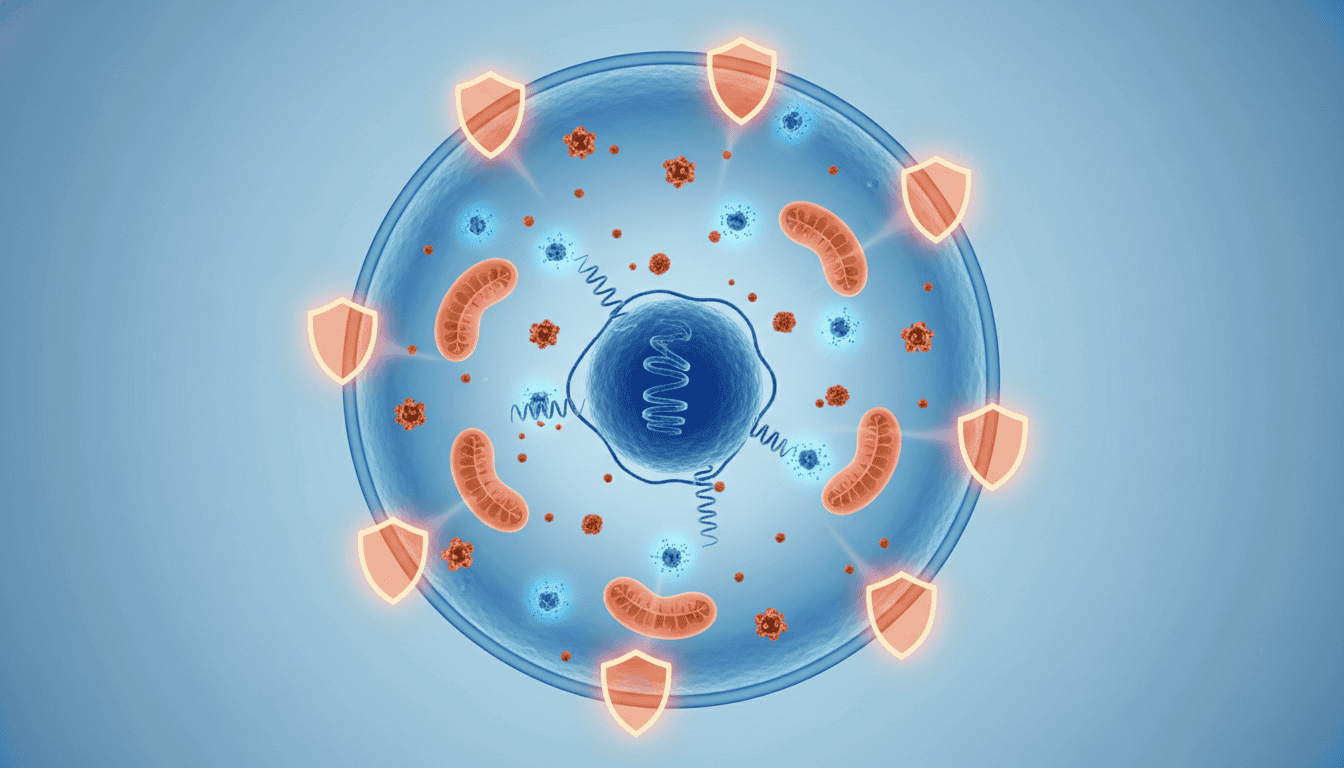
Napping represents more than just a midday rest; it triggers a cascade of cellular repair mechanisms that influence how our bodies manage stress at the molecular level. Research into sleep physiology has revealed that even brief periods of sleep can activate crucial cellular maintenance systems, particularly those involved in managing oxidative stress and maintaining cellular homeostasis.
During nap periods, cells throughout the body initiate repair processes that are typically associated with longer sleep cycles. These processes include the activation of antioxidant defence systems, the clearance of cellular waste products, and the restoration of energy metabolism pathways. The brevity of naps means these processes operate in a condensed timeframe, creating unique patterns of cellular activity that differ from overnight sleep.
The timing and duration of naps appear to influence which cellular stress response pathways become activated. Short naps of 10 to 30 minutes primarily affect immediate stress markers, whilst longer naps of 60 to 90 minutes can engage deeper cellular repair mechanisms similar to those seen during nocturnal sleep phases.
Oxidative Stress Markers and Short Sleep Periods
Oxidative stress markers serve as key indicators of cellular health, reflecting the balance between harmful reactive oxygen species and the body’s antioxidant defences. Studies examining the effects of napping on these markers have revealed interesting patterns in how brief sleep periods influence cellular stress levels.
Even short naps appear to reduce markers of oxidative damage, including lipid peroxidation products and protein oxidation indicators. This reduction occurs through the activation of endogenous antioxidant systems, including superoxide dismutase, catalase, and glutathione peroxidase. These enzymes work together to neutralise reactive oxygen species that accumulate during periods of wakefulness and cellular activity.
The mechanism behind this rapid antioxidant response during napping involves changes in cellular signalling pathways that regulate stress responses. Sleep, even in brief periods, appears to shift cellular metabolism towards repair and maintenance activities, reducing the production of stress markers whilst simultaneously enhancing the body’s capacity to manage existing oxidative damage.
Inflammatory Responses and Nap Duration
Inflammation markers provide another window into how napping affects cellular stress responses. The relationship between sleep and inflammation is complex, with both the duration and timing of naps influencing inflammatory signalling pathways at the cellular level.
Short naps typically result in measurable reductions in pro inflammatory cytokines, including tumour necrosis factor alpha and interleukin 6. These molecules play crucial roles in cellular communication during stress responses, and their reduction following naps suggests that brief sleep periods can effectively modulate inflammatory processes.
Longer naps show more varied effects on inflammatory markers, sometimes producing temporary increases in certain inflammatory signals before ultimately reducing overall inflammation levels. This pattern reflects the complex nature of sleep cycles and their influence on immune system function and cellular repair processes.
The anti inflammatory effects of napping appear to be mediated through the autonomic nervous system, which regulates many cellular stress responses. During sleep periods, the parasympathetic nervous system becomes more active, promoting cellular repair activities whilst reducing the production of stress hormones that can trigger inflammatory cascades.
Cellular Energy Metabolism During Brief Sleep
Napping influences cellular energy production and utilisation in ways that directly impact stress marker levels. During brief sleep periods, cells shift their metabolic priorities from energy intensive activities towards maintenance and repair functions, creating measurable changes in cellular stress indicators.
Mitochondrial function, crucial for cellular energy production, shows improvements following naps. These improvements include enhanced electron transport chain efficiency and reduced production of reactive oxygen species as metabolic byproducts. The result is cleaner cellular energy production with fewer stress inducing waste products.
Cellular ATP levels, the primary energy currency of cells, tend to be restored more efficiently during nap periods compared to continued wakefulness. This restoration occurs alongside improvements in cellular calcium handling and membrane stability, both of which contribute to reduced cellular stress marker production.
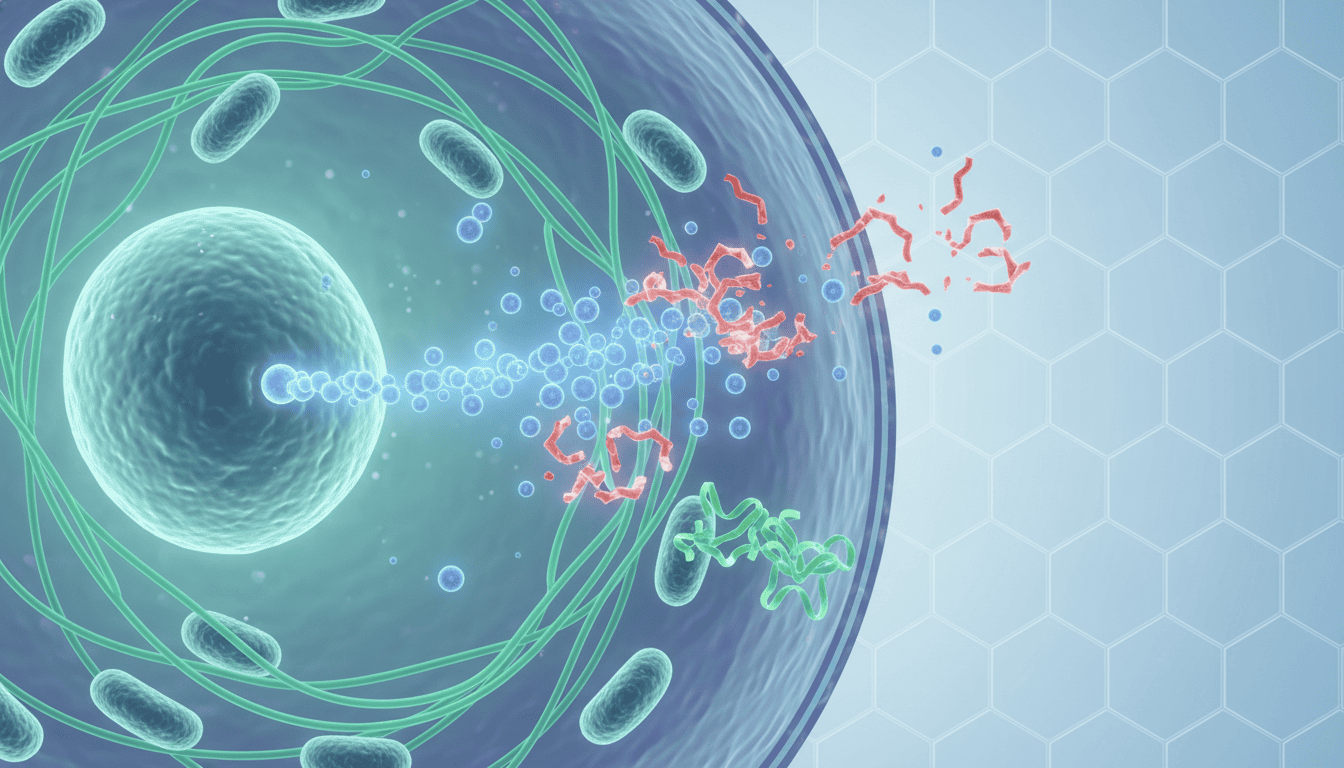
The metabolic changes during napping also affect cellular waste removal processes. Enhanced autophagy, the cellular housekeeping mechanism that removes damaged proteins and organelles, becomes more active during sleep periods, contributing to overall reductions in cellular stress markers.
Hormonal Regulation and Stress Response Systems
The hormonal changes that occur during napping have profound effects on cellular stress markers throughout the body. Cortisol, the primary stress hormone, typically decreases during nap periods, leading to widespread reductions in cellular stress signalling.
Growth hormone release, which occurs during certain phases of sleep, promotes cellular repair and regeneration processes. Even brief naps can trigger growth hormone secretion, leading to enhanced protein synthesis and cellular maintenance activities that reduce stress marker accumulation.
Melatonin production, whilst primarily associated with nocturnal sleep, can also occur during daytime naps, particularly in darkened environments. This hormone possesses powerful antioxidant properties and directly influences cellular stress responses by protecting cellular membranes and DNA from oxidative damage.
The integration of these hormonal changes creates a cellular environment that favours repair over stress response activation, leading to measurable improvements in various cellular health indicators following nap periods.
Recovery Patterns and Optimal Napping Strategies
The pattern of cellular stress marker changes following naps reveals important insights into optimal recovery strategies. Different nap durations produce distinct cellular response patterns, with implications for how brief sleep periods can be used to support cellular health.
Power naps of 10 to 20 minutes primarily affect immediate stress markers without triggering the deeper sleep phases that can sometimes lead to temporary increases in certain stress indicators. These brief naps provide rapid cellular benefits whilst avoiding the potential grogginess associated with longer sleep periods.
Recovery naps of 60 to 90 minutes allow for complete sleep cycles and more comprehensive cellular repair processes. However, these longer naps may temporarily increase some stress markers before ultimately producing more substantial cellular benefits.
The timing of naps also influences their effects on cellular stress markers, with early afternoon naps generally producing the most consistent benefits for cellular health indicators. This timing aligns with natural circadian rhythms and cellular metabolic cycles.
Understanding how napping affects cellular stress markers provides valuable insights into the fundamental relationship between sleep and cellular health. The ability of even brief sleep periods to activate cellular repair mechanisms and reduce stress marker levels demonstrates the importance of adequate rest for maintaining optimal cellular function. As research continues to reveal the intricate connections between sleep patterns and cellular health, the strategic use of naps emerges as a potentially valuable tool for supporting the body’s natural cellular maintenance systems and promoting overall physiological resilience.

Matt Elliott is the editor of Redox News Today, an independent publication covering peer-reviewed research on cellular health, redox signalling, and related biomedical science.