
Eight hours of tossing and turning does less for your cells than four hours of deep, uninterrupted sleep. While sleep trackers obsess over duration, your cellular machinery operates on a completely different metric: the quality of sleep cycles that allow crucial repair processes to unfold.
What is cellular sleep recovery
Sleep isn’t just rest for your brain. It’s prime time for cellular housekeeping across every tissue in your body.
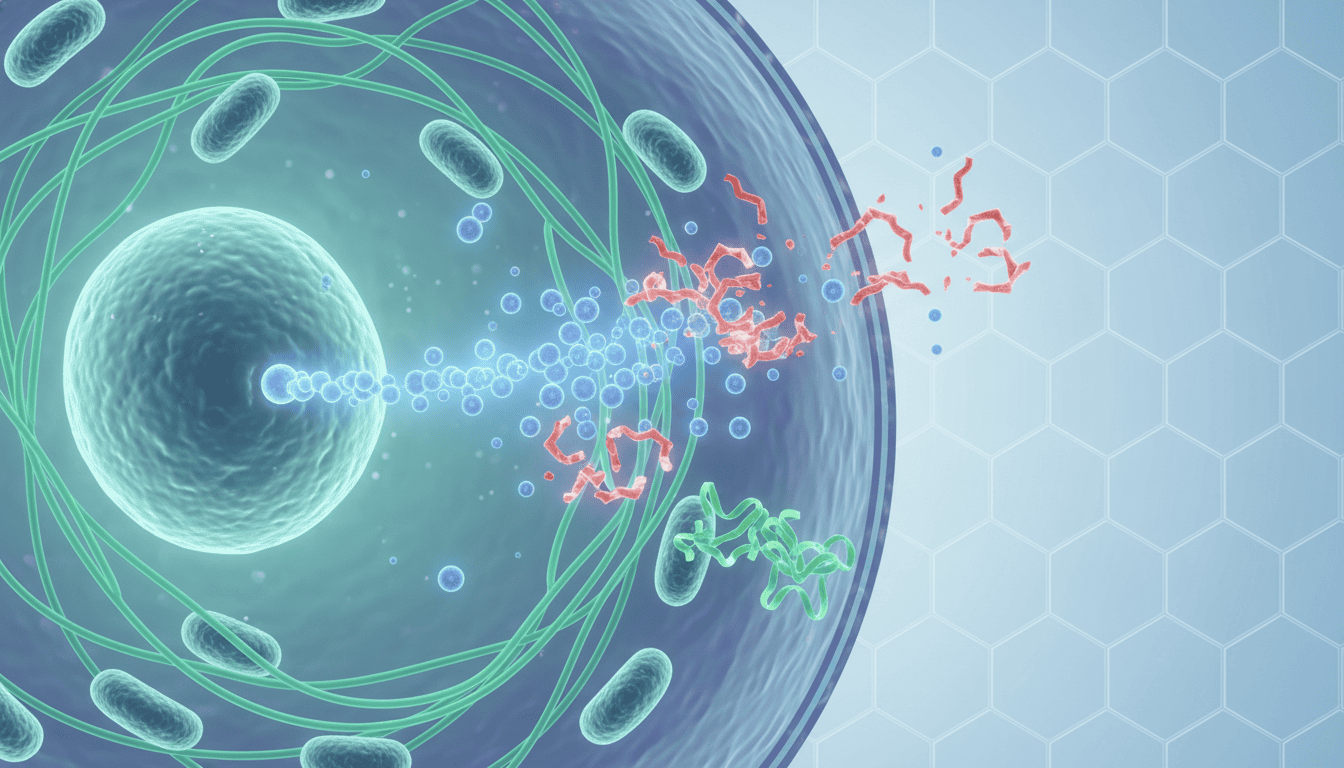
During quality sleep, cells ramp up autophagy, a process where they literally digest their own damaged components. Think of it as taking out the rubbish, except the rubbish includes worn-out proteins, damaged organelles, and toxic aggregates that accumulate during waking hours. This cellular cleanup happens most efficiently during deep sleep phases, when growth hormone surges and cellular energy can shift from daily maintenance to deep repair.
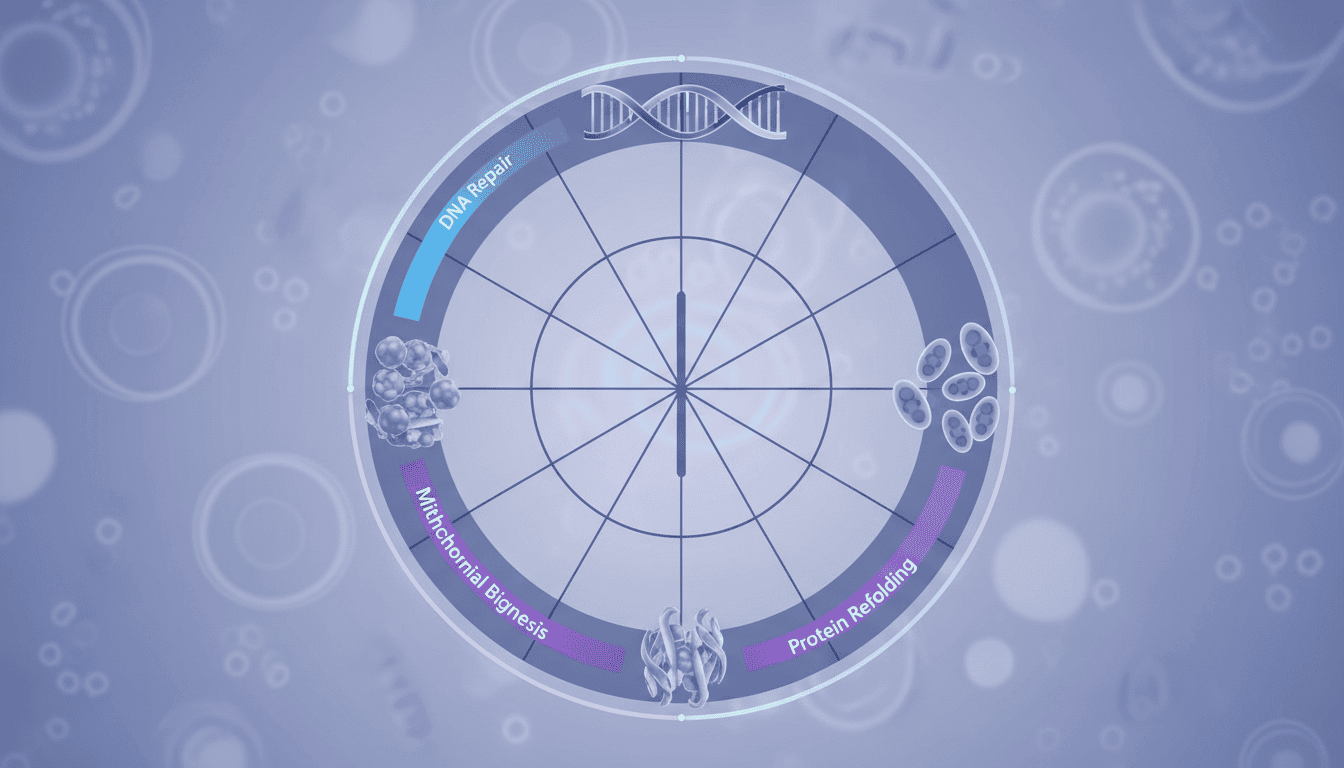
Your cells also use sleep time to synthesise new proteins, repair DNA damage, and restore antioxidant systems depleted by the day’s oxidative stress. Mitochondria, your cellular power plants, undergo their own restoration processes. They repair damaged membranes, replace worn-out enzymes, and sometimes even reproduce to meet tomorrow’s energy demands.
The timing matters enormously. These processes don’t happen uniformly throughout sleep but follow the natural architecture of sleep cycles, with the deepest cellular repair occurring during slow-wave sleep phases.
What the research shows
Sleep researchers have discovered something counterintuitive: fragmented sleep disrupts cellular repair even when total sleep time remains unchanged.
Studies measuring cellular markers show that people who experience frequent sleep interruptions have elevated levels of inflammatory proteins and oxidative damage markers, even after controlling for total sleep duration. Their cells show signs of accelerated ageing at the molecular level. Meanwhile, those who sleep fewer hours but maintain consistent, uninterrupted cycles often show better cellular health metrics.
Brain imaging studies reveal why. During deep sleep, the brain’s glymphatic system opens up, allowing cerebrospinal fluid to flush out metabolic waste products, including amyloid proteins that can damage neurons. This cleaning process requires sustained periods of deep sleep to be effective. Fragmented sleep means the cleaning crew gets interrupted before finishing the job.
Researchers tracking cellular clock genes have found that sleep quality affects the synchronisation of circadian rhythms in peripheral tissues. Poor sleep quality throws off the molecular clocks in liver cells, muscle cells, and fat cells, disrupting their repair schedules even days later.
Perhaps most telling, studies of shift workers show that irregular sleep patterns cause more cellular damage than simple sleep deprivation. Their cells age faster and accumulate more DNA damage than people who sleep less but maintain consistent patterns.
Why cells need this
Evolution designed sleep as a trade-off. Being unconscious and vulnerable for hours each day carries obvious risks, so the benefits had to be substantial enough to justify this dangerous state.
The cellular repair processes that occur during sleep simply cannot happen efficiently while you’re awake and active. Autophagy requires cells to temporarily shut down normal operations, something that’s only safe when the body isn’t dealing with immediate demands. DNA repair mechanisms work best when cells aren’t busy transcribing genes for daily activities.
Quality sleep also allows the body to shift into an anabolic state, where energy goes toward building and repairing rather than breaking down for immediate fuel. Growth hormone peaks during deep sleep for good reason. It signals cells throughout the body to enter repair mode and synthesise the proteins needed for recovery.
The brain has particular requirements. Unlike other organs, it lacks a traditional lymphatic system for waste removal. The deep sleep state allows cerebrospinal fluid to penetrate brain tissue and wash out toxic accumulations. This process requires the specific brain wave patterns of quality sleep, not just unconsciousness.
What affects sleep quality
Sleep quality depends on factors that often matter more than bedtime or wake time.
Temperature plays a crucial role. Your core body temperature needs to drop for deep sleep phases to occur properly. Rooms above 19°C or below 15°C can prevent the temperature regulation that signals cells to enter repair mode. Hot baths before bed work because the subsequent cooling mimics the natural temperature drop that promotes deep sleep.
Light exposure affects sleep architecture at the cellular level. Blue light from screens disrupts melatonin production, but even small amounts of light during sleep can fragment sleep cycles. Research shows that people sleeping in rooms with blackout curtains spend more time in restorative sleep phases than those in partially lit rooms.
Alcohol severely compromises sleep quality despite making people feel drowsy. It prevents the brain from entering deep sleep phases where cellular repair peaks. People who drink before bed often sleep for adequate durations but wake up with cellular stress markers similar to those seen after sleep deprivation.
Stress hormones like cortisol directly interfere with the cellular repair processes that occur during sleep. Chronic stress keeps cortisol elevated at night, preventing cells from shifting into repair mode even during otherwise quality sleep.
Age naturally reduces sleep quality as the brain structures that generate deep sleep waves deteriorate. Older adults often sleep as long as younger people but spend less time in the deep phases where cellular repair occurs most efficiently.
What remains unknown
Scientists still can’t fully explain why some people seem to function well on less sleep while others require more for optimal cellular health.
Genetic variations clearly play a role, but researchers haven’t identified all the genes involved in sleep quality and cellular repair. Some people carry mutations that affect their circadian clocks or sleep architecture in ways that might make their cellular repair processes more or less efficient.
The relationship between sleep quality and cellular ageing remains partially mysterious. While poor sleep correlates with faster cellular ageing, scientists don’t know if improving sleep quality can reverse existing cellular damage or only prevent future harm.
Researchers are also exploring whether different types of cells have different sleep requirements. Muscle cells, brain cells, and immune cells might need different aspects of quality sleep for optimal repair, but the specifics remain unclear.
The timing of cellular repair during sleep cycles isn’t fully mapped either. Scientists know that most repair happens during deep sleep, but they’re still working out which specific processes occur during which phases and how sleep disorders affect this timing.
Sleep research reveals a fundamental truth about cellular biology: your cells operate on their own schedules, and those schedules require sustained periods of deep rest to function properly. Rather than counting hours, the focus should be on creating conditions that allow natural sleep architecture to unfold. Your cells have spent millions of years perfecting their repair routines. The question isn’t how long they need, but whether we’re giving them the uninterrupted time they require to do their work.

Matt Elliott is the editor of Redox News Today, an independent publication covering peer-reviewed research on cellular health, redox signalling, and related biomedical science.