How NRF2 Shields Cells From Iron-Driven Death

Featured image for How NRF2 Shields Cells From Iron-Driven Death

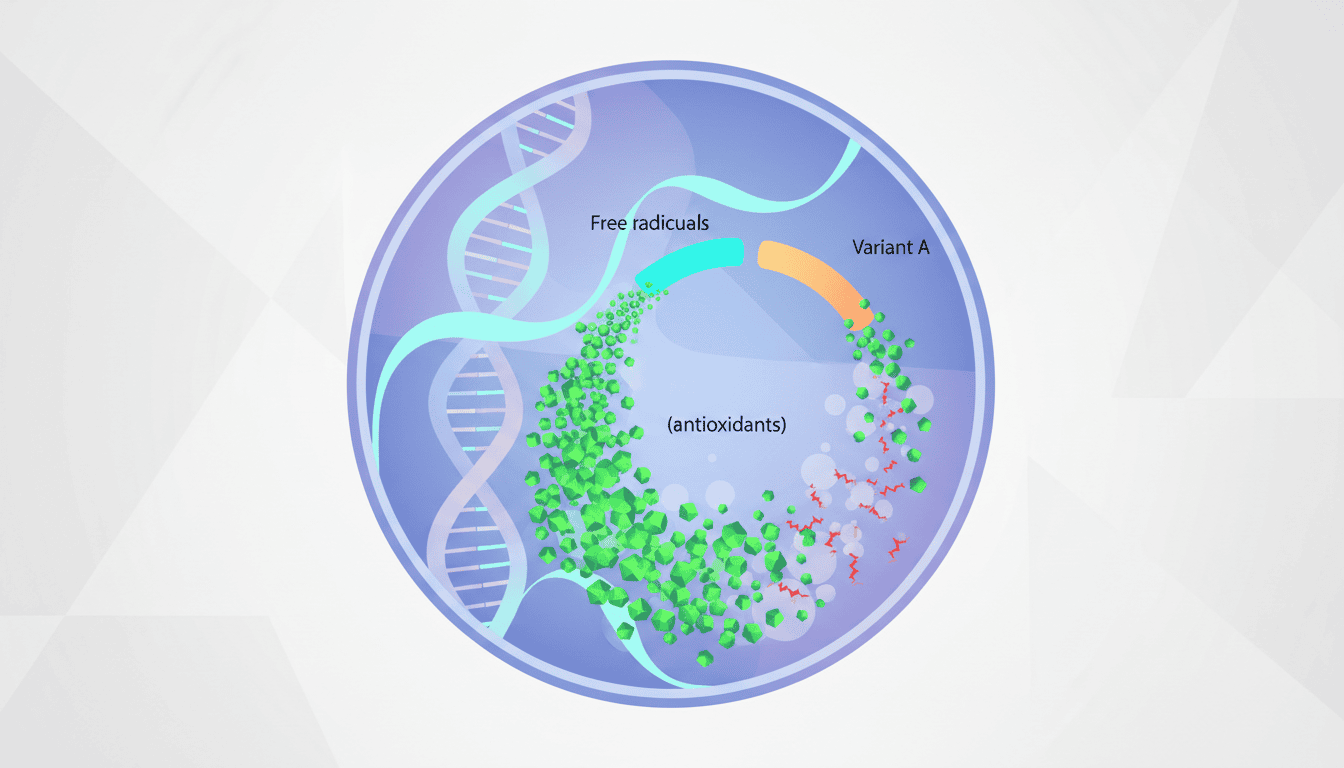
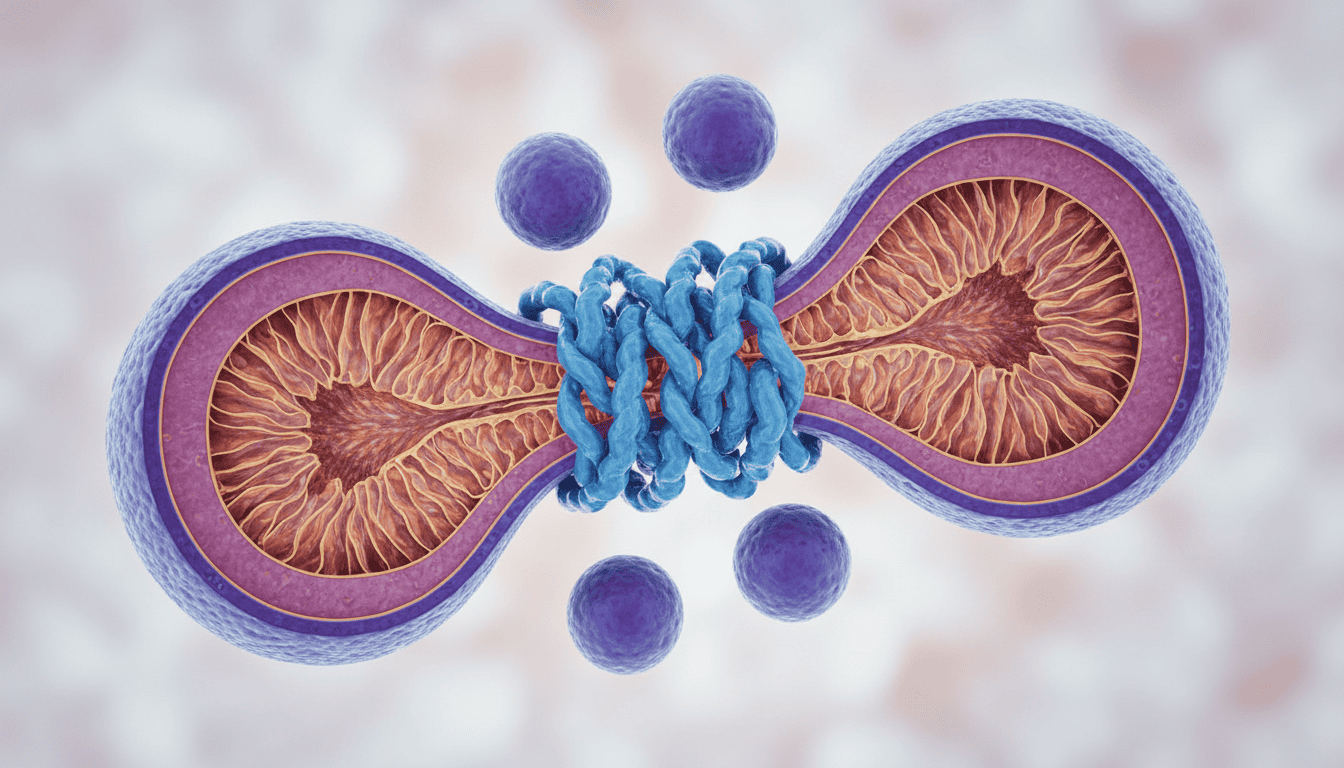
When iron accumulates in cells, it can trigger ferroptosis, a form of cell death that literally rusts cells from the inside out. NRF2 acts as a master defender, activating multiple antioxidant systems to neutralise iron-driven damage before it becomes fatal.

Why Your Nose Offers a Direct Route to Brain Cells

Featured image for Why Your Nose Offers a Direct Route to Brain Cells

The olfactory system creates a unique pathway that allows molecules to travel from your nasal cavity directly to brain tissue, bypassing the blood-brain barrier entirely. This nose-to-brain route shows particular promise for delivering compounds that support mitochondrial function in neurons.

How Two Proteins Control Your Cellular Power Plants

Featured image for How Two Proteins Control Your Cellular Power Plants

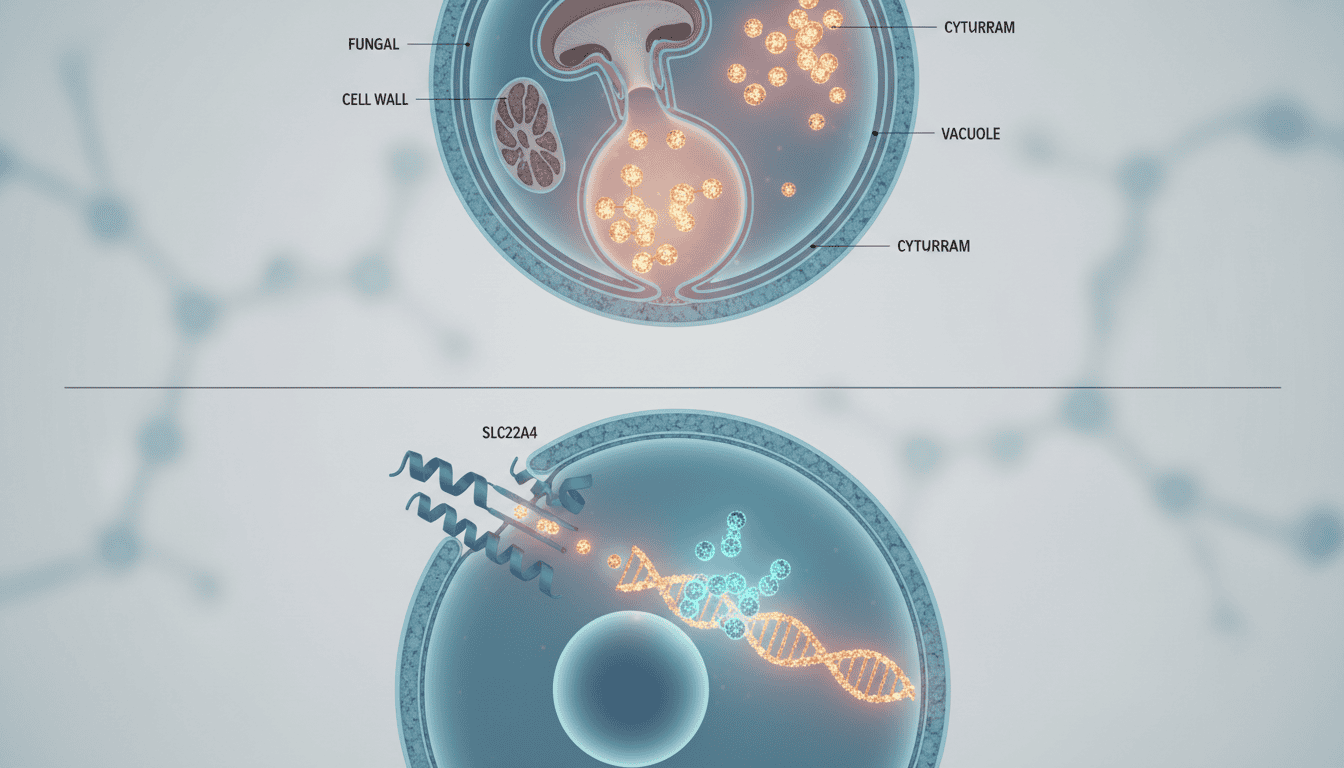
Mitochondria depend on proteins made in the cell nucleus, but getting these proteins to their destination requires a sophisticated transport system. Two key proteins, MDM2 and TFAM, travel to mitochondria in response to cellular stress and energy demands, controlling how these cellular power plants function.

When Radiation Strikes Before Conception: How Mitochondrial DNA Passes Damage to the Next Generation

Featured image for When Radiation Strikes Before Conception: How Mitochondrial DNA Passes Damage to the Next Generation

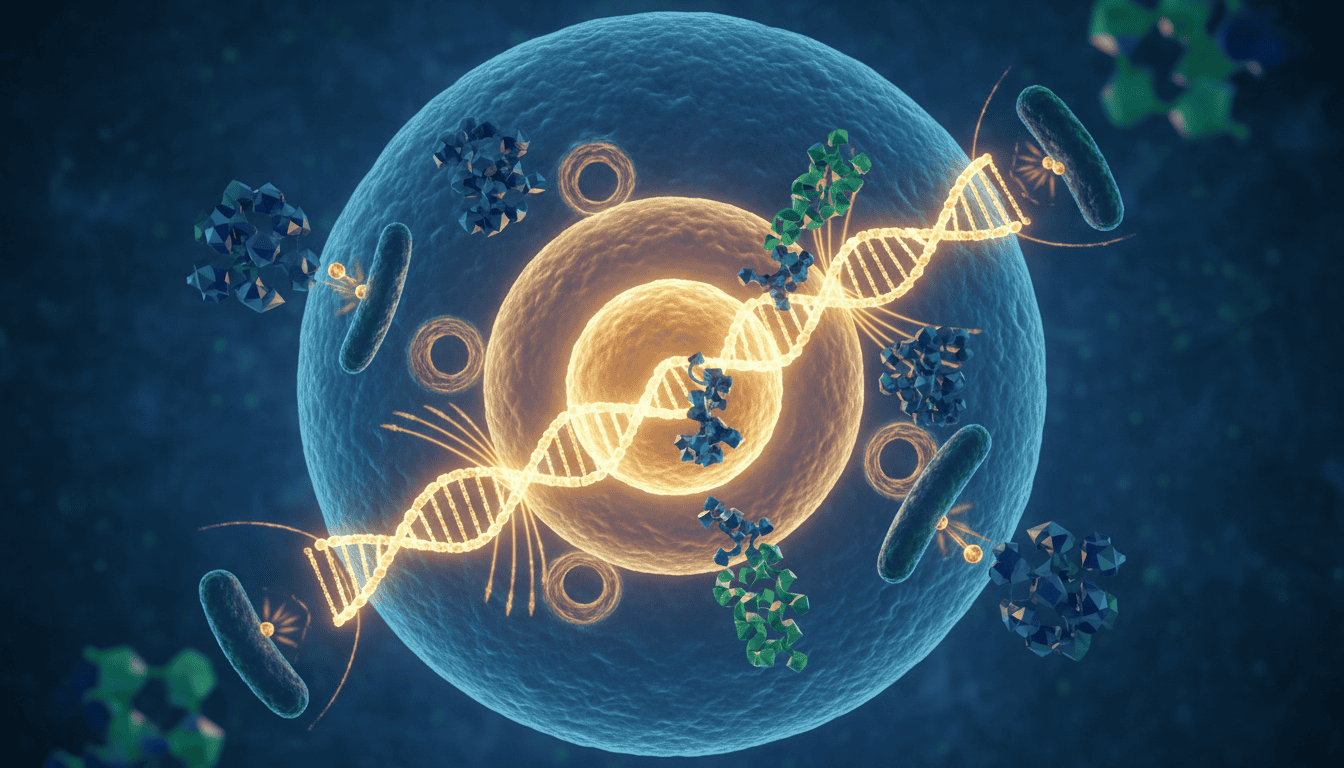
Radiation exposure before conception can damage mitochondrial DNA in ways that affect the next generation, since this cellular energy genome passes almost exclusively from mother to child. Unlike nuclear DNA, mitochondrial DNA lacks sophisticated repair mechanisms and sits vulnerable to radiation damage near the cellular energy production sites.