You breathe the same air as your colleague, eat food from the same café, work in the same office. Yet when pollution or pesticides hit your cells, your body might defend itself completely differently. That difference often comes down to genes you inherited before birth, variations so small they went unnoticed for decades but profoundly shape how your cells handle oxidative damage.
What is oxidative stress
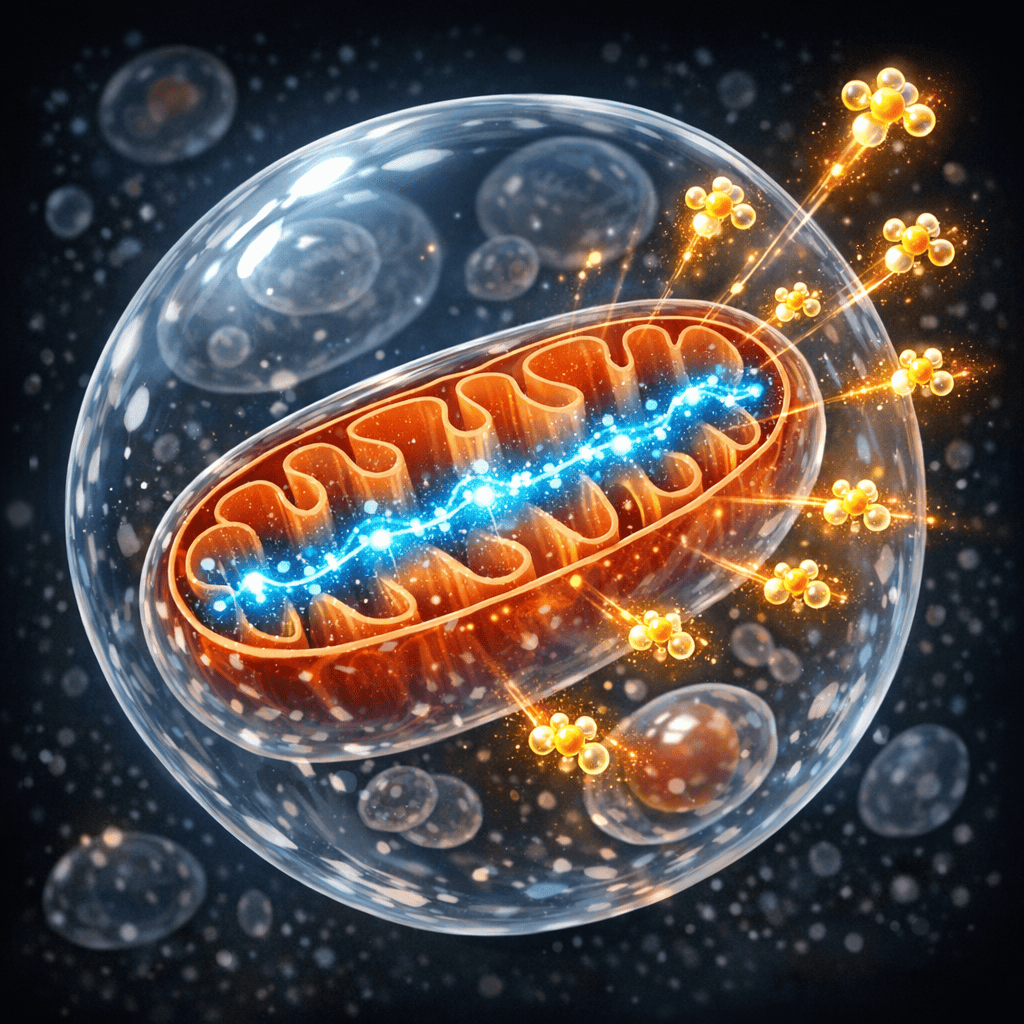
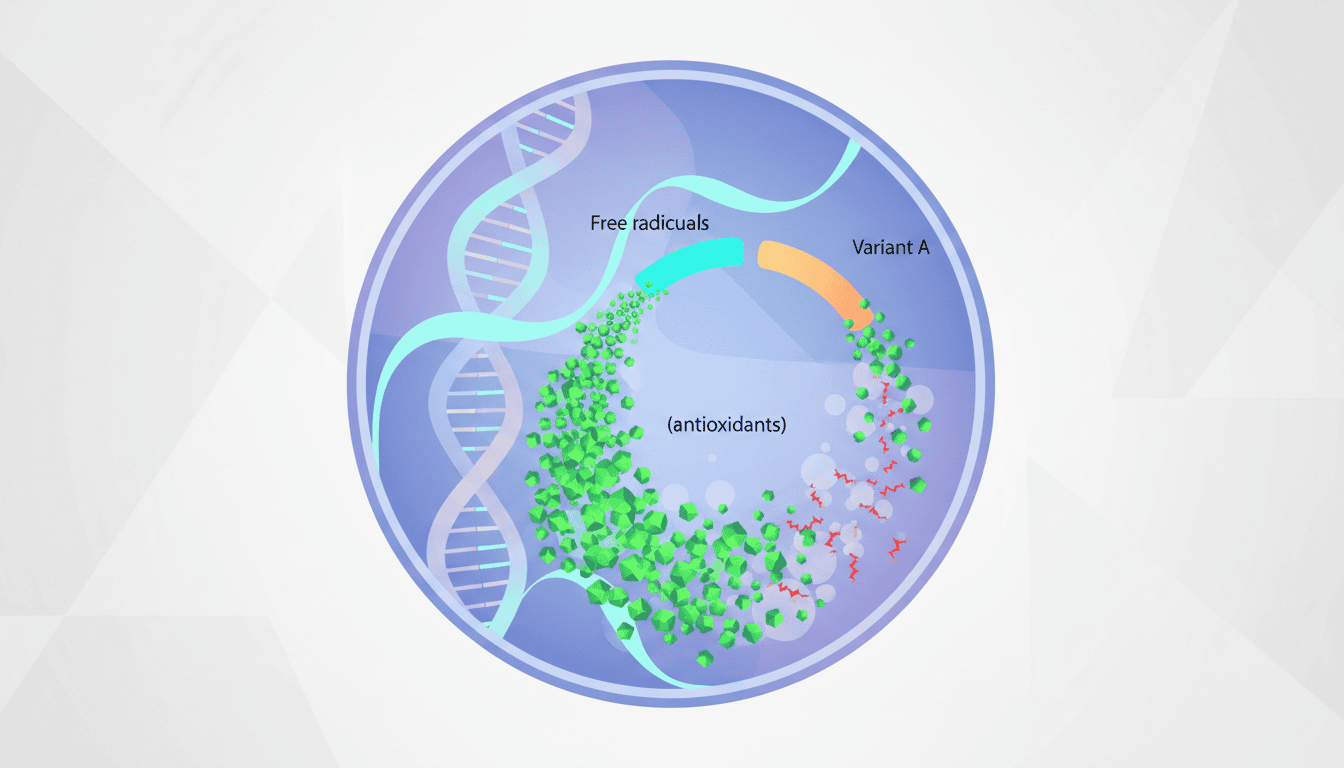
Cells produce energy constantly, and that process creates waste products called free radicals. These unstable molecules are like sparks from a fire, chemically reactive and looking to grab electrons from nearby molecules. When antioxidants neutralise them, everything stays balanced. When free radicals outnumber defences, oxidative stress takes hold and cells start accumulating damage.
Environmental toxins accelerate this problem. Air pollution, heavy metals, pesticides, and cigarette smoke all generate extra free radicals or deplete the antioxidant systems cells rely on. Your body recognises this threat and activates defence genes to produce more protective enzymes. But here’s what’s interesting: not everyone’s cells respond with equal vigour. The speed and strength of that response depends heavily on what genetic variants you carry.
What the research shows
Scientists studying large populations have identified multiple genetic variations that influence oxidative stress responses. Some variants affect genes encoding antioxidant enzymes like superoxide dismutase and glutathione peroxidase. Others influence genes that control how cells detect oxidative stress in the first place, like NRF2, which acts as a master switch for activating protective pathways.
When researchers expose cells carrying different variants to the same oxidative stressor, the differences become obvious. Cells with certain genetic variants mount a faster, more robust response. They produce more antioxidant enzymes, repair DNA damage more efficiently, and recover more quickly. Other variant combinations result in slower, weaker responses. The same level of toxin exposure produces measurably different amounts of cellular damage depending on which genes you inherited.
Population studies show this plays out in real exposure scenarios too. People with particular genetic variants show less oxidative stress markers in their blood after air pollution exposure. Others show more. These aren’t tiny differences either. Some variants can shift oxidative stress response by 20, 30, or even 40 percent compared to the population average.
Why cells need this
Evolution didn’t equip all humans identically because our ancestors faced wildly different environments. Populations exposed to high background oxidative stress for thousands of years would naturally select for genetic variants that produced stronger defences. Populations with less environmental stress might not have faced the same selection pressure. Your genes represent solutions your ancestors developed for the specific challenges they encountered.
The oxidative stress response system itself is remarkably sophisticated. When cells detect free radicals building up, they trigger signalling cascades that activate dozens of protective genes simultaneously. This happens within minutes. Your cells produce more antioxidant enzymes, activate DNA repair machinery, and upregulate genes that help remove damaged proteins. It’s a coordinated emergency response that relies on rapid detection and communication. The speed of that detection, and how thoroughly it activates defences, varies based on your genetic makeup.
What affects oxidative stress responses
Genetic variants set the baseline, but they’re not destiny. Environmental factors modulate how strongly your genes express these protective pathways. Chronic toxin exposure can actually shift response patterns over time, sometimes exhausting protective systems if exposure exceeds what your particular genetic setup can handle.
Age matters significantly. Oxidative stress responses tend to decline with age, partly because cells produce fewer antioxidant enzymes and partly because signalling pathways become less efficient. Someone with a genetic variant that produces normally robust responses in youth might find those responses becoming sluggish by their 50s or 60s. Lifestyle factors compound this. Diet composition, exercise patterns, smoking status, and sleep quality all influence how much oxidative stress your cells experience and how effectively they can mount defences.
Other genetic variations also interact with oxidative stress responses. Some affect genes involved in inflammation, others influence how efficiently cells absorb or excrete toxins. Your total genetic risk profile involves hundreds of small effects across many genes, not just a single variant determining your fate.
What remains unknown
Researchers still can’t predict individual responses with high accuracy. We know which genetic variants influence oxidative stress defences, but translating that knowledge into reliable predictions about how a specific person will respond to a specific toxin remains difficult. The interactions between dozens of genetic variants create complexity that statistical models struggle to capture.
We’re also still figuring out how environmental stressors interact with genetic risk across the lifespan. Does growing up with high pollution exposure prime your cells to develop stronger defences, or does it exhaust them, leaving you more vulnerable later? The evidence is mixed and probably varies depending on which genetic variants you carry. Long-term studies following people with different genetic profiles through decades of varying exposures might answer this, but those studies are expensive and take decades to complete.
The relationship between genetic oxidative stress variants and actual disease risk in real populations also needs more work. Having a genetic variant that produces weaker antioxidant responses sounds problematic, but many people with such variants live perfectly healthy lives. This suggests that genetic predisposition is only part of the story, and environmental and lifestyle factors might matter more than genetic variation alone for determining actual health outcomes.
Your cells are constantly navigating toxin exposure with the genetic tools you inherited. Some of those tools are sharper than others depending on which variants you carry, but that’s far from the whole picture. Understanding how genes influence oxidative stress responses reveals something fundamental about human variation: evolution equipped different populations with different solutions to challenges their ancestors faced. Today, as toxin exposure patterns shift rapidly through urbanisation and globalisation, those ancient genetic adaptations face entirely new tests.

Matt Elliott is the editor of Redox News Today, an independent publication covering peer-reviewed research on cellular health, redox signalling, and related biomedical science.