Your kidneys filter roughly 180 litres of blood every day, removing waste while keeping the good stuff. But when you breathe polluted air, tiny particles and toxic gases don’t just harm your lungs. They trigger a cascade of cellular damage that reaches your kidneys, overwhelming their natural defences and damaging the cellular powerhouses that keep these vital organs running.
What is pollution-induced kidney damage
Air pollution creates kidney problems through a two-step cellular assault. First, pollutants like fine particulate matter (PM2.5), nitrogen dioxide, and ozone enter your bloodstream through your lungs. These particles are so small they slip past most of your body’s barriers.
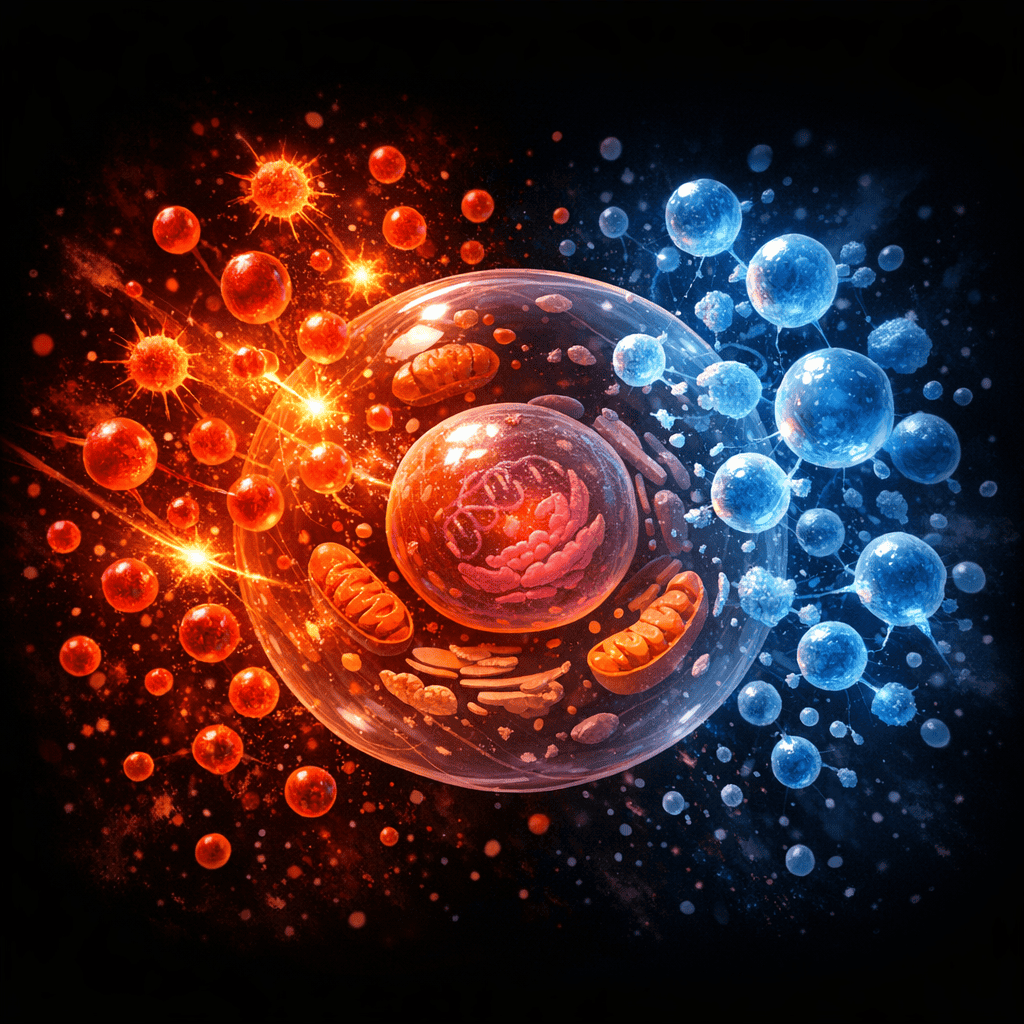
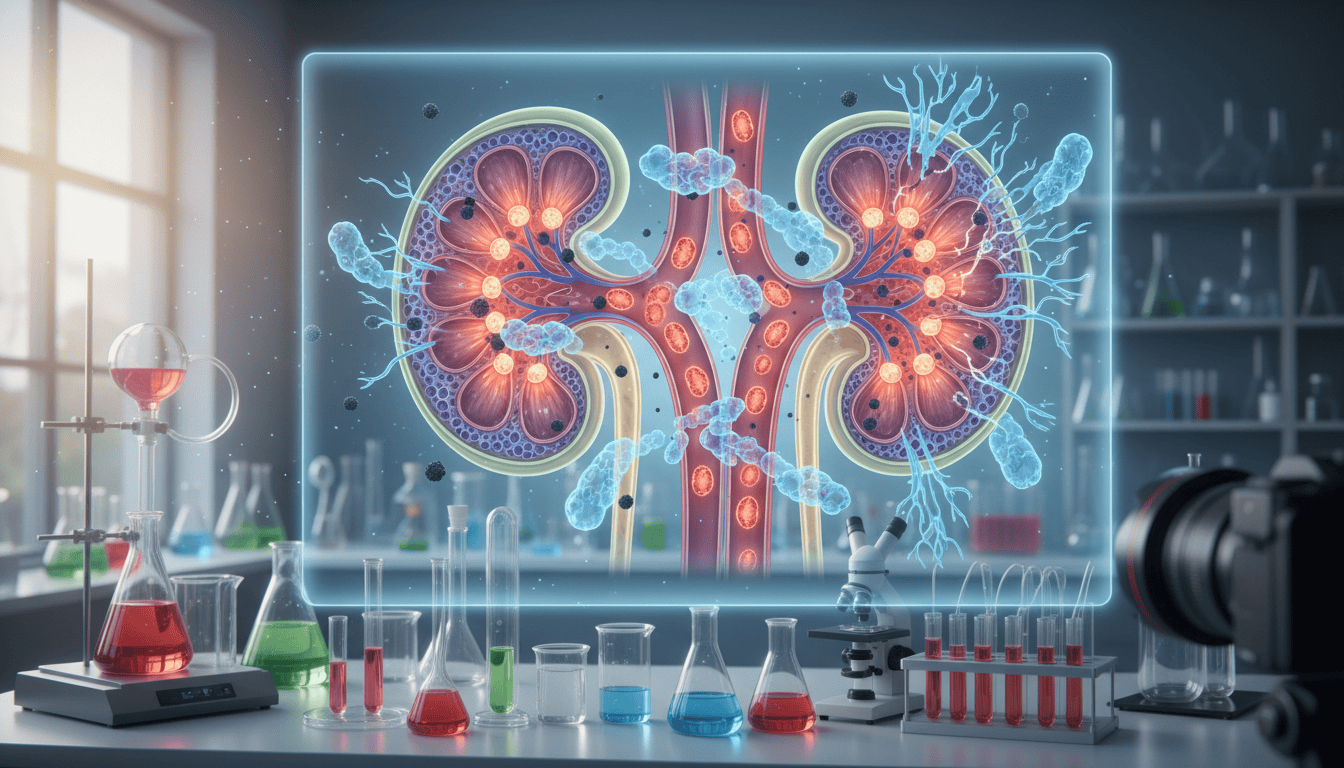
Once in circulation, they reach your kidneys’ filtering units called nephrons. Each kidney contains about a million of these microscopic filters. The nephrons work overtime to remove the foreign particles, but this extra work comes at a cost. The cellular machinery starts producing excess reactive oxygen species.
Think of it like revving a car engine too hard. The mitochondria in kidney cells begin generating more free radicals than the cell’s antioxidant systems can handle. This imbalance damages cellular membranes, proteins, and DNA. The kidney cells that line your filtering system take the biggest hit.
What the research shows
Studies tracking people in polluted cities show clear patterns. Researchers found that when air pollution levels spike, kidney function markers in blood tests worsen within days. People living near busy roads have measurably higher rates of chronic kidney disease than those in cleaner areas.
Laboratory studies reveal the cellular mechanisms behind these observations. When scientists expose kidney cells to pollution extracts, the cells’ mitochondria start malfunctioning within hours. The mitochondrial membranes become leaky. Energy production drops while free radical production soars.
The damage shows specific signatures. Pollution exposure increases levels of 8-hydroxy-2-deoxyguanosine, a marker that appears when DNA gets oxidised. Kidney cells also release more inflammatory proteins called cytokines. These molecular distress signals attract immune cells, creating additional inflammation that can damage healthy tissue.
Long-term exposure studies paint an even starker picture. Animals exposed to polluted air for months develop kidney scarring and reduced filtering capacity. The mitochondria in their kidney cells shrink and lose their characteristic folded structure.
Why cells need this protection
Your kidneys evolved sophisticated defences because they process such enormous volumes of potentially toxic material. Under normal conditions, kidney cells produce high levels of antioxidant enzymes like catalase and superoxide dismutase. These molecular cleaners neutralise free radicals before they can cause damage.
The kidneys also concentrate certain substances as they filter blood. This concentration process naturally increases the risk of oxidative reactions. Evolution equipped kidney cells with extra mitochondria to power the energy-intensive filtering process, but this also makes them vulnerable when the system gets overwhelmed.
Healthy mitochondria can switch between different metabolic pathways depending on cellular needs. When working properly, they maintain tight control over free radical production. But pollution disrupts this delicate balance, forcing the cellular powerhouses to work in conditions they weren’t designed for.
What affects kidney vulnerability
Age makes kidney cells more susceptible to pollution damage. Older mitochondria have accumulated more wear and tear over time. Their antioxidant defences weaken while their free radical production often increases. This explains why elderly people show stronger associations between air pollution and kidney problems.
Existing health conditions compound the problem. People with diabetes or high blood pressure already have compromised kidney function. Their kidney cells work harder under baseline conditions, leaving less reserve capacity to handle pollution-induced stress.
Diet influences how well kidney cells cope with oxidative damage. Antioxidant-rich foods provide raw materials for cellular defence systems. Physical activity affects kidney blood flow and cellular metabolism, potentially influencing how efficiently cells can repair pollution damage.
Genetic variations also matter. Some people inherit more efficient versions of antioxidant enzymes, while others have genetic variants that make their mitochondria more vulnerable to oxidative stress. These differences help explain why pollution affects kidney function more severely in some individuals.
What remains unknown
Scientists still debate which pollutants cause the most kidney damage. Different particles and gases likely trigger distinct cellular pathways, but researchers haven’t mapped all these mechanisms. The timing of exposure matters too, though the optimal recovery periods between pollution episodes remain unclear.
The reversibility of pollution-induced kidney damage presents another puzzle. Some cellular changes appear permanent while others resolve when exposure stops. Researchers don’t fully understand what determines whether kidney cells can recover their normal function.
Individual variation in susceptibility needs more investigation. Current studies can identify population-level risks, but predicting how pollution will affect any specific person remains difficult. The interaction between multiple pollutants also requires more research, since real-world air contains complex mixtures rather than single compounds.
The air we breathe shapes our cellular health in ways we’re only beginning to understand. Kidney cells, evolved to filter and clean, find themselves overwhelmed by the molecular debris of modern life. Each breath in a polluted environment sets off microscopic battles between cellular defences and oxidative damage. Understanding these mechanisms reveals how deeply environmental quality affects our most basic biological processes.

Matt Elliott is the editor of Redox News Today, an independent publication covering peer-reviewed research on cellular health, redox signalling, and related biomedical science.