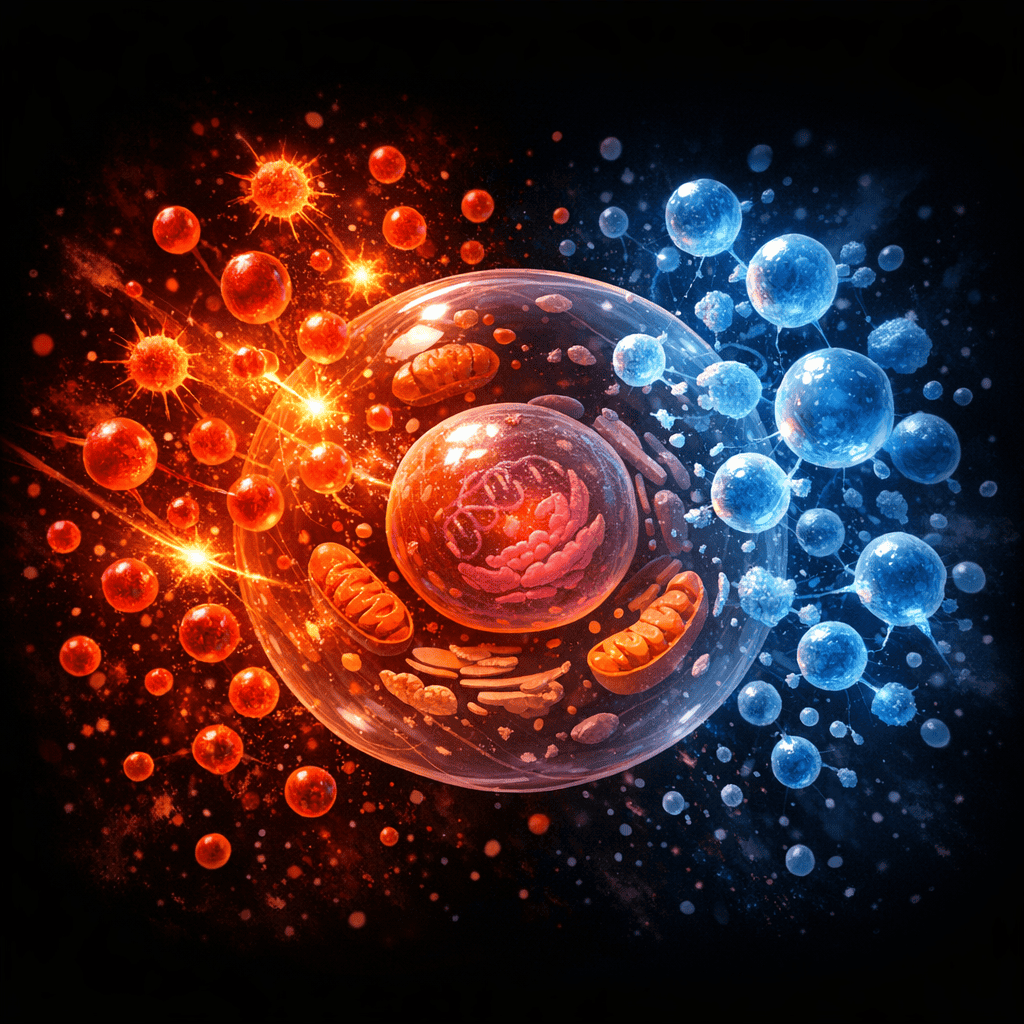
Your cells treat iron like a dangerous tool that must be handled with extreme care. Too little, and essential processes shut down. Too much, and iron generates reactive molecules that can tear through cellular structures like molecular shrapnel. Nicotine disrupts this delicate balance, triggering a cascade of oxidative damage that researchers are only beginning to understand.
What is iron homeostasis
Iron homeostasis refers to the tightly controlled system that manages iron levels throughout your body and within individual cells. Think of it as a sophisticated logistics network with multiple checkpoints and fail-safes.
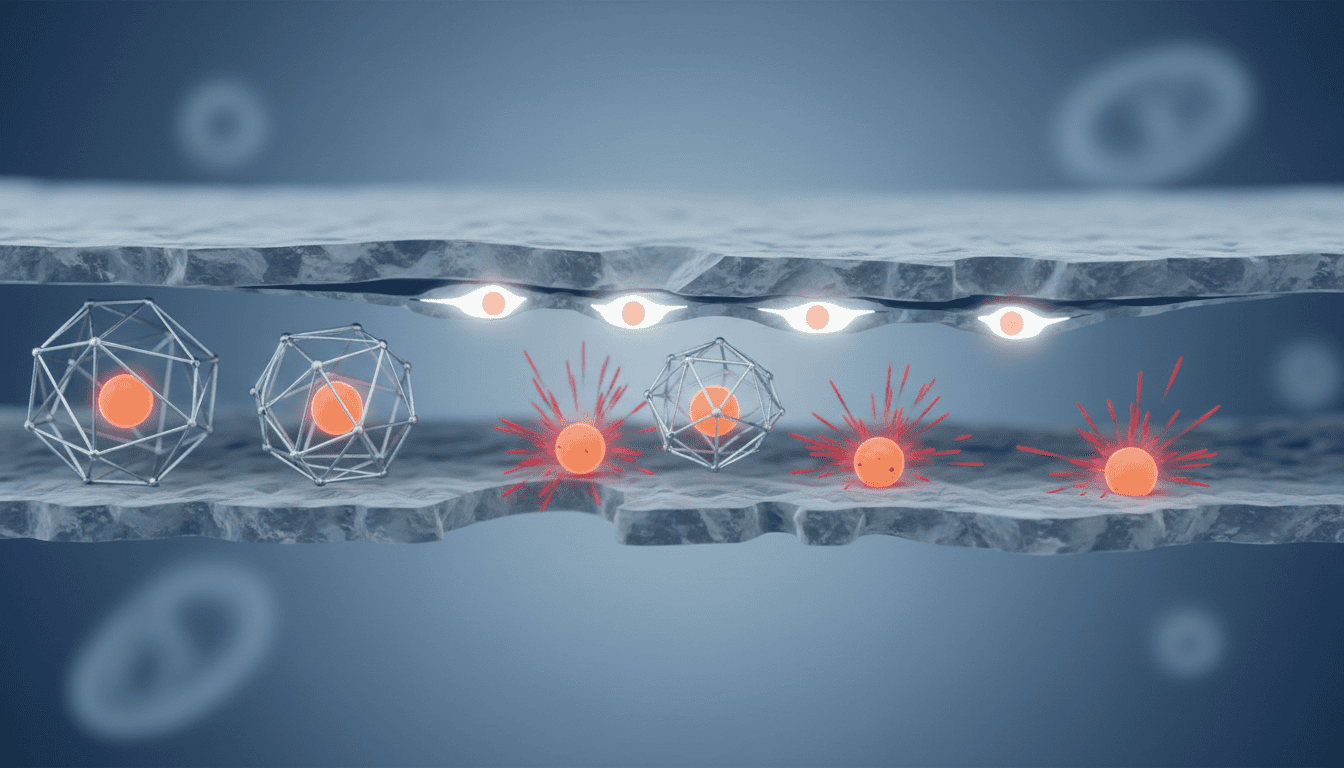
At the cellular level, iron enters through specific transporters and gets immediately chaperoned by protective proteins. The cell stores excess iron inside ferritin, a spherical protein cage that keeps the metal safely contained. When cells need iron for processes like energy production or DNA synthesis, they release it under strict supervision.
The system works because iron exists in two forms. Ferrous iron (Fe2+) participates in essential reactions but can also catalyse the formation of hydroxyl radicals through the Fenton reaction. Ferric iron (Fe3+) is more stable but less biologically active. Cells constantly shuttle iron between these states while monitoring total levels through regulatory proteins like iron regulatory proteins (IRPs) and hepcidin.
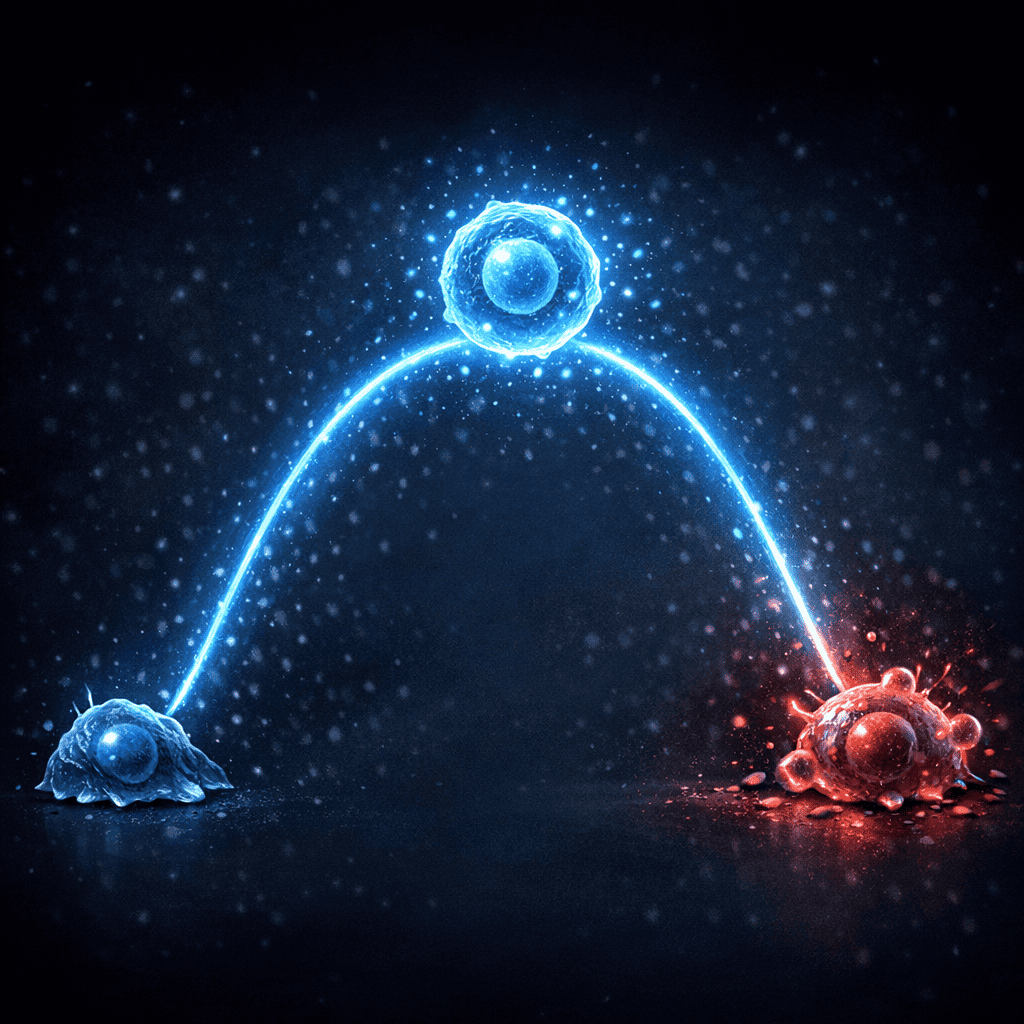
When this system fails, cells face a choice between iron deficiency and iron toxicity. Neither option ends well.
What the research shows
Studies examining nicotine’s effects on iron metabolism reveal a pattern of disruption across multiple regulatory mechanisms. Researchers have observed that nicotine exposure alters the expression of key iron transport proteins, particularly increasing levels of divalent metal transporter 1 (DMT1) in certain cell types.
This change doesn’t happen in isolation. Nicotine appears to interfere with the normal sensing mechanisms that cells use to gauge their iron status. The iron regulatory proteins that normally fine-tune iron uptake and storage become less responsive to actual iron levels, leading to inappropriate iron accumulation.
Laboratory studies show that cells exposed to nicotine demonstrate increased levels of reactive oxygen species, particularly in the presence of iron. The combination creates a feedback loop where iron-generated oxidative stress damages the very proteins responsible for iron regulation, leading to further dysregulation.
Researchers have also documented changes in mitochondrial iron handling following nicotine exposure. These cellular powerhouses normally maintain their own iron pools for haem synthesis and iron-sulphur cluster formation, but nicotine disrupts this specialised metabolism, contributing to mitochondrial dysfunction.
Why cells need iron regulation
Evolution preserved elaborate iron control mechanisms because iron presents a fundamental biological paradox. Life absolutely requires iron for basic processes, yet the same properties that make iron useful also make it dangerous.
Iron sits at the heart of haemoglobin, allowing blood to carry oxygen. It forms the reactive centres of numerous enzymes involved in energy production, DNA synthesis, and cellular repair. Without adequate iron, cells cannot maintain their basic functions, leading to the characteristic fatigue and dysfunction seen in iron deficiency.
But iron’s reactivity becomes destructive when poorly controlled. Free iron catalyses the conversion of hydrogen peroxide into hydroxyl radicals, among the most damaging reactive oxygen species cells encounter. These radicals attack lipids in cell membranes, proteins throughout the cell, and DNA in the nucleus, causing mutations and cellular death.
The regulatory system evolved to thread this needle, ensuring adequate iron availability while preventing accumulation. Cells that lost this control would have been eliminated by oxidative damage, explaining why iron homeostasis involves so many redundant protective mechanisms.
What affects iron homeostasis
Beyond nicotine, multiple factors influence how well cells manage their iron levels. Age represents a significant variable, as the proteins responsible for iron regulation become less efficient over time, leading to gradual iron accumulation in many tissues.
Dietary factors play obvious roles, but not always in expected ways. High iron intake can overwhelm regulatory mechanisms, while certain compounds in tea and coffee can inhibit iron absorption. Vitamin C enhances iron uptake but also helps regenerate antioxidant systems that protect against iron-mediated damage.
Chronic inflammation disrupts iron homeostasis through the hormone hepcidin, which blocks iron absorption and traps iron in cells. This explains why inflammatory conditions often coincide with both iron deficiency anaemia and tissue iron overload.
Genetic variations in iron-related proteins create individual differences in iron handling capacity. Some people naturally accumulate more iron, while others struggle to maintain adequate levels even with sufficient dietary intake.
Other substances beyond nicotine can also disrupt iron regulation, including alcohol, certain medications, and environmental toxins that interfere with iron-sensing proteins.
What remains unknown
Researchers still grapple with fundamental questions about how nicotine specifically targets iron regulatory mechanisms. The molecular pathways linking nicotine exposure to changes in iron transport protein expression remain incompletely mapped.
The timing and reversibility of nicotine-induced iron dysregulation need clarification. Scientists don’t yet know whether these effects develop immediately upon exposure, require chronic nicotine presence, or persist after nicotine clearance.
Individual variation in susceptibility represents another major unknown. Some people may possess genetic or physiological factors that protect against nicotine’s effects on iron homeostasis, while others might be particularly vulnerable.
The interaction between nicotine and other factors affecting iron regulation also requires investigation. How does nicotine influence iron homeostasis in people with existing iron disorders, inflammatory conditions, or specific genetic variants?
Perhaps most importantly, researchers are still determining which cellular consequences of nicotine-induced iron dysregulation matter most for overall cellular health and function.
This research illuminates how substances can disrupt cellular function through unexpected pathways. Nicotine’s interference with iron homeostasis represents just one example of how drugs and toxins can exploit the complex regulatory networks that keep our cells functioning. Understanding these interactions helps explain why cellular damage often involves multiple, interconnected systems rather than single, isolated mechanisms.

Matt Elliott is the editor of Redox News Today, an independent publication covering peer-reviewed research on cellular health, redox signalling, and related biomedical science.