How Brain Cells Dial Down Inflammation After Injury

Featured image for How Brain Cells Dial Down Inflammation After Injury

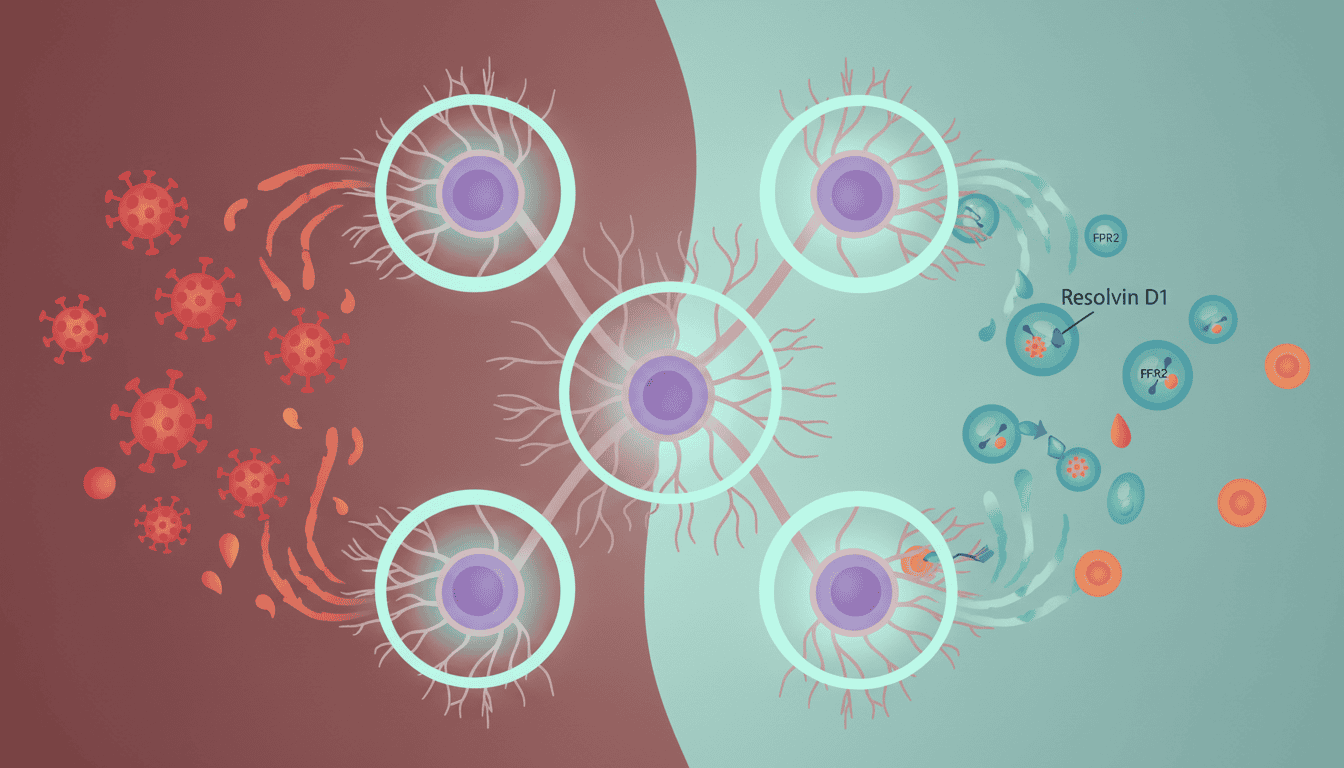
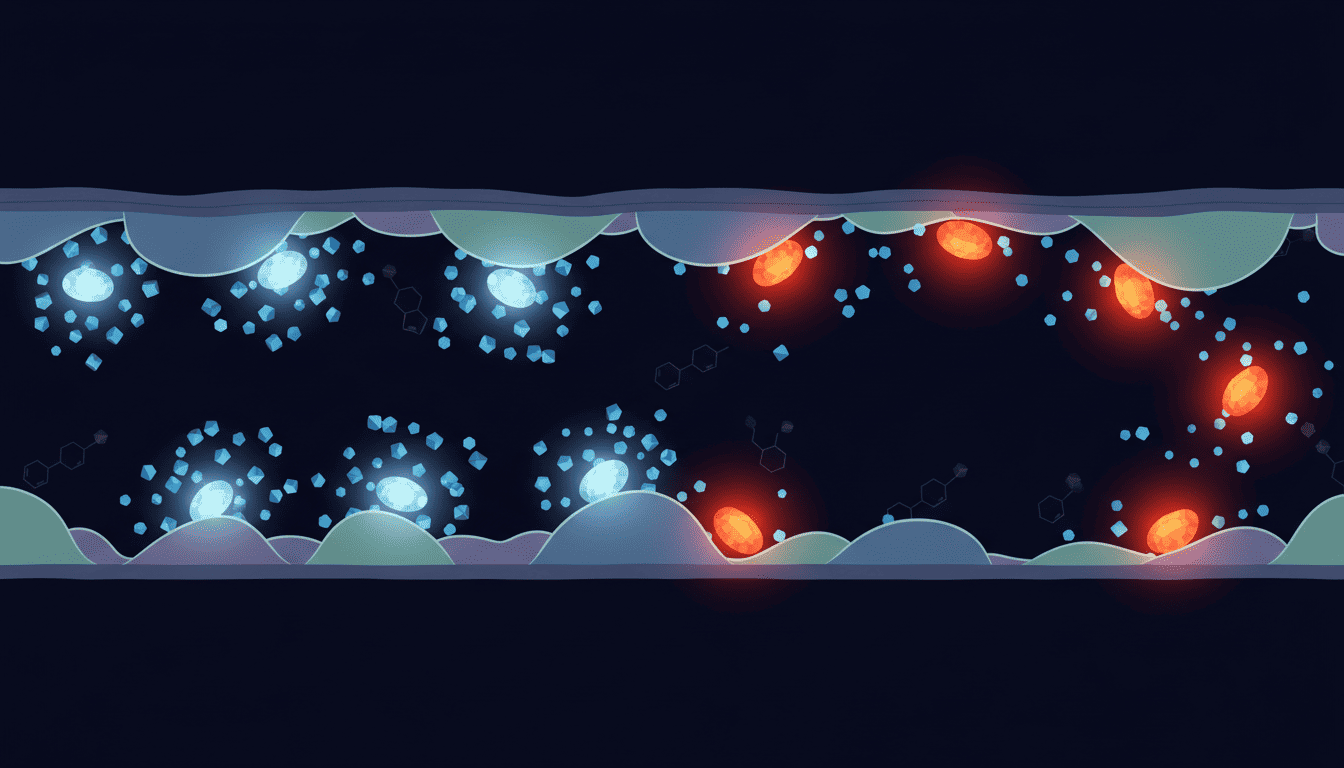
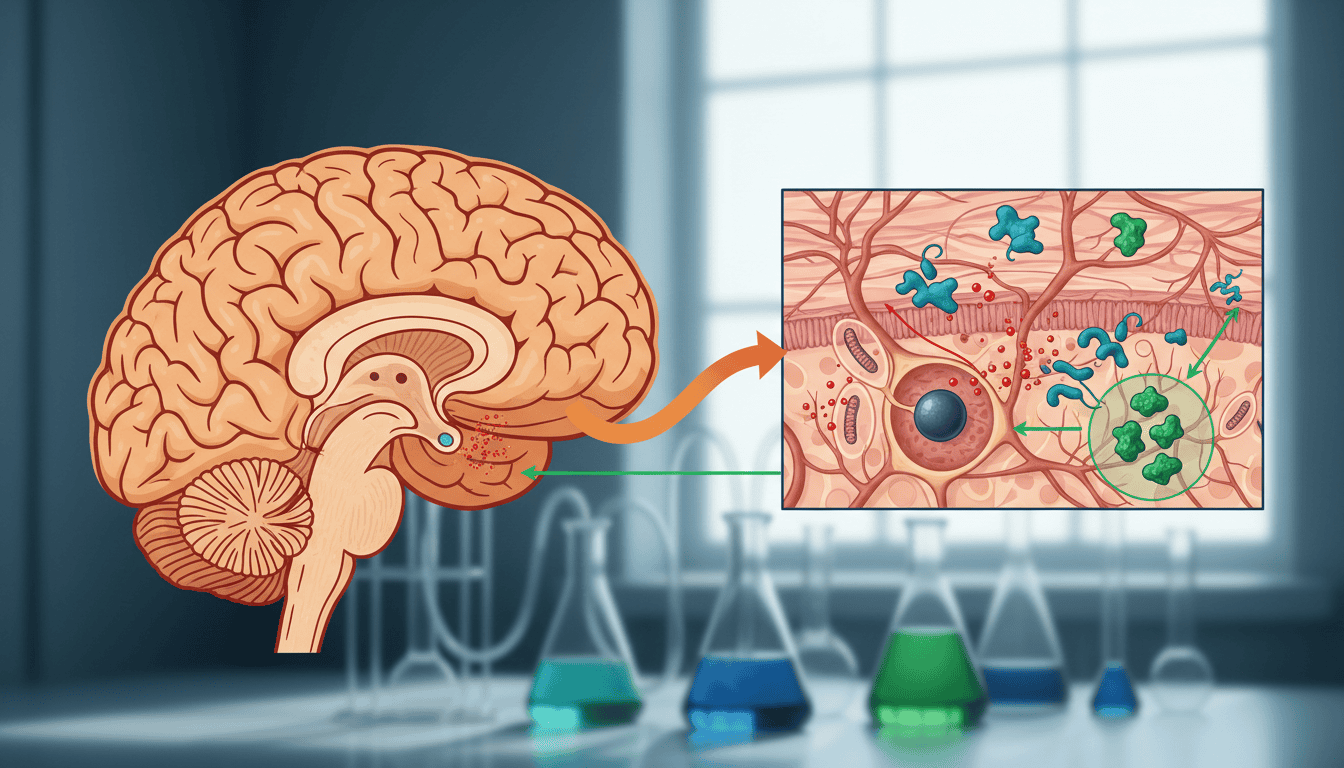
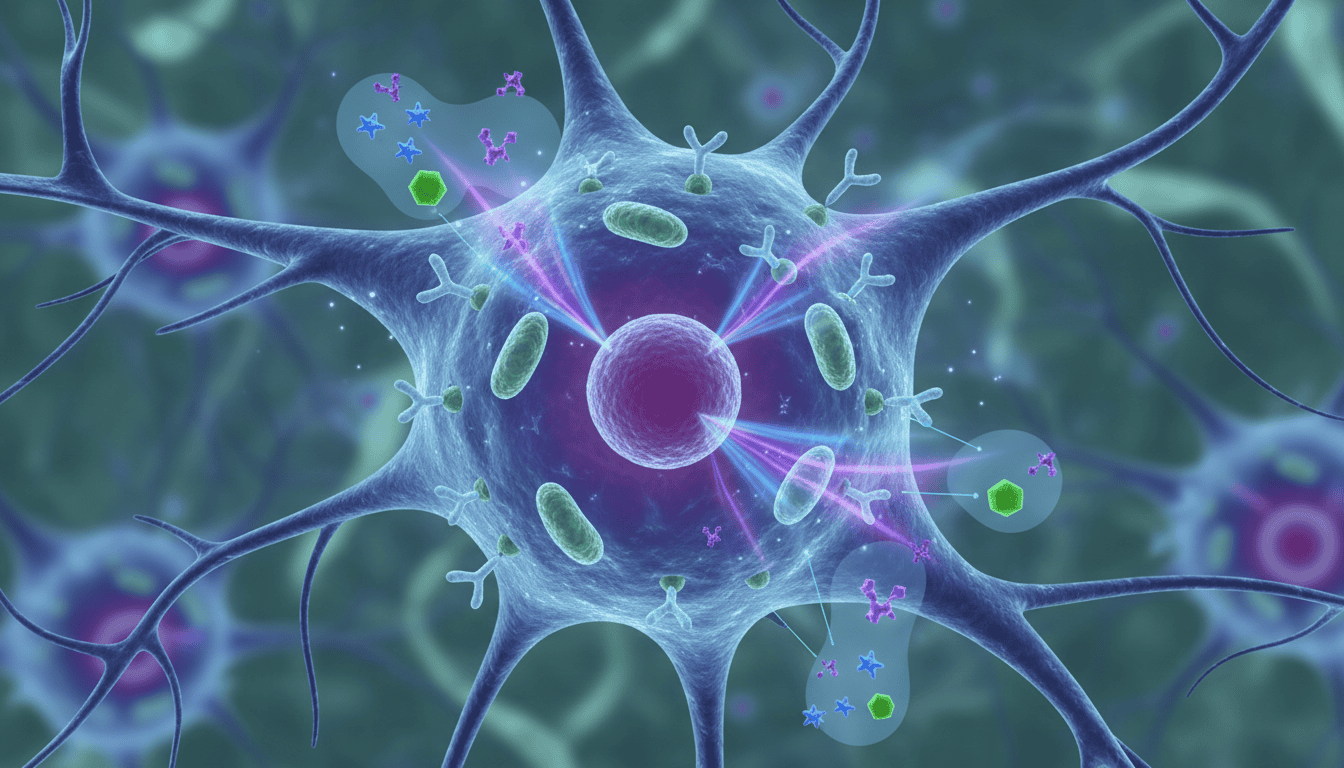
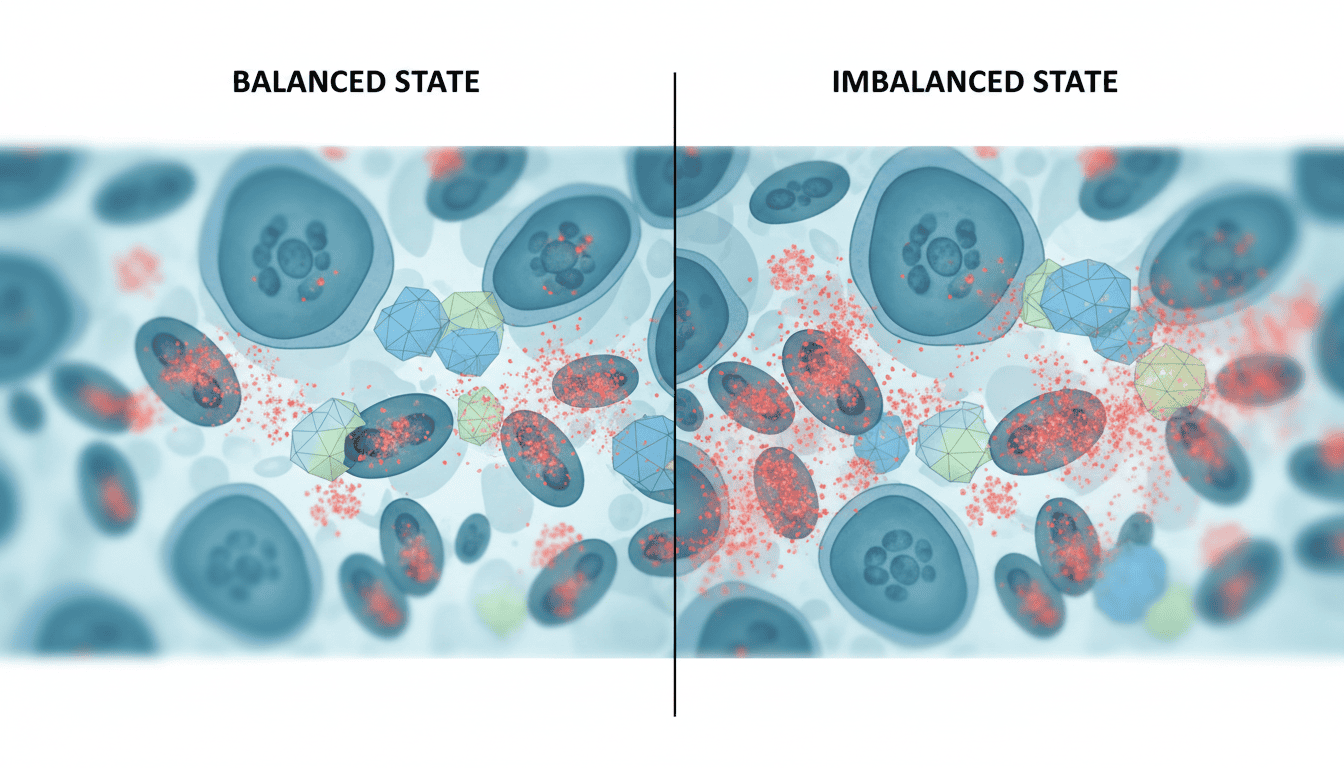
After brain injury, immune cells flood the damage site to clean up debris, but uncontrolled inflammation can cause more harm than the original injury. Cells produce a specialised signalling molecule called RvD1 that acts as a biological brake, telling immune cells to shift from attack mode to repair mode.

How Heart Cells Hide from Chemotherapy’s Toxic Fallout

Featured image for How Heart Cells Hide from Chemotherapy's Toxic Fallout

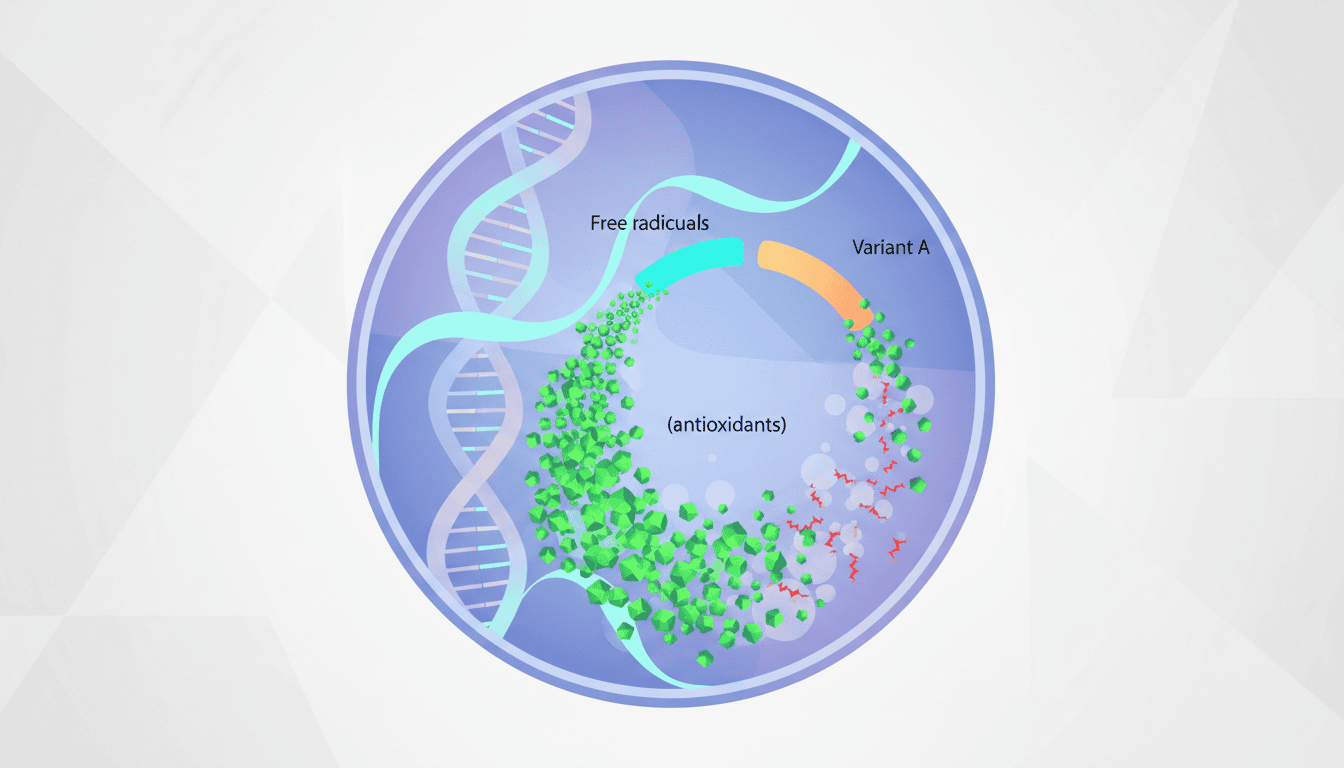
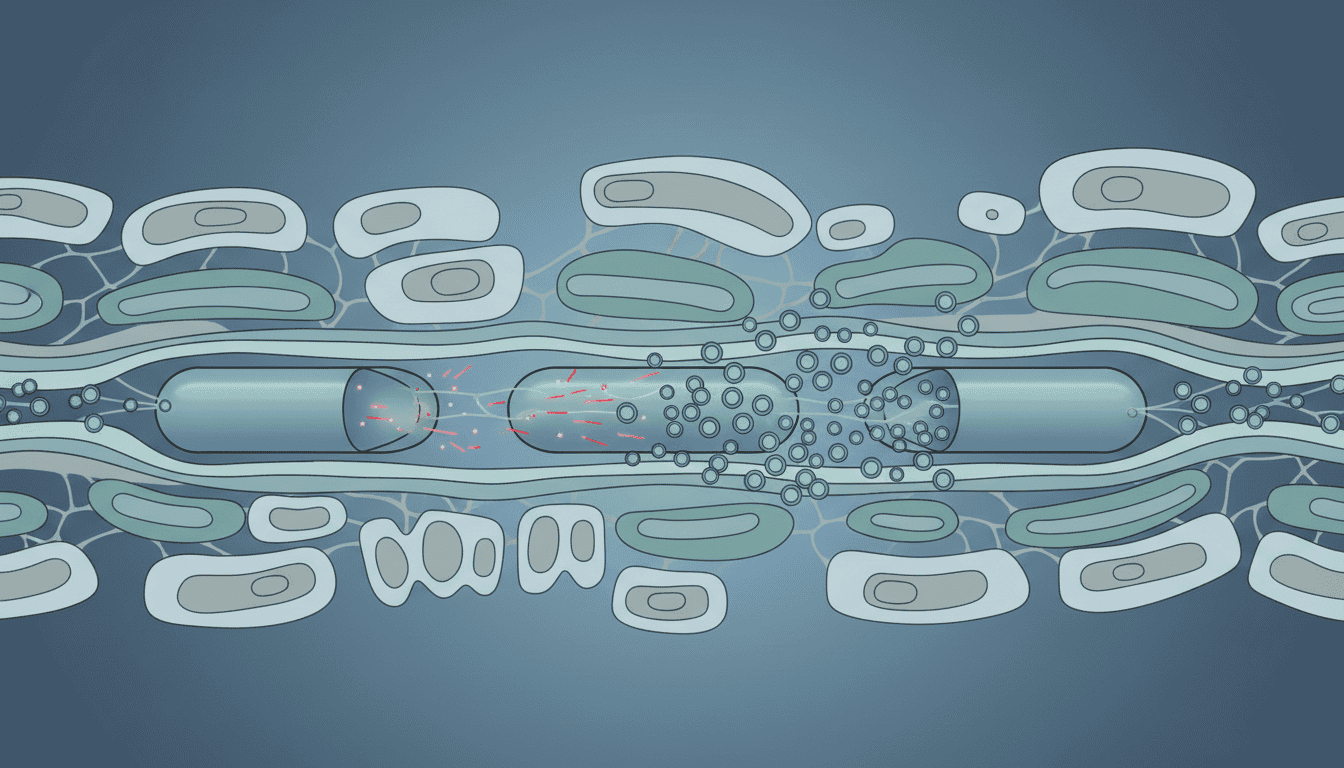
When chemotherapy damages heart cells through oxidative stress, neighbouring cells release tiny protective packages called extracellular vesicles packed with antioxidants and signalling molecules. Research shows this cellular communication network reduces oxidative damage and preserves heart function, though the protective effect decreases with age and existing heart disease.