Cellular rust signals may track how brain diseases unfold
Scientists track molecular damage signatures to understand how brain diseases progress. These oxidative stress biomarkers reveal cellular struggles occurring long before symptoms appear.
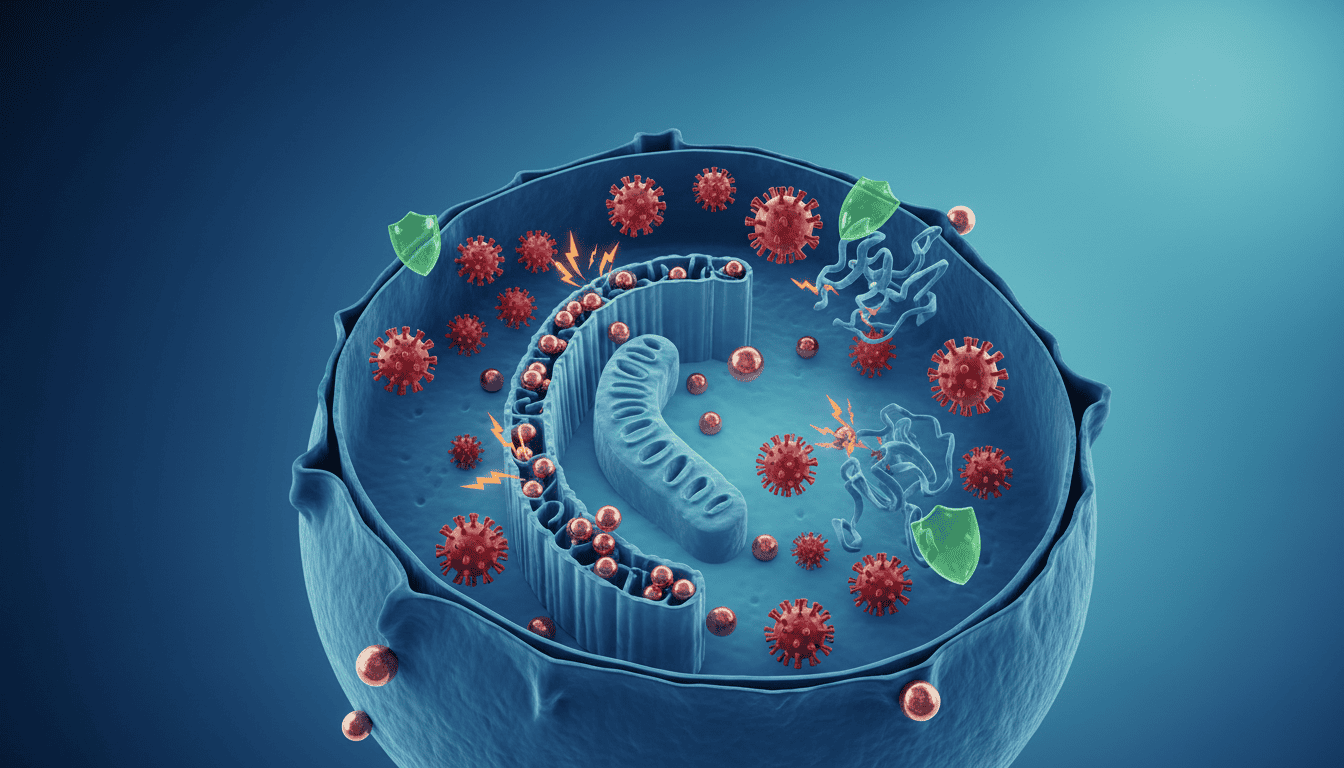
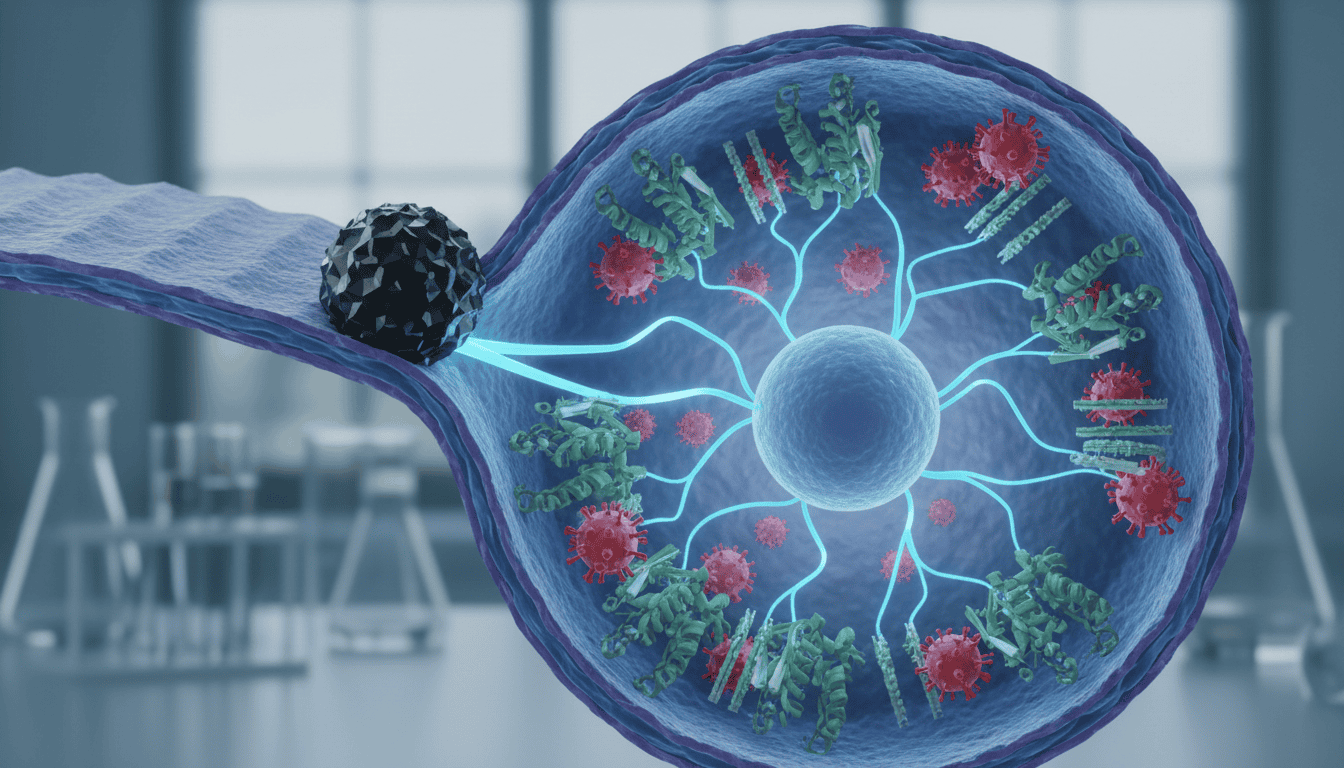
When oxidative stress threatens cellular survival, P53 and PCNA proteins work together as an emergency response team. P53 acts as damage control chief while PCNA coordinates molecular repairs, creating a sophisticated system that decides whether cells should repair themselves or shut down permanently.
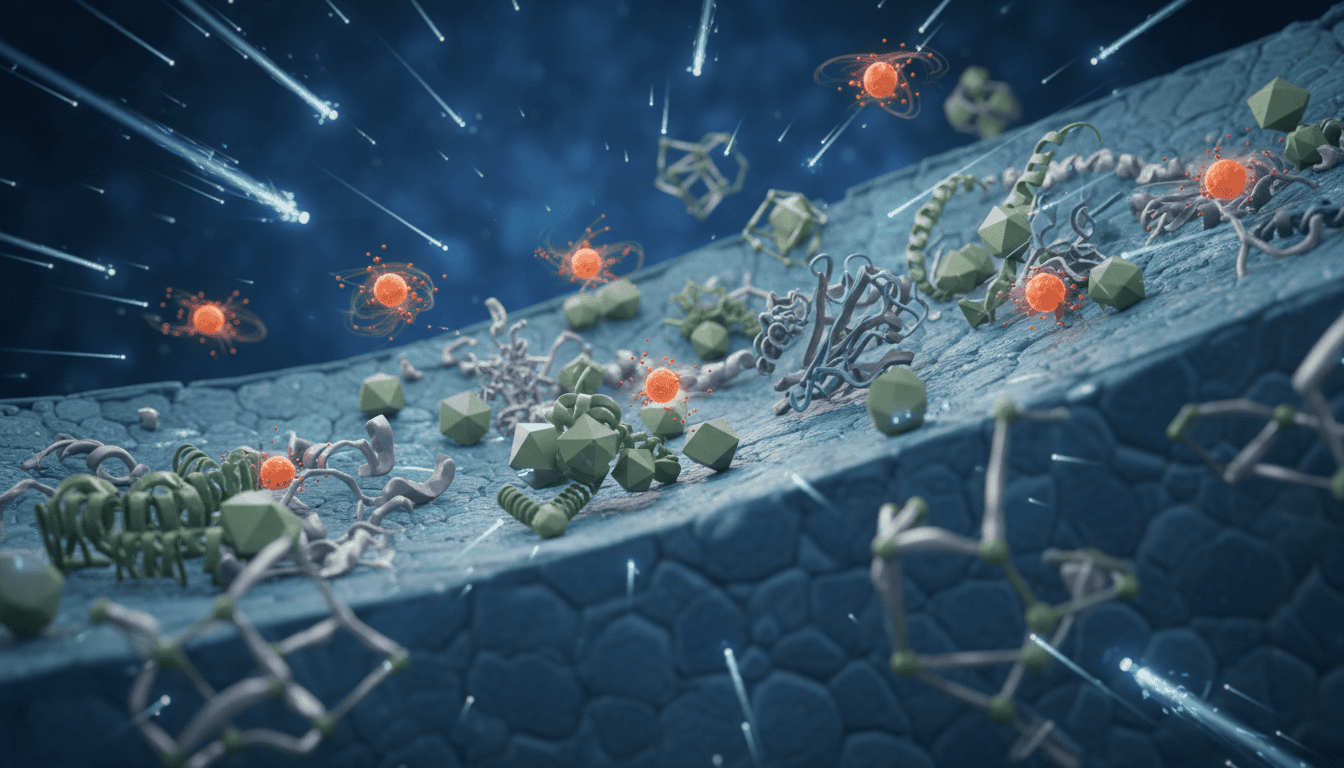
Air pollution particles enter the bloodstream and overwhelm kidney cells, triggering excess free radical production that damages mitochondria. Studies show people in polluted areas develop measurable kidney function decline within days of pollution spikes.
Nicotine disrupts the tightly controlled systems that manage iron levels in cells, leading to iron accumulation and oxidative damage. This interference with iron homeostasis creates a cascade of cellular dysfunction that researchers are still working to understand.
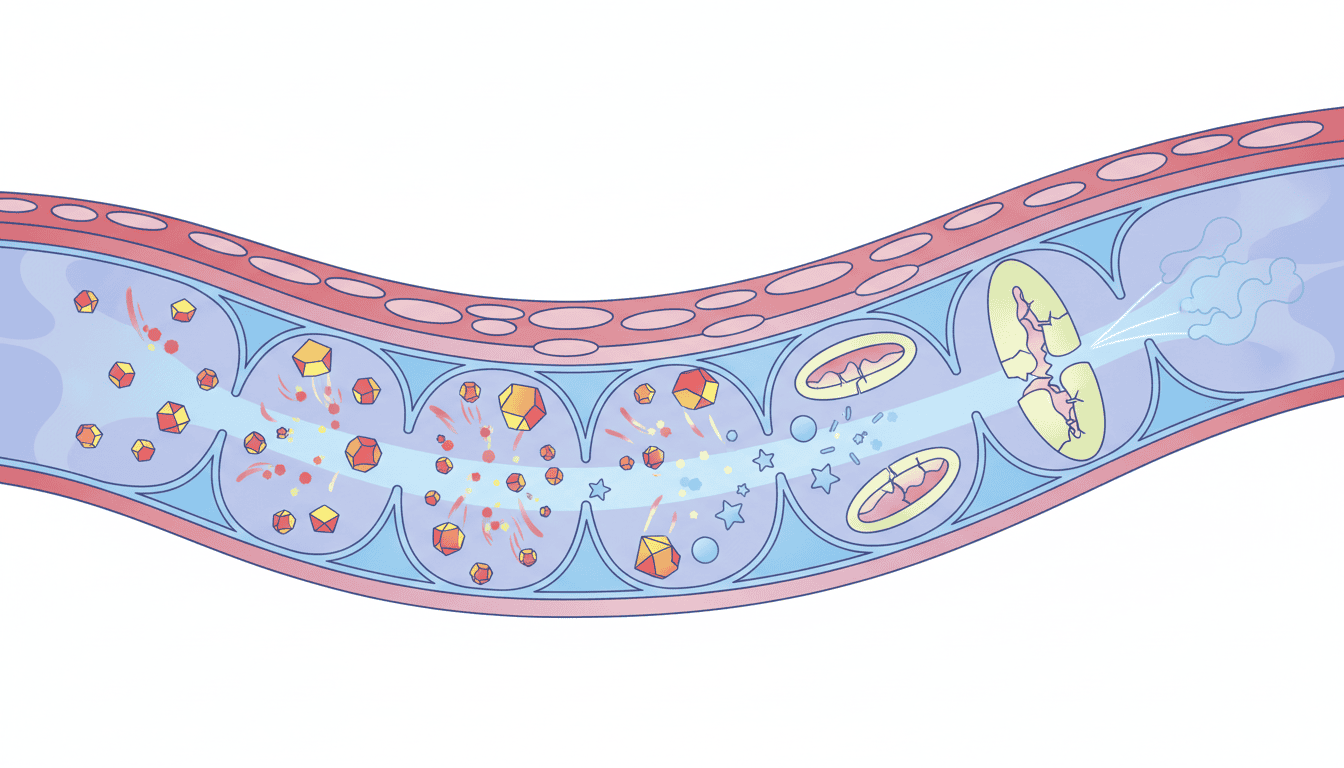
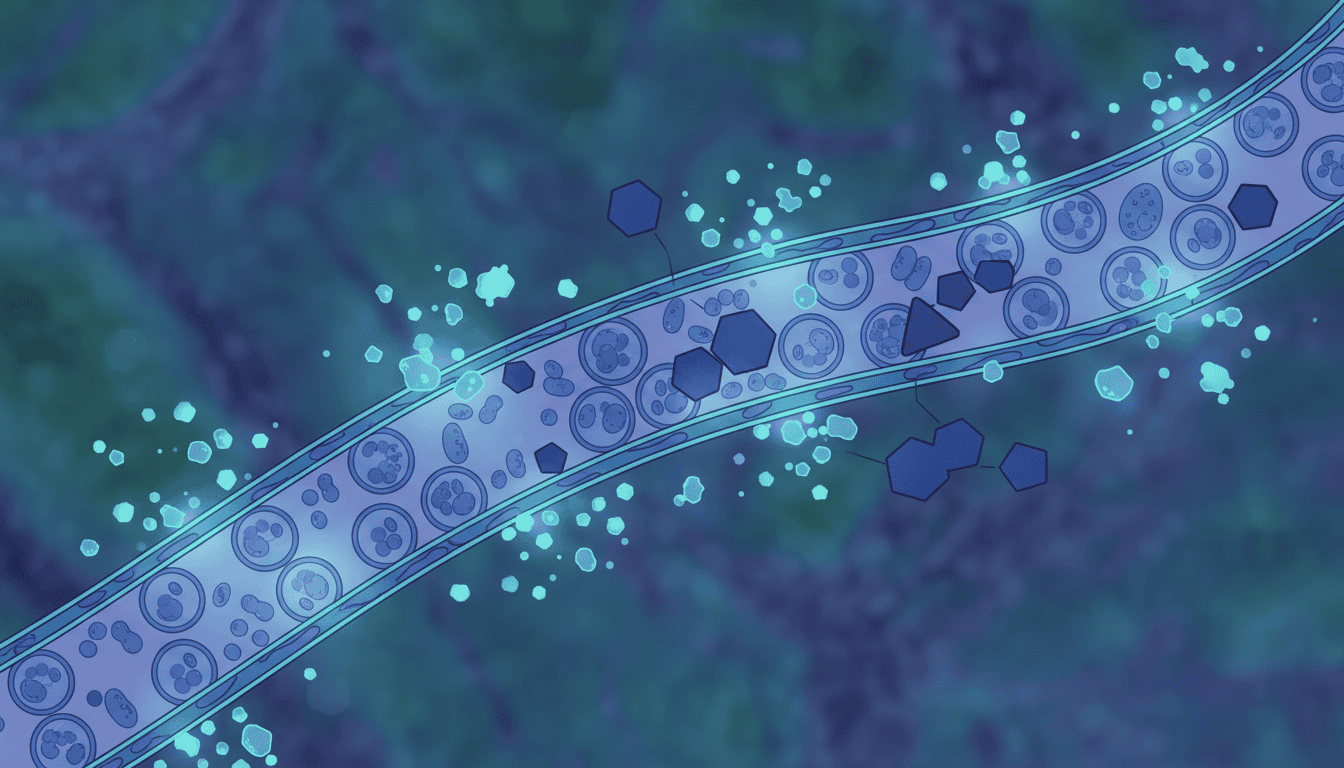
Endothelial cells lining blood vessels use mitochondria as both energy producers and stress sensors, constantly balancing ATP production with reactive oxygen species management. These cellular powerhouses exist in distinct subpopulations that respond differently to blood flow changes and oxidative challenges.
Hydroxyl radicals can destroy DNA in nanoseconds, making them too fast for most cellular defences to intercept. Instead, cells evolved sophisticated prevention strategies that control iron levels and hydrogen peroxide before dangerous chemistry occurs.
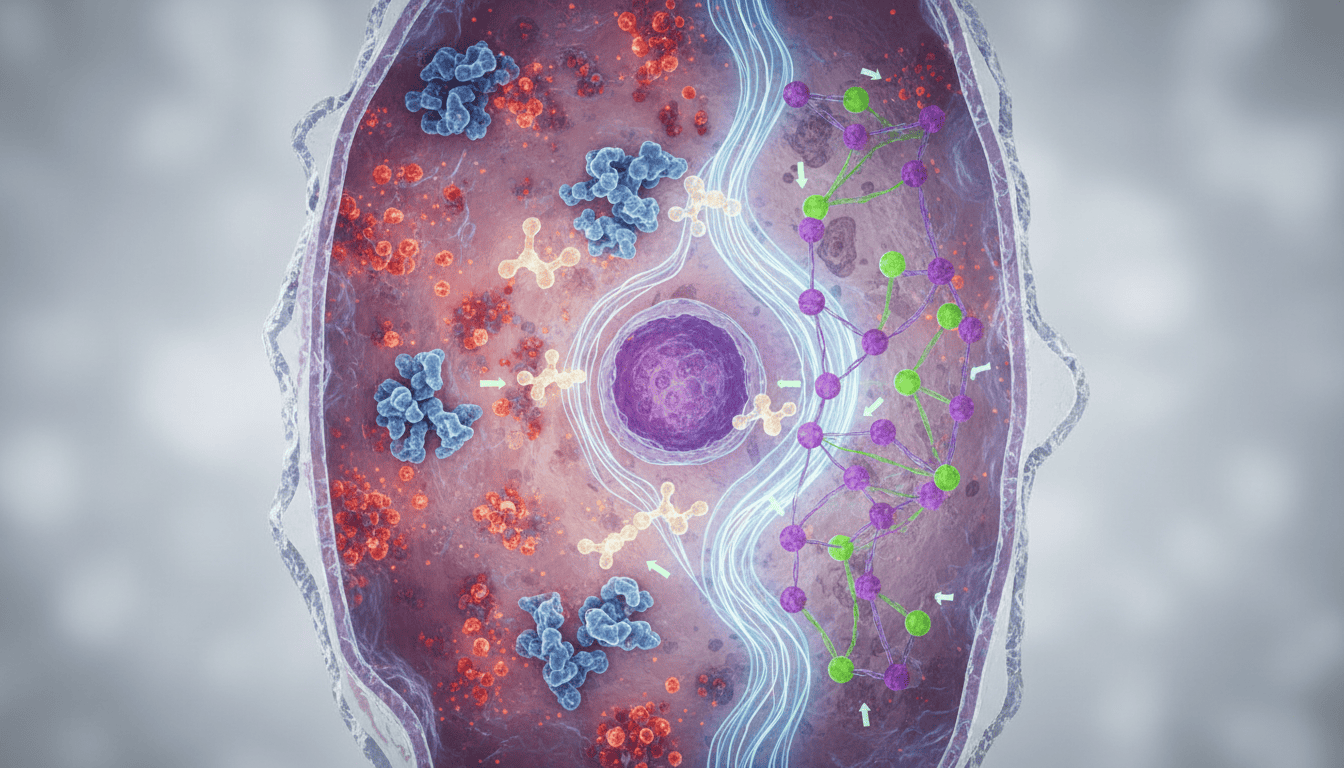
YTHDF1 acts like a cellular librarian, deciding which oxidative stress signals liver cells read and respond to during metabolic disease. When this RNA-reading protein malfunctions, cells lose their ability to mount proper antioxidant defences.
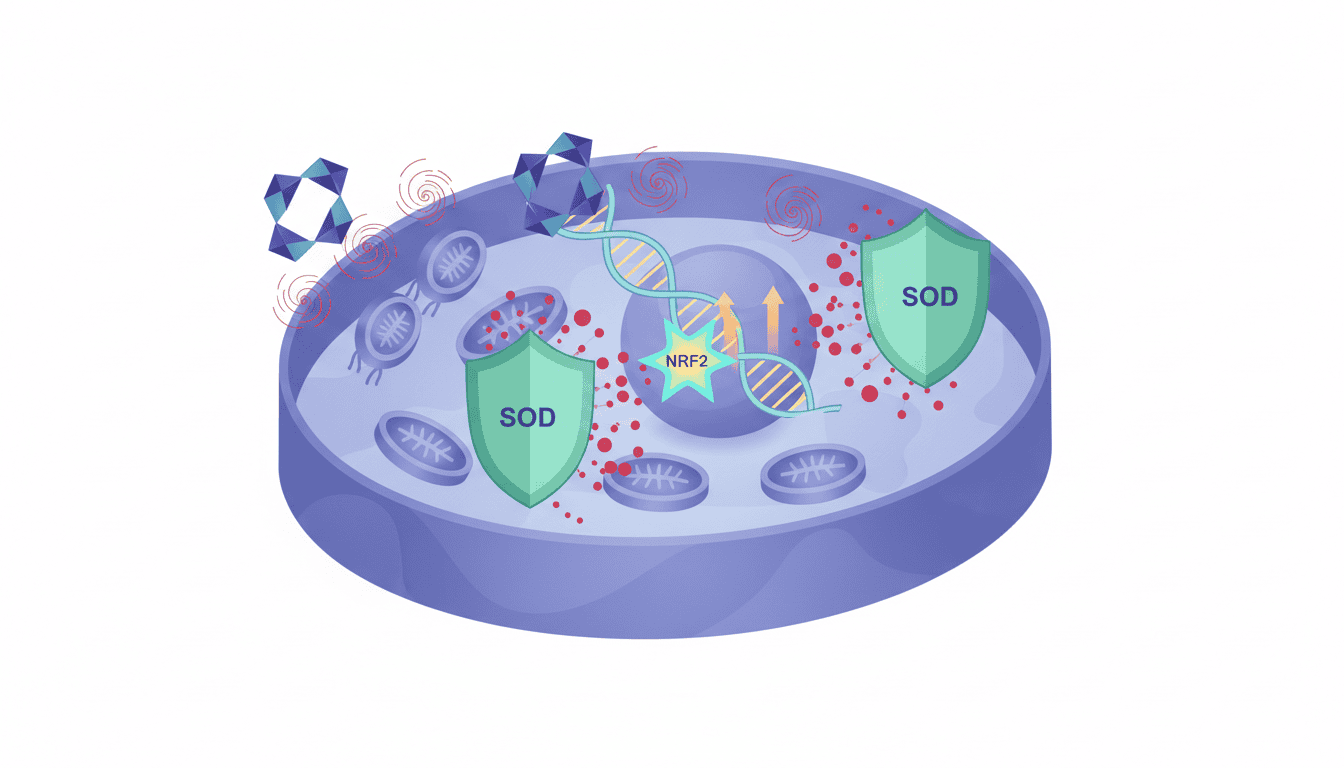
Agarwood phenolics, produced when Aquilaria trees defend against fungal infection, show the ability to influence cellular antioxidant pathways in laboratory studies. These unique compounds may help cells manage oxidative stress through mechanisms involving NRF2 signalling and mitochondrial protection.
E-cigarette vapour triggers oxidative stress in lung cells through heated breakdown products and flavouring compounds that overwhelm cellular antioxidant defences. This leads to inflammatory cytokine release as cells attempt to coordinate a protective response to the chemical assault.
During bacterial infections, immune cells create reactive oxygen species that kill pathogens but also damage healthy tissue. Researchers have found that blocking RAGE receptors can reduce this cellular collateral damage while maintaining antimicrobial responses.
Brain cells produce hydrogen sulfide, the same gas that makes rotten eggs smell terrible, to protect against oxidative damage. Research shows this toxic molecule acts as a sophisticated cellular protector, with reduced levels linked to Alzheimer’s disease progression.
UVB radiation triggers oxidative damage to cellular lipids and proteins in everyone, but research shows this damage becomes significantly more severe in people with obesity. The inflammatory environment created by excess adipose tissue compromises cellular antioxidant defences, leaving cells more vulnerable to UV-induced oxidative stress.