Inside every cell, two proteins work like an emergency response team when oxidative stress threatens to overwhelm cellular defences. P53 acts as the damage control chief, while PCNA functions like a molecular mechanic, coordinating repairs. When oxidative stress levels spike, these proteins don’t just respond randomly—they orchestrate a precise cellular crisis management plan that can mean the difference between cellular survival and death.
What is the P53-PCNA stress response system
P53 earns its nickname as the “guardian of the genome” by constantly monitoring cellular health. When oxidative stress damages DNA or disrupts normal cellular function, P53 detects these problems and decides whether the cell should pause to repair itself or shut down permanently through apoptosis. Think of it as a quality control inspector with the power to stop the production line.
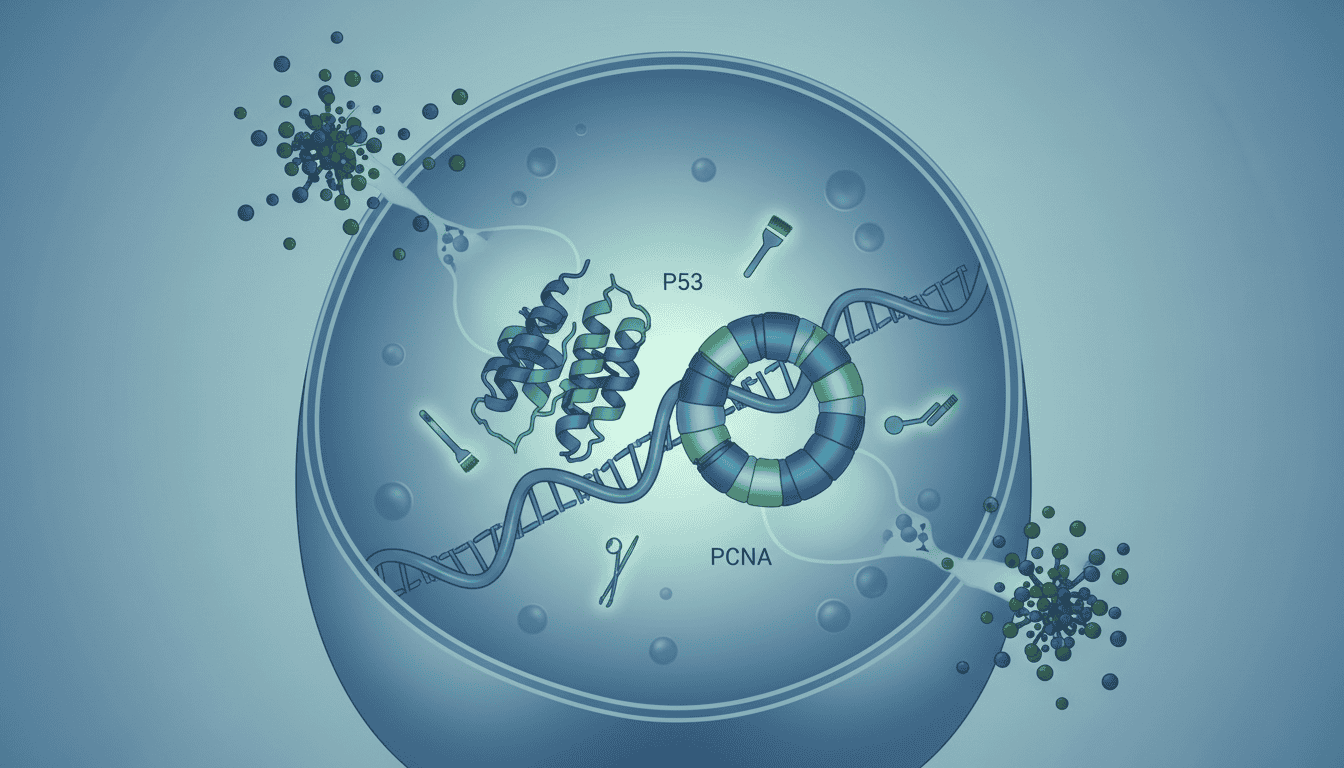
PCNA, meanwhile, stands for Proliferating Cell Nuclear Antigen, though its name understates its true role. This protein coordinates DNA repair by recruiting the right repair enzymes to damaged sites. It slides along DNA strands like a moving platform, bringing together all the molecular tools needed to fix oxidative damage. The two proteins work in tandem—P53 identifies the crisis and makes the big decisions, while PCNA manages the repair crews.
Their signalling pathways intersect at multiple points. When oxidative stress hits, P53 gets activated through phosphorylation, changing its shape and allowing it to bind to specific DNA sequences. This binding switches on genes that either help repair damage or prepare the cell for programmed death. PCNA responds to the same oxidative signals by recruiting DNA polymerases, nucleases, and other repair proteins to fix oxidative lesions in real time.
What the research shows
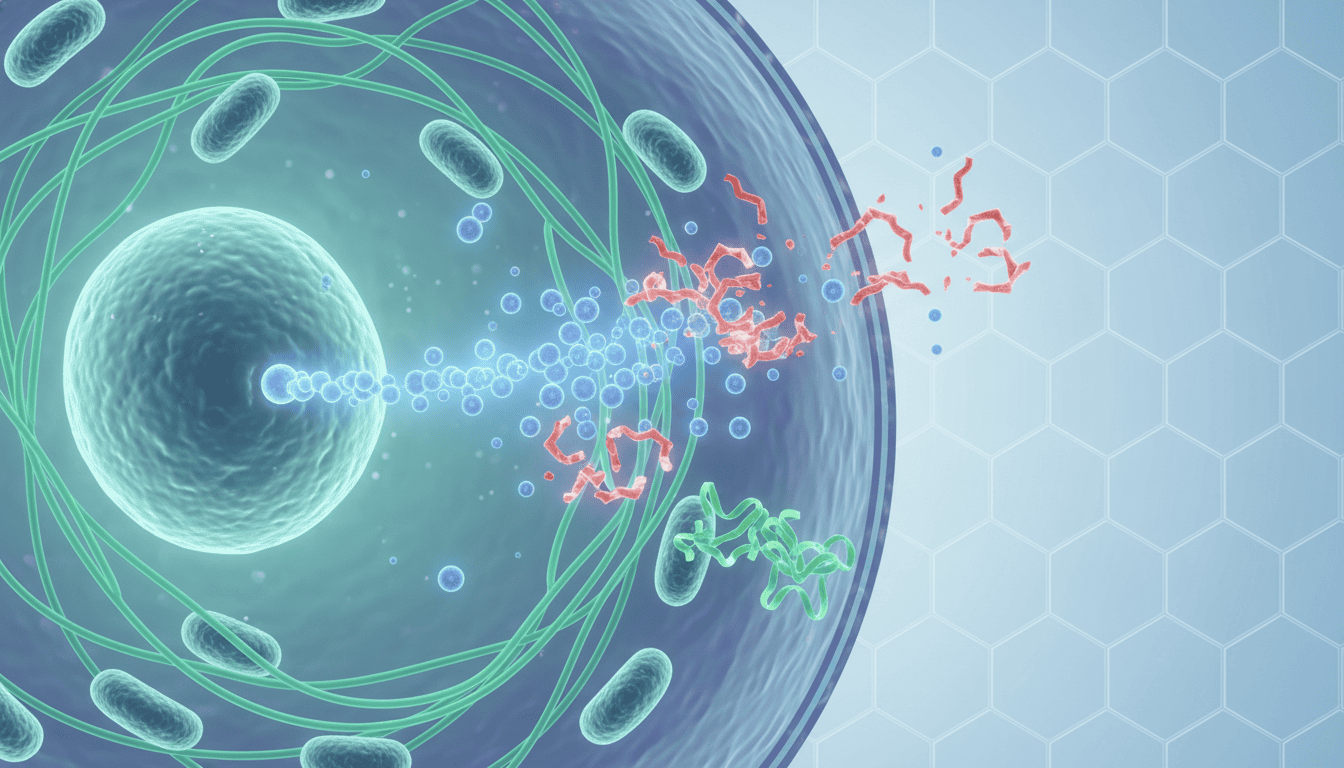
Laboratory studies reveal that oxidative stress triggers distinct phases in P53 and PCNA activity. In the first hour after oxidative damage, P53 levels spike as the protein stabilises and accumulates in the nucleus. Researchers can actually watch this happening using fluorescent markers—the nucleus lights up as P53 concentrates there.
PCNA shows a different pattern. Instead of simply increasing in quantity, it changes where it localises within the nucleus and which proteins it partners with. Under normal conditions, PCNA helps with routine DNA replication. But oxidative stress transforms it into a repair coordinator, recruiting specialised enzymes that can fix oxidised DNA bases and strand breaks.
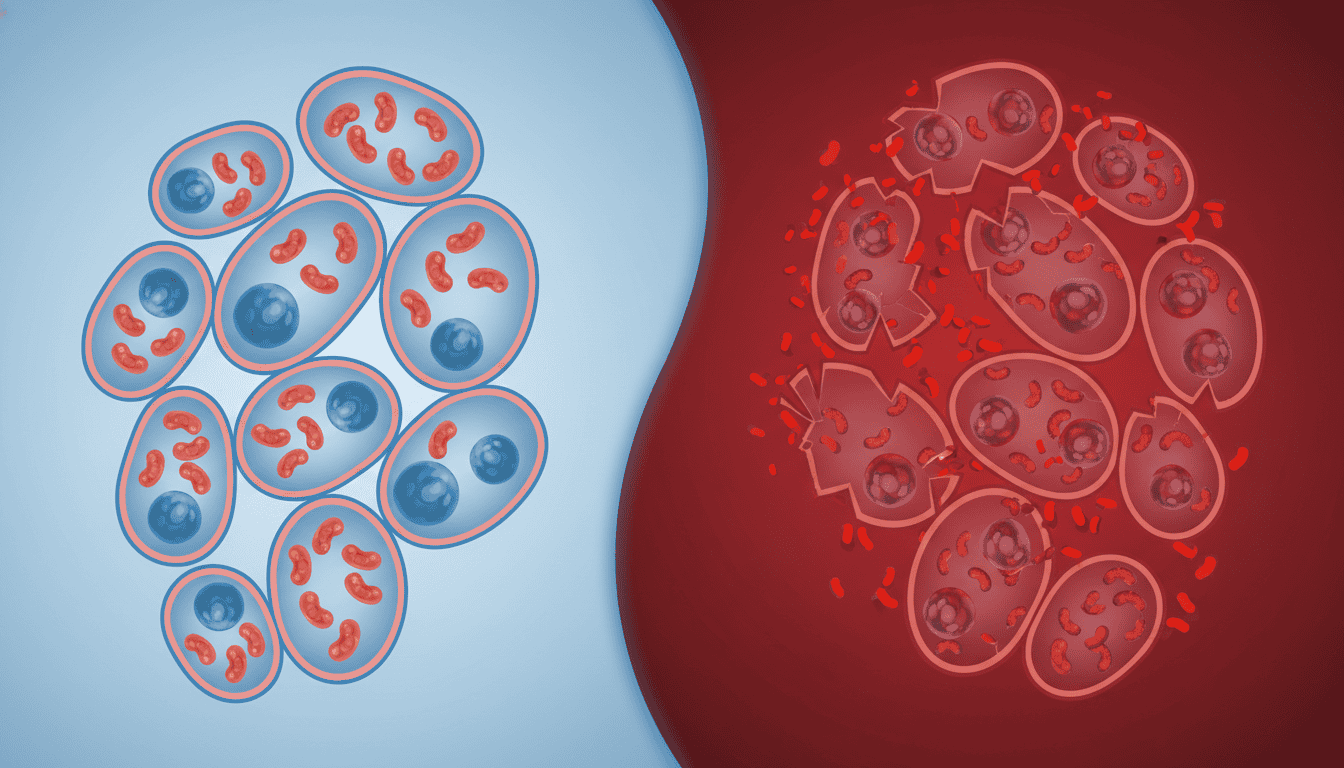
Scientists have observed that the severity of oxidative stress determines how these pathways respond. Mild oxidative stress primarily activates repair mechanisms—PCNA becomes more active while P53 provides gentle oversight. Severe oxidative stress flips a switch in P53 signalling, shifting from repair mode to elimination mode. The cell essentially calculates whether the damage is worth fixing or whether it poses too great a risk to the organism.
Timing matters enormously in these responses. P53 activation peaks within 2-4 hours of oxidative stress, while PCNA-mediated repair can continue for days. This suggests a handoff system where P53 makes the initial damage assessment and PCNA handles the long-term repair work.
Why cells need this dual response system
Oxidative stress poses a fundamental threat to cellular survival because it can damage virtually any biological molecule. DNA takes the biggest hit—oxidative damage can cause mutations that lead to cancer or cell death. Proteins lose their shape and function when oxidised. Cell membranes become leaky. Without rapid response systems, oxidative stress would quickly overwhelm cellular defences.
P53 evolved as a fail-safe mechanism because damaged cells can become dangerous to the whole organism. A cell with corrupted DNA might become cancerous, so P53’s ability to trigger apoptosis protects the organism even at the cost of individual cells. This explains why P53 mutations appear in over half of all human cancers—when this guardian fails, cellular quality control breaks down.
PCNA’s repair coordination role prevents unnecessary cell death. Many types of oxidative damage can be fixed if caught early enough. PCNA ensures that repair happens efficiently by bringing together the right enzymes in the right place at the right time. Without this coordination, repair would be slow and haphazard, leaving cells vulnerable to additional damage.
The partnership between these proteins creates a balanced response. P53 prevents dangerous cells from surviving, while PCNA saves repairable cells from unnecessary death. This balance maintains tissue health while preventing cancer.
What affects P53 and PCNA signalling
Age significantly impacts both pathways. Older cells show delayed P53 responses to oxidative stress, and PCNA becomes less efficient at coordinating repairs. This age-related decline helps explain why oxidative damage accumulates over time and why cancer rates increase with age.
Nutritional factors influence these stress responses. Zinc deficiency impairs P53 function because this protein requires zinc to maintain its proper structure. Selenium availability affects the activity of antioxidant enzymes that work alongside P53 and PCNA to manage oxidative stress.
Environmental toxins can overwhelm these protective systems. Heavy metals like cadmium and mercury interfere with P53 signalling. Air pollutants generate oxidative stress faster than PCNA can coordinate repairs. Chronic exposure to these toxins essentially exhausts cellular stress response capacity.
Exercise creates an interesting paradox—it generates oxidative stress in the short term but strengthens these protective pathways over time. Regular exercise appears to train P53 and PCNA systems to respond more efficiently to future oxidative challenges.
What remains unknown
Scientists still debate exactly how P53 decides between repair and apoptosis. The decision appears to involve multiple factors including the extent of damage, the cell’s age, and the availability of repair resources, but the precise calculation remains unclear. Understanding this decision-making process could reveal new ways to protect cells from oxidative damage.
The role of cellular communication in these responses needs more research. When one cell experiences severe oxidative stress and undergoes apoptosis, it might send signals that prepare neighbouring cells for similar stress. How P53 and PCNA signalling contributes to this cellular communication network remains largely unexplored.
Individual variation in these stress response systems represents another knowledge gap. Some people’s cells seem naturally more resistant to oxidative stress, but the genetic and environmental factors that create this resistance aren’t fully understood.
The interplay between P53-PCNA signalling and other cellular stress response pathways also needs clarification. Cells have multiple systems for dealing with oxidative stress, and how they coordinate with each other determines overall cellular resilience.
These emergency response systems highlight how cells actively defend themselves rather than passively accepting damage. P53 and PCNA represent just one layer of cellular protection, but their coordinated response to oxidative stress demonstrates the sophisticated quality control mechanisms that keep our cells functional. As research continues to unravel how these pathways work, we gain deeper appreciation for the constant molecular vigilance that maintains cellular health.

Matt Elliott is the editor of Redox News Today, an independent publication covering peer-reviewed research on cellular health, redox signalling, and related biomedical science.