Your body kills off 50 billion cells every single day. These aren’t damaged cells succumbing to disease or injury. They’re healthy cells that receive a biochemical death sentence and carry out their own execution with remarkable precision.
This cellular suicide, called apoptosis, might sound alarming. But without it, you’d develop cancer, your immune system would attack your own tissues, and your fingers would still be webbed like a duck’s foot.
What is apoptosis
Apoptosis is programmed cell death. Unlike the messy, inflammatory death that happens when cells are damaged, apoptosis is orderly and clean.
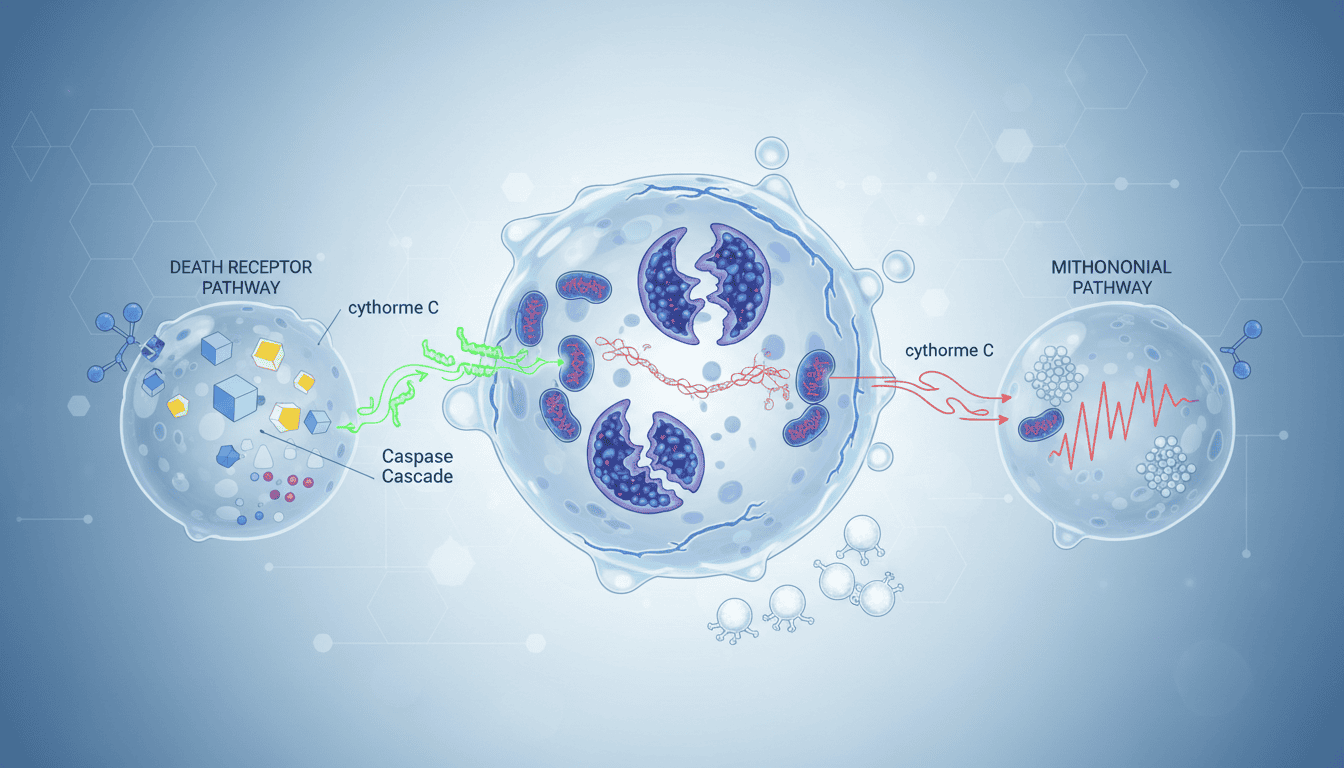
The process starts when a cell receives signals telling it to die. These signals might come from neighbouring cells, the immune system, or from the cell’s own internal damage sensors. Once the death program begins, the cell activates a cascade of enzymes called caspases.
Caspases act like molecular scissors, methodically cutting up the cell’s internal structures. They slice through the proteins that hold the cell together, fragment the DNA, and dismantle the cellular machinery. The cell shrinks, packages its contents into membrane-bound parcels, and essentially serves itself up for removal.
Nearby immune cells called macrophages then consume these cellular packages before any inflammatory mess can develop. The whole process takes just a few hours, leaving no trace behind.
What the research shows
Scientists have identified multiple pathways that trigger apoptosis. The extrinsic pathway responds to external death signals from other cells. When a T cell decides another cell needs to die, it delivers death receptor proteins that bind to the target cell and activate caspases directly.
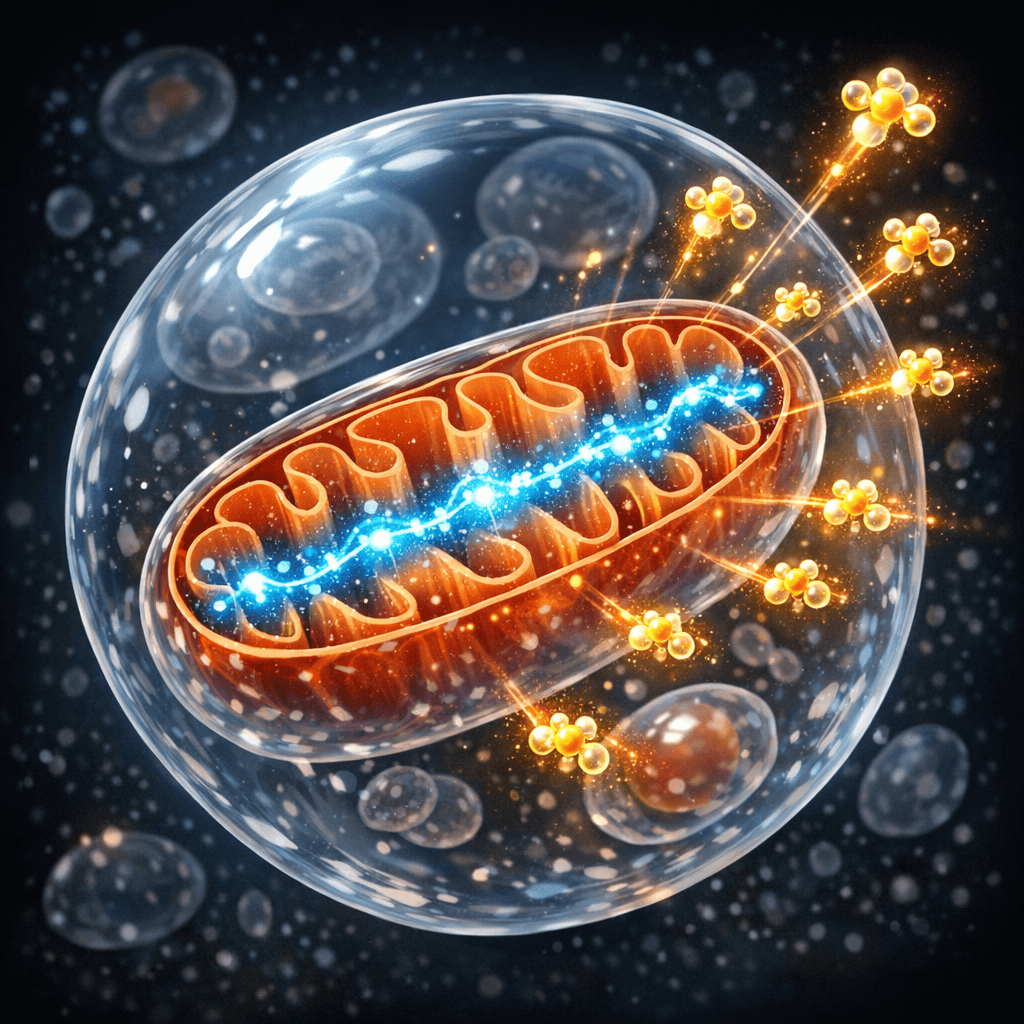
The intrinsic pathway monitors internal cellular health. Mitochondria act as cellular sentries, releasing cytochrome c when they detect DNA damage, oxidative stress, or other internal problems. This cytochrome c activates a protein complex called the apoptosome, which switches on the caspase cascade.
Research has revealed how tightly controlled this process is. Cells contain multiple checkpoints and backup systems. The protein p53, often called the guardian of the genome, can halt cell division and trigger apoptosis when DNA damage is detected. Other proteins like Bcl-2 can block apoptosis, while proteins like Bax promote it.
Studies show that cancer cells often lose their ability to undergo apoptosis. They ignore death signals and continue dividing despite accumulating genetic damage. This resistance to programmed death is one of the hallmarks that separates cancer cells from healthy ones.
Why cells need this
Apoptosis solves several biological problems that multicellular organisms face. During development, it sculpts our body shape by eliminating cells in precise patterns. The webbing between your fingers disappeared because cells in those regions received apoptotic signals during embryonic development.
Your immune system uses apoptosis to eliminate dangerous cells. T cells that might attack your own tissues are deleted during development. B cells that produce faulty antibodies get marked for death. This prevents autoimmune diseases where your immune system turns against healthy tissue.
Apoptosis also maintains tissue homeostasis. Your intestinal lining replaces itself every few days through a careful balance of new cell production and old cell removal. Without apoptosis, these tissues would grow uncontrollably.
Perhaps most importantly, apoptosis acts as a tumour suppression mechanism. Cells with damaged DNA that might become cancerous often trigger their own death rather than risk passing on mutations. This cellular altruism protects the organism even at the cost of individual cells.
What affects apoptosis
Age significantly impacts apoptotic function. Research shows that both too much and too little apoptosis can occur as we get older. In some tissues, cells become more resistant to death signals, potentially contributing to age-related diseases. In others, excessive apoptosis may contribute to tissue loss and organ dysfunction.
Oxidative stress can trigger apoptosis when cellular damage accumulates beyond repair thresholds. However, chronic low-level oxidative stress might also impair the apoptotic machinery itself, creating cells that should die but don’t.
Environmental toxins can disrupt apoptotic signalling. Some chemicals interfere with death receptor pathways, while others damage mitochondria and affect intrinsic apoptosis. Radiation can overwhelm cellular repair mechanisms and trigger widespread apoptosis.
Exercise appears to influence apoptotic balance in various tissues. Physical activity can promote apoptosis of damaged cells while protecting healthy cells from unnecessary death. The mechanisms behind this selective effect are still being investigated.
Nutrition affects apoptotic regulation through multiple pathways. Certain compounds found in foods can influence the proteins that control cell death decisions, though the relationships are complex and tissue-specific.
What remains unknown
Scientists still don’t fully understand how cells make the life-or-death decision. What tips the balance between repair and suicide? How do cells distinguish between damage worth fixing and damage requiring death?
The timing of apoptosis remains mysterious. Why do some cells die within hours of receiving death signals while others take days? What determines this cellular death clock?
Researchers are working to understand how different tissues coordinate apoptosis. How does the liver know to remove exactly the right number of cells during regeneration? What prevents organs from accidentally triggering too much cell death?
The relationship between apoptosis and ageing presents ongoing puzzles. Does declining apoptotic function cause ageing, or does ageing impair apoptosis? The evidence points in both directions.
Perhaps most intriguingly, scientists are investigating whether apoptosis evolved from ancient bacterial death programs. If so, cellular suicide might be one of biology’s oldest and most fundamental processes.
The precision of apoptosis reveals something profound about multicellular life. Individual cells can assess their own worth to the organism and choose death when necessary. This cellular cooperation, played out billions of times daily in your body, makes complex life possible. Understanding how cells make these ultimate decisions continues to unlock secrets about health, disease, and what it means to be a multicellular organism.

Matt Elliott is the editor of Redox News Today, an independent publication covering peer-reviewed research on cellular health, redox signalling, and related biomedical science.