Cancer cells are metabolic opportunists. While healthy cells follow predictable patterns of energy production, cancer cells hijack whatever biochemical pathways they can find to fuel their relentless growth. One pathway that researchers are paying closer attention to involves glutathione catabolism – the breakdown of cells’ most abundant antioxidant into components that cancer cells can repurpose for their own survival.
What is glutathione catabolism
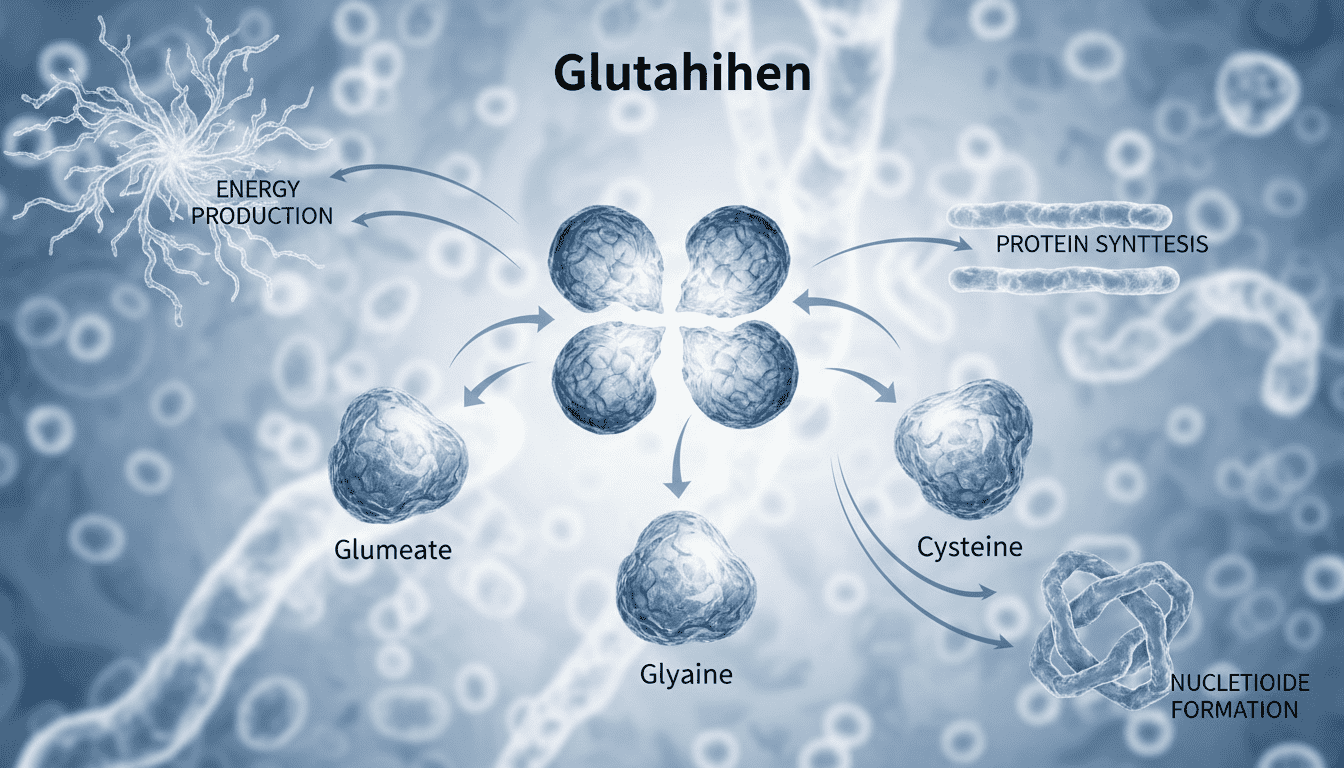
Glutathione catabolism is the process by which cells break down glutathione, their primary antioxidant molecule, into its component parts. Think of glutathione as a three-part molecular tool made from glycine, cysteine, and glutamate amino acids linked together. When cells need to recycle this molecule or extract its components for other uses, they deploy specific enzymes to slice it apart.
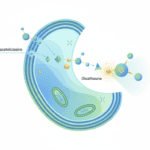
The enzyme gamma-glutamyltransferase (GGT) makes the first cut, cleaving off glutamate and leaving behind a cysteine-glycine fragment. Another enzyme, dipeptidase, then separates the cysteine from glycine. What started as one antioxidant molecule becomes three separate amino acids that cells can use as building blocks or energy sources.
This breakdown normally happens at a controlled rate. Cells balance glutathione synthesis with catabolism based on their current needs for antioxidant protection versus raw materials for other cellular processes.
What the research shows
Cancer researchers have observed something striking about glutathione catabolism in tumours. Many cancer cell lines show dramatically elevated levels of GGT, the enzyme that initiates glutathione breakdown. Some tumours express 10 to 100 times more GGT than the healthy tissues they originated from.
Laboratory studies reveal that when cancer cells break down glutathione, they channel the released amino acids directly into metabolic pathways that support rapid growth. The glutamate fuels energy production through the citric acid cycle. The cysteine provides sulfur for protein synthesis and helps maintain the redox balance that cancer cells need to survive oxidative stress. The glycine becomes a building block for nucleotides, the components of DNA and RNA that dividing cells require in vast quantities.
Researchers have also found that blocking glutathione catabolism in laboratory cancer models slows tumour growth. When they inhibit GGT or other enzymes in the breakdown pathway, cancer cells struggle to maintain their accelerated metabolism. The cells don’t die immediately, but their growth rate drops significantly.
Why cells need this pathway
Evolution preserved glutathione catabolism because normal cells need flexibility in their antioxidant management. When environmental conditions change or cellular demands shift, cells must be able to adjust their glutathione levels accordingly. Breaking down excess glutathione allows cells to reallocate those amino acids to other essential processes.
During periods of nutrient scarcity, glutathione catabolism provides an internal source of amino acids that cells can use for essential protein synthesis or energy production. This recycling system helps cells survive temporary shortages without compromising their basic functions.
The pathway also plays a role in cellular signalling. The products of glutathione breakdown can influence gene expression and enzyme activity, helping cells coordinate their antioxidant defences with their overall metabolic state.
Cancer cells appear to have hijacked this normally balanced system, ramping up glutathione catabolism to extreme levels to meet their outsized metabolic demands.
What affects glutathione catabolism
Several factors influence how rapidly cells break down glutathione. Oxidative stress typically reduces catabolism as cells prioritise maintaining their antioxidant defences. Conversely, when cells experience nutrient limitation, they often increase glutathione breakdown to access its amino acid components.
Age appears to affect the balance between glutathione synthesis and catabolism, though the relationship varies between tissue types. Some studies suggest that ageing cells become less efficient at coordinating these processes, potentially contributing to age-related oxidative damage.
Certain medications and environmental toxins can influence glutathione catabolism. Compounds that deplete glutathione stores may trigger compensatory changes in both synthesis and breakdown pathways. Other substances directly inhibit or activate the enzymes involved in catabolism.
In cancer, genetic mutations and altered gene expression patterns drive abnormal increases in catabolic enzyme production. Tumour cells essentially rewire their metabolic programming to favour glutathione breakdown over conservation.
What remains unknown
Scientists are still working to understand why some cancers show extreme glutathione catabolism while others rely more heavily on different metabolic adaptations. The factors that determine which metabolic pathways a particular tumour will exploit remain largely mysterious.
The timing of these metabolic changes during cancer development is another open question. Do cells ramp up glutathione catabolism early in the transformation process, or does this adaptation emerge later as tumours grow larger and face increasing metabolic pressure?
Researchers are also investigating whether targeting glutathione catabolism could provide a therapeutic advantage without causing excessive harm to healthy cells. The challenge lies in finding interventions that preferentially affect cancer cells while leaving normal cellular metabolism largely intact.
The relationship between glutathione catabolism and other metabolic alterations in cancer cells needs further clarification. How does this pathway interact with the well-known changes in glucose metabolism, amino acid utilisation, and lipid synthesis that characterise many tumours?
Understanding glutathione catabolism in cancer reveals how thoroughly malignant cells can repurpose normal cellular machinery for their own ends. What started as an elegant system for managing antioxidant resources becomes another tool in cancer’s metabolic toolkit. This research highlights the remarkable adaptability of cellular metabolism and the complex biological logic that governs how cells manage their molecular resources under both normal and pathological conditions.

Matt Elliott is the editor of Redox News Today, an independent publication covering peer-reviewed research on cellular health, redox signalling, and related biomedical science.