Your breathing stops. Oxygen levels plummet. Then you gasp awake, flooding your lungs with air again. For people with obstructive sleep apnea, this cycle repeats dozens or hundreds of times each night. What happens inside lung cells during these repeated episodes of suffocation and recovery looks remarkably similar to what happens when you repeatedly start and stop a car engine on a cold morning.
What is oxidative stress in sleep apnea
Oxidative stress occurs when cells produce more reactive oxygen species than their antioxidant systems can neutralise. Think of it as cellular rust. In obstructive sleep apnea, the upper airway collapses repeatedly during sleep, blocking airflow for 10 seconds or longer. When breathing resumes, oxygen rushes back into oxygen-starved tissues.
This stop-start pattern creates what researchers call intermittent hypoxia. Lung cells experience cycles of oxygen deprivation followed by sudden reoxygenation. During the low-oxygen phases, cells switch to survival mode, ramping down normal metabolism. But when oxygen floods back in, cellular machinery that has been idling suddenly roars back to life, often producing a burst of reactive molecules as a byproduct.
The mitochondria bear the brunt of this chaos. These cellular powerhouses normally use oxygen in a controlled process to make energy. When oxygen supply fluctuates wildly, mitochondria leak electrons, creating superoxide and other reactive species faster than cellular defences can cope.
What the research shows
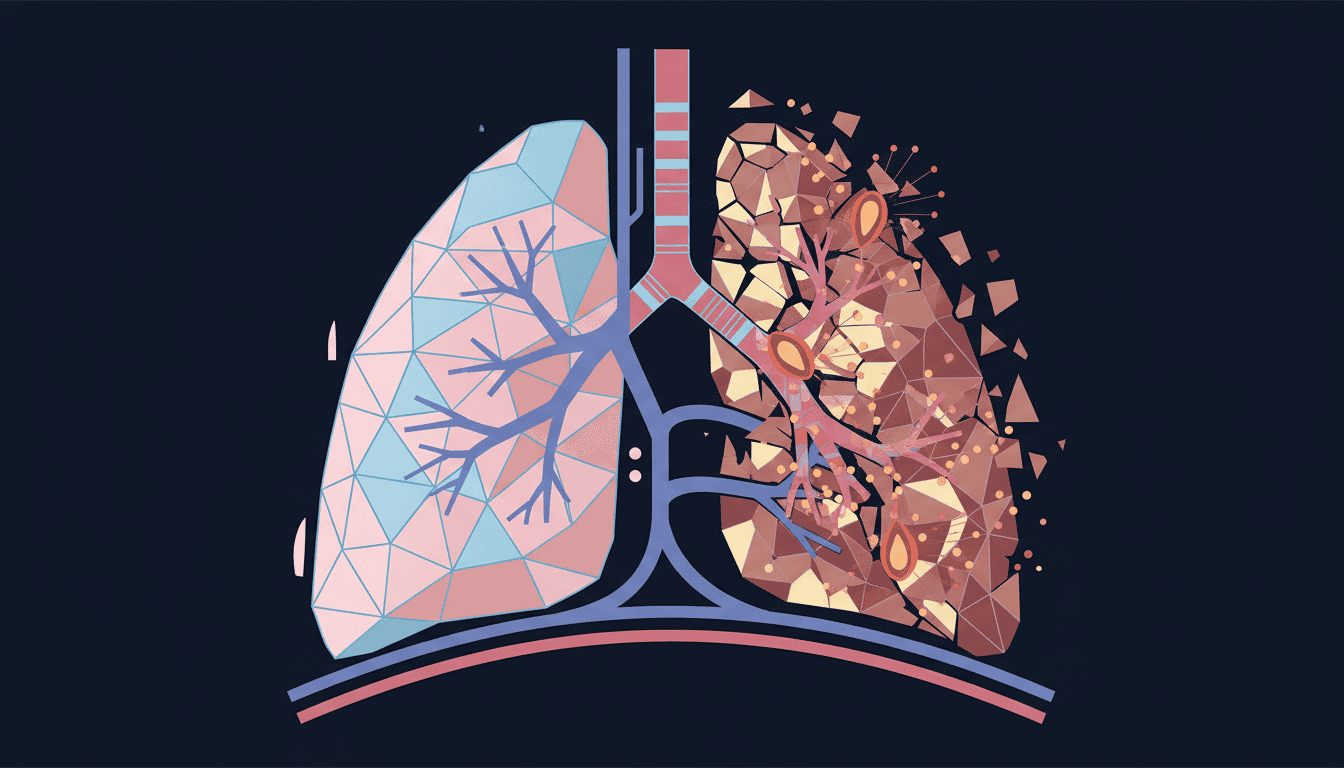
Studies examining lung tissue from people with sleep apnea reveal clear signatures of oxidative damage. Researchers find elevated levels of malondialdehyde and other markers that indicate lipids in cell membranes have been attacked by reactive molecules. Protein oxidation markers also spike, suggesting that essential cellular machinery suffers damage.
Scientists have tracked what happens at the molecular level during these oxygen swings. When cells experience hypoxia, they activate hypoxia-inducible factors, proteins that help cells survive low-oxygen conditions. But the reoxygenation phase triggers a different cascade. NADPH oxidases activate, churning out superoxide. Xanthine oxidase, an enzyme that normally breaks down purines, switches into a reactive oxygen species generator.
Animal studies show the timeline clearly. Researchers exposed rats to intermittent hypoxia patterns that mimic sleep apnea. Within hours, lung tissue showed increased production of hydrogen peroxide and superoxide. After weeks of this treatment, antioxidant enzyme activity couldn’t keep pace with the oxidative load.
The cellular damage isn’t random. Lung epithelial cells, which line the airways and air sacs, show particular vulnerability. These cells normally maintain tight barriers and help regulate gas exchange. Under repeated oxidative stress, their barrier function deteriorates.
Why cells need this
The oxidative stress response in sleep apnea represents cellular defence mechanisms pushed beyond their limits. Cells evolved sophisticated systems to handle occasional oxygen fluctuations. Mountain climbers ascending to high altitude trigger similar pathways, and cells adapt by increasing antioxidant production and improving oxygen utilisation efficiency.
Some reactive oxygen species even serve useful functions under normal conditions. They act as signalling molecules, helping cells communicate about their oxygen status and metabolic needs. Hydrogen peroxide, for instance, helps regulate blood vessel dilation and immune responses when produced in controlled amounts.
The problem arises with repetition and intensity. Evolution shaped these responses for occasional challenges, not for nightly cycles of suffocation and recovery over months or years. Cellular repair systems that can handle acute stress become overwhelmed by chronic intermittent hypoxia. It’s like having a emergency response team that works well for occasional crises but burns out when called upon every night.
What affects oxidative stress in sleep apnea
The severity of airway obstruction directly correlates with oxidative damage. People who stop breathing more frequently or for longer periods show higher levels of oxidative stress markers. The oxygen saturation levels matter too. Those whose oxygen levels drop below 85% during apnea episodes show more pronounced cellular damage than those with milder desaturations.
Age amplifies the problem. Older adults have naturally declining antioxidant defences, making their lung cells more vulnerable to oxidative damage from sleep apnea. Their mitochondria also become less efficient at managing oxygen fluctuations.
Obesity, which often accompanies sleep apnea, creates additional oxidative burden. Fat tissue itself produces inflammatory molecules that can overwhelm cellular defences. The combination creates a perfect storm for oxidative damage in lung tissue.
Sleep position influences the severity too. Back sleeping typically worsens airway collapse, leading to more severe oxygen drops and stronger oxidative stress responses. Even factors like alcohol consumption before bed can deepen the apnea episodes, intensifying the cellular damage.
What remains unknown
Researchers still puzzle over why some people with sleep apnea develop severe cellular damage while others with similar breathing patterns show minimal oxidative stress. Genetic factors likely play a role, but scientists haven’t identified which gene variants provide protection or increase vulnerability.
The timeline of damage accumulation remains unclear. How long does it take for repeated oxidative stress to cause permanent changes in lung tissue? Can cellular defences adapt and strengthen over time, or do they inevitably deteriorate under chronic intermittent hypoxia?
Scientists also wonder about recovery potential. If sleep apnea treatment eliminates the oxygen fluctuations, how quickly can lung cells repair oxidative damage? Some studies suggest improvement within weeks, while others indicate that certain changes might persist long after normal breathing resumes.
The interaction between oxidative stress in different organs also needs clarification. Sleep apnea affects brain, heart, and liver cells too. How does oxidative damage in lung tissue influence or amplify damage in other organs?
Understanding how sleep apnea triggers oxidative stress in lung cells reveals why this condition affects far more than just sleep quality. The nightly cycle of cellular suffocation and recovery creates a cascade of molecular damage that helps explain sleep apnea’s links to numerous health problems. As researchers continue mapping these cellular responses, they’re uncovering how mechanical breathing problems translate into widespread biological consequences, one oxygen molecule at a time.

Matt Elliott is the editor of Redox News Today, an independent publication covering peer-reviewed research on cellular health, redox signalling, and related biomedical science.