Your cells have been cleaning up after themselves for billions of years, but that morning coffee disrupts ancient recovery systems in ways scientists are still piecing together. Caffeine doesn’t just keep you awake by blocking adenosine receptors in your brain. It interferes with cellular maintenance processes that happen throughout your body, from how your mitochondria repair themselves to when your cells decide to recycle damaged proteins.
What cellular recovery involves
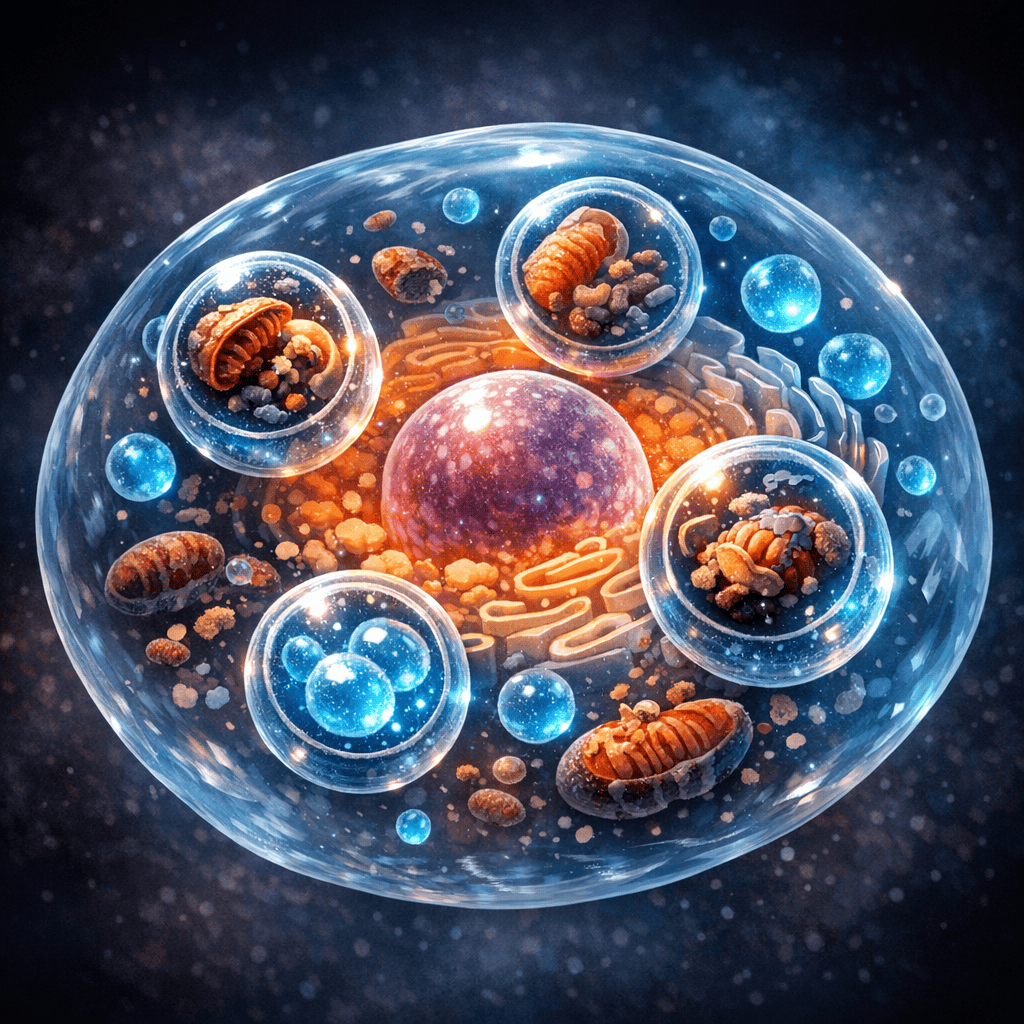
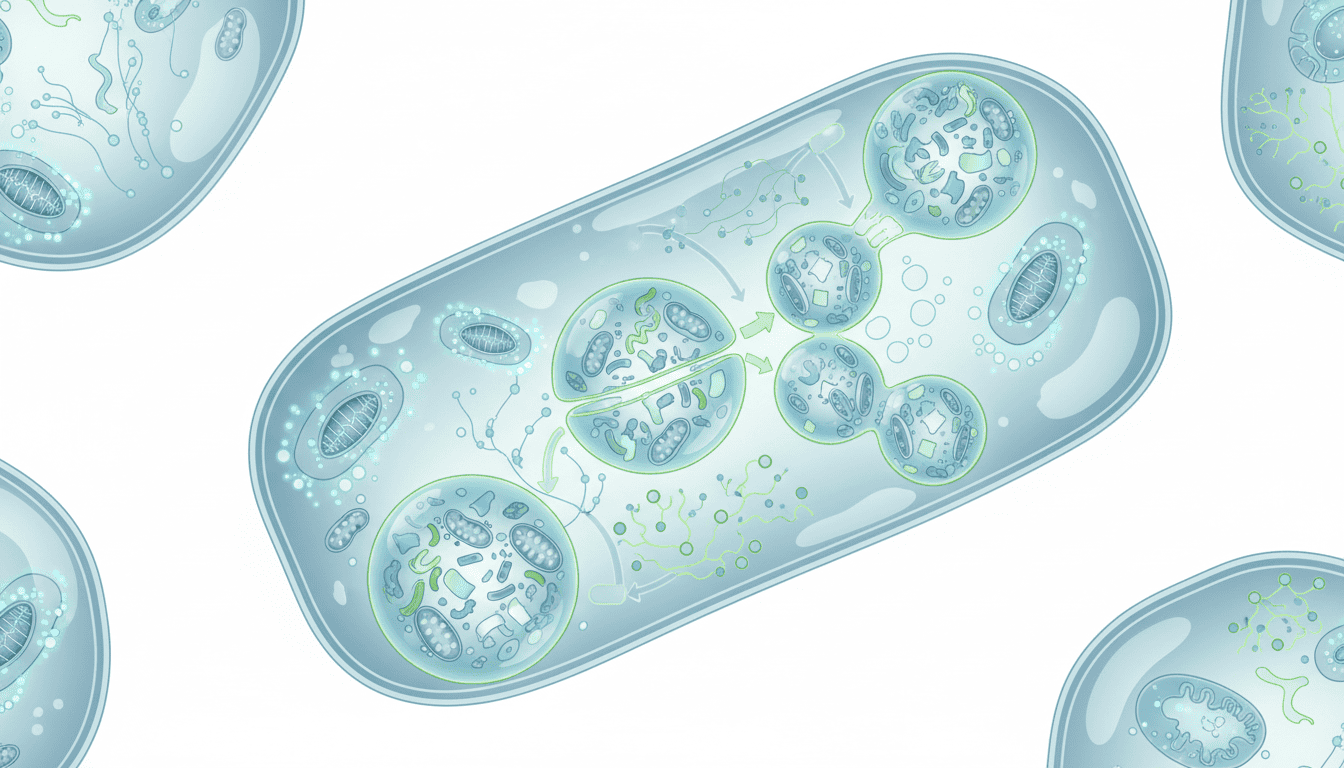
Think of cellular recovery like a city’s overnight maintenance crew. While you sleep, cells activate cleanup systems that have been running since life began. Autophagy kicks in, literally meaning “self-eating”, where cells break down worn-out components and recycle the useful parts. Mitochondria undergo their own repair processes, fixing damaged DNA and replacing faulty proteins.
These processes follow circadian rhythms. Your cells have internal clocks that coordinate when to focus on energy production versus when to focus on maintenance and repair. The timing matters enormously. Cells that try to grow and repair simultaneously often do both jobs poorly.
Heat shock proteins get activated during recovery periods, acting like molecular chaperones that refold damaged proteins back into working shapes. Meanwhile, antioxidant systems ramp up production of protective compounds like glutathione. All of this happens in carefully orchestrated waves, timed to your natural sleep-wake cycle.
What the research shows
Caffeine consumption changes the timing and intensity of these cellular processes in measurable ways. Studies using cell cultures show that caffeine exposure alters the expression of genes involved in autophagy, particularly those controlled by the mTOR pathway. When researchers added caffeine to muscle cells in laboratory conditions, they observed delayed activation of key autophagy markers.
The adenosine connection runs deeper than sleep regulation. Adenosine accumulates in cells during periods of high energy use, and its presence signals the need for recovery processes to begin. By blocking adenosine receptors, caffeine doesn’t just prevent sleepiness. It prevents cells from recognising they need maintenance.
Animal studies reveal that caffeine affects mitochondrial biogenesis, the process by which cells create new mitochondria. Mice given caffeine showed altered patterns of mitochondrial protein synthesis, with some protective effects during acute stress but disrupted normal maintenance cycles during regular daily rhythms.
Research on human muscle tissue after exercise shows that caffeine influences the cellular response to physical stress. While it can enhance certain immediate repair signals, it also delays some of the longer-term adaptations that happen during recovery periods.
Why cells need recovery time
Cellular maintenance evolved as a survival mechanism when energy was scarce and uncertain. Early life forms that could efficiently repair and recycle cellular components survived longer during resource shortages. This created strong evolutionary pressure for sophisticated recovery systems.
Modern cells still operate under these ancient constraints. They cannot simultaneously maximise energy output and perform thorough maintenance. It’s like trying to renovate a factory while keeping all the machines running at full capacity. Something has to give.
The circadian timing of recovery processes reflects millions of years of adaptation to Earth’s day-night cycle. Cells learned to coordinate their internal maintenance with periods when energy demands were naturally lower. This timing became so fundamental that disrupting it affects everything from protein synthesis to DNA repair efficiency.
Recovery processes also serve as quality control systems. Autophagy doesn’t just recycle old components; it removes damaged ones that could harm the cell if left alone. Cells that skip these quality checks accumulate dysfunction over time, leading to reduced performance and increased vulnerability to stress.
What affects cellular recovery
Timing of caffeine consumption matters more than total amount for cellular recovery. Research indicates that caffeine consumed within six hours of sleep significantly disrupts the normal rhythm of cellular maintenance processes. Late-afternoon coffee doesn’t just affect sleep quality; it shifts the timing of when cells begin their repair cycles.
Individual genetic variations in caffeine metabolism create different impacts on cellular recovery. People with slower caffeine metabolism show more prolonged disruption of autophagy markers, while fast metabolisers return to normal cellular rhythms more quickly.
Age influences how caffeine affects cellular recovery systems. Older adults show greater sensitivity to caffeine’s effects on cellular maintenance processes, partly because their natural recovery systems already function less efficiently than in younger people.
Exercise timing interacts with caffeine’s effects on cellular recovery. Physical activity normally triggers specific repair and adaptation responses, but caffeine consumed around workout times can alter which genes get activated and when cellular recovery processes begin.
Sleep debt compounds caffeine’s impact on cellular recovery. When cells are already behind on maintenance due to insufficient sleep, caffeine’s interference with recovery signals creates a cumulative effect that builds over time.
What remains unknown
Scientists still debate whether caffeine’s effects on cellular recovery represent harmful interference or beneficial stress that ultimately strengthens cells. Some research suggests that mild disruption of automatic maintenance processes might force cells to develop more robust repair systems, similar to how controlled stress can trigger beneficial adaptations.
The long-term consequences of chronic caffeine use on cellular ageing remain unclear. While short-term studies show measurable changes in recovery processes, researchers are still gathering data on whether these changes accumulate into significant effects over years or decades of regular caffeine consumption.
Individual variation in response to caffeine’s cellular effects is poorly understood. Why do some people seem to maintain efficient cellular recovery despite heavy caffeine use, while others show clear disruption? The genetic and epigenetic factors involved are just beginning to be mapped.
The interaction between caffeine and other compounds that affect cellular recovery needs more research. How does caffeine combine with alcohol, medications, or dietary supplements to influence cellular maintenance processes? Most studies examine caffeine in isolation, but real-world cellular environments are far more complex.
Understanding how caffeine affects cellular recovery illuminates the intricate relationship between what we consume and how our cells maintain themselves. These ancient maintenance systems continue operating in our modern world, but they’re now navigating chemical environments that didn’t exist when they first evolved. The cellular recovery story is really about how life’s most fundamental processes adapt to our changing relationship with stimulants and stress.

Matt Elliott is the editor of Redox News Today, an independent publication covering peer-reviewed research on cellular health, redox signalling, and related biomedical science.