Every second, trillions of tiny power plants inside your cells are either humming efficiently or struggling to keep up. These mitochondria don’t just influence your energy levels—they determine them completely. When they’re working well, you feel alert and strong. When they’re not, even simple tasks feel exhausting.
What is mitochondrial energy production
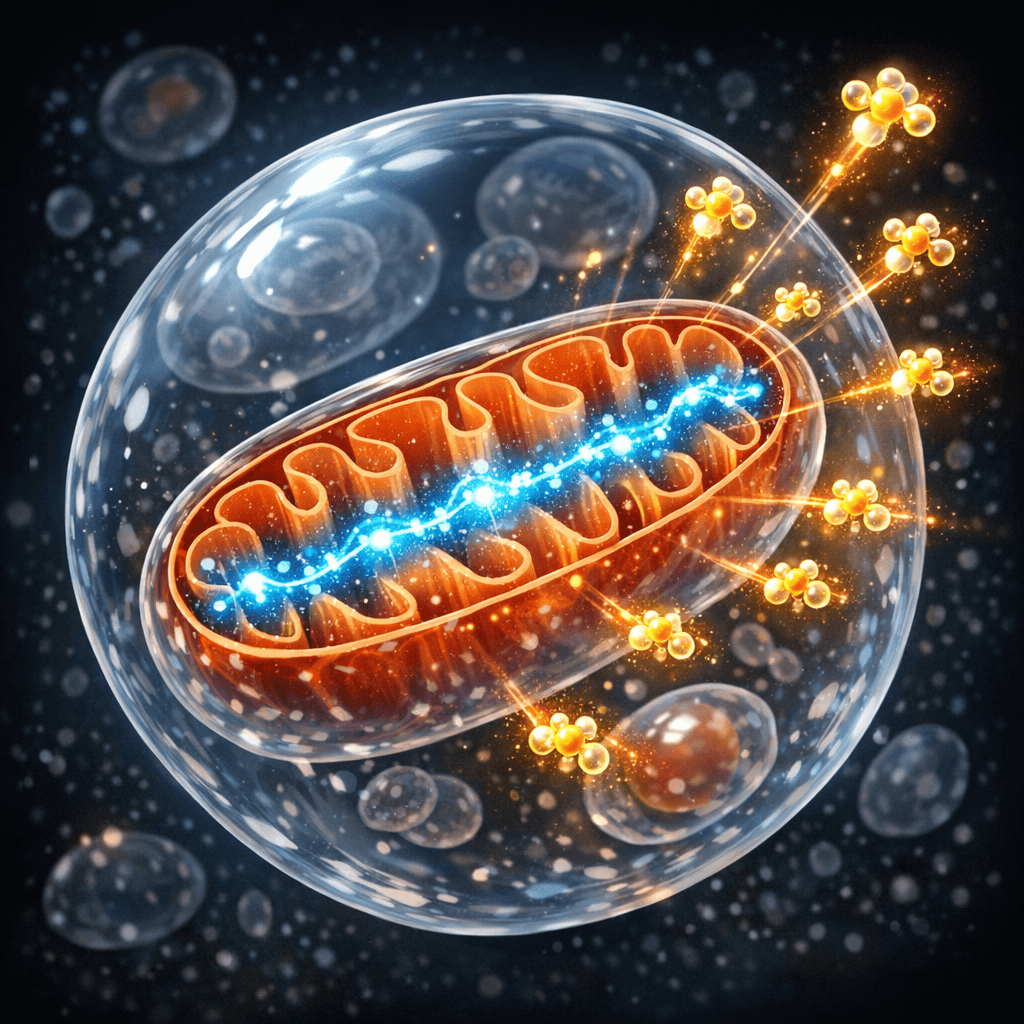
Mitochondria are the only parts of your cells dedicated entirely to making energy. Think of them as biological coal plants, except instead of burning coal, they break down glucose and fat to create ATP—the universal energy currency your body runs on.
This process happens in four main stages. First, nutrients get broken down in a series called glycolysis. Then the citric acid cycle extracts electrons from these breakdown products. These electrons travel through a chain of proteins embedded in the mitochondrial membrane, releasing energy at each step. Finally, this energy drives the production of ATP.
The whole system works like a hydroelectric dam. Electrons flowing through the protein chain pump protons across the mitochondrial membrane, creating pressure. When protons flow back through a protein called ATP synthase, this molecular turbine spins and manufactures ATP. A single mitochondrion can produce thousands of ATP molecules per second when everything runs smoothly.
What the research shows
Scientists measuring mitochondrial function have found dramatic differences between people who feel energetic and those who don’t. High-functioning mitochondria consume oxygen efficiently and produce minimal waste products called reactive oxygen species. Low-functioning mitochondria are like poorly tuned engines—they burn through fuel inefficiently while generating harmful exhaust.
Research teams studying muscle biopsies have observed that people with chronic fatigue show mitochondria that are structurally abnormal. Their inner membranes, where energy production occurs, appear fragmented and swollen. The protein complexes responsible for ATP synthesis often have missing or damaged components.
Exercise physiologists have documented how quickly mitochondrial changes affect performance. After just two weeks of inactivity, mitochondria in muscle cells shrink by up to 20 percent. Their capacity to produce ATP drops correspondingly. Conversely, endurance training can double the number of mitochondria in muscle cells within eight weeks.
Age-related studies reveal a consistent pattern: mitochondrial DNA accumulates mutations over time, while the cellular machinery for repairing and replacing damaged mitochondria becomes less efficient. By age 70, muscle mitochondria typically produce 40 percent less ATP than they did at age 30.
Why cells need this
Every living process requires energy, and mitochondria are evolution’s answer to that fundamental need. Brain cells fire electrical signals, muscle cells contract, liver cells detoxify compounds, and kidney cells filter blood—all powered by mitochondrial ATP.
Different tissues have vastly different energy demands, which explains why mitochondrial density varies so much throughout your body. Heart muscle cells are packed with mitochondria because your heart beats 100,000 times per day. Brain cells contain hundreds of mitochondria each because thinking requires constant energy for maintaining electrical gradients across cell membranes.
Mitochondria also serve as cellular stress sensors. When energy demands exceed supply, they release signalling molecules that tell the cell to either make more mitochondria or switch to survival mode. This explains why you feel mentally foggy and physically weak when your mitochondria struggle—your cells are literally conserving energy for essential functions only.
The ability to rapidly increase or decrease energy production gave our ancestors survival advantages. During times of food scarcity, efficient mitochondria could extract maximum energy from limited nutrients. During periods of physical stress, they could ramp up ATP production to power fight-or-flight responses.
What affects mitochondrial health
Physical activity has the strongest positive effect on mitochondrial function. Exercise forces cells to use more ATP, which triggers the production of new mitochondria through a process called mitochondrial biogenesis. Even moderate exercise like walking stimulates this response, though high-intensity interval training appears particularly effective.
Sleep quality directly influences mitochondrial repair and regeneration. During deep sleep, cells activate cleanup processes that remove damaged mitochondria and replace them with healthy ones. Chronic sleep deprivation disrupts these repair cycles, leading to accumulating mitochondrial damage.
Temperature exposure affects mitochondrial efficiency. Cold exposure forces mitochondria to work harder to maintain body temperature, which strengthens their overall function. Heat stress can damage mitochondrial proteins, though moderate heat exposure might trigger protective responses.
Nutritional factors play complex roles. Certain compounds found in vegetables, particularly those in broccoli and green tea, support mitochondrial antioxidant systems. Excessive calorie intake can overwhelm mitochondria with more fuel than they can efficiently process, leading to increased oxidative damage. Severe calorie restriction, conversely, appears to improve mitochondrial efficiency in laboratory studies.
Environmental toxins specifically target mitochondria because of their bacterial origins. Heavy metals, pesticides, and certain pharmaceutical drugs can damage mitochondrial DNA or disrupt the electron transport chain. Chronic exposure to these substances correlates with mitochondrial dysfunction in human studies.
What remains unknown
Scientists still debate why mitochondria age at different rates in different people. Some individuals maintain robust mitochondrial function well into their 80s, while others show significant decline by age 50. Genetic factors clearly play a role, but researchers haven’t identified all the relevant genes.
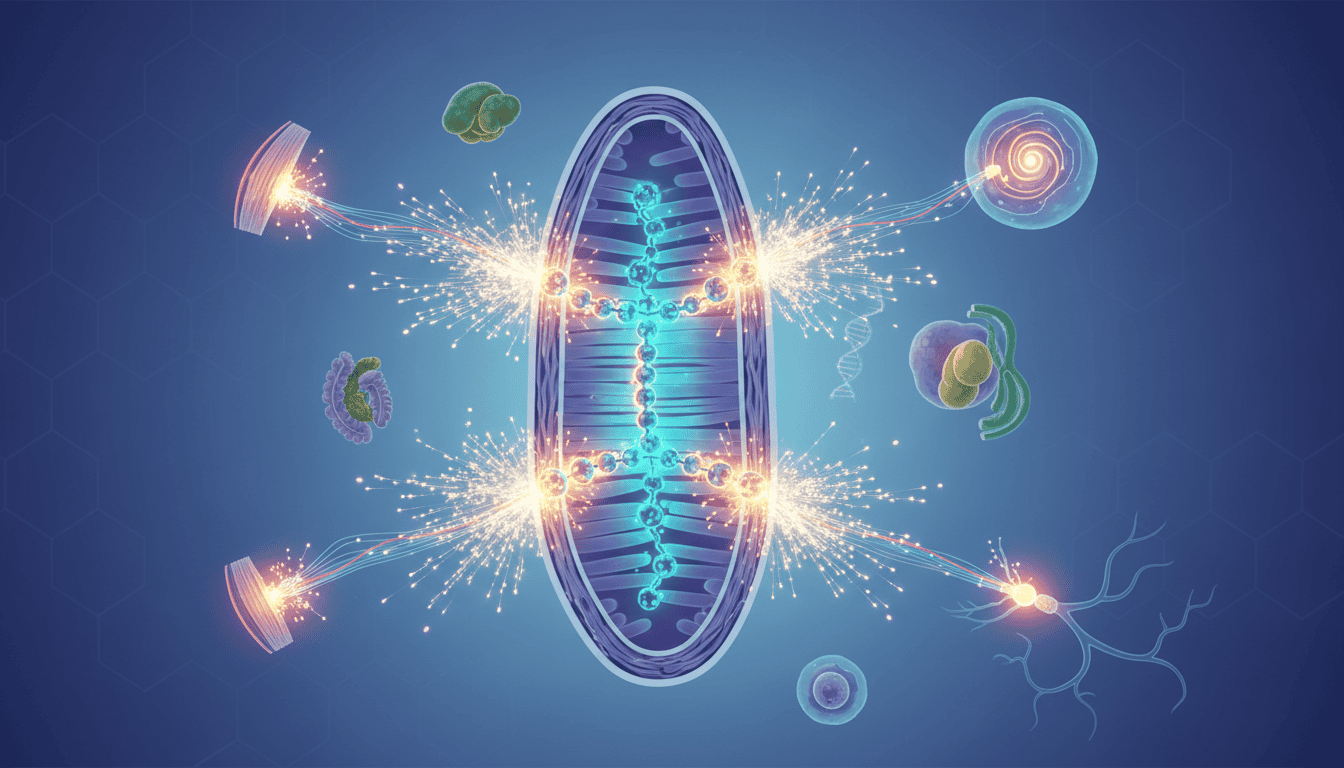
The communication between mitochondria and the cell nucleus remains partially mysterious. Mitochondria send signals that influence gene expression in the nucleus, but scientists are still mapping these complex communication networks. Understanding these pathways could reveal new ways to support mitochondrial health.
Research teams are investigating whether damaged mitochondria can recover or if cellular energy depends entirely on making new ones. Some studies suggest that mildly damaged mitochondria can repair themselves, while others indicate that cells simply recycle damaged organelles and build replacements.
The role of mitochondrial shape and movement within cells is another active area of investigation. Mitochondria constantly change shape and position, but scientists don’t fully understand how this dynamic behaviour affects energy production or cellular health.
Conclusion
Your daily energy levels reflect the collective health of trillions of mitochondria working inside your cells right now. These ancient cellular structures, inherited from bacterial ancestors billions of years ago, remain the bottleneck for almost everything your body does. Understanding how they function reveals why some people feel energetic while others struggle with fatigue—and points towards the fundamental biological processes that determine how well we function as we age.

Matt Elliott is the editor of Redox News Today, an independent publication covering peer-reviewed research on cellular health, redox signalling, and related biomedical science.