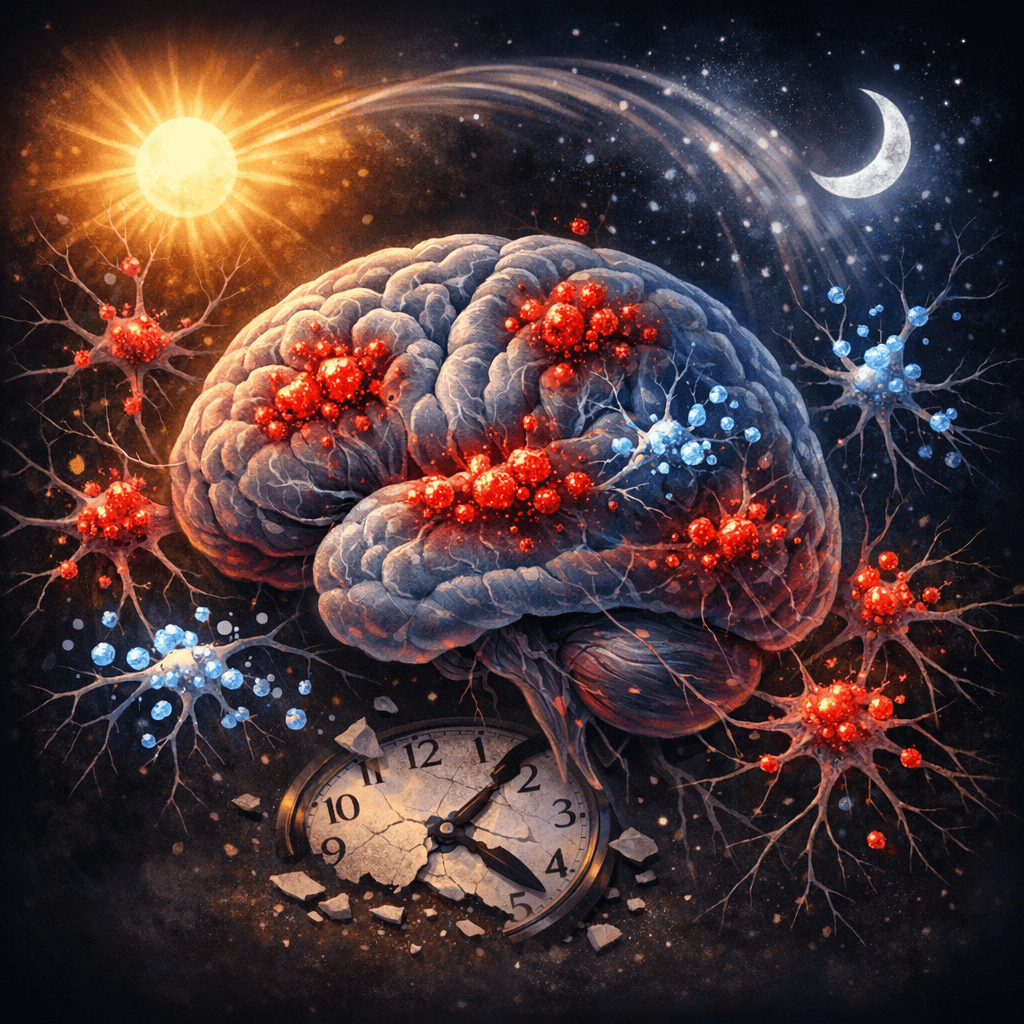
A single night of poor sleep leaves most people feeling groggy and unfocused. But inside your cells, something more serious is happening. Each hour of lost sleep triggers a cascade of molecular changes that don’t simply vanish when you finally catch up on rest.
What is sleep debt
Sleep debt works like a biological ledger. Every hour you sleep less than your body needs gets recorded at the cellular level. Your brain keeps track through a network of molecular timekeepers that regulate everything from gene expression to protein repair.
When you consistently sleep six hours instead of eight, those missing two hours don’t just disappear. They accumulate as measurable changes in cellular function. Your cells shift into a kind of survival mode, prioritising immediate energy needs over long-term maintenance and repair.
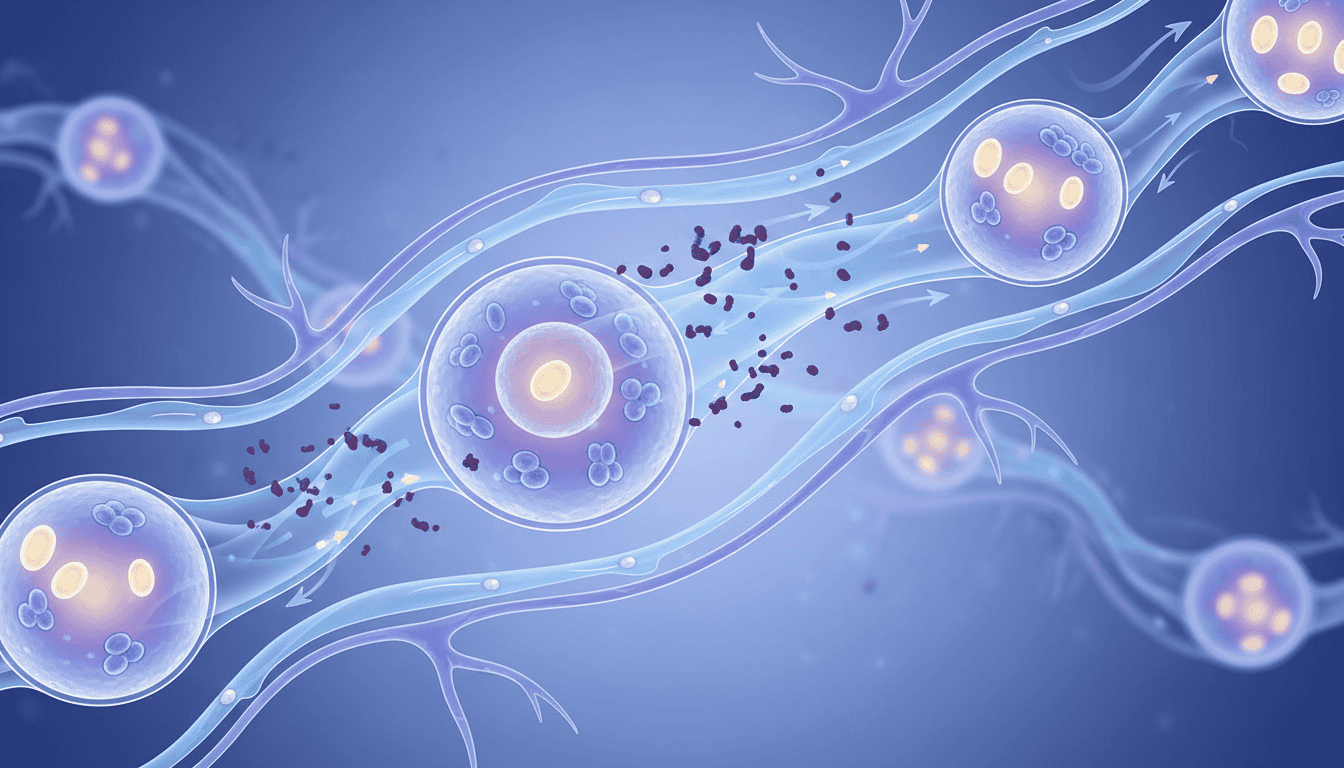
The process starts with adenosine, a chemical byproduct of cellular energy use. During wakefulness, adenosine builds up in your brain like biological static. Sleep normally clears this accumulation through the glymphatic system, your brain’s waste disposal network. Miss sleep, and adenosine levels stay elevated, affecting cellular signalling for days.
What the research shows
Scientists tracking sleep-deprived volunteers have documented specific cellular changes that persist well beyond the initial sleep loss. Gene expression studies reveal that even one night of shortened sleep alters the activity of hundreds of genes involved in immune function, stress response, and cellular repair.
These changes don’t reset immediately. Researchers found that after a week of sleeping just six hours nightly, participants needed multiple nights of extended sleep to restore normal gene expression patterns. Some cellular markers remained altered even after recovery sleep.
The damage appears cumulative rather than linear. Two consecutive nights of four-hour sleep create more cellular disruption than four nights of six-hour sleep, even though the total sleep debt is identical. This suggests cells have a threshold beyond which repair mechanisms become overwhelmed.
Mitochondria, the cellular powerhouses, show particular vulnerability to sleep debt. Studies using cellular imaging reveal that chronic sleep restriction reduces mitochondrial efficiency and increases oxidative stress markers. These energy-producing organelles literally work harder to maintain normal function when sleep-deprived.
Why cells need this
Sleep serves as scheduled maintenance for cellular machinery. During deep sleep phases, cells increase production of growth hormone and activate autophagy, the process that breaks down damaged proteins and organelles. Think of it as cellular housekeeping that can only happen when the body isn’t busy with daily activities.
The brain’s glymphatic system becomes most active during sleep, flushing out metabolic waste products that accumulate during waking hours. This includes protein aggregates that, if left unchecked, can interfere with normal cellular function. Sleep essentially provides the downtime necessary for this cleanup process.
Evolution preserved sleep across virtually all animal species despite its apparent vulnerability costs. This universality suggests that the cellular benefits of sleep outweigh the risks of being unconscious and defenceless. The fact that sleep debt accumulates rather than resets daily indicates these cellular processes cannot be indefinitely postponed.
What affects sleep debt accumulation
Age changes how quickly sleep debt accumulates and how effectively cells recover. Younger adults can often recover from acute sleep loss more quickly than older individuals, whose cellular repair mechanisms work less efficiently. The glymphatic system, in particular, becomes less effective with age.
Individual genetic variations influence sleep debt sensitivity. Some people carry gene variants that affect adenosine processing or circadian clock function, making them more vulnerable to cellular damage from sleep loss. Others have more resilient cellular repair systems that can better handle occasional sleep restriction.
Caffeine masks sleep debt symptoms but doesn’t prevent cellular accumulation. By blocking adenosine receptors, caffeine can make you feel alert while the underlying cellular processes continue to suffer. This disconnect between feeling and cellular reality can lead people to accumulate more sleep debt than they realise.
Shift work and irregular sleep schedules compound sleep debt effects by disrupting circadian rhythms. When cellular clocks become desynchronised, the timing of repair processes becomes chaotic, making sleep debt harder to resolve even with adequate total sleep time.
What remains unknown
Scientists still don’t fully understand why some cellular changes from sleep debt persist longer than others. The molecular mechanisms that determine which genes stay altered after recovery sleep remain unclear. This knowledge gap makes it difficult to predict individual vulnerability to sleep debt accumulation.
The relationship between sleep debt and cellular ageing processes needs more investigation. While researchers can measure short-term cellular changes from sleep loss, the long-term implications for cellular health and lifespan remain largely theoretical. Longitudinal studies tracking these effects over years or decades are only beginning to emerge.
Whether certain interventions beyond sleep itself can help clear cellular sleep debt remains an open question. Some research suggests that exercise, fasting, or specific nutrients might support cellular repair processes, but these approaches haven’t been proven to substitute for actual sleep.
Individual variation in sleep debt accumulation and recovery appears enormous, but the biological basis for these differences isn’t well characterised. Understanding why some people seem more resilient to sleep loss could reveal new targets for supporting cellular health.
Sleep debt represents more than just feeling tired. It’s a measurable biological phenomenon that leaves lasting molecular signatures in our cells. This research reveals sleep not as passive downtime but as active cellular maintenance that cannot be indefinitely deferred. The fact that cells remember every hour of lost sleep suggests that our biological systems evolved expecting regular, adequate rest. In our always-on world, understanding these cellular consequences of sleep debt becomes increasingly relevant for anyone interested in how lifestyle choices affect biology at the most fundamental level.

Matt Elliott is the editor of Redox News Today, an independent publication covering peer-reviewed research on cellular health, redox signalling, and related biomedical science.