Every night, while you dream of flying or finding yourself inexplicably back in high school, your brain cells are conducting one of biology’s most intricate filing operations. During REM sleep, neurons don’t just replay the day’s events like a highlight reel. They physically restructure their connections, moving information from temporary storage into long-term memory networks through a process that requires precise cellular choreography.
What is cellular memory consolidation
Memory consolidation happens when your brain converts fragile, temporary memories into stable, long-lasting ones. Think of it like moving files from your computer’s RAM into permanent storage, except the process involves actual physical changes to brain cells.
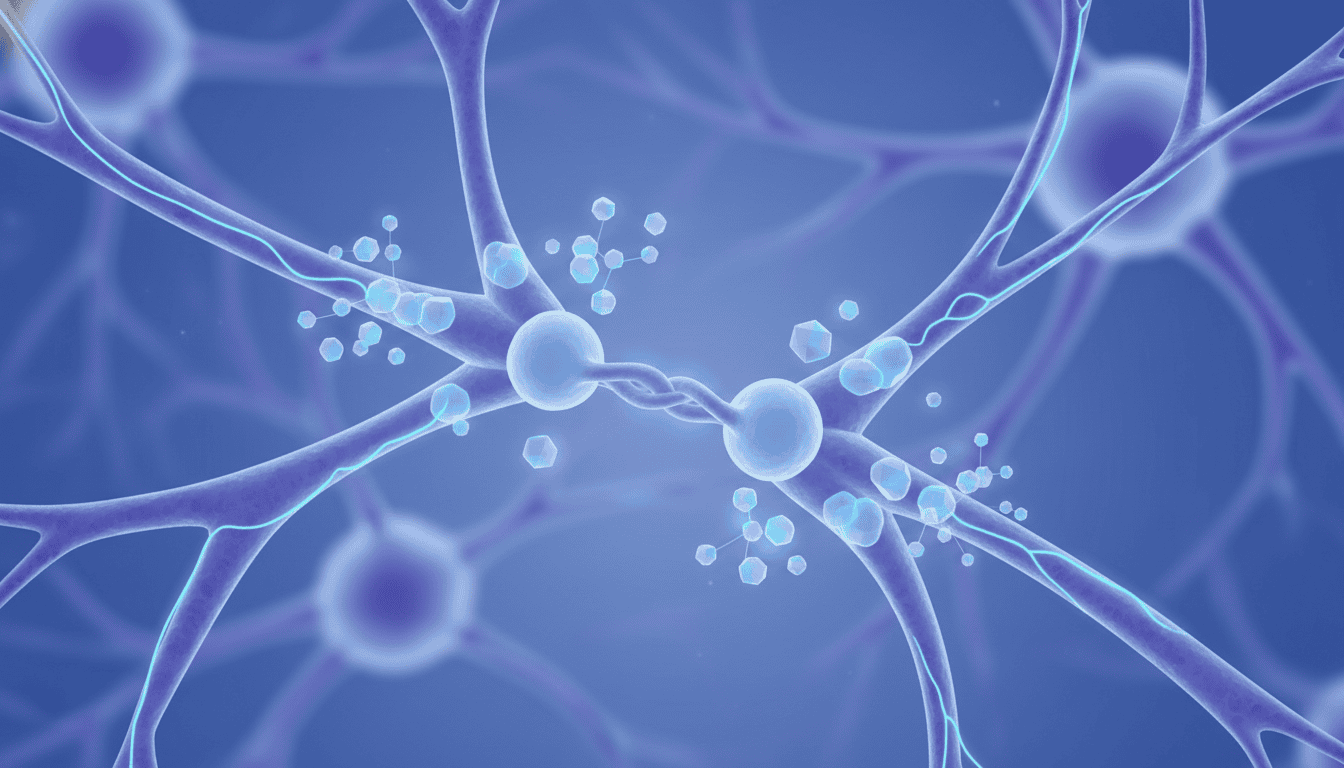
During the day, when you learn something new, neurons form weak connections called synapses. These connections are unstable. Without reinforcement, they fade within hours or days. Consolidation strengthens these synapses by building new proteins and physically enlarging the connection points between neurons.
REM sleep provides the optimal cellular environment for this construction work. Brain waves during REM create specific patterns of electrical activity that trigger molecular cascades inside neurons. These cascades activate genes that produce the structural proteins needed to cement new memories into place.
What the research shows
Scientists have observed memory consolidation in real time using advanced imaging techniques. When researchers track individual neurons during REM sleep, they see synapses physically growing stronger. The connections don’t just get reinforced randomly, they follow specific patterns that match the day’s learning experiences.
Studies on laboratory animals reveal that blocking REM sleep immediately after learning prevents memory formation entirely. The animals retain information for a few hours but lose it permanently once those initial weak synapses decay. Restore normal REM sleep, and memory consolidation resumes.
Brain imaging studies in humans show similar patterns. People who get adequate REM sleep after learning new skills perform significantly better on tests weeks later compared to those with disrupted REM cycles. The difference isn’t just about feeling alert, the memories themselves are more stable and detailed.
Researchers have also discovered that different types of memories consolidate during different phases of REM sleep. Procedural memories, like learning to play piano, seem to benefit most from the deepest REM periods. Emotional memories get processed during lighter REM phases when stress hormone levels are naturally suppressed.
Why cells need this
Memory consolidation during sleep makes evolutionary sense when you consider the brain’s energy constraints. Building new proteins and restructuring synapses requires enormous cellular resources. Doing this work while awake would compete with the brain’s need to process incoming information and control basic functions.
Sleep provides a protected window when the brain can redirect energy toward construction projects. During REM sleep, the brain actually increases its metabolic activity, sometimes exceeding waking levels. This energy surge powers the molecular machinery needed for memory consolidation.
The timing also matters for cellular housekeeping. Sleep triggers the brain’s waste clearance system, which removes toxic proteins that accumulate during waking hours. This cleanup creates space for new synaptic connections and ensures that memory consolidation occurs in a chemically optimal environment.
From an evolutionary perspective, organisms that could efficiently consolidate memories during downtime gained significant survival advantages. They could learn from experience without sacrificing daytime cognitive performance, leading to better decision-making and adaptive behaviour.
What affects cellular memory consolidation
Age significantly impacts the cellular machinery of memory consolidation. Older adults spend less time in REM sleep and show reduced protein synthesis during these periods. This explains why memory formation becomes more challenging with age, even when attention and initial learning remain intact.
Stress hormones like cortisol can interfere with memory consolidation at the cellular level. Chronic elevation of these hormones disrupts the gene expression patterns needed for synaptic strengthening. Even single nights of stress can impair consolidation for memories formed that day.
Alcohol consumption affects consolidation by altering REM sleep architecture. While alcohol might help people fall asleep faster, it suppresses REM sleep during the first half of the night when much of the consolidation work occurs. The brain tries to compensate with REM rebounds later, but the timing disruption can impair memory formation.
Temperature fluctuations influence cellular memory processes. The brain naturally cools during sleep, and this temperature drop appears to optimise the biochemical reactions involved in protein synthesis and synaptic modification.
What remains unknown
Scientists still don’t fully understand how the brain selects which memories to consolidate during REM sleep. Some experiences get permanently encoded while others fade, but the cellular mechanisms underlying this selection process remain mysterious. Emotional significance clearly plays a role, but researchers haven’t identified all the molecular signals involved.
The interaction between different brain regions during consolidation also needs clarification. Memory formation involves coordination between the hippocampus, neocortex, and other structures, but mapping these cellular conversations in real time remains technically challenging.
Individual differences in memory consolidation present another puzzle. Some people naturally consolidate memories more efficiently than others, even with similar sleep patterns. Whether these differences stem from genetic variations in protein synthesis, neurotransmitter systems, or other cellular factors isn’t yet clear.
Researchers are also investigating whether artificial stimulation during sleep could enhance natural consolidation processes. Early experiments with targeted brain stimulation show promise, but understanding the cellular basis for these effects requires more work.
The cellular mechanics of memory consolidation reveal sleep as far more than passive recovery time. REM sleep represents an active state where brain cells engage in complex construction projects that determine what we remember and forget. This research illuminates why sleep evolved as such a universal biological requirement and why protecting these cellular processes remains essential for cognitive function throughout life.

Matt Elliott is the editor of Redox News Today, an independent publication covering peer-reviewed research on cellular health, redox signalling, and related biomedical science.