
Every breath you take in a polluted city delivers more than just oxygen to your lungs. Microscopic particles and toxic gases trigger a cellular alarm system that can turn your lung tissue into a battlefield. Within minutes of exposure, your cells begin producing reactive oxygen species at rates that can overwhelm their natural defences.
What is oxidative stress in the lungs
Oxidative stress occurs when cells produce more reactive oxygen species than their antioxidant systems can neutralise. Think of it as cellular rust. Your lung cells naturally produce some reactive molecules during normal metabolism, but they usually keep these in check with antioxidants like glutathione and catalase.
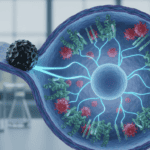
Air pollution tips this balance. When particles smaller than 2.5 micrometres reach your alveoli, they don’t just sit there. These PM2.5 particles carry metals, chemicals, and other compounds that interact directly with lung cells. The cells recognise these foreign substances as threats and respond by ramping up their defensive systems.
But here’s where things go wrong. The cellular response often produces more reactive oxygen species than the original threat warranted. Your immune cells release inflammatory signals, your epithelial cells increase their metabolic activity, and your entire lung environment shifts toward oxidation.
What the research shows
Scientists have measured exactly what happens when pollution hits lung tissue. Within two hours of exposure to diesel exhaust particles, researchers observe a three-fold increase in hydrogen peroxide levels in lung fluid. The cells lining your airways start producing nitric oxide and superoxide at accelerated rates.
Studies using lung tissue samples show that exposure to ozone depletes glutathione levels by up to 40% within six hours. This matters because glutathione acts like a molecular sponge, soaking up harmful reactive species before they can damage cell membranes and DNA.
The particle size makes a huge difference. Researchers found that ultrafine particles (less than 0.1 micrometres) penetrate deep into lung tissue and cross into the bloodstream. These tiny invaders trigger oxidative stress not just in lung cells, but throughout the cardiovascular system. Traffic-related pollution specifically increases markers of oxidative damage in the blood within hours of exposure.
Long-term studies reveal something even more concerning. People living near major roads show chronically elevated levels of oxidative stress markers in their exhaled breath. Their lung cells exist in a constant state of mild inflammation, never quite returning to baseline between pollution exposures.
Why cells need this response
Your lung cells didn’t evolve to handle car exhaust and industrial emissions, but their oxidative stress response made perfect sense in our ancestral environment. This system originally developed to handle natural irritants like dust, smoke from fires, and microbial threats.
When working properly, oxidative stress serves as both a warning system and a cleaning mechanism. Reactive oxygen species help kill bacteria and viruses that make it past your upper respiratory defences. They also signal to surrounding cells that something dangerous has arrived, triggering coordinated defensive responses.
The inflammation that accompanies oxidative stress helps recruit immune cells to the affected area. In theory, these reinforcements should clear the threat and allow tissues to return to normal. Evolution shaped this system for occasional, short-term challenges, not for the constant barrage of pollutants that modern lungs face.
The problem emerges when this helpful system gets overwhelmed. Chronic activation transforms a protective mechanism into a destructive force that damages the very tissues it evolved to protect.
What affects pollution-induced oxidative stress
Not everyone responds to air pollution the same way. Age plays a major role. Children and older adults show higher levels of oxidative stress markers after pollution exposure, partly because their antioxidant systems are either still developing or declining.
Your genetic makeup influences how well your cells handle oxidative challenges. People with variations in genes controlling glutathione production or antioxidant enzymes show greater susceptibility to pollution-induced lung damage. These genetic differences help explain why some people develop respiratory problems in polluted areas while others seem relatively unaffected.
Exercise creates an interesting paradox. Regular physical activity strengthens your cellular antioxidant systems over time, making your lungs more resilient to pollution. But exercising in polluted air increases your breathing rate and depth, delivering more harmful particles to your lung tissue. The timing and location of exercise matter enormously.
Nutrition influences your cellular defences too. Diets rich in antioxidants like vitamin C, vitamin E, and selenium help maintain robust cellular protection systems. Studies show that people with higher dietary antioxidant intake have lower markers of oxidative stress even when exposed to similar pollution levels.
Indoor air quality affects your total oxidative burden. Cooking, cleaning products, and even some furniture release compounds that contribute to oxidative stress. Your lungs don’t distinguish between outdoor PM2.5 and indoor volatile organic compounds when mounting their defensive response.
What remains unknown
Scientists still puzzle over why some pollutants trigger massive oxidative responses while others cause relatively little cellular disruption. The chemical composition of particles matters, but researchers haven’t fully mapped which specific compounds cause the most damage to lung cells.
The role of particle interactions remains murky. When different pollutants mix in the air, do they become more or less harmful to cellular systems? Early research suggests some combinations amplify oxidative stress, but the mechanisms aren’t clear.
Researchers don’t fully understand how cells recover from pollution-induced oxidative stress. How long do elevated reactive oxygen levels persist after exposure ends? Do lung cells develop tolerance to repeated pollution exposure, or does each encounter cause cumulative damage?
The connection between short-term oxidative stress and long-term lung health needs more investigation. Scientists can measure immediate cellular responses to pollution, but linking these changes to the development of respiratory diseases years later requires massive, long-term studies that are just beginning to yield results.
The cellular cost of modern air
Understanding how pollution triggers oxidative stress in lung cells reveals both the remarkable sensitivity of our cellular defence systems and their vulnerability to modern environmental challenges. Your lungs process about 11,000 litres of air daily, filtering and responding to whatever you breathe. The oxidative stress response that once protected our ancestors from occasional smoke and dust now faces an unprecedented chemical complexity that evolution never anticipated. This cellular-level perspective on air pollution helps explain why respiratory health has become such a pressing concern in our industrialised world.

Matt Elliott is the editor of Redox News Today, an independent publication covering peer-reviewed research on cellular health, redox signalling, and related biomedical science.