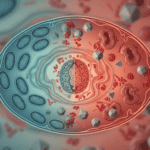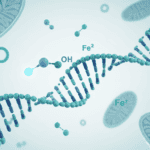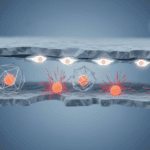
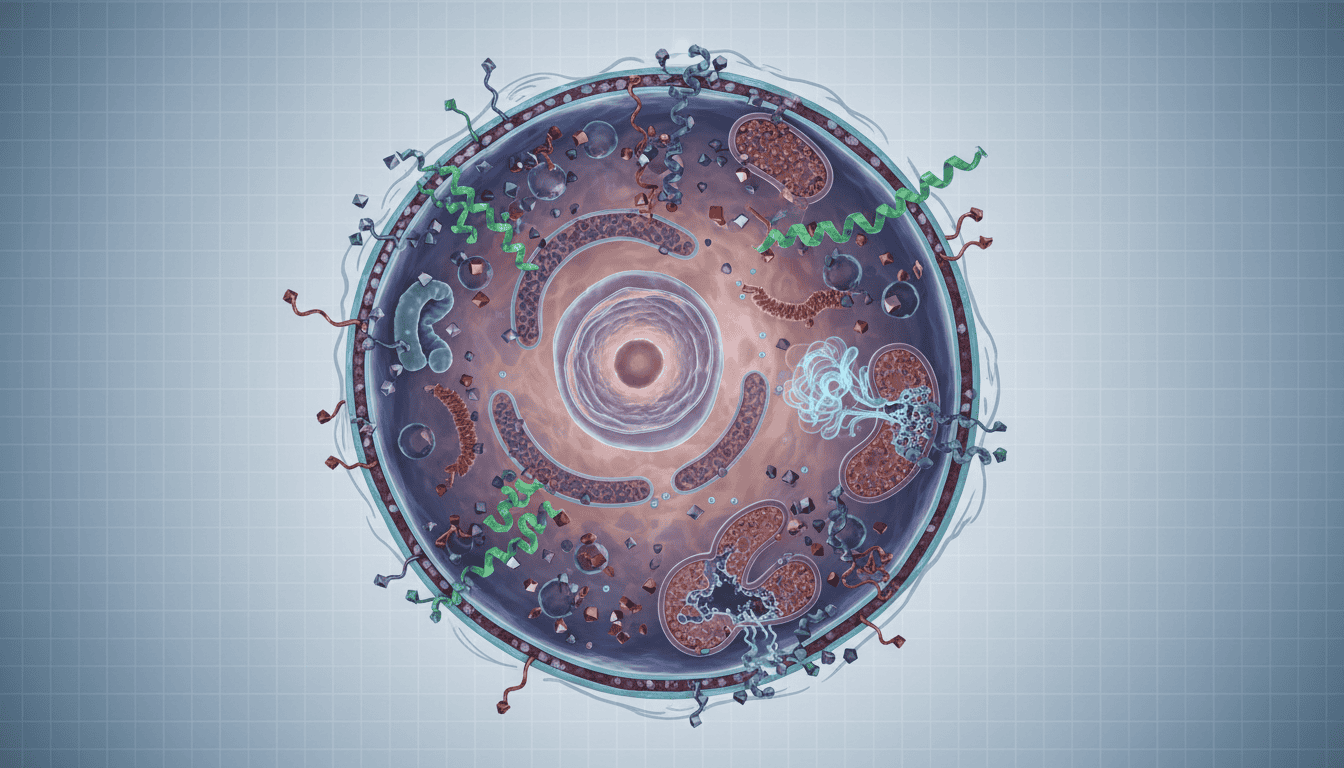
Your cells are equipped with sophisticated antioxidant systems that work like molecular fire brigades, rushing to neutralise damaging free radicals before they can cause harm. But some uninvited guests can sabotage this entire defence network. Heavy metals like lead, mercury, cadmium and arsenic don’t just damage cells directly – they systematically dismantle the very systems designed to protect against oxidative stress.
What is heavy metal oxidative damage
Heavy metals are elements with high atomic weights that become toxic when they accumulate in living tissues. Unlike essential minerals like iron or zinc, toxic heavy metals serve no biological purpose. They’re molecular troublemakers.
These metals trigger oxidative damage through multiple pathways simultaneously. They generate reactive oxygen species directly, much like throwing sparks into dry timber. But their real damage comes from a more insidious process – they bind to sulfur-containing amino acids in proteins, particularly cysteine residues that are critical for antioxidant enzyme function.
When lead ions bind to the active site of an antioxidant enzyme, they don’t just block it temporarily. They can permanently alter the protein’s shape, rendering it useless. Meanwhile, the metal continues generating free radicals, creating a double hit: more oxidative stress combined with weakened cellular defences.
What the research shows
Laboratory studies reveal how methodically heavy metals dismantle cellular protection. Researchers have observed that even low-level cadmium exposure depletes glutathione, the cell’s most abundant antioxidant, within hours. The metal binds directly to glutathione molecules, forming complexes that cells must expel, draining their antioxidant reserves.
Mercury demonstrates particular cunning in its cellular sabotage. Studies show it specifically targets selenoproteins, a family of antioxidant enzymes that depend on selenium to function. Mercury has a higher affinity for selenium than the enzymes do, effectively stealing this essential cofactor and leaving the proteins non-functional.
Population studies have tracked oxidative stress markers in people with different heavy metal exposures. Those with higher blood levels of lead show elevated lipid peroxidation markers, indicating that cellular membranes are under constant attack. The damage isn’t random – it follows predictable patterns based on which metals are present and their concentrations.
Research on arsenic exposure reveals another troubling mechanism. This metalloid interferes with cellular signalling pathways that normally upregulate antioxidant defences during stress. Cells exposed to arsenic become less capable of mounting protective responses when they encounter additional oxidative challenges.
Why cells need protection from metals
Heavy metals pose an evolutionary challenge that cellular defence systems weren’t designed to handle at current environmental levels. Throughout most of human evolution, exposure to toxic metals was minimal. Our antioxidant systems evolved primarily to manage oxidative stress from normal metabolism, inflammation and occasional environmental toxins.
The cellular machinery that manages essential metals like iron and copper relies on specific transport proteins and storage systems that keep these potentially dangerous elements safely sequestered. Heavy metals exploit these same transport systems, but cells lack equivalent storage and disposal mechanisms for toxic metals.
This creates a biological mismatch. Cells treat heavy metals like familiar guests, allowing them entry through normal channels. But once inside, these metals behave destructively, and cells struggle to remove them efficiently. The resulting oxidative damage can persist for months or years after initial exposure.
The brain faces particular vulnerability because many heavy metals can cross the blood-brain barrier, but brain tissue has relatively low antioxidant capacity compared to organs like the liver. This explains why neurological symptoms often appear prominently in heavy metal toxicity.
What affects heavy metal exposure
Environmental factors play the primary role in heavy metal exposure. Industrial pollution, contaminated water supplies, and agricultural practices that use metal-containing pesticides or fertilisers create the main exposure pathways. People living near mining operations, smelters, or certain manufacturing facilities face higher risks.
Dietary choices influence exposure significantly. Larger predatory fish accumulate mercury through the food chain, while certain crops grown in contaminated soils concentrate metals from the ground. Rice, for example, readily absorbs arsenic from soil and water, making it a major exposure source in some regions.
Individual genetic variations affect how efficiently people can process and eliminate heavy metals. Polymorphisms in genes encoding metallothionein proteins, which help bind and transport metals, influence susceptibility to metal-induced oxidative damage. Some people are simply better equipped to handle exposure than others.
Age matters considerably. Children absorb metals more readily than adults and have developing antioxidant systems that may be overwhelmed more easily. Older adults often show accumulated metal burdens from decades of exposure, combined with declining antioxidant capacity.
Nutritional status creates important interactions. Deficiencies in antioxidant nutrients like vitamin C, vitamin E, or selenium make cells more vulnerable to metal-induced oxidative damage. Conversely, adequate nutrition provides some protection, though it cannot completely offset significant metal exposure.
What remains unknown
Scientists are still working to understand how different heavy metals interact when present simultaneously. Most research examines individual metals, but real-world exposure typically involves mixtures. These metals may have additive effects, or they might interfere with each other’s toxicity in ways researchers haven’t fully mapped.
The long-term consequences of low-level chronic exposure remain unclear. While acute heavy metal poisoning produces obvious symptoms, the effects of decades-long exposure to levels just above background are harder to study and quantify.
Researchers are investigating whether certain interventions might help cells better manage metal-induced oxidative stress. Some compounds appear to enhance the body’s natural detoxification pathways, but translating laboratory findings into practical applications requires much more research.
The epigenetic effects of heavy metals represent another frontier. These substances appear to alter gene expression patterns in ways that might persist across generations, but the mechanisms and implications aren’t yet clear.
Heavy metals represent a modern challenge to ancient cellular defence systems. Understanding how these substances hijack our molecular machinery offers insights into both toxicology and the fundamental ways cells maintain oxidative balance. This research underscores how environmental factors can overwhelm biological systems that evolved under very different conditions, highlighting the intricate relationship between our cellular health and the chemical environment we’ve created.

Matt Elliott is the editor of Redox News Today, an independent publication covering peer-reviewed research on cellular health, redox signalling, and related biomedical science.