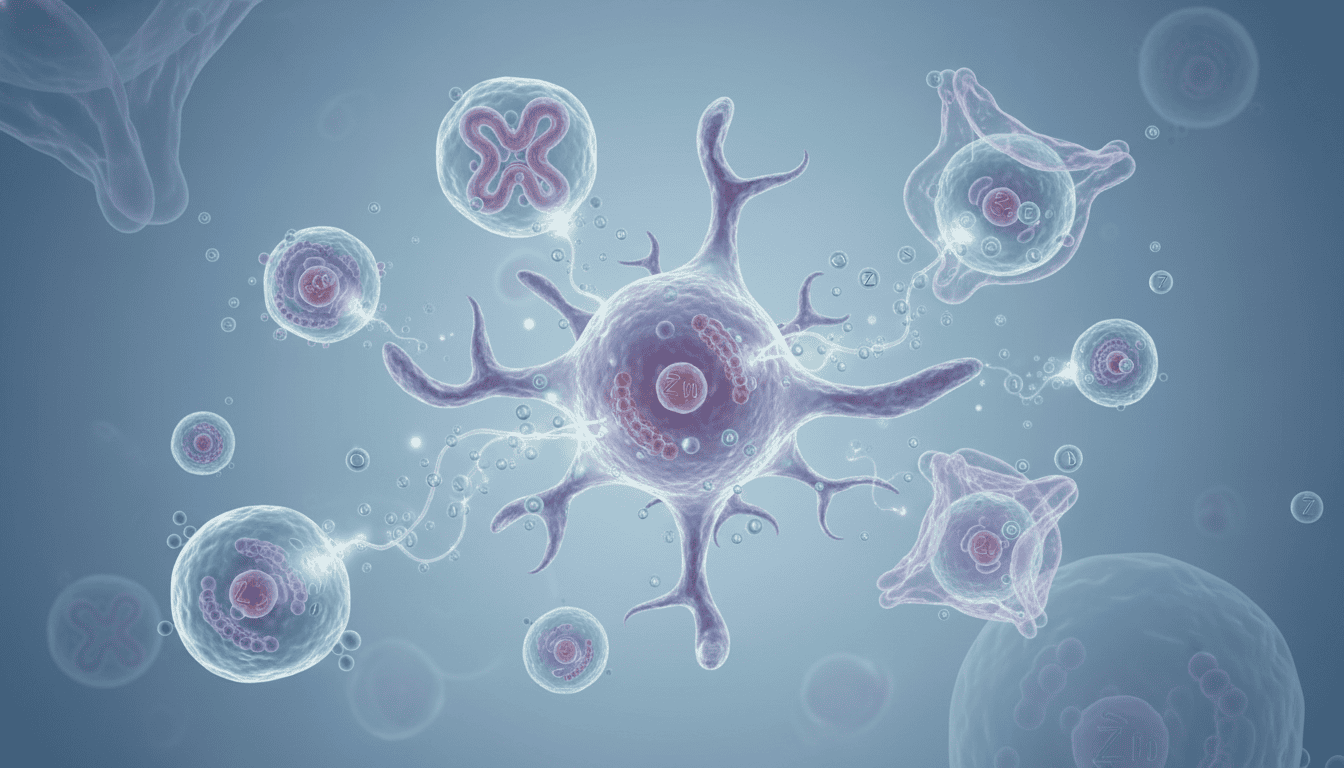
Understanding Zinc as a Cellular Messenger
Zinc stands as one of the most versatile micronutrients in human biology, serving functions that extend far beyond its traditional role as an enzyme cofactor. Within immune cells, zinc operates as a sophisticated signalling molecule, orchestrating communication pathways that determine how effectively our bodies respond to pathogens and maintain cellular defence systems. This essential trace element influences everything from the initial recognition of threats to the coordinated mobilisation of immune responses, making it a cornerstone of cellular health.
The concept of zinc as a signalling molecule represents a relatively recent understanding in immunology. Unlike static structural components, zinc ions can rapidly move between cellular compartments, creating dynamic concentration gradients that serve as information carriers. These zinc signals help immune cells interpret their environment, communicate with neighbouring cells, and execute appropriate responses to various challenges.
Zinc Signalling in Innate Immunity
The innate immune system relies heavily on zinc signalling for rapid threat detection and response. Neutrophils, the body’s first responders to infection, contain specialised zinc storage compartments called zincosomes. When these cells encounter pathogens, they release zinc in a controlled manner, creating localised zones of elevated zinc concentration that enhance antimicrobial activity.
Macrophages, another critical component of innate immunity, demonstrate sophisticated zinc handling mechanisms. These cells can rapidly sequester zinc from their surroundings, depriving invading microorganisms of this essential nutrient whilst simultaneously using zinc signals to coordinate their own activation processes. The redistribution of zinc within macrophages influences gene expression patterns, determining whether these cells adopt inflammatory or healing phenotypes.
Dendritic cells, the sentries of the immune system, also depend on zinc signalling for optimal function. These cells must process and present antigens to other immune cells, a complex task that requires precise coordination of multiple cellular processes. Zinc availability affects the maturation of dendritic cells and their ability to migrate to lymph nodes where they initiate adaptive immune responses.
Adaptive Immune Response Coordination
The adaptive immune system’s sophisticated responses depend critically on zinc signalling networks. T helper cells require adequate zinc availability to differentiate into specialised subsets, each tailored to address specific types of threats. The balance between different T helper cell populations can shift based on zinc availability, influencing whether immune responses favour cellular immunity, antibody production, or regulatory functions.
B cells, responsible for antibody production, demonstrate remarkable sensitivity to zinc fluctuations. The process of antibody class switching, where B cells modify the type of antibodies they produce to match specific threats, involves zinc dependent signalling pathways. Additionally, the formation of memory B cells, which provide long term protection against previously encountered pathogens, requires optimal zinc signalling.
Regulatory T cells, which prevent excessive immune activation and maintain tolerance to self tissues, also rely on zinc signalling mechanisms. These cells help prevent autoimmune reactions and control the intensity of immune responses, functions that become compromised when zinc signalling is disrupted.
Cellular Zinc Transport and Homeostasis
The effectiveness of zinc signalling depends on sophisticated transport systems that move zinc ions across cellular membranes and between intracellular compartments. Zinc transporter proteins form two main families: ZIP transporters, which increase intracellular zinc availability, and ZnT transporters, which reduce cytoplasmic zinc concentrations by moving zinc into organelles or out of cells.
Different immune cells express unique combinations of zinc transporters, allowing them to create distinct zinc signalling signatures. During immune activation, the expression of these transporters changes dynamically, enabling cells to fine tune their zinc handling capacity based on functional demands. This flexibility allows immune cells to adapt their zinc signalling networks to match the specific requirements of different immune responses.
Metallothioneins, small proteins that bind multiple zinc ions, serve as cellular zinc buffers and sensors. These proteins can rapidly release or sequester zinc based on cellular conditions, providing a mechanism for rapid signal transmission. Changes in metallothionein expression alter cellular zinc availability and modify immune cell responsiveness.
Zinc Deficiency and Immune Dysfunction
When zinc availability becomes limited, immune cell signalling networks experience significant disruption. Zinc deficiency affects multiple aspects of immune function simultaneously, creating cascading effects that compromise both innate and adaptive immunity. The resulting immune dysfunction manifests as increased susceptibility to infections, delayed wound healing, and altered inflammatory responses.
Mild zinc deficiency, which may not produce obvious clinical symptoms, can still significantly impact immune cell communication. Subtle changes in zinc signalling can shift immune responses in ways that increase vulnerability to certain types of infections whilst potentially exacerbating inflammatory conditions. These effects highlight the importance of maintaining optimal zinc status for immune system function.
Population studies reveal that zinc deficiency affects approximately two billion people worldwide, making it one of the most common micronutrient deficiencies. This widespread deficiency has significant implications for global immune health, particularly in regions where infectious diseases remain major health challenges.
Implications for Cellular Health Research
Understanding zinc’s role in immune cell signalling opens new avenues for investigating how micronutrients influence broader aspects of cellular health. The sophisticated signalling networks that govern immune function share many similarities with those that regulate cellular metabolism, stress responses, and tissue repair processes. Research into zinc signalling mechanisms provides insights into fundamental cellular communication principles that extend beyond immunity.
The dynamic nature of zinc signalling also illustrates how cells integrate multiple environmental inputs to generate appropriate responses. This integration represents a key aspect of cellular health, enabling tissues to adapt to changing conditions whilst maintaining essential functions. As our understanding of these signalling networks continues to expand, it becomes increasingly clear that optimal cellular health depends on the proper functioning of numerous interconnected communication systems, with zinc serving as a critical component in many of these essential pathways.

Matt Elliott is the editor of Redox News Today, an independent publication covering peer-reviewed research on cellular health, redox signalling, and related biomedical science.