
Your body’s antioxidant defences exist to protect cells from damage. But cancer cells have learned to hijack these very same protective systems, turning them into tools for their own survival and spread. This cellular betrayal helps explain why some of the most aggressive tumours are also the most resistant to treatment.
What are antioxidant systems
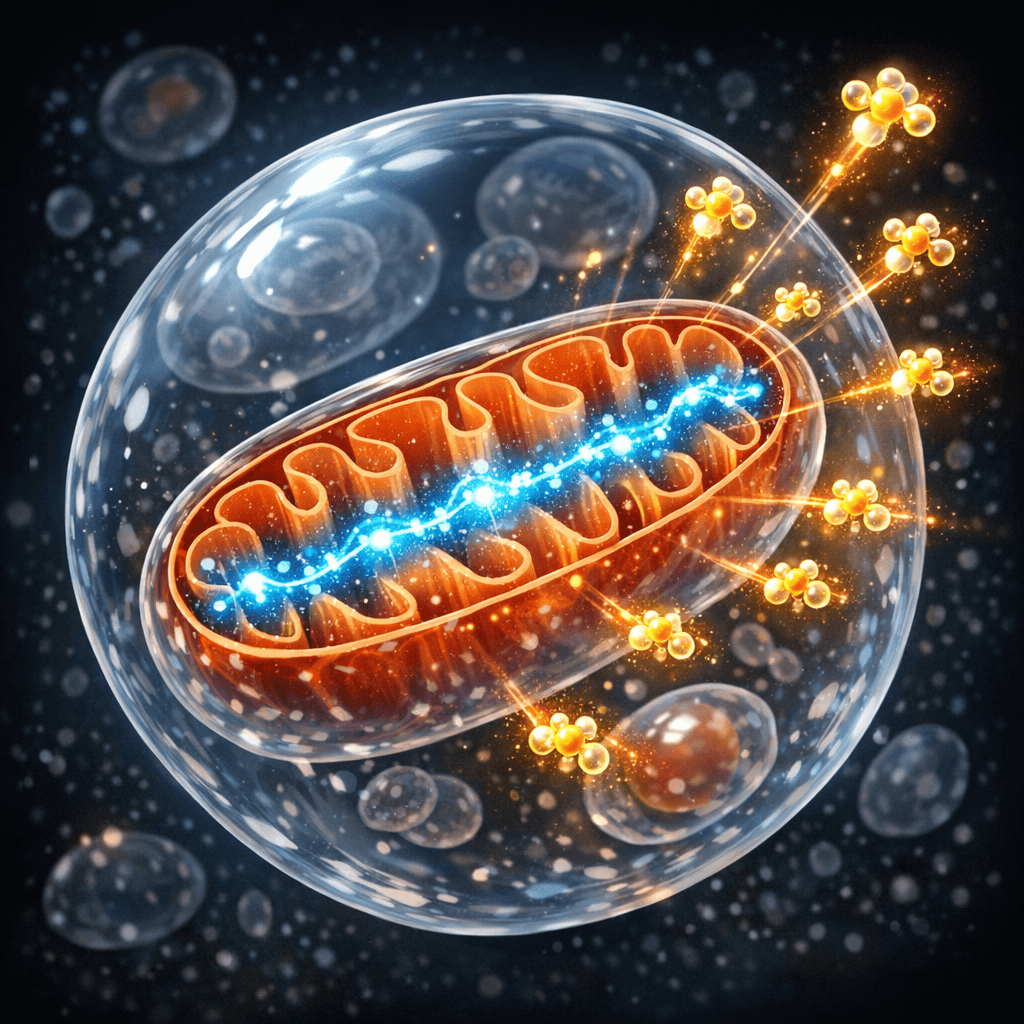
Every cell in your body runs on controlled chemical reactions that produce reactive oxygen species as byproducts. Think of these molecules like sparks flying off a campfire. In small amounts, they serve useful purposes like killing bacteria and sending cellular signals. Too many, however, and they start damaging DNA, proteins, and cell membranes.
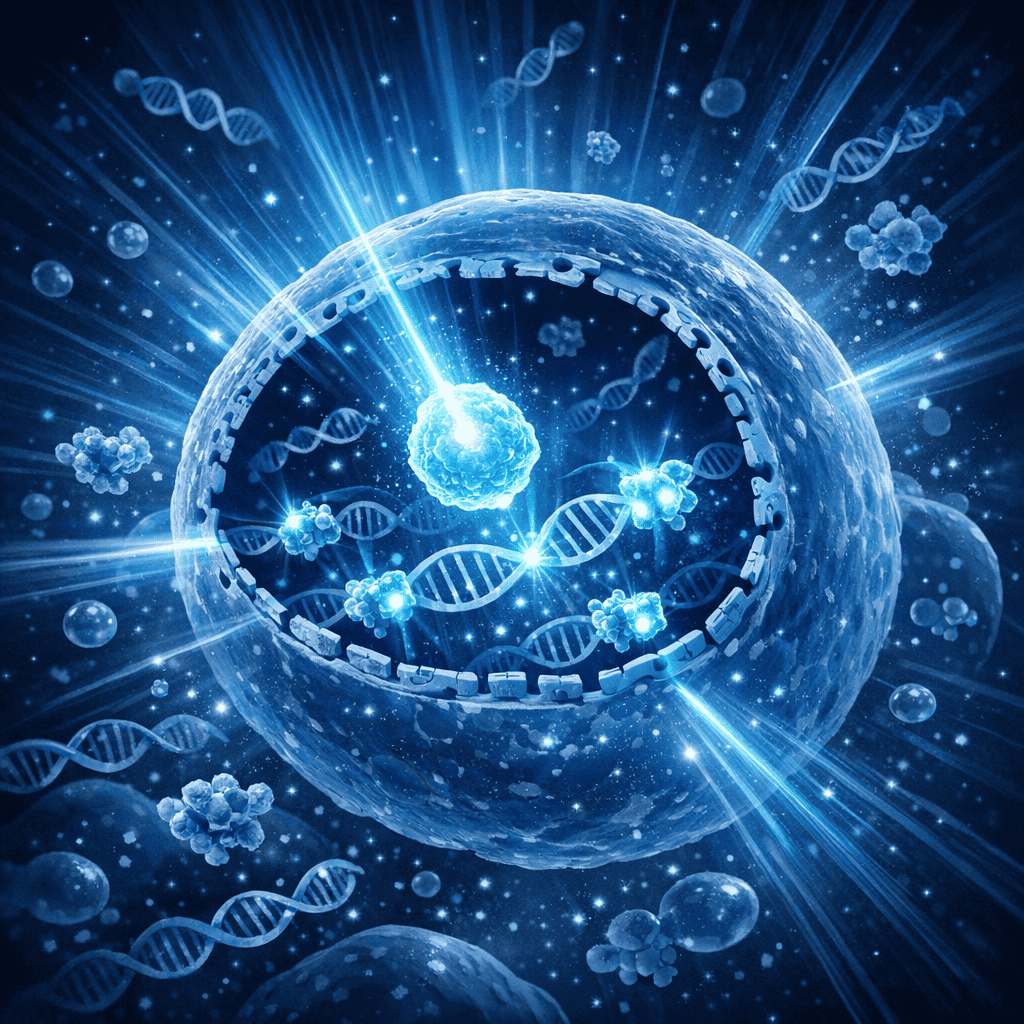
Cells have evolved sophisticated defence networks to manage this oxidative stress. The NRF2 pathway acts as the master coordinator, detecting when reactive oxygen levels climb too high and switching on genes that produce antioxidant enzymes. These enzymes work like molecular fire extinguishers, neutralising harmful molecules before they can cause serious damage.
Glutathione sits at the heart of this defence system. This small molecule acts as the cell’s primary antioxidant, directly scavenging reactive species and helping repair damaged proteins. Healthy cells maintain careful control over their antioxidant production, ramping it up during stress and scaling it back when the threat passes.
What the research shows
Scientists have discovered that many cancer cells don’t just maintain their antioxidant systems. They supercharge them. Tumour cells often show dramatically elevated levels of NRF2 activity, sometimes producing antioxidant enzymes at rates five to ten times higher than normal cells.
This antioxidant boost helps cancer cells survive in hostile environments where healthy cells would die. Researchers have observed tumour cells thriving in oxygen-poor regions of tissues, areas that would normally trigger cell death programs. The enhanced antioxidant defences allow them to tolerate the toxic byproducts of their abnormal metabolism.
Perhaps most troubling, cancer cells use these heightened defences to resist chemotherapy and radiation. Many cancer treatments work by overwhelming tumour cells with oxidative damage. But cells with supercharged antioxidant systems can neutralise this damage faster than it accumulates. Studies show that tumours with the highest NRF2 activity often respond poorly to conventional treatments.
The antioxidant advantage also appears to help cancer cells spread. Metastatic cells face enormous oxidative stress as they break away from their original location and establish new colonies. Research indicates that the most successful metastatic cells have particularly robust antioxidant defences.
Why cells need this
The ability to ramp up antioxidant production evolved as a survival mechanism for extreme situations. When cells face severe stress, infection, or toxic exposure, cranking up their defences can mean the difference between life and death. This response helps organisms survive environmental challenges that would otherwise prove fatal.
Cancer cells exploit this ancient survival program for their own purposes. They exist in a constant state of metabolic stress, producing energy through inefficient pathways that generate massive amounts of reactive oxygen species. Without enhanced antioxidant defences, most cancer cells would effectively poison themselves with their own waste products.
The same protective mechanisms that help healthy cells survive temporary crises become permanent features in many tumours. Cancer cells have essentially learned to live in emergency mode, using stress response pathways as everyday survival tools.
What affects antioxidant exploitation
Genetic mutations play a major role in determining which cancer cells can successfully hijack antioxidant systems. Mutations that permanently activate NRF2 or disable its normal regulatory controls give tumour cells a significant survival advantage. These changes allow continuous antioxidant production without the usual cellular oversight.
The tissue environment also influences how cancer cells use antioxidant defences. Tumours growing in oxygen-poor areas tend to develop stronger antioxidant systems than those with better blood supply. The chronic stress of nutrient deprivation appears to select for cells with superior protective mechanisms.
Certain cancer treatments can inadvertently promote antioxidant system exploitation. Repeated exposure to chemotherapy or radiation creates selective pressure that favours cells with the strongest defences. This helps explain why some tumours become increasingly treatment-resistant over time.
Age-related changes in cellular regulation may also contribute to antioxidant system misuse. As normal regulatory mechanisms weaken with ageing, cells become more likely to maintain inappropriately high levels of defensive enzyme production.
What remains unknown
Scientists are still working to understand exactly how cancer cells rewire their antioxidant systems without triggering safeguards that normally prevent such changes. The cellular mechanisms that distinguish appropriate stress responses from pathological exploitation remain poorly defined.
The timing of antioxidant system changes during cancer development presents another puzzle. Researchers don’t fully understand whether enhanced antioxidant defences promote initial cancer formation or primarily help established tumours survive and spread.
The relationship between different antioxidant pathways in cancer cells needs more investigation. While NRF2 gets the most attention, cells have multiple overlapping defensive systems. How these networks interact in cancer cells and whether they can compensate for each other remains unclear.
Perhaps most critically, scientists are trying to determine whether targeting antioxidant systems in cancer cells can be done safely. Since healthy cells also depend on these defences, finding ways to selectively disrupt them in tumours without harming normal tissue poses a significant challenge.
Understanding how cancer cells corrupt protective cellular systems reveals both the ingenuity of tumour biology and potential therapeutic vulnerabilities. As researchers map these hijacked pathways more precisely, they may uncover new approaches to treatment that turn the cancer cell’s defensive strengths into weaknesses. The same antioxidant systems that help tumours survive might eventually become their downfall.

Matt Elliott is the editor of Redox News Today, an independent publication covering peer-reviewed research on cellular health, redox signalling, and related biomedical science.