Your skin cells make the same antioxidant molecules at 70 as they did at 20. The difference? At 70, they’re fighting a war they’ve been losing for decades. Every time UV light hits your skin, it triggers a cascade of free radical damage that your cellular defences struggle to contain. This imbalance between free radical production and antioxidant protection drives the visible signs of ageing we see in mirrors and photographs.
What is oxidative stress in skin cells
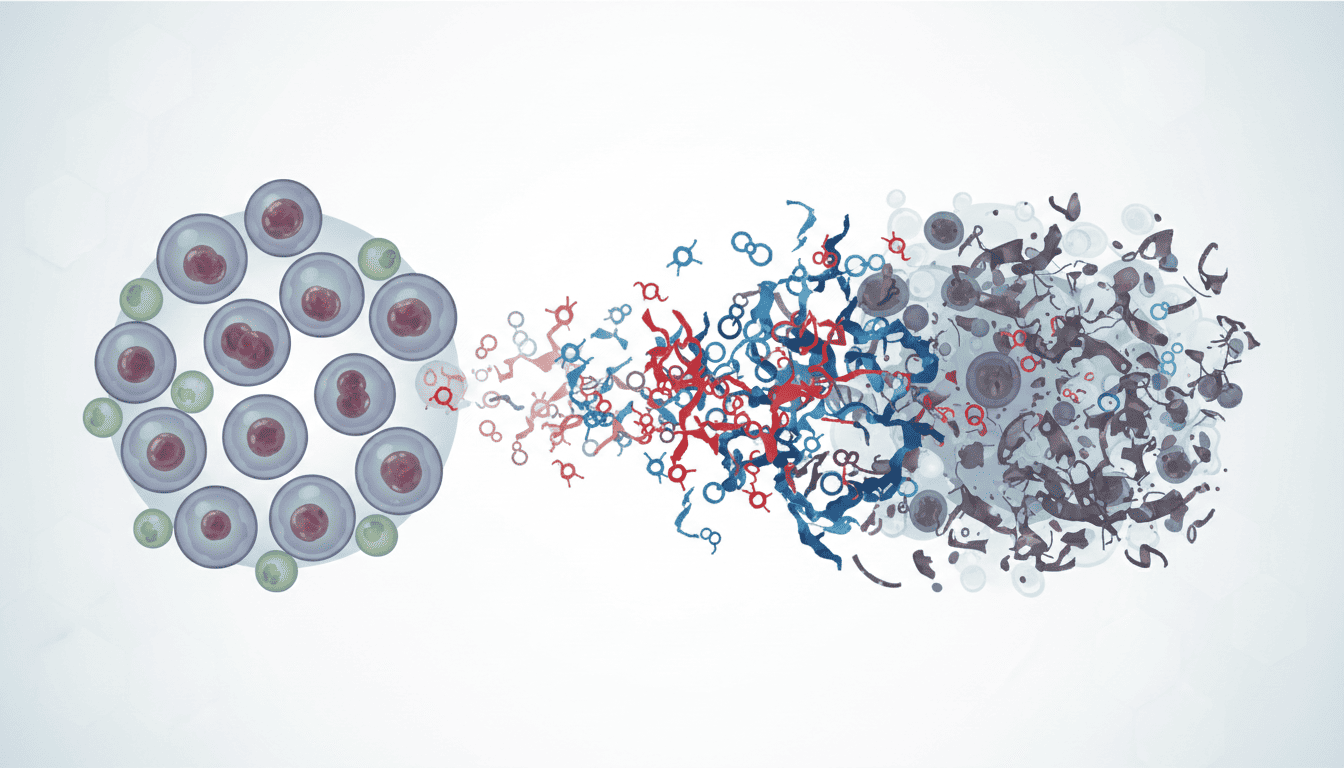
Oxidative stress happens when your skin cells produce more free radicals than their antioxidant systems can neutralise. Free radicals are molecules missing an electron, making them incredibly reactive. They steal electrons from whatever they encounter first. In skin, this usually means proteins, lipids, and DNA.
Think of it like molecular vandalism. A single free radical can damage a collagen molecule, which then becomes unstable and damages another molecule. This creates a chain reaction of cellular destruction that antioxidants work to stop.
Your skin has several layers of antioxidant defence. Vitamin C patrols the watery parts of cells, while vitamin E guards fatty membranes. Glutathione acts like a cellular recycling system, restoring other antioxidants so they can fight again. Catalase and superoxide dismutase work like specialised cleanup crews, breaking down specific types of free radicals.
When these systems get overwhelmed, oxidative stress takes hold. The damage accumulates faster than cells can repair it.
What the research shows
Scientists have measured exactly what happens when UV light hits skin cells. Within minutes, free radical levels spike 50 to 100 times higher than normal. The damage isn’t random. Free radicals target specific cellular structures that keep skin looking young.
Collagen takes the biggest hit. Researchers have found that oxidative stress breaks down existing collagen fibres and blocks the production of new ones. This double attack explains why sun-damaged skin loses its firmness and develops deep wrinkles. The collagen matrix that once provided structural support becomes fragmented and weak.
Elastin fibres suffer similar damage. These proteins normally snap back after stretching, giving skin its bounce and resilience. Oxidative stress causes elastin to clump together in useless tangles. Dermatologists call this solar elastosis, and you can see it as the leathery, yellowed appearance of chronically sun-exposed skin.
DNA damage from free radicals shows up as mutations in skin cell genes. Some cells die outright. Others survive with damaged genetic instructions, leading to irregular pigment production. This creates the uneven skin tone and age spots that characterise photoaged skin.
Studies comparing sun-protected skin with sun-exposed skin from the same person reveal the dramatic difference oxidative stress makes. Protected skin maintains organised collagen, intact elastin, and even pigmentation. Exposed skin shows all the hallmarks of free radical warfare.
Why cells need this oxidative balance
Free radicals aren’t entirely villains. Your immune cells use them as weapons against bacteria and viruses. Skin cells produce controlled amounts of free radicals for normal signalling processes. Some free radicals even trigger protective responses that help cells adapt to stress.
The problem arises when production overwhelms control systems. Evolution shaped our antioxidant defences for the UV exposure our ancestors experienced. Modern lifestyles often exceed those limits.
Your skin’s antioxidant systems also serve as early warning networks. When free radical levels rise, they trigger cellular repair programs and protective responses. NRF2, a master regulatory protein, detects oxidative stress and activates genes for antioxidant production. This system works well for acute stress but struggles with chronic overload.
The balance between oxidative stress and antioxidant protection helps regulate cellular turnover. Mild oxidative stress signals old or damaged cells to die and be replaced. Too much stress kills healthy cells faster than they can be renewed.
What affects skin oxidative stress
UV radiation dominates the list of factors that increase skin oxidative stress. UVA rays penetrate deeper and generate free radicals in the dermis where collagen and elastin live. UVB rays pack more energy and cause immediate DNA damage in surface cells.
Air pollution adds another layer of oxidative assault. Particulate matter and chemical pollutants generate free radicals when they contact skin. Urban environments can double the oxidative stress load compared to clean air locations.
Age itself changes the oxidative balance. Older skin produces fewer antioxidants while generating more free radicals during normal metabolism. The cellular repair systems that fix oxidative damage also slow down with age.
Smoking floods skin cells with free radicals from inhaled toxins while depleting vitamin C and other antioxidants. Research shows smokers develop premature skin ageing that mirrors UV damage patterns.
Diet influences skin antioxidant levels. Studies find that people eating more fruits and vegetables have measurably higher skin antioxidant concentrations. These dietary antioxidants supplement the molecules skin cells make themselves.
Sleep affects oxidative stress through multiple pathways. During deep sleep, cells ramp up antioxidant production and DNA repair. Chronic sleep loss leaves skin more vulnerable to free radical damage.
What remains unknown
Scientists still debate which types of free radicals cause the most skin damage. Different UV wavelengths generate different radicals, but their relative contributions to ageing remain unclear. This knowledge gap complicates efforts to design targeted protective strategies.
The timing of antioxidant interventions raises questions researchers are still exploring. Should you boost antioxidants before sun exposure, during exposure, or after? Each approach targets different stages of the oxidative damage cascade.
Individual genetic variations affect both free radical production and antioxidant capacity. Some people’s skin ages faster in identical conditions, suggesting inherited differences in oxidative stress susceptibility. Identifying these genetic factors could personalise skin protection approaches.
Researchers don’t fully understand how different antioxidants work together. Vitamin C regenerates vitamin E, but dozens of other antioxidant molecules interact in ways scientists are still mapping. This complexity makes it difficult to predict how boosting one antioxidant affects the entire system.
The relationship between internal antioxidant status and skin appearance needs more study. Blood antioxidant levels don’t always correlate with skin antioxidant concentrations, suggesting local factors play a bigger role than previously thought.
Understanding oxidative stress in skin reveals how cellular damage accumulates over decades of exposure. Your skin cells fight the same molecular battles every day, with the cumulative results written across your face. This ongoing research into free radicals and antioxidants continues to reveal the intricate chemistry behind one of ageing’s most visible processes. The more scientists learn about these cellular defence systems, the clearer it becomes that skin ageing reflects the fundamental challenge all living cells face: maintaining order in a chemically chaotic world.

Matt Elliott is the editor of Redox News Today, an independent publication covering peer-reviewed research on cellular health, redox signalling, and related biomedical science.