
The Foundation of Skin Structure and Function
The skin serves as our body’s largest organ, comprising multiple layers that work together to protect us from environmental threats while maintaining vital functions. The outermost layer, the epidermis, acts as a protective barrier, whilst the deeper dermis contains the structural proteins collagen and elastin that give skin its strength, elasticity, and youthful appearance. Within these layers, millions of cells constantly renew themselves through carefully orchestrated processes that depend heavily on cellular energy production and proper redox signalling.
At the cellular level, skin cells called keratinocytes, fibroblasts, and melanocytes each play specific roles in maintaining skin health. Keratinocytes form the protective barrier, fibroblasts produce collagen and elastin, and melanocytes create pigment for UV protection. These cells rely on mitochondrial energy production and balanced redox reactions to function optimally. When cellular processes begin to decline, the visible signs of skin ageing start to appear.
Mitochondrial Decline and Energy Production
The ageing process in skin begins fundamentally with changes in cellular energy production. Mitochondria, the powerhouses of cells, gradually become less efficient at producing adenosine triphosphate (ATP), the universal energy currency. This decline affects all skin cell types but is particularly noticeable in fibroblasts, which require substantial energy to synthesise collagen and elastin proteins.
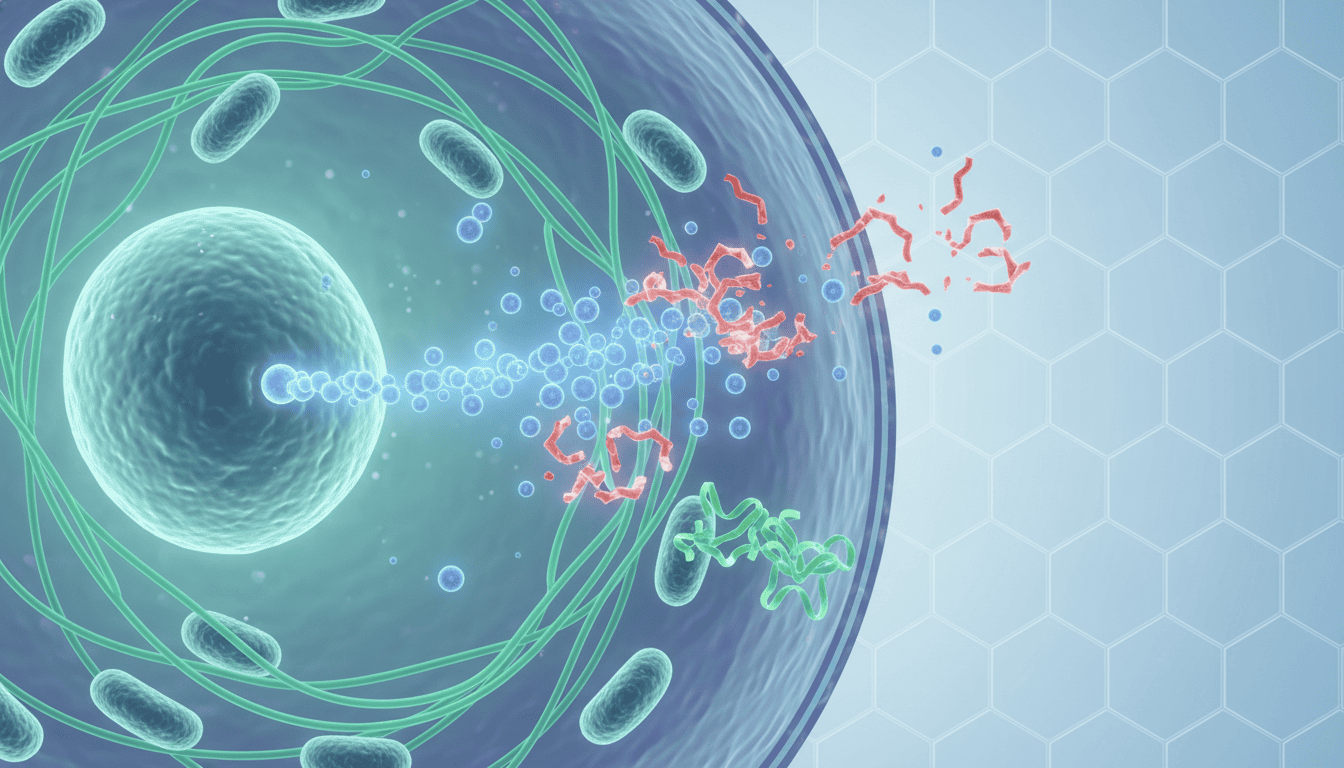
As mitochondrial function decreases, cells struggle to maintain their normal repair and regeneration processes. The electron transport chain, which normally produces ATP whilst generating controlled amounts of reactive oxygen species as signalling molecules, becomes increasingly inefficient. This leads to reduced cellular energy availability and altered redox signalling patterns that can disrupt normal cellular communication and repair mechanisms.
Research has shown that aged skin cells exhibit significantly fewer and less functional mitochondria compared to younger cells. This mitochondrial dysfunction creates a cascade effect, where reduced energy availability limits the cell’s ability to maintain proper protein synthesis, DNA repair, and cellular housekeeping functions that are essential for healthy skin maintenance.
Oxidative Stress and Redox Imbalance
Alongside declining energy production, skin cells experience progressive changes in their redox environment. Under normal circumstances, cells maintain a delicate balance between oxidising and reducing molecules, with reactive oxygen species serving important signalling functions whilst antioxidant systems prevent excessive oxidative damage.
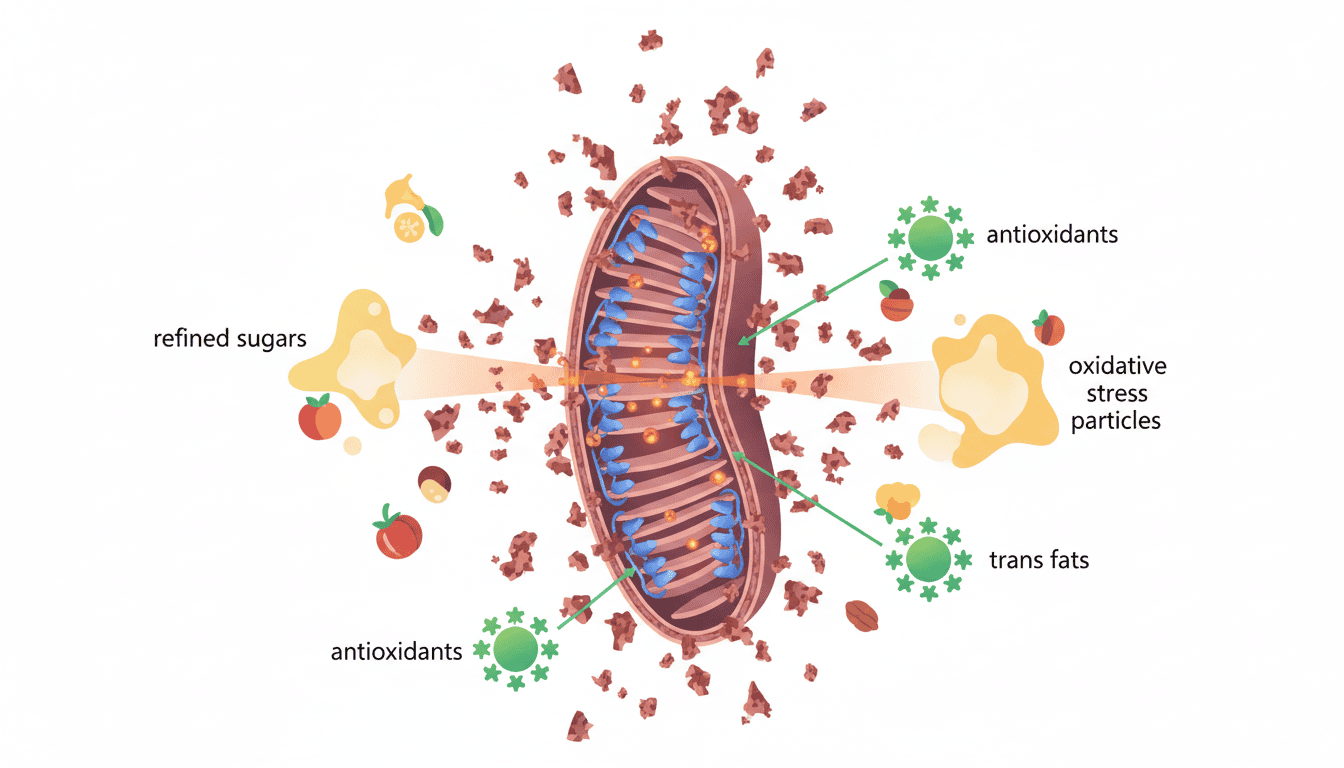
As cells age, this balance shifts towards a more oxidising environment. The production of reactive oxygen species may increase due to environmental factors like UV radiation and pollution, whilst the cellular antioxidant defence systems become less robust. Key antioxidant enzymes such as superoxide dismutase, catalase, and glutathione peroxidase show decreased activity over time.
This redox imbalance affects multiple aspects of skin cell function. Oxidative stress can damage important cellular components including lipids in cell membranes, proteins involved in structural support, and DNA that codes for essential repair mechanisms. The cumulative effect of these changes contributes to the breakdown of skin structure and the appearance of visible ageing signs.
Collagen Degradation and Synthesis Decline
One of the most significant cellular changes underlying skin ageing involves the metabolism of collagen, the protein that provides structural support and firmness to skin. Healthy fibroblasts continuously produce new collagen whilst enzymes called matrix metalloproteinases break down old or damaged collagen in a balanced cycle of renewal.
During the ageing process, this balance becomes disrupted at the cellular level. Fibroblasts gradually reduce their collagen production capacity, partly due to decreased cellular energy availability and altered gene expression patterns. Simultaneously, the activity of collagen degrading enzymes may increase, particularly in response to environmental stressors and inflammatory signals.
The cellular mechanisms controlling collagen synthesis involve complex signalling pathways that depend on proper redox balance and adequate energy supplies. When these fundamental cellular processes become compromised, the net result is a progressive loss of collagen content in the skin, leading to decreased firmness, elasticity, and the formation of fine lines and wrinkles.
Cellular Communication Breakdown
Healthy skin depends on sophisticated communication networks between different cell types. Cells release signalling molecules called cytokines, growth factors, and other messengers that coordinate tissue repair, regulate inflammation, and maintain proper cellular function. Many of these signalling processes involve redox sensitive pathways that can be disrupted when cellular redox balance shifts.
As skin cells age, their ability to send and receive these important signals becomes impaired. This communication breakdown affects wound healing, the skin’s response to environmental stressors, and the coordination of cellular renewal processes. Cells may become less responsive to growth factors that normally stimulate repair and regeneration, whilst inflammatory signalling pathways may become chronically activated.
The decline in cellular communication creates a self perpetuating cycle where damaged cells are less able to signal for help, repair mechanisms become less efficient, and the overall tissue environment becomes less supportive of healthy cellular function. This breakdown in cellular coordination contributes significantly to the visible signs of skin ageing.
Implications for Cellular Health Research
Understanding how skin ageing begins at the cellular level provides valuable insights into the fundamental mechanisms of cellular health and ageing throughout the body. The skin serves as an accessible window into cellular processes that occur in other organs and tissues, making it an important model for studying how mitochondrial function, redox signalling, and cellular communication change over time. This research contributes to our broader understanding of how maintaining optimal cellular energy production and redox balance may support healthy ageing processes across all body systems.

Matt Elliott is the editor of Redox News Today, an independent publication covering peer-reviewed research on cellular health, redox signalling, and related biomedical science.