How Skin Ageing Begins at the Cellular Level

Featured image for How Skin Ageing Begins at the Cellular Level

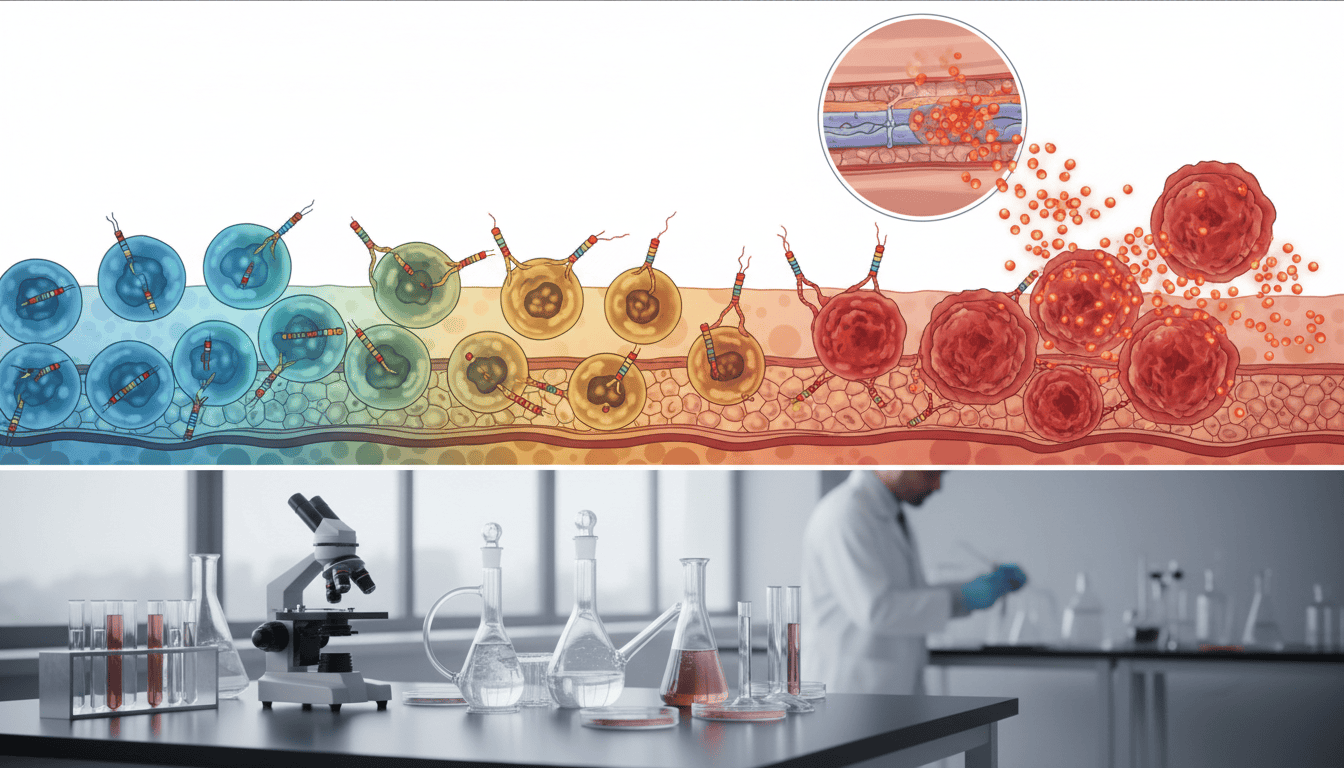
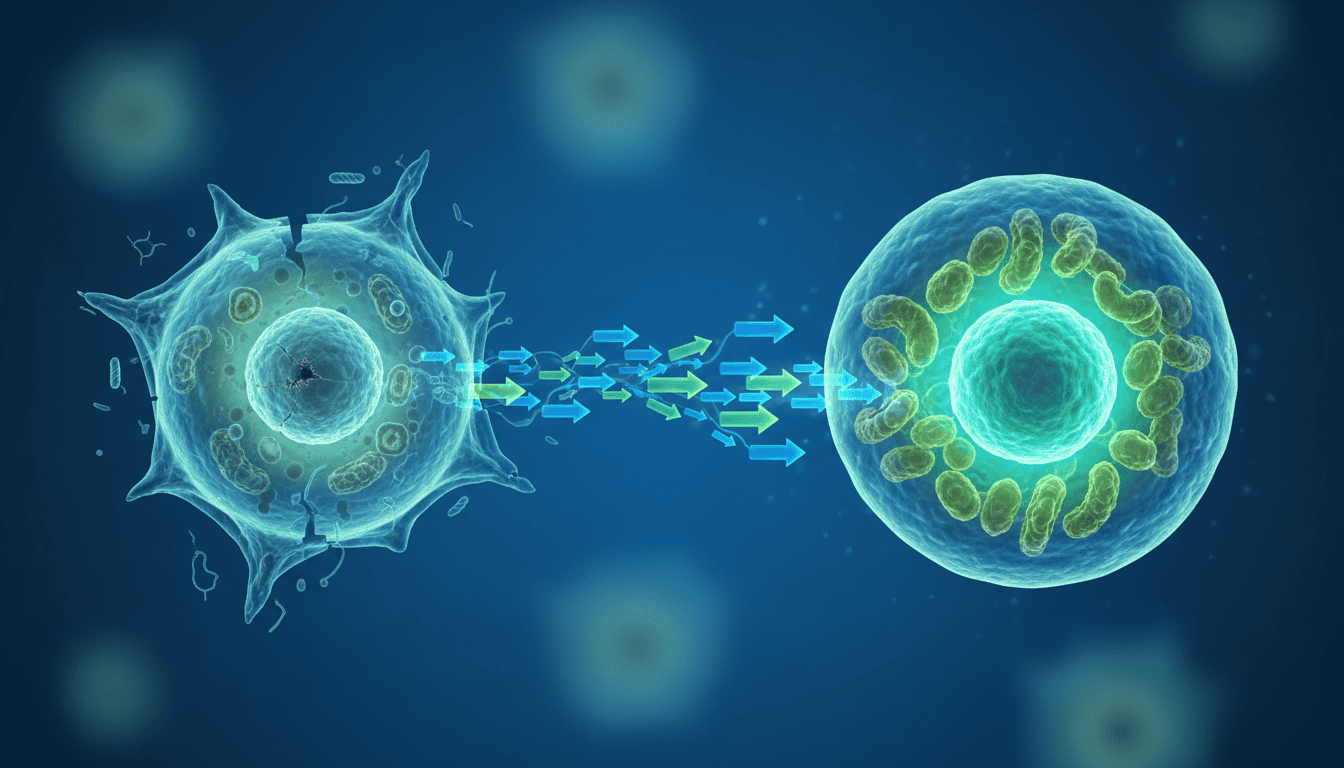
Skin ageing starts with fundamental changes in cellular energy production and redox signalling that occur long before visible signs appear. Understanding these cellular processes reveals how mitochondrial decline and oxidative stress contribute to structural changes in skin tissue.

The Cellular Clock: Why Some People Age Faster Than Others at the Molecular Level

Featured image for The Cellular Clock: Why Some People Age Faster Than Others at the Molecular Level

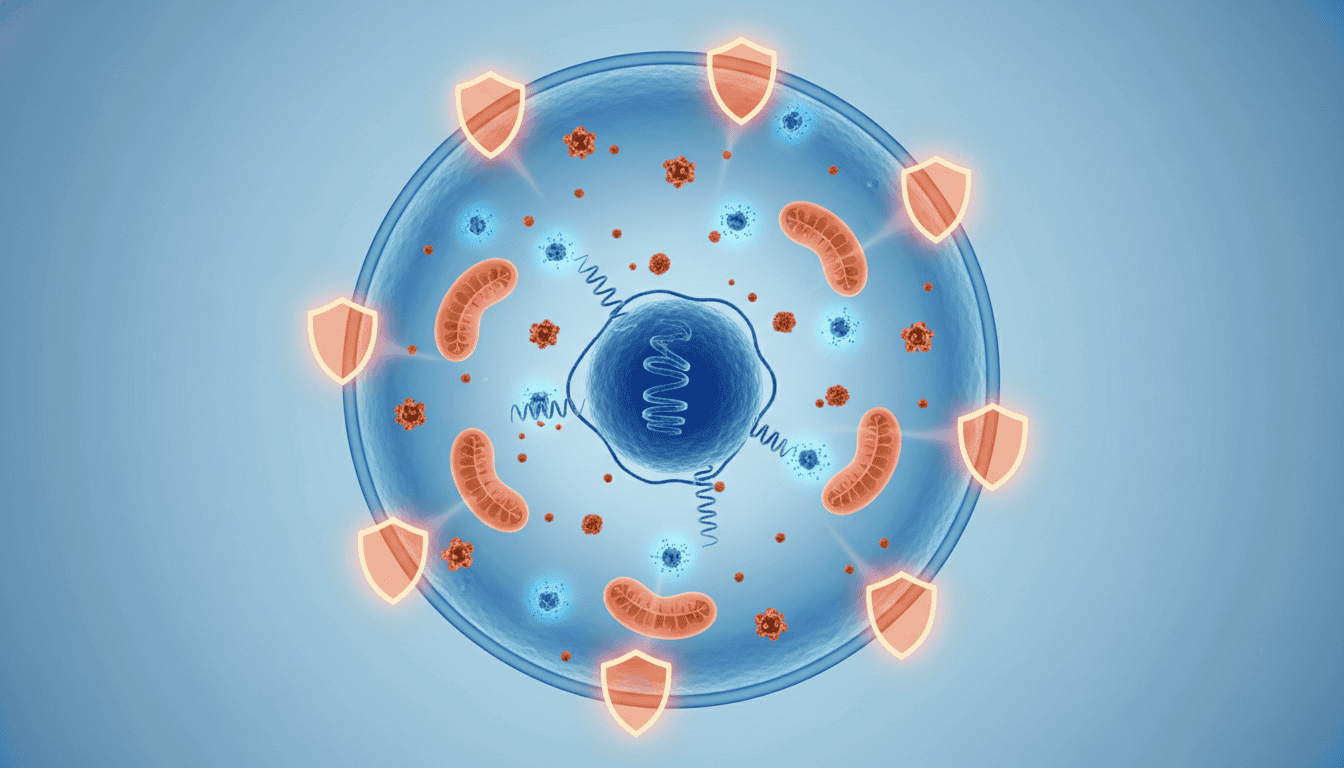
Scientists have discovered that cellular ageing varies dramatically between individuals due to differences in telomere maintenance, mitochondrial function, protein quality control, and DNA repair systems. These biological mechanisms, influenced by both genetics and lifestyle factors, explain why some people maintain youthful cellular function whilst others show accelerated ageing.

Telomeres and Time: How Chromosome Caps Reflect Biological Age

Featured image for Telomeres and Time: How Chromosome Caps Reflect Biological Age

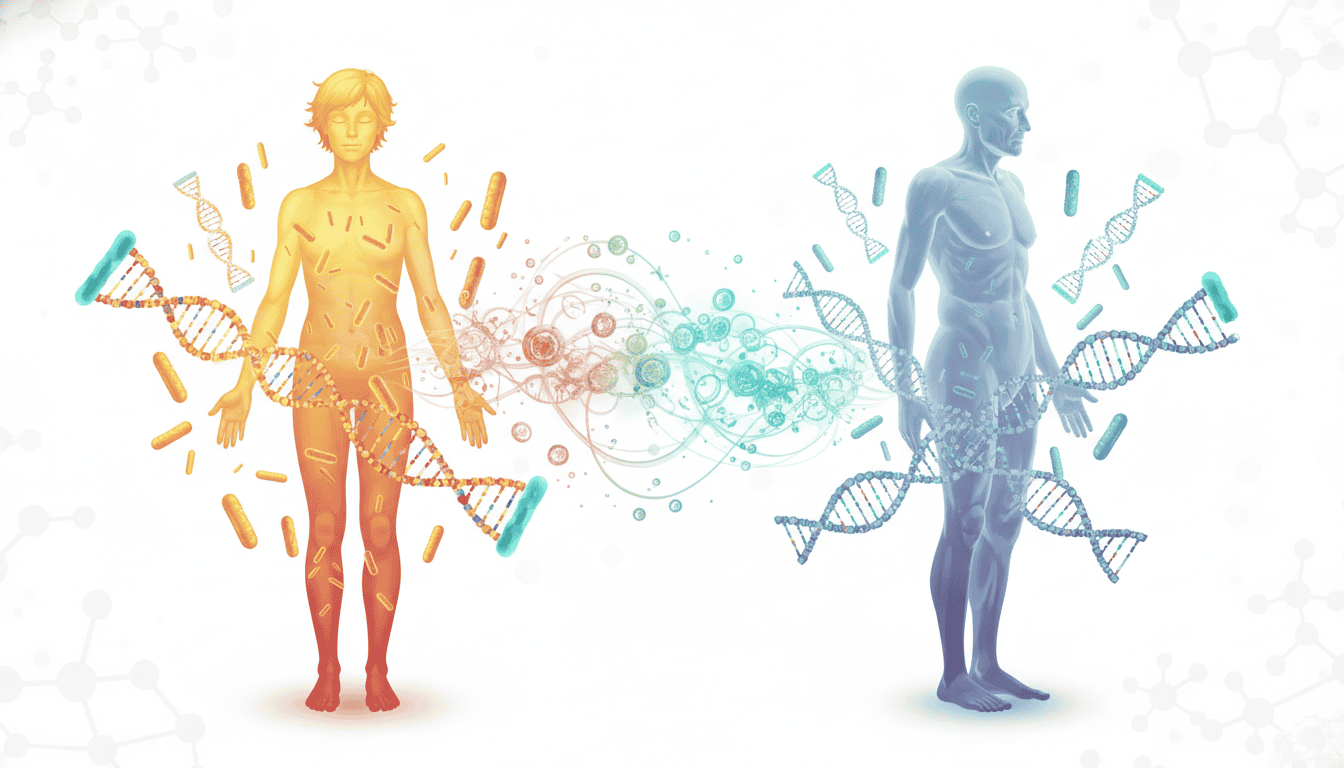
Telomeres, the protective caps at chromosome ends, gradually shorten with cellular division and serve as molecular timekeepers of biological age. Research reveals how telomere length reflects cellular health and ageing processes, though the relationship involves complex interactions with oxidative stress, inflammation, and lifestyle factors.