
The Molecular Timekeepers at Chromosome Ends
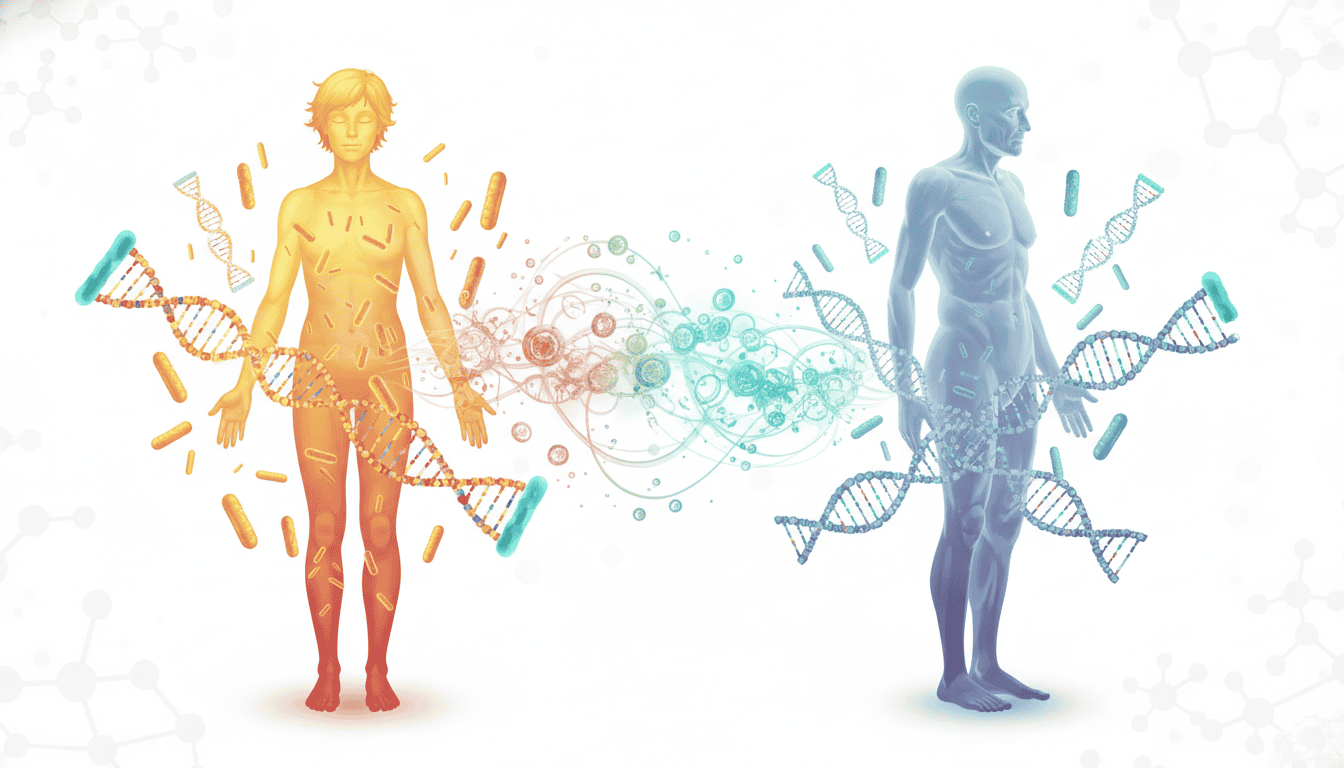
At the tips of every chromosome lies a protective structure called a telomere, often compared to the plastic caps on shoelaces that prevent fraying. These DNA-protein complexes consist of repetitive sequences that shield the valuable genetic information within chromosomes from damage during cell division. Much like a molecular timekeeper, telomeres gradually shorten with each round of cellular replication, creating a biological countdown that appears intimately connected to the ageing process.
Telomeres are composed of thousands of repeats of a specific DNA sequence, along with associated proteins that form a protective cap. When cells divide, the DNA replication machinery cannot fully copy the very ends of chromosomes, leading to progressive telomere shortening. This phenomenon, known as the end replication problem, means that with each cell division, a small portion of the telomere is lost. Eventually, when telomeres become critically short, cells either stop dividing or undergo programmed cell death.
The Telomerase Enzyme and Cellular Maintenance
Not all cells are destined to experience relentless telomere shortening. A remarkable enzyme called telomerase can add new telomeric DNA sequences to chromosome ends, effectively maintaining or even lengthening these protective caps. Telomerase consists of a protein component and an RNA template that guides the addition of new telomeric sequences.
In most adult human cells, telomerase activity is either absent or present at very low levels, allowing telomeres to shorten naturally over time. However, certain cell types maintain higher telomerase activity throughout life. Stem cells, which must retain their capacity for long-term renewal, typically express telomerase to preserve their telomeres. Immune cells can also temporarily activate telomerase during periods of rapid proliferation, such as when responding to infections.
The regulation of telomerase activity represents a delicate biological balance. While insufficient telomerase may contribute to cellular ageing and tissue dysfunction, excessive telomerase activity is associated with cellular immortalisation, a hallmark of cancer development. This dual nature makes telomerase both a potential target for anti-ageing interventions and a crucial factor in cancer biology.
Measuring Biological Age Through Telomere Assessment
Scientists have developed various methods to measure telomere length as a potential biomarker of biological age. Unlike chronological age, which simply counts the years since birth, biological age reflects the actual physiological condition of an organism’s cells and tissues. Telomere length measurements from blood samples have emerged as one accessible approach to assess biological ageing.
Research has revealed significant variation in telomere length among individuals of the same chronological age. Some people maintain relatively long telomeres well into later life, whilst others show more rapid telomere shortening. These differences may reflect variations in genetic background, lifestyle factors, environmental exposures, and cellular stress levels throughout life.
However, the relationship between telomere length and biological age is not perfectly straightforward. Telomere length represents just one aspect of cellular ageing, and different tissues may age at different rates. Additionally, the rate of telomere shortening can vary depending on cell type, environmental conditions, and individual genetic factors. This complexity means that whilst telomere length provides valuable information about cellular ageing, it should be interpreted alongside other biomarkers of biological age.
Factors Influencing Telomere Dynamics
Multiple factors can influence the rate of telomere shortening and overall telomere maintenance. Oxidative stress, resulting from an imbalance between reactive oxygen species and cellular antioxidant defences, can accelerate telomere shortening. This connection highlights the importance of redox balance in maintaining chromosomal stability and cellular health.
Chronic inflammation also appears to contribute to accelerated telomere shortening. Inflammatory processes can increase cellular turnover and create oxidative stress, both of which may compromise telomere integrity. Conversely, conditions that support cellular health and reduce oxidative burden may help preserve telomere length over time.
Lifestyle factors play important roles in telomere dynamics. Regular physical activity has been associated with longer telomeres in some studies, possibly through effects on oxidative stress, inflammation, and cellular metabolism. Sleep quality, stress management, and nutritional status may also influence telomere maintenance through various cellular pathways.
The Broader Context of Cellular Ageing
Whilst telomere shortening represents one important aspect of cellular ageing, it operates within a complex network of interconnected processes. Cellular senescence, the state in which cells lose their ability to divide, can be triggered by critically short telomeres but also by other forms of cellular damage and stress. Senescent cells can accumulate over time and contribute to tissue dysfunction through altered signalling patterns.
The accumulation of cellular damage, changes in gene expression patterns, alterations in cellular metabolism, and shifts in the cellular environment all contribute to the ageing process. Telomere dynamics interact with these other factors, creating a complex web of cellular changes that collectively influence biological age and healthspan.
Understanding telomere biology also provides insights into cellular renewal and regenerative capacity. Tissues with high regenerative demands, such as the skin, gut lining, and blood system, rely on stem cell populations that must balance telomere maintenance with protection against malignant transformation.
Future Directions in Telomere Research
Ongoing research continues to refine our understanding of how telomere dynamics relate to biological ageing and cellular health. Scientists are investigating more sophisticated methods for measuring not just telomere length but also telomere function and the activity of telomere-associated proteins. These approaches may provide more nuanced insights into cellular ageing processes.
Research is also exploring how different interventions might influence telomere dynamics. Understanding which factors support healthy telomere maintenance could inform strategies for promoting cellular health throughout the lifespan. However, any such approaches must carefully consider the complex role of telomeres in both ageing and cancer biology.
The study of telomeres exemplifies how fundamental cellular processes influence organismal health and longevity. As our understanding of telomere biology deepens, it reinforces the importance of maintaining cellular health through supporting the intricate molecular machinery that preserves genomic integrity, manages oxidative stress, and maintains the delicate balance of cellular renewal throughout life.

Matt Elliott is the editor of Redox News Today, an independent publication covering peer-reviewed research on cellular health, redox signalling, and related biomedical science.