Understanding CoQ10’s Cellular Function
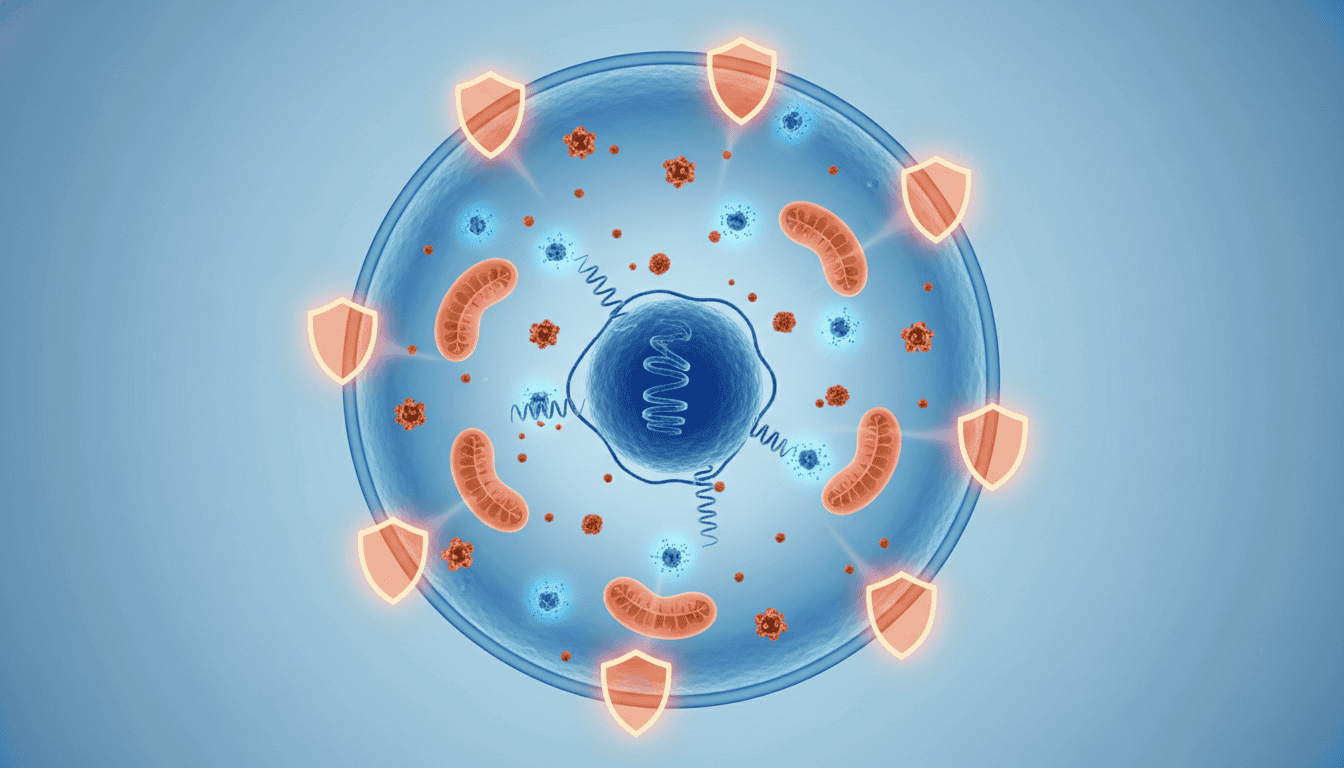
Coenzyme Q10, commonly known as CoQ10, serves as a critical component in cellular energy production within our mitochondria. This lipid-soluble molecule exists in every cell of the human body, where it participates in the electron transport chain that generates adenosine triphosphate (ATP), the primary energy currency of cellular life. CoQ10 functions both as an electron carrier and as a powerful antioxidant, making it essential for optimal mitochondrial performance.
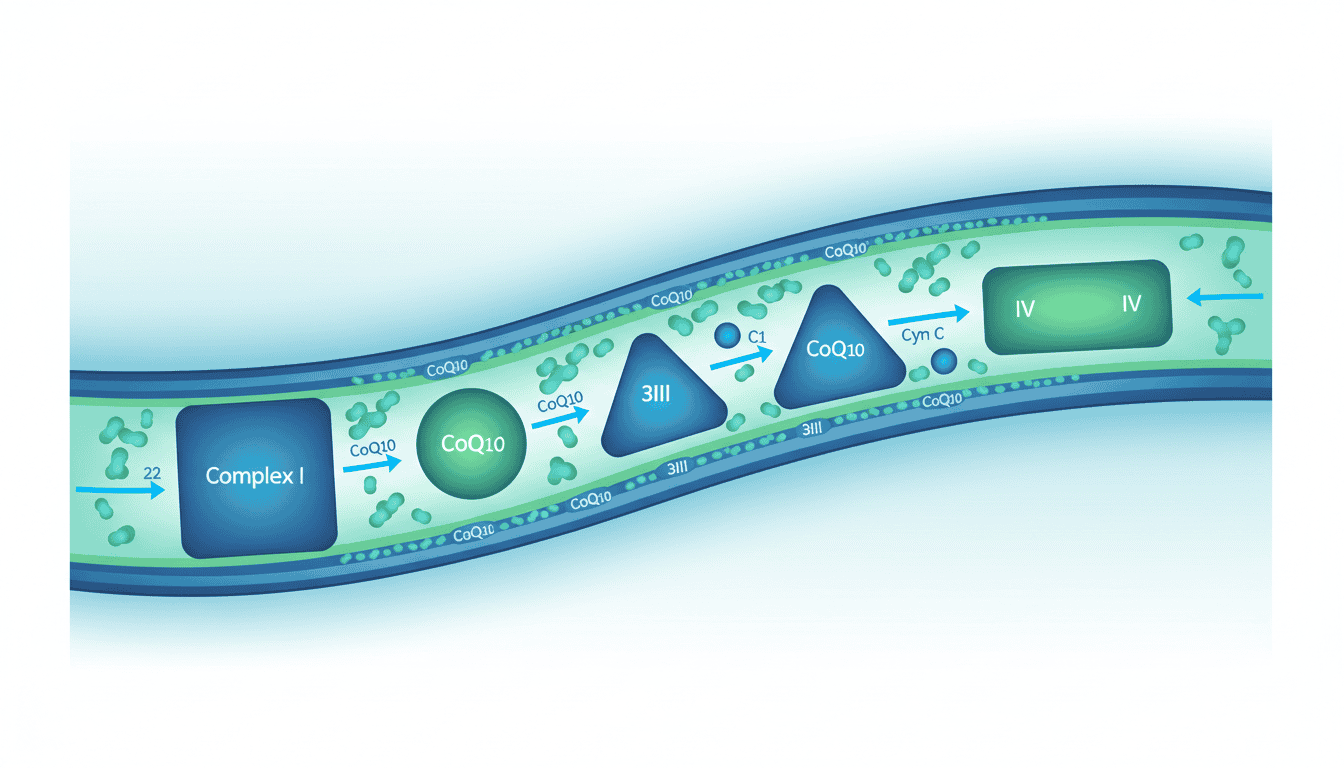
The molecule exists in two primary forms within cells: ubiquinone (the oxidised form) and ubiquinol (the reduced form). These two forms continuously cycle between oxidised and reduced states as CoQ10 participates in cellular respiration. This cycling process is fundamental to the mitochondrial electron transport chain, where CoQ10 shuttles electrons between Complex I or II and Complex III, facilitating the production of ATP through oxidative phosphorylation.
CoQ10’s Role in the Electron Transport Chain
Within the inner mitochondrial membrane, CoQ10 occupies a unique position in the electron transport chain. Unlike other electron carriers that are protein-bound, CoQ10 moves freely within the lipid bilayer of the membrane. This mobility allows it to collect electrons from multiple sources and deliver them efficiently to the next stage of the energy production process.
The electron transport chain consists of four protein complexes, and CoQ10 serves as the mobile link between the first two complexes and Complex III. When nutrients from food are broken down through glycolysis and the citric acid cycle, the resulting electrons are captured by NADH and FADH2. These electron carriers then donate their electrons to Complexes I and II respectively, which subsequently transfer them to CoQ10.
As CoQ10 accepts electrons, it becomes reduced to ubiquinol. This reduced form then travels to Complex III, where it donates electrons and protons, becoming oxidised back to ubiquinone. This process contributes to the proton gradient across the inner mitochondrial membrane, which ultimately drives ATP synthesis through ATP synthase.
Antioxidant Properties and Membrane Protection
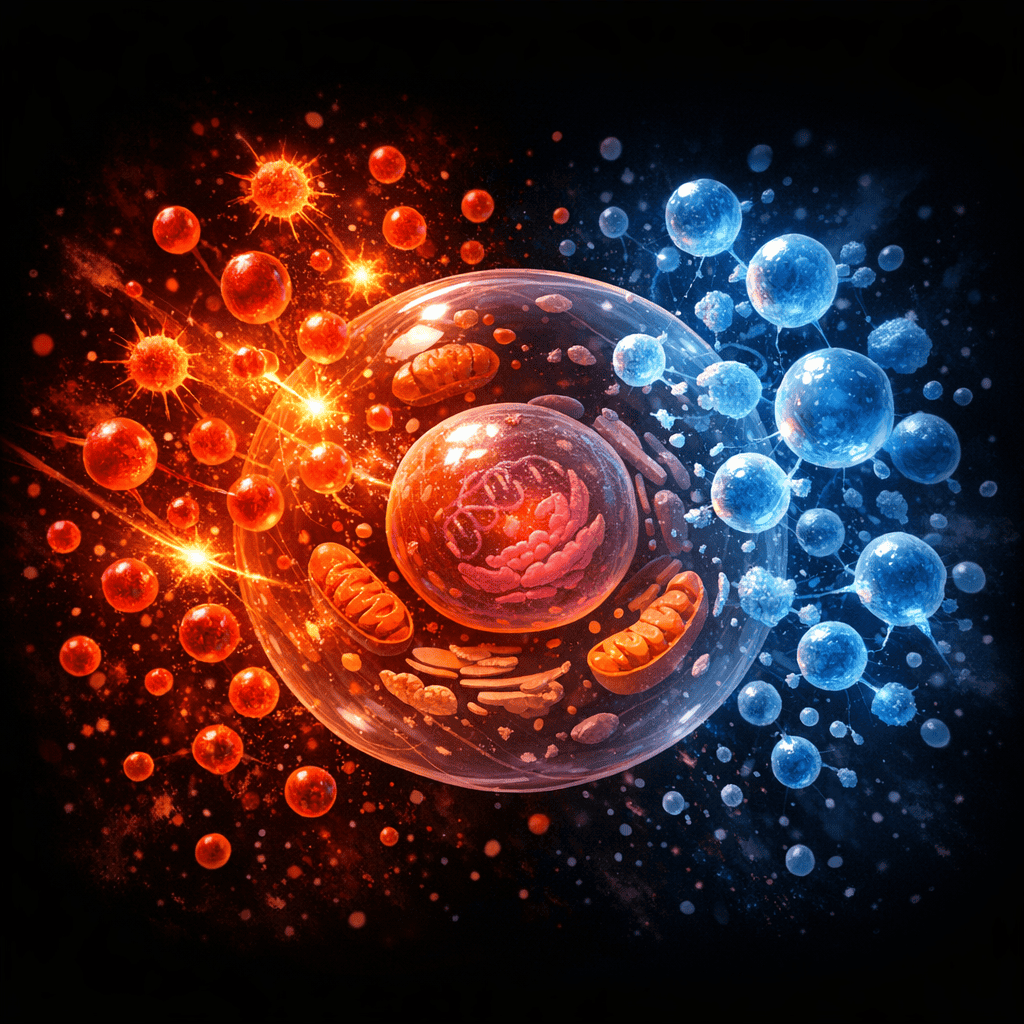
Beyond its role in energy production, CoQ10 serves as a potent antioxidant within mitochondrial membranes. The mitochondria are particularly vulnerable to oxidative stress due to their role as the primary site of oxygen consumption in cells. During normal energy production, reactive oxygen species (ROS) are generated as byproducts of the electron transport process.
The reduced form of CoQ10, ubiquinol, can neutralise these harmful ROS before they damage cellular structures. This antioxidant function is particularly important for protecting the polyunsaturated fatty acids in mitochondrial membranes from lipid peroxidation. When these membranes become damaged, mitochondrial function declines, leading to reduced energy production and increased oxidative stress.
Research has shown that CoQ10 works synergistically with other antioxidants, including vitamin E and vitamin C, to maintain cellular redox balance. This cooperation helps preserve mitochondrial integrity and function over time, supporting sustained energy production and cellular health.
Factors Affecting CoQ10 Levels
The body’s ability to synthesise CoQ10 naturally declines with age, typically beginning around age 30. This reduction coincides with decreased mitochondrial function and energy production capacity observed during the ageing process. Additionally, certain medications, particularly statins used for cholesterol management, can interfere with CoQ10 synthesis by inhibiting the same enzymatic pathway used to produce cholesterol.
Genetic variations can also affect CoQ10 levels and utilisation. Some individuals may have genetic polymorphisms that impact their ability to synthesise or utilise CoQ10 effectively, potentially affecting their mitochondrial energy production capacity. Environmental factors such as oxidative stress from pollution, intense physical exercise, or illness can also deplete CoQ10 levels more rapidly than normal.
Certain health conditions are associated with lower CoQ10 levels, including cardiovascular disease, neurodegenerative conditions, and diabetes. However, it remains unclear whether reduced CoQ10 levels contribute to these conditions or result from the underlying pathophysiology.
Dietary Sources and Bioavailability
While the body produces CoQ10 endogenously, small amounts can be obtained through dietary sources. Foods rich in CoQ10 include organ meats such as heart, liver, and kidney, as well as fatty fish like sardines and mackerel. Vegetarian sources include spinach, broccoli, and whole grains, though these contain significantly lower concentrations compared to animal products.
The bioavailability of CoQ10 varies considerably depending on its form and delivery method. The ubiquinol form is generally considered more readily absorbed than ubiquinone, as it doesn’t require conversion within the body. CoQ10 is lipophilic, meaning it requires fat for optimal absorption, which is why it’s often recommended to consume CoQ10 supplements with meals containing healthy fats.
Absorption rates also vary significantly between individuals, with factors such as age, digestive health, and genetic variations affecting how efficiently the body can utilise dietary or supplemental CoQ10. The molecule’s large size and lipophilic nature present challenges for absorption, leading to ongoing research into improved delivery methods.
Clinical Research and Measurement
Scientific interest in CoQ10 has led to extensive research into its role in various health conditions, particularly those involving mitochondrial dysfunction. Studies have examined CoQ10 levels in relation to cardiovascular health, neurological function, and athletic performance, providing insights into its importance for cellular energy metabolism.
Measuring CoQ10 levels in clinical settings can be challenging, as levels vary between different tissues and cellular compartments. Blood plasma levels don’t necessarily reflect tissue concentrations, and mitochondrial CoQ10 levels may differ from cytoplasmic concentrations. Research continues to develop better methods for assessing CoQ10 status and its relationship to mitochondrial function.
Understanding CoQ10’s fundamental role in mitochondrial energy production highlights its importance for overall cellular health and function. As the cellular powerhouses of our bodies, mitochondria require optimal conditions to generate the energy needed for countless biological processes. CoQ10’s dual function as both an electron transport facilitator and antioxidant protector makes it indispensable for maintaining the delicate balance required for efficient energy production and cellular longevity.

Matt Elliott is the editor of Redox News Today, an independent publication covering peer-reviewed research on cellular health, redox signalling, and related biomedical science.