Understanding Mitochondrial Function and Energy Production
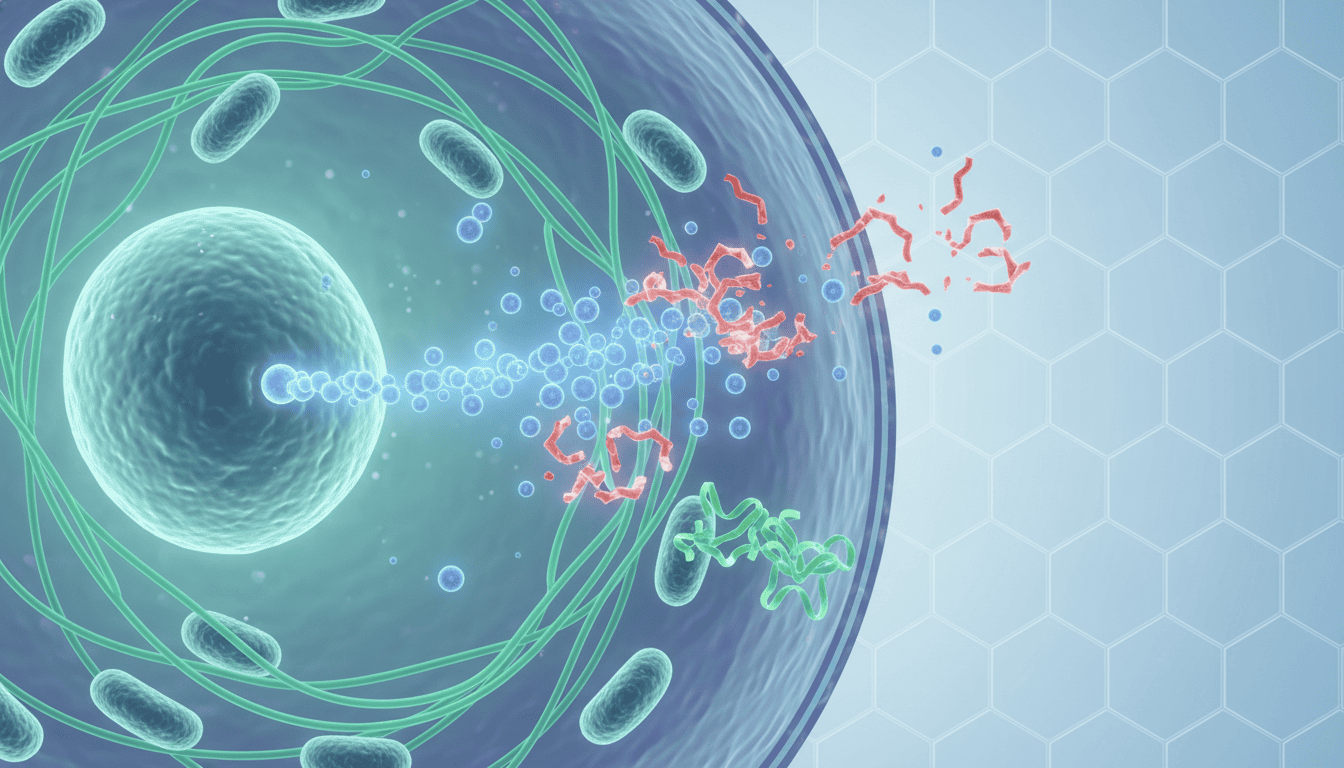
Mitochondria serve as the powerhouses of our cells, converting nutrients into adenosine triphosphate (ATP), the universal energy currency that fuels virtually every biological process. These remarkable organelles contain their own DNA and possess sophisticated machinery for cellular respiration, including the electron transport chain where much of ATP synthesis occurs. The efficiency of mitochondrial function directly influences cellular health, energy levels, and overall physiological performance.
Within mitochondria, nutrients undergo a series of carefully orchestrated biochemical reactions. Glucose, fatty acids, and amino acids are broken down through processes like glycolysis, the citric acid cycle, and oxidative phosphorylation. This intricate system requires numerous cofactors, enzymes, and regulatory molecules to function optimally. When mitochondrial function becomes compromised, cells struggle to meet their energy demands, potentially leading to cellular dysfunction and metabolic inefficiencies.
The Nutritional Landscape of Processed Foods
Processed foods typically undergo significant modifications from their original form, often involving the addition of preservatives, artificial flavours, colours, and various chemical stabilisers. These foods frequently contain high levels of refined sugars, trans fats, and sodium whilst being depleted of essential nutrients like vitamins, minerals, and phytonutrients that support cellular function. Ultra-processed foods, which include packaged snacks, sugary beverages, and ready-made meals, represent the most heavily modified category.
The manufacturing processes used in food production often strip away beneficial compounds whilst introducing potentially harmful additives. Refined grains lose their fibre, B vitamins, and minerals during processing. Meanwhile, the addition of high fructose corn syrup, artificial trans fats, and excessive sodium creates a nutritional profile that differs dramatically from whole, unprocessed foods. This altered nutritional composition has significant implications for how our cells, particularly mitochondria, function at the molecular level.
Direct Effects on Mitochondrial Metabolism
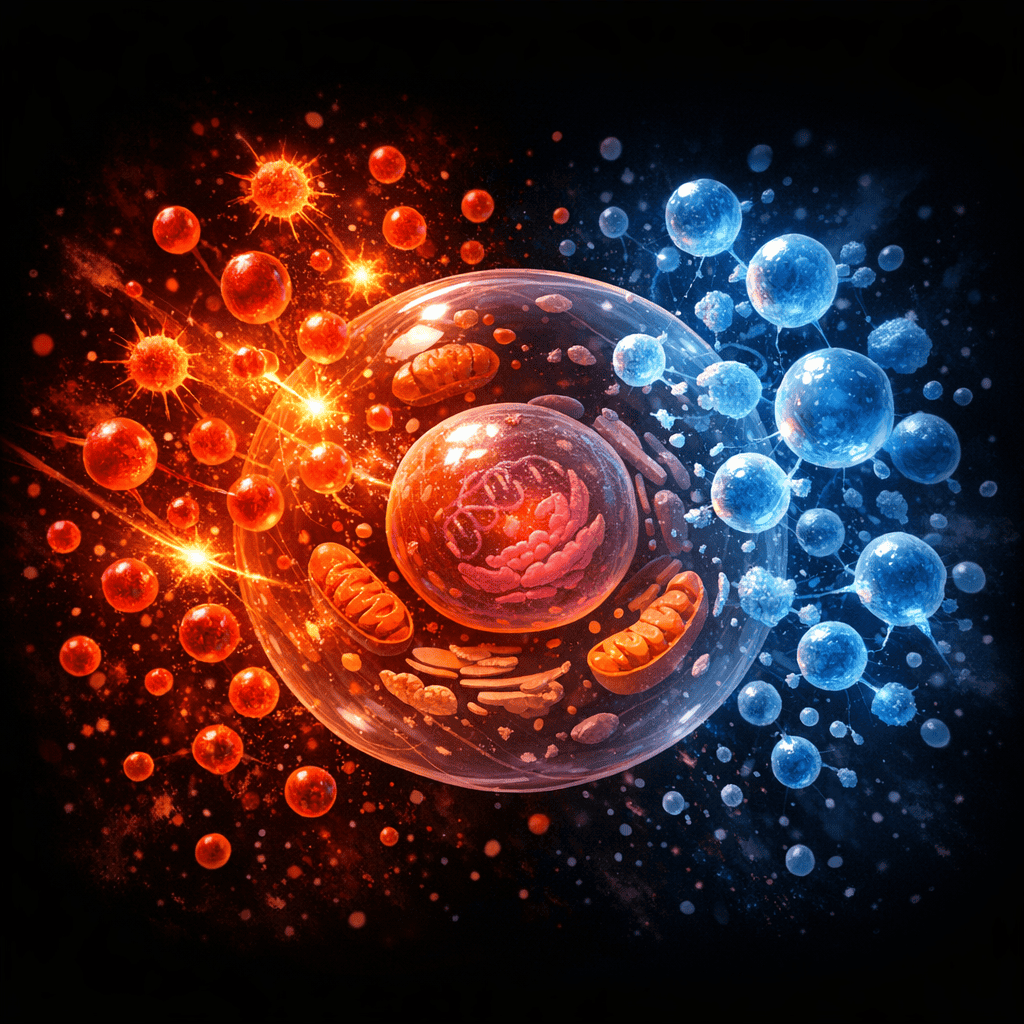
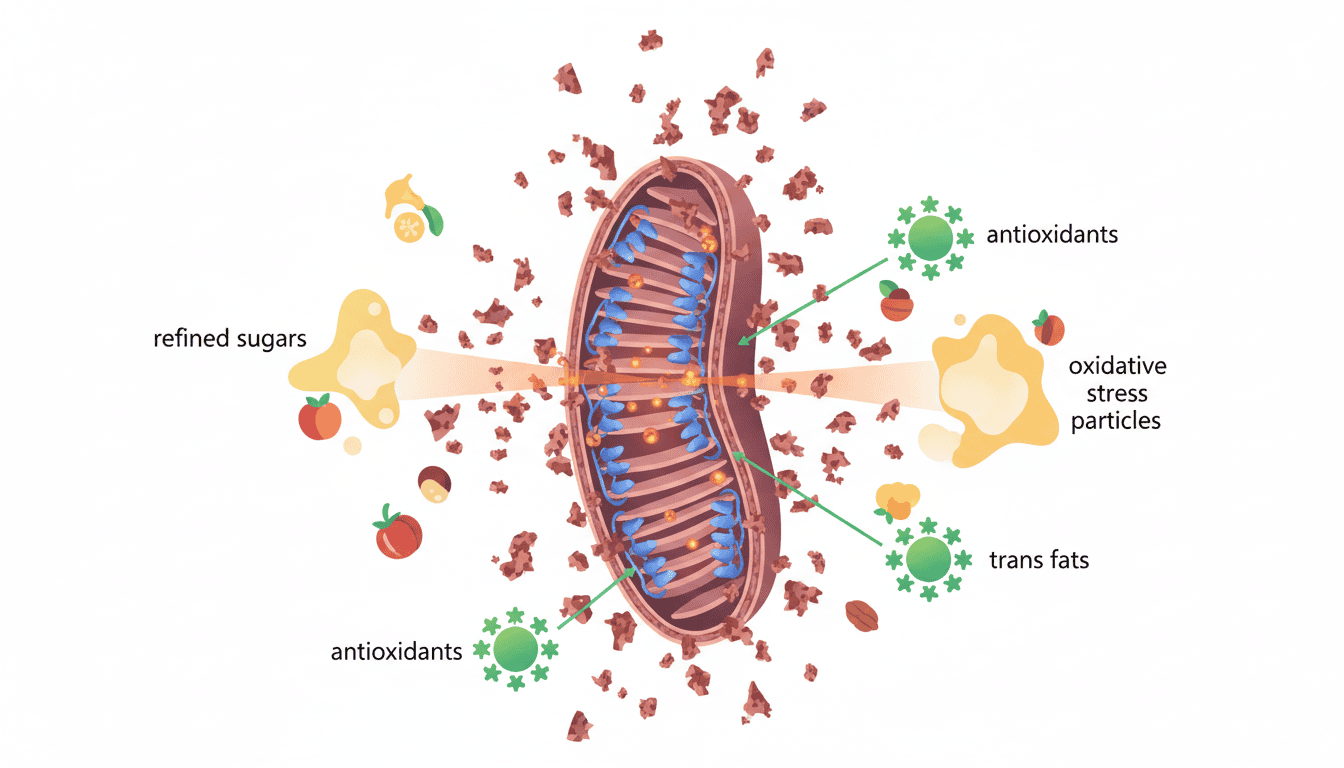
Research has revealed several ways processed foods can interfere with mitochondrial function. High sugar intake, particularly from refined sources, can overwhelm cellular glucose processing pathways and lead to increased production of reactive oxygen species within mitochondria. This oxidative stress can damage mitochondrial membranes, proteins, and DNA, ultimately impairing energy production capacity.
Trans fats, commonly found in processed foods, can alter mitochondrial membrane composition and fluidity. Since mitochondrial membranes are crucial for maintaining the electrochemical gradients necessary for ATP synthesis, these structural changes can significantly impact energy production efficiency. Additionally, the inflammatory compounds often present in heavily processed foods can trigger cellular stress responses that divert energy away from normal mitochondrial function.
The rapid absorption of refined sugars creates dramatic fluctuations in blood glucose levels, forcing mitochondria to constantly adapt to changing fuel availability. This metabolic stress can lead to mitochondrial dysfunction over time, as these organelles become less efficient at switching between different fuel sources and maintaining steady energy output.
Oxidative Stress and Mitochondrial Defence Systems
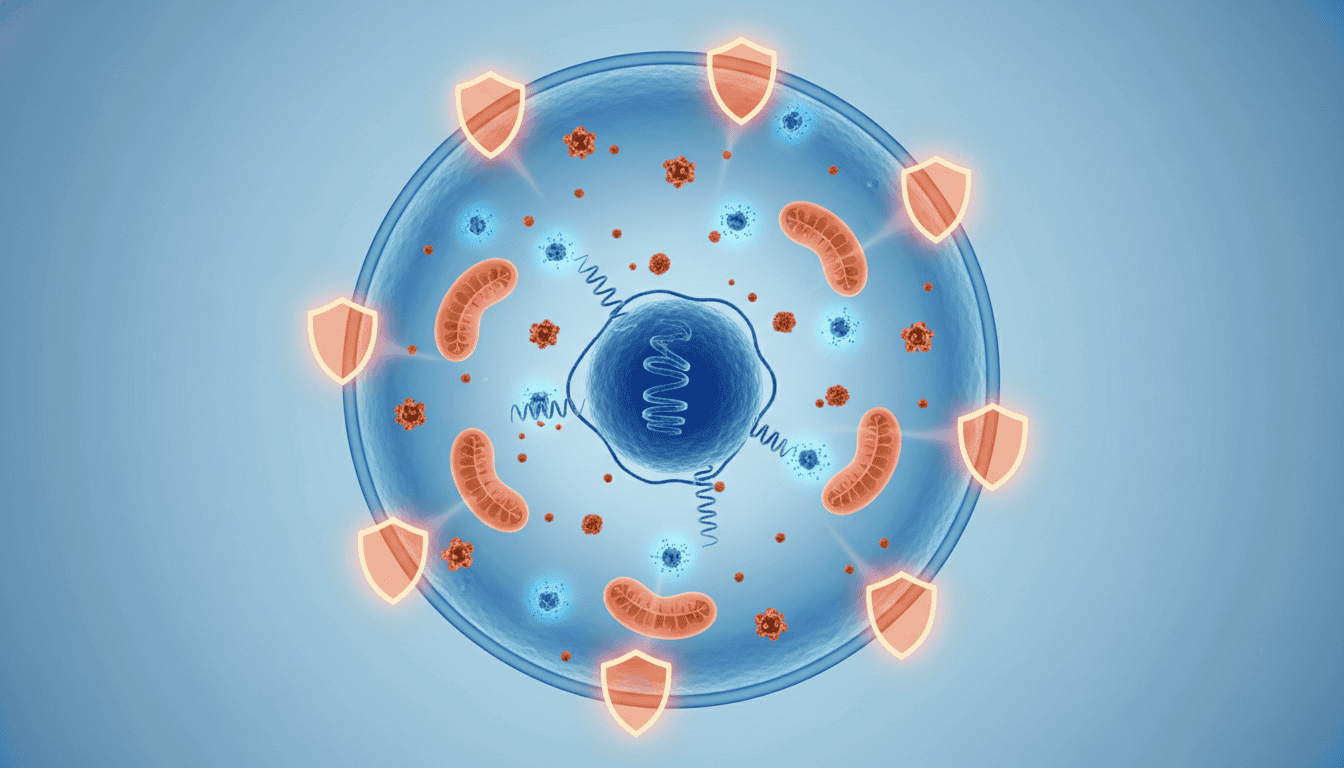
Mitochondria naturally produce reactive oxygen species as byproducts of energy production, but they also possess sophisticated antioxidant defence systems to manage oxidative stress. Processed foods can disrupt this delicate balance by increasing oxidative stress whilst simultaneously depleting the nutrients necessary for antioxidant defence. Many processed foods lack the vitamins, minerals, and phytonutrients that support mitochondrial antioxidant enzymes like superoxide dismutase and catalase.
The absence of protective compounds found in whole foods, such as polyphenols, carotenoids, and other antioxidants, leaves mitochondria more vulnerable to oxidative damage. Furthermore, some food additives and processing byproducts can act as pro-oxidants, directly contributing to the production of harmful free radicals within cells. This creates a double burden where mitochondria face increased oxidative challenges whilst having fewer resources to mount effective defences.
Nutrient Deficiencies and Metabolic Consequences
Optimal mitochondrial function requires numerous micronutrients that often become depleted during food processing. B vitamins serve as essential cofactors in energy metabolism, whilst minerals like magnesium, iron, and zinc play crucial roles in mitochondrial enzyme function. Coenzyme Q10, found naturally in many whole foods, is vital for electron transport chain function but is often reduced or absent in processed alternatives.
When diets high in processed foods displace nutrient-dense whole foods, deficiencies in these critical compounds can develop. This nutritional inadequacy can impair mitochondrial biogenesis, the process by which cells create new mitochondria to meet energy demands. Over time, this can lead to a decline in overall mitochondrial capacity and cellular energy production capability.
The Broader Implications for Cellular Health
Understanding how processed foods affect mitochondrial function provides valuable insight into the fundamental mechanisms of cellular health. Mitochondria are not merely energy factories; they play crucial roles in cellular signalling, apoptosis regulation, and maintaining cellular homeostasis. When mitochondrial function becomes compromised through poor dietary choices, the effects ripple throughout cellular systems, potentially affecting everything from immune function to tissue repair and regeneration. By recognising the connection between food processing and mitochondrial health, we gain a deeper appreciation for how our dietary choices influence cellular function at the most fundamental level, highlighting the importance of supporting our cells with the nutrients they need to thrive.

Matt Elliott is the editor of Redox News Today, an independent publication covering peer-reviewed research on cellular health, redox signalling, and related biomedical science.