
When most people think about dietary fibre, digestive health immediately comes to mind. However, emerging research reveals that fibre’s influence extends far beyond the gut, playing crucial roles in cellular signalling pathways, immune function, and metabolic health. Understanding these broader mechanisms helps explain why fibre intake correlates with reduced risk of numerous chronic diseases and enhanced overall wellbeing.
The Complex World of Dietary Fibre
Dietary fibre encompasses a diverse group of plant compounds that resist digestion by human enzymes. Scientists classify fibre into several categories based on solubility, viscosity, and fermentability. Soluble fibres, found in oats, beans, and fruits, dissolve in water to form gel-like substances. Insoluble fibres, abundant in whole grains and vegetables, remain largely intact throughout digestion.
The fermentability of different fibres proves particularly important for cellular health. Highly fermentable fibres serve as substrates for beneficial gut bacteria, whilst moderately fermentable types provide sustained microbial fuel. This fermentation process generates numerous bioactive compounds that influence cellular function throughout the body.
Recent research has identified specific fibre types that support different aspects of health. Resistant starches, beta-glucans, and oligosaccharides each interact with cellular systems in unique ways, highlighting the importance of dietary diversity in fibre sources.
Microbial Metabolites and Cellular Communication
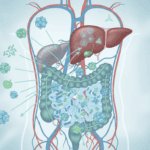
When gut bacteria ferment dietary fibre, they produce short-chain fatty acids (SCFAs), particularly acetate, propionate, and butyrate. These metabolites function as signalling molecules that influence cellular behaviour far beyond the digestive tract. Butyrate, for instance, serves as a primary energy source for colonocytes whilst also regulating gene expression through epigenetic mechanisms.
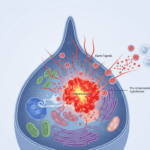
SCFAs cross the intestinal barrier and enter systemic circulation, where they interact with various cell types throughout the body. They bind to specific receptors on immune cells, influencing inflammatory responses and supporting the development of regulatory T cells. This interaction helps maintain immune system balance and prevents excessive inflammatory reactions.
The production of these microbial metabolites depends heavily on fibre intake and gut microbiome composition. Individuals with diverse, fibre-rich diets typically harbour bacterial communities capable of producing higher levels of beneficial SCFAs, creating positive feedback loops that support cellular health.
Fibre’s Impact on Metabolic Signalling
Dietary fibre influences multiple metabolic pathways through both direct and indirect mechanisms. Soluble fibres slow gastric emptying and nutrient absorption, leading to more gradual changes in blood glucose and insulin levels. This moderated response reduces oxidative stress on cells and helps maintain insulin sensitivity over time.
Fibre consumption also affects hormonal signalling related to appetite and metabolism. High-fibre meals stimulate the release of incretin hormones, which enhance insulin secretion and promote satiety. These hormones also influence cellular energy metabolism, encouraging efficient fuel utilisation and reducing metabolic dysfunction.
The viscous properties of certain fibres create physical barriers that affect nutrient absorption rates. This mechanical action influences cellular responses to nutrients, potentially reducing the formation of advanced glycation end products that can damage cellular structures and impair function.
Immune System Modulation Through Fibre
The relationship between fibre intake and immune function involves complex interactions between diet, microbiome, and host immunity. Adequate fibre consumption supports the growth of beneficial bacteria that compete with pathogenic organisms for resources and attachment sites.
Certain fibre types possess prebiotic properties, specifically nourishing beneficial bacterial strains that produce immunomodulatory compounds. These bacteria help maintain intestinal barrier integrity, preventing the translocation of harmful substances that could trigger inappropriate immune responses.
Fibre-derived metabolites also influence the development and function of immune cells throughout the body. Research indicates that SCFA exposure during immune cell maturation affects their subsequent behaviour, promoting tolerance rather than inflammatory responses to harmless antigens.
The gut-associated lymphoid tissue, which houses approximately 70% of the body’s immune cells, depends on fibre-mediated signals for optimal function. This connection explains why dietary fibre intake correlates with improved vaccine responses and reduced autoimmune disease risk.
Cardiovascular and Neurological Connections
Fibre’s cardiovascular benefits extend beyond cholesterol reduction to include direct effects on vascular health and blood pressure regulation. Soluble fibres bind bile acids, forcing the liver to synthesise new ones from cholesterol stores. Additionally, fibre-derived metabolites influence endothelial cell function and vascular inflammation.
The production of nitric oxide, a crucial signalling molecule for vascular health, appears enhanced in individuals consuming adequate fibre. This effect likely results from improved gut microbiome diversity and reduced systemic inflammation, both of which support endothelial function.
Emerging research also suggests connections between fibre intake and neurological health through the gut-brain axis. Microbial metabolites from fibre fermentation can influence neurotransmitter production and neuroinflammatory processes. Some studies indicate that higher fibre intake correlates with improved cognitive function and reduced risk of neurodegenerative diseases.
Supporting Cellular Defence Systems
Fibre consumption supports cellular antioxidant defence systems through multiple pathways. Many fibre-rich foods contain polyphenols and other bioactive compounds that directly scavenge reactive oxygen species. However, the fermentation of fibre itself generates metabolites that enhance cellular antioxidant capacity.
The relationship between fibre intake and cellular defence extends to DNA repair mechanisms and cellular regeneration processes. Adequate fibre consumption appears to support the expression of genes involved in cellular maintenance and repair, potentially contributing to healthy ageing processes.
This multifaceted support for cellular health demonstrates why fibre represents more than just a digestive aid. By influencing microbial communities, metabolic signalling, immune function, and cellular defence systems, adequate fibre intake creates conditions that support optimal cellular function throughout the body. Understanding these connections emphasises the critical role of plant-based foods in maintaining the complex cellular processes that underlie human health and longevity.

Matt Elliott is the editor of Redox News Today, an independent publication covering peer-reviewed research on cellular health, redox signalling, and related biomedical science.