
The Molecular Response to Heat
When our bodies encounter elevated temperatures, whether from a Finnish sauna or an infrared heat therapy session, a fascinating cascade of molecular events unfolds at the cellular level. This response centres around a group of specialised proteins known as heat shock proteins (HSPs), which serve as cellular guardians during times of thermal stress. These remarkable molecules represent one of the most ancient and conserved defence mechanisms in biology, found in organisms ranging from bacteria to humans.
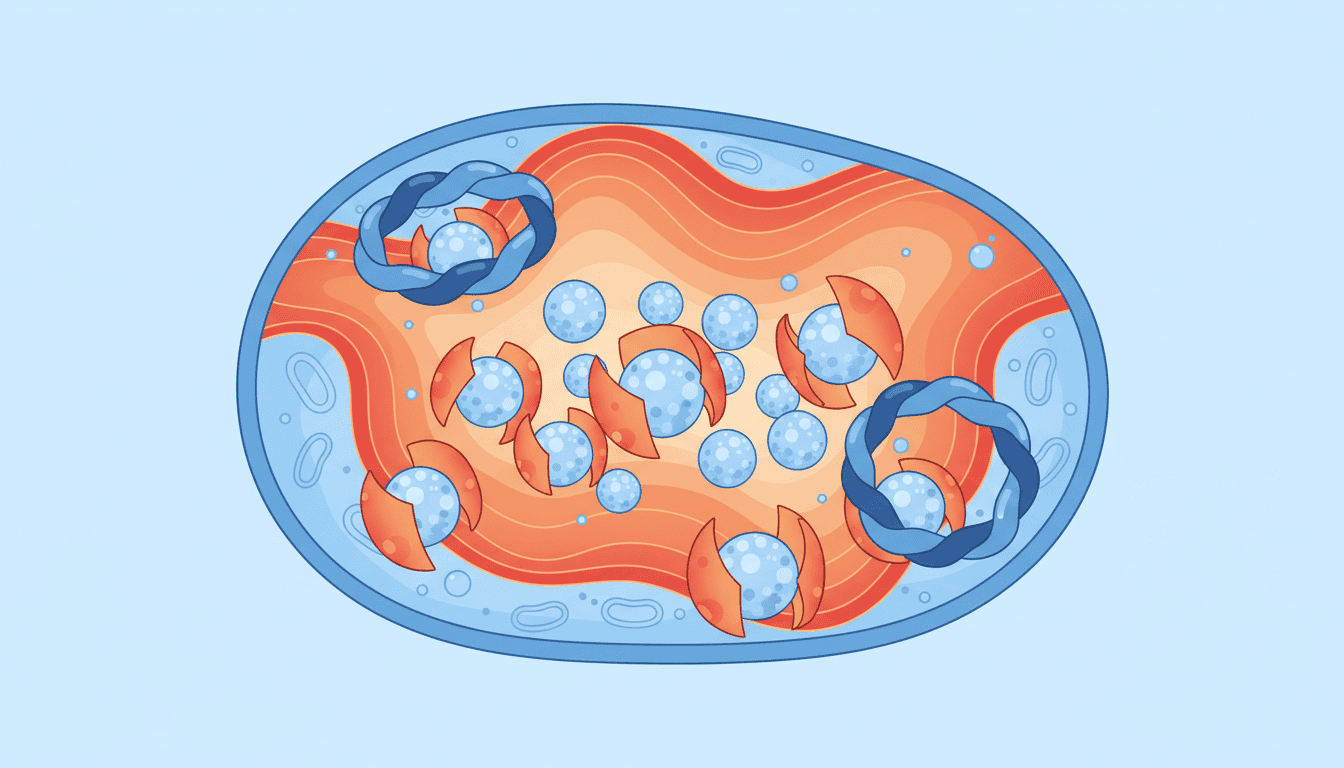
Heat shock proteins function as molecular chaperones, helping other proteins maintain their proper three-dimensional structure when cellular conditions become challenging. Under normal circumstances, proteins fold into specific shapes that allow them to carry out their designated functions. However, when temperatures rise, proteins can begin to unfold or misfold, potentially leading to cellular dysfunction. HSPs intervene in this process, either helping proteins refold correctly or targeting irreparably damaged proteins for removal.
Research has identified several major families of heat shock proteins, each designated by their molecular weight. HSP70 and HSP90 are among the most studied, playing crucial roles in protein quality control and cellular survival during stress. The production of these proteins increases dramatically when cells detect elevated temperatures, typically beginning at around 40 degrees Celsius in human cells.
Sauna Exposure and Protein Synthesis
Regular sauna use provides a controlled method of inducing heat shock protein production. Traditional Finnish saunas typically operate at temperatures between 70 and 100 degrees Celsius, while infrared saunas function at lower temperatures of 45 to 60 degrees Celsius. Both methods can effectively raise core body temperature and trigger the heat shock response, though the mechanisms and intensity may differ.
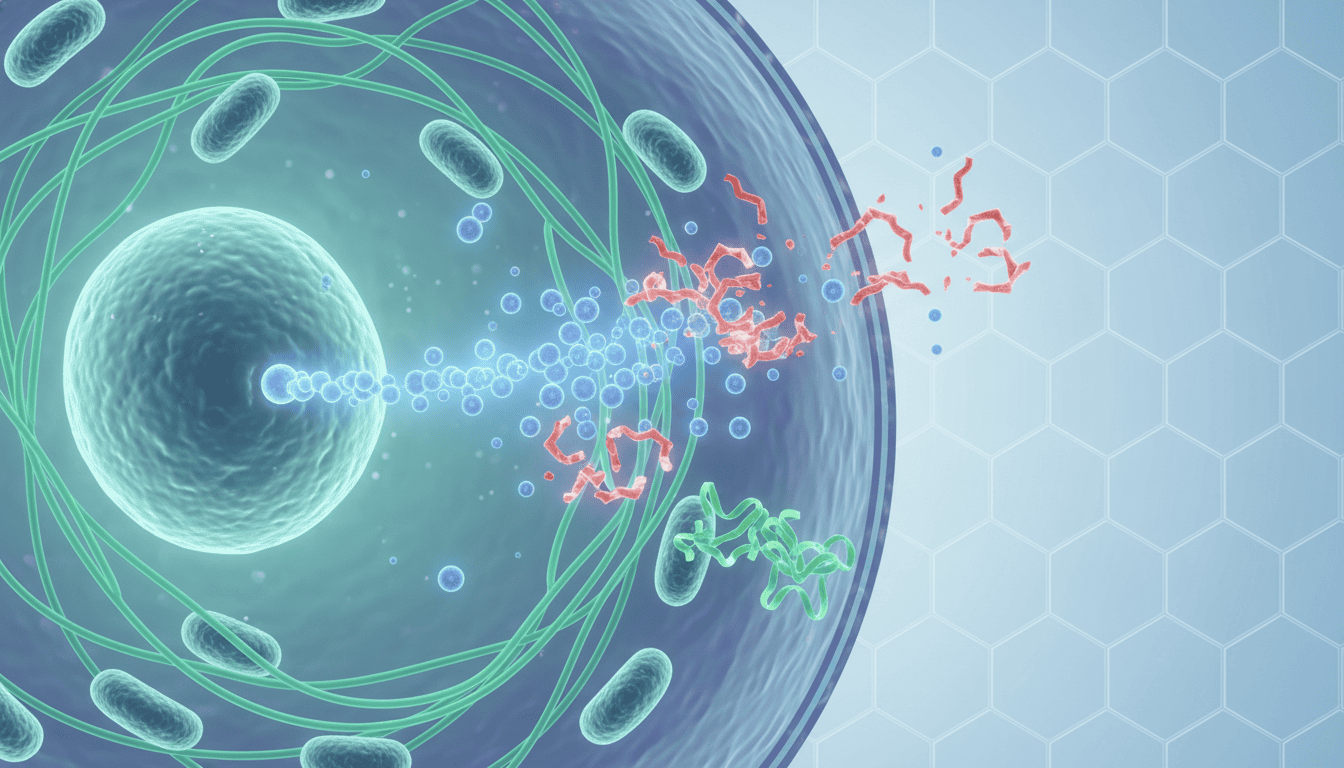
The process begins when heat-sensing mechanisms within cells detect the temperature increase. This triggers a rapid activation of heat shock factor 1 (HSF1), a transcription factor that acts like a molecular switch. Once activated, HSF1 binds to specific DNA sequences and initiates the production of heat shock proteins. This response can begin within minutes of heat exposure and may continue for hours after the thermal stress has ended.
Studies examining sauna bathing have documented significant increases in HSP expression following heat exposure. The magnitude of this response appears to correlate with factors such as temperature, duration of exposure, and individual adaptation levels. Regular sauna users often develop what researchers term ‘heat acclimation’, where their cellular machinery becomes more efficient at responding to thermal stress.
Cellular Protection and Adaptation Mechanisms
The benefits of heat shock protein activation extend well beyond immediate temperature tolerance. These proteins play vital roles in maintaining cellular homeostasis and may contribute to broader physiological adaptations. HSPs help preserve cellular function during various forms of stress, not just thermal challenges. They assist in protein folding quality control, help transport proteins across cellular membranes, and participate in the cellular cleanup processes that remove damaged components.
One particularly interesting aspect of heat shock protein function involves their role in cellular signalling pathways. These proteins can influence inflammation regulation, antioxidant defence systems, and cellular repair mechanisms. Some research suggests that the upregulation of HSPs through heat exposure may help cells better cope with oxidative stress and other forms of damage that accumulate during normal metabolic processes.
The concept of hormesis, where mild stress triggers beneficial adaptive responses, appears relevant to understanding sauna benefits. The temporary stress of heat exposure may stimulate cellular repair and maintenance systems, potentially leading to improved overall cellular function. This principle mirrors the adaptive responses seen with other beneficial stressors, such as exercise or intermittent fasting.
Timing and Frequency Considerations
The optimal approach to heat exposure for maximising heat shock protein benefits remains an active area of research. Factors such as session duration, temperature, frequency, and recovery time between sessions all appear to influence the magnitude and sustainability of the heat shock response. Most research examining sauna benefits has focused on sessions lasting 15 to 20 minutes, repeated several times per week.
Individual variation plays a significant role in heat shock protein responses. Factors such as age, fitness level, genetic background, and prior heat exposure experience can all influence how effectively someone produces HSPs in response to thermal stress. Older adults may have diminished heat shock responses compared to younger individuals, though regular heat exposure may help maintain this cellular function.
The timing of heat exposure relative to other activities, particularly exercise, may also influence outcomes. Some research suggests that combining heat exposure with physical activity might provide synergistic benefits for HSP production and cellular adaptation, though the optimal sequencing and timing remain subjects of ongoing investigation.
Beyond Temperature: Additional Physiological Responses
While heat shock proteins represent a primary cellular response to sauna use, thermal exposure triggers numerous other physiological changes that may contribute to observed benefits. Cardiovascular responses include increased heart rate and altered blood flow patterns, similar to moderate exercise. These changes may provide cardiovascular conditioning effects, particularly in individuals who cannot engage in traditional physical activity.
Heat exposure also influences the autonomic nervous system, potentially affecting stress hormone levels and recovery processes. Some research indicates that regular sauna use may help regulate cortisol patterns and support parasympathetic nervous system function, which governs rest and recovery processes.
Sweating mechanisms activated during sauna sessions involve complex physiological processes that extend beyond simple fluid loss. The eccrine sweat glands respond to thermal and neural signals, and regular heat exposure may improve the efficiency of these thermoregulatory systems.
Implications for Cellular Health Research
Understanding the molecular mechanisms behind heat shock protein activation through sauna use provides valuable insights into broader questions about cellular health and resilience. The heat shock response represents a fundamental cellular defence system that influences protein quality control, stress resistance, and longevity pathways. Research in this area contributes to our understanding of how controlled stress exposures might support cellular maintenance and function throughout the lifespan. As we continue to explore the connections between environmental factors and cellular health, the study of heat shock proteins and thermal stress responses offers a compelling example of how our cells adapt and respond to challenging conditions, ultimately maintaining the complex biological processes that sustain human health.

Matt Elliott is the editor of Redox News Today, an independent publication covering peer-reviewed research on cellular health, redox signalling, and related biomedical science.