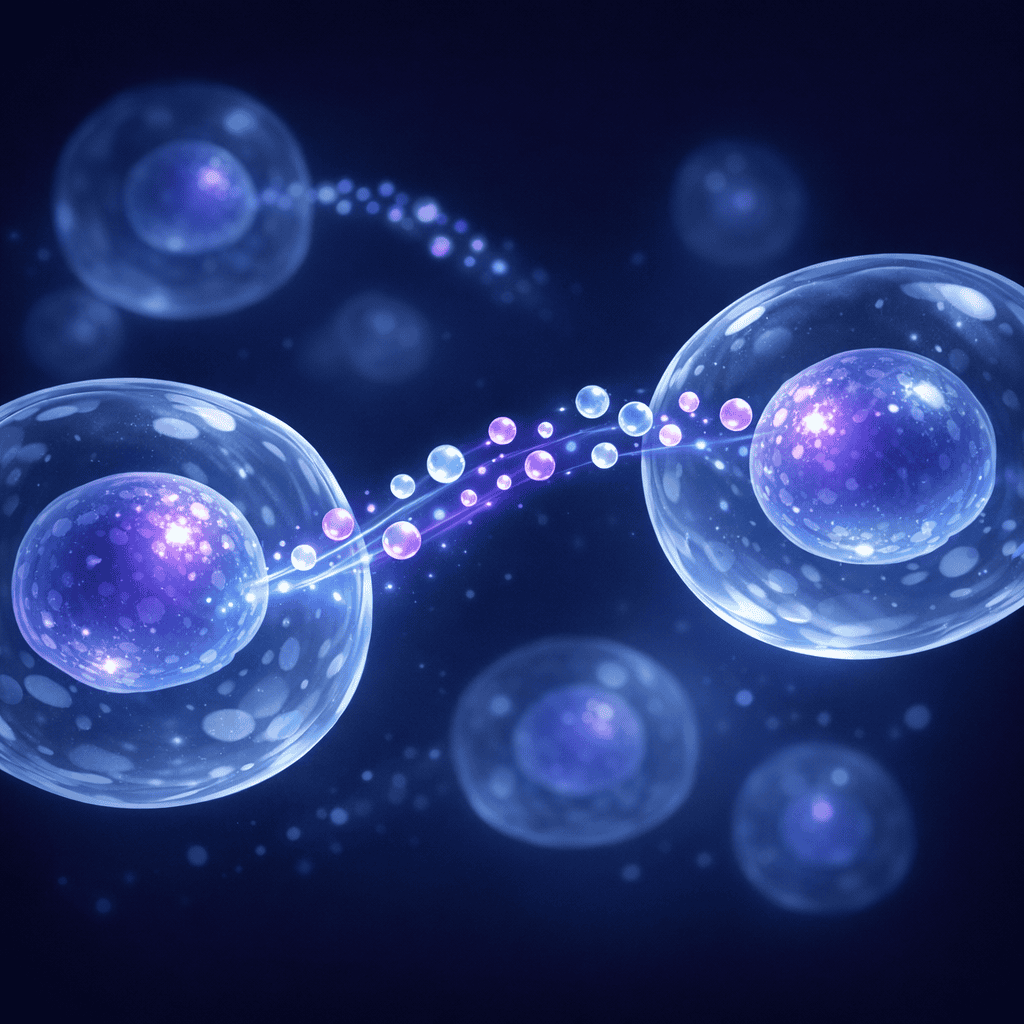
How Cells Trade Iron Like a Molecular Courier Service

Featured image for How Cells Trade Iron Like a Molecular Courier Service

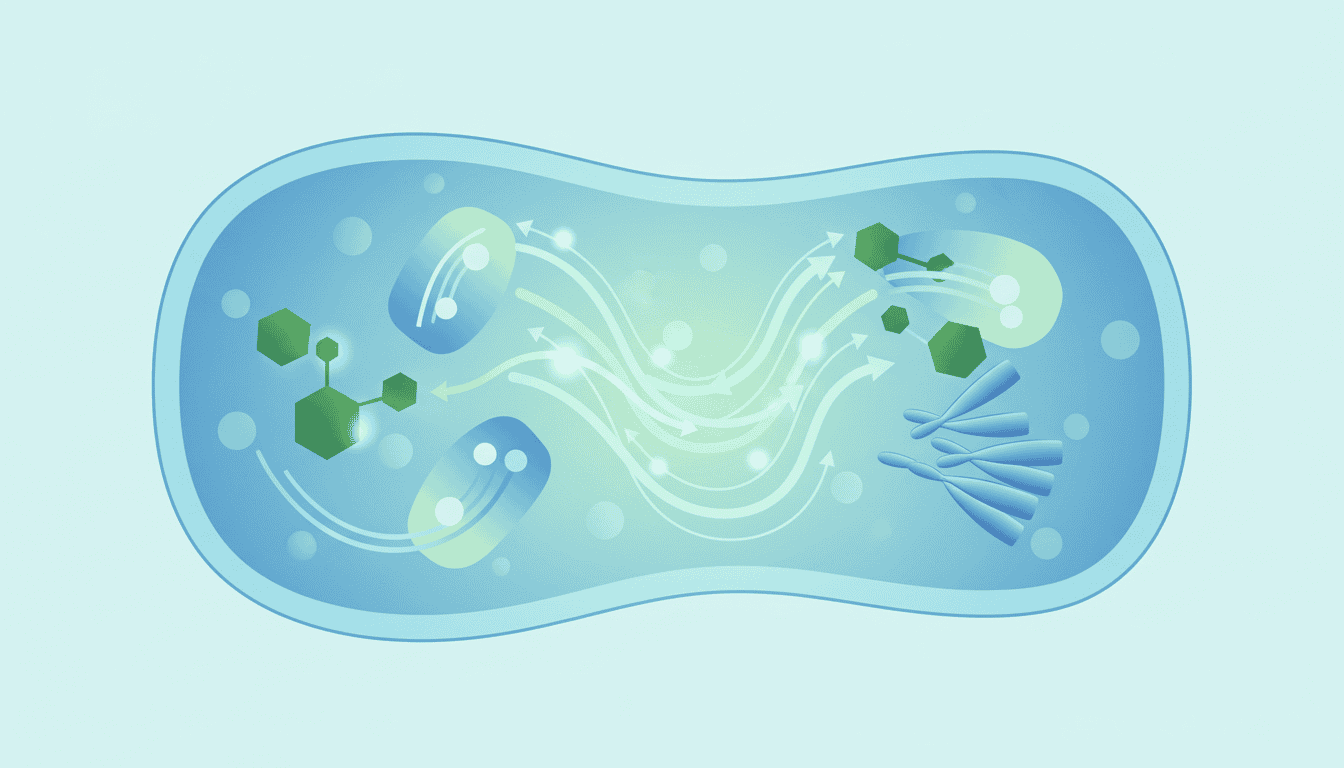
Your cells use dedicated protein pathways to move iron-carrying molecules between one another, maintaining a precise balance that prevents both iron starvation and toxic accumulation. This intercellular heme transfer system is ancient, conserved across life, and essential for coordinating iron distribution across tissues.

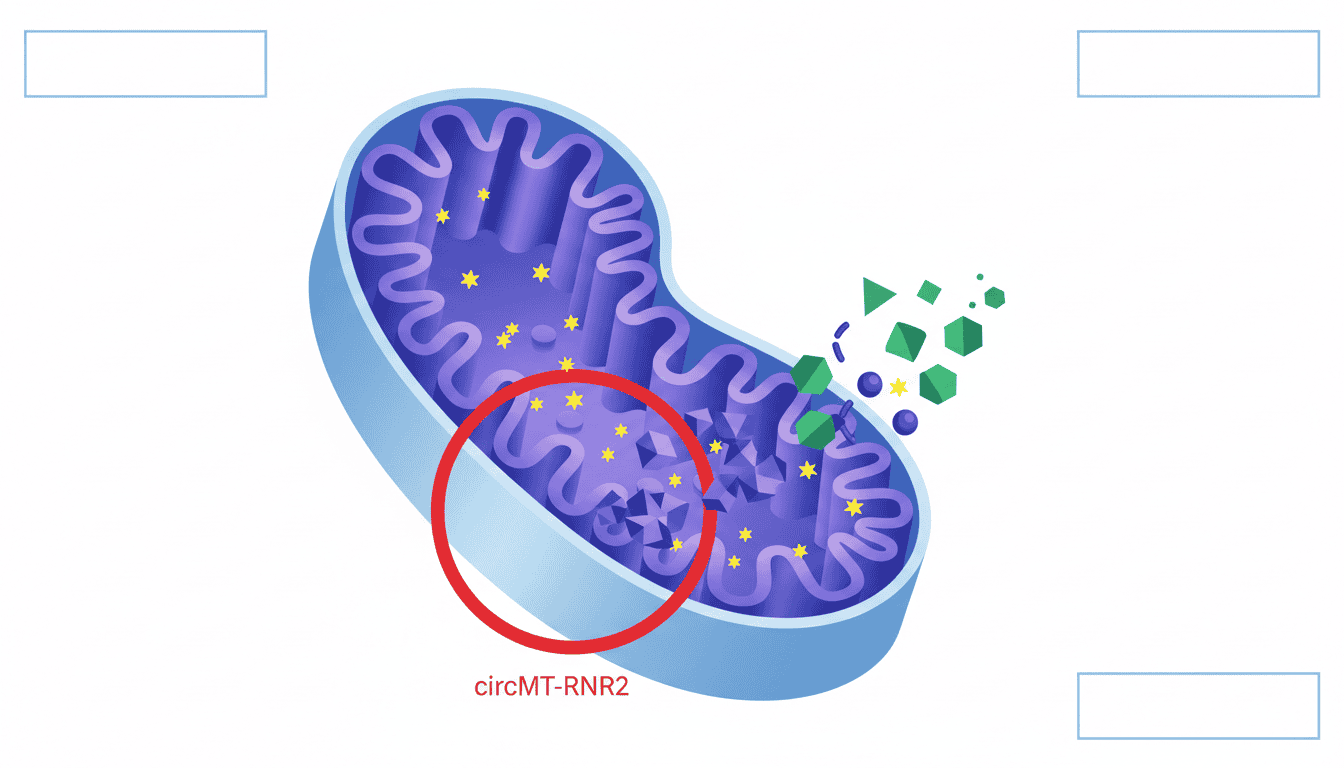
The Enzyme That Keeps Cells From Drowning in Their Own Waste

Featured image for The Enzyme That Keeps Cells From Drowning in Their Own Waste

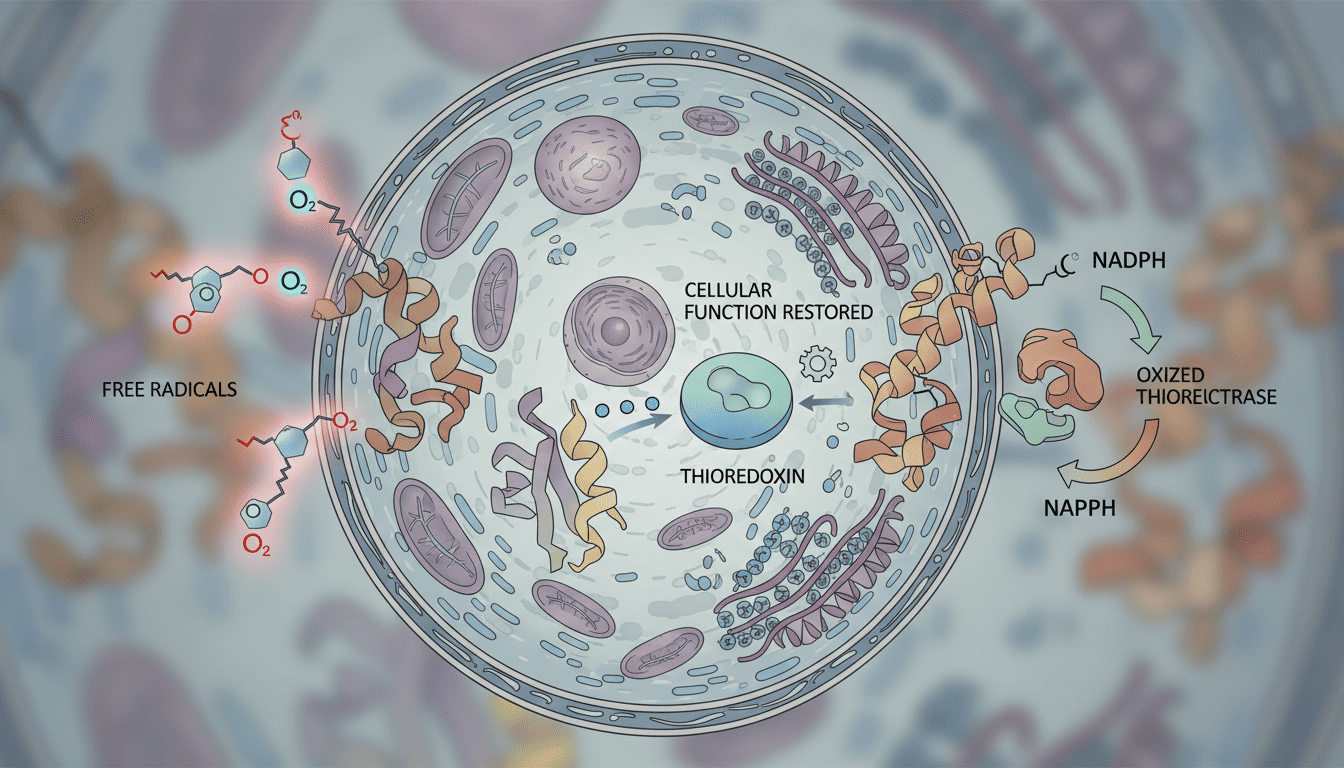
Thioredoxin glutathione reductase is a specialised enzyme that recycles spent antioxidant molecules, allowing cells to defend against oxidative stress far more efficiently than if they had to synthesise new antioxidants constantly. Its structure encodes the ability to transfer electrons from NADPH to two separate antioxidant systems simultaneously.

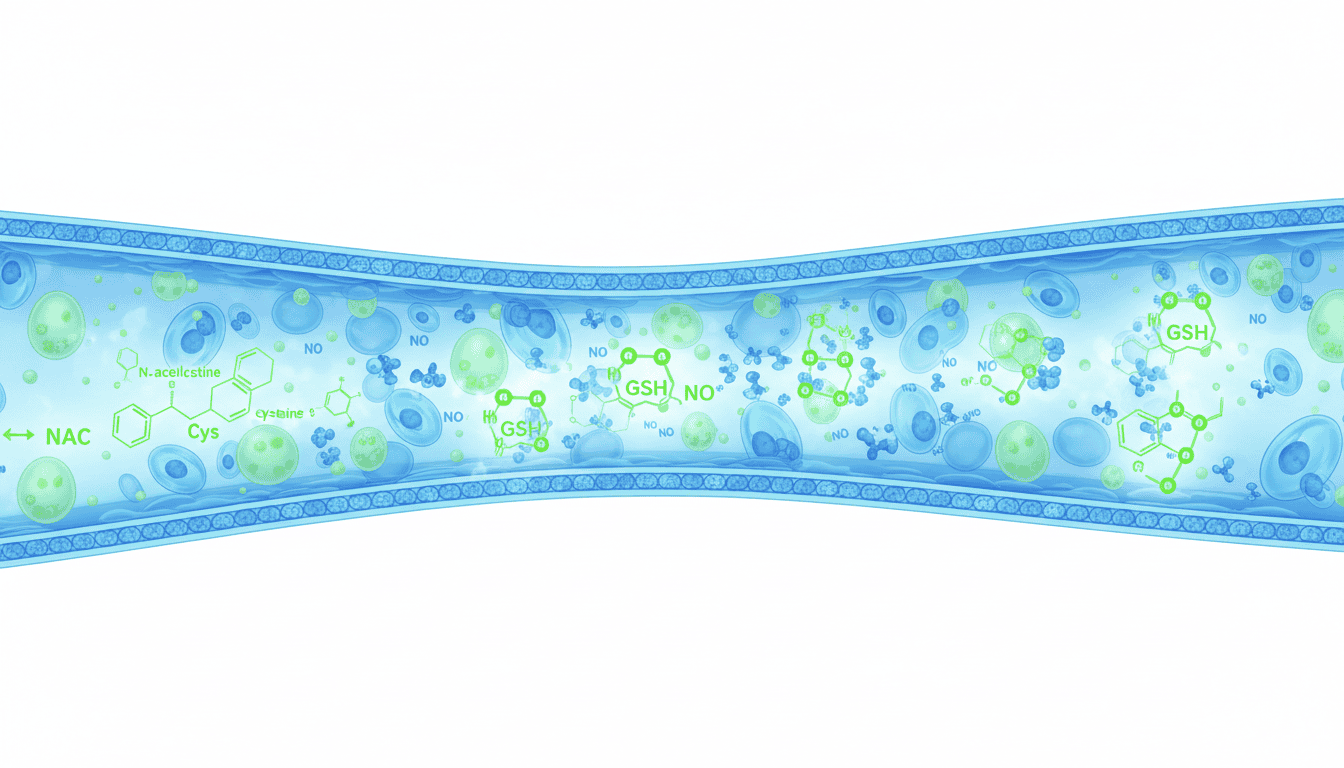
How Plant Compounds Help Cells Recover After Exercise

Featured image for How Plant Compounds Help Cells Recover After Exercise

Plant compounds from foods like berries and green tea directly interact with cellular repair enzymes after exercise, helping muscles recover faster. These phytochemicals work by modifying enzyme activity and triggering genetic pathways that boost antioxidant production during the critical recovery window.