Your muscles are screaming after a hard workout, flooded with reactive oxygen species and cellular debris. Yet within hours, many athletes bounce back stronger than before. The secret lies partly in an unexpected alliance: plant compounds from your diet working directly with your cells’ own repair machinery.
What is phytochemical modulation of redox enzymes
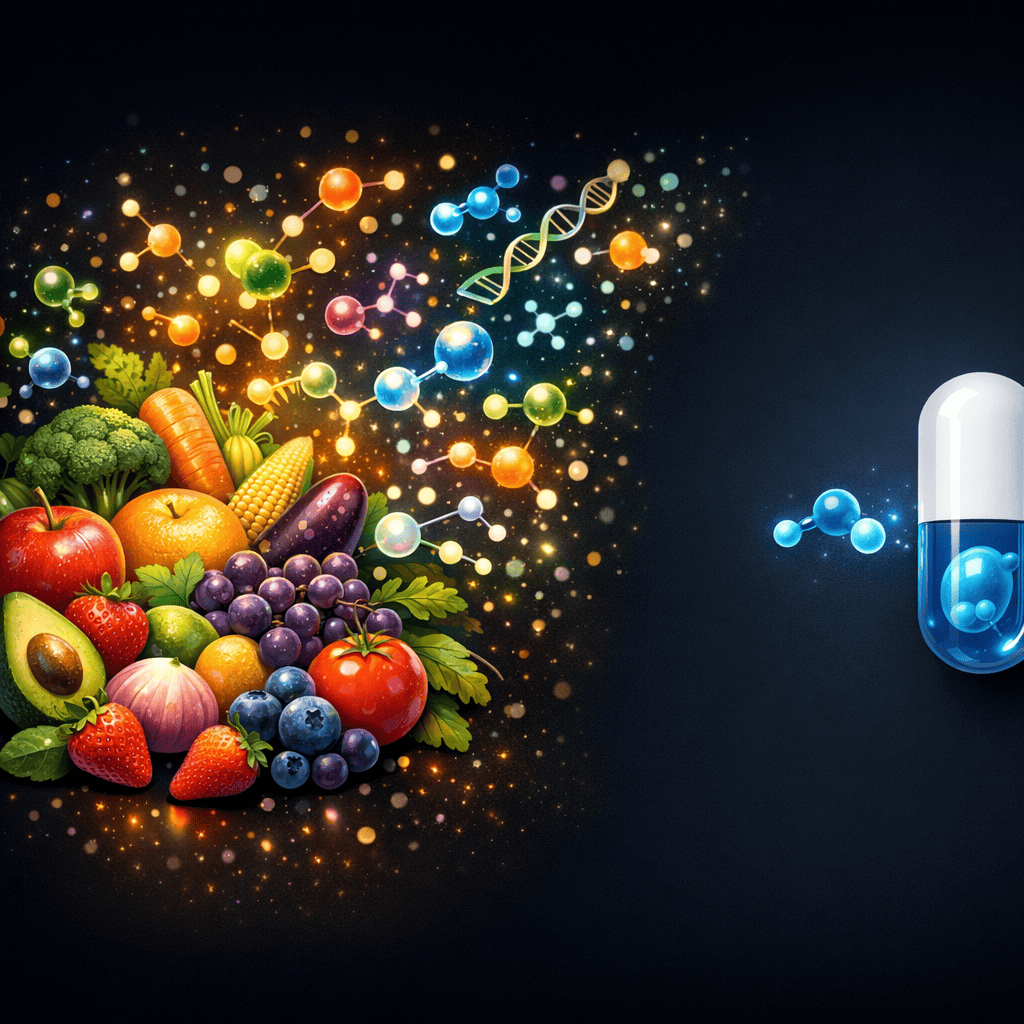
Phytochemicals are bioactive compounds that plants produce to survive environmental stress. Think polyphenols in blueberries, flavonoids in green tea, or sulforaphane in broccoli. When you consume these compounds, they don’t just sit passively in your bloodstream.
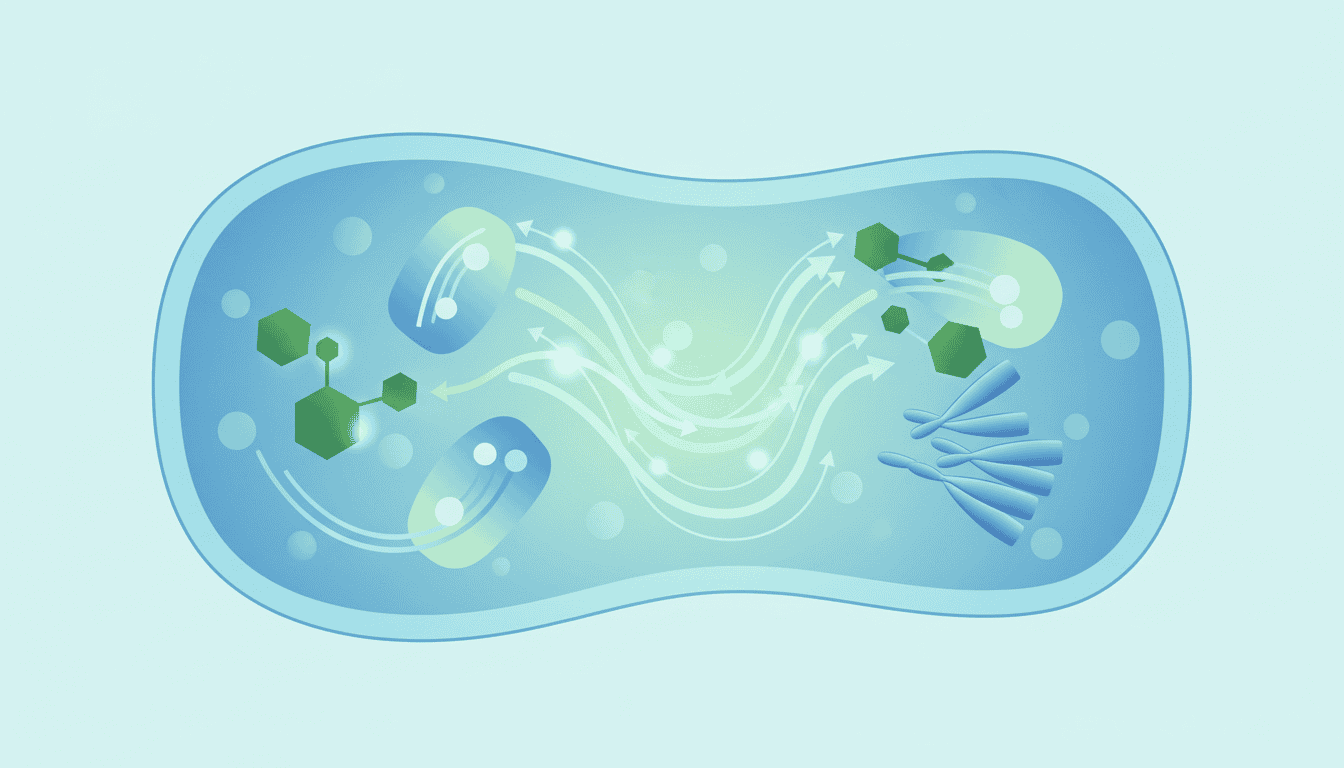
Instead, they interact directly with redox enzymes. These are cellular proteins that manage the balance between oxidation and reduction reactions in your cells. During exercise recovery, key players include catalase (which breaks down hydrogen peroxide), superoxide dismutase (which neutralises superoxide radicals), and glutathione peroxidase (which reduces lipid peroxides).
The interaction works like this: phytochemicals can bind to these enzymes and change their shape slightly, often making them more active. Some compounds also influence the genes that code for these enzymes, ramping up production when cells need more antioxidant firepower.
What the research shows
Exercise scientists have documented specific patterns in how plant compounds affect recovery at the molecular level. When researchers give athletes quercetin supplements before intense training, they see increased activity of catalase and superoxide dismutase in muscle tissue samples taken hours after exercise.
Studies with curcumin show similar effects, but with a twist. The compound appears to work through the NRF2 pathway, a cellular signalling system that acts like a master switch for antioxidant enzyme production. When muscle cells detect curcumin, NRF2 moves into the cell nucleus and activates genes for multiple protective enzymes simultaneously.
Green tea polyphenols demonstrate yet another mechanism. Research shows these compounds can directly scavenge reactive oxygen species while also binding to and stabilising key redox enzymes, making them less likely to become damaged during the oxidative stress of recovery.
The timing matters too. Scientists have found that phytochemical effects on redox enzymes peak 2-6 hours after consumption, which aligns well with the critical window when exercise-induced oxidative stress is highest.
Why cells need this
Exercise creates a controlled form of cellular stress. Your muscles burn through oxygen rapidly, generating reactive oxygen species as metabolic byproducts. This oxidative burst damages proteins, lipids, and even DNA if left unchecked.
But here’s the paradox: this same oxidative stress triggers beneficial adaptations. It’s the signal that tells your cells to build more mitochondria, strengthen muscle fibres, and improve cardiovascular capacity. The key is managing the response, not eliminating it entirely.
Your cells evolved sophisticated redox enzyme systems to handle this balancing act. These enzymes can ramp up quickly when needed, then scale back once the threat passes. But they need raw materials and regulatory signals to work effectively.
Phytochemicals likely provided those signals throughout human evolution. Our ancestors consumed a diet rich in plant compounds, creating a symbiotic relationship where plant stress-response molecules helped optimise our own cellular stress responses.
What affects phytochemical modulation
Age significantly impacts how well this system works. Research shows that older adults have blunted responses to phytochemical intervention, possibly because their cells become less sensitive to regulatory signals over time.
Exercise intensity also matters. Moderate exercise creates oxidative stress that phytochemicals can help manage. But extremely intense exercise might overwhelm even enhanced antioxidant systems, potentially negating some benefits.
Individual genetics play a role too. People with certain variants of antioxidant enzyme genes show stronger responses to specific phytochemicals. For instance, individuals with particular glutathione transferase gene variants metabolise green tea polyphenols differently.
The source and preparation of plant foods affects their bioactivity. Heat processing can increase the bioavailability of some compounds like lycopene but destroy others like vitamin C. Fresh versus dried, raw versus cooked, whole foods versus extracts all create different profiles of available phytochemicals.
Gut bacteria also influence outcomes. These microorganisms break down many phytochemicals into metabolites that are often more bioactive than the original compounds. People with different gut bacterial populations can have vastly different responses to the same plant foods.
What remains unknown
Scientists still don’t fully understand the dose-response relationships for most phytochemical-enzyme interactions. How much quercetin do you need to significantly boost catalase activity? The answer probably varies by individual, but researchers lack the tools to measure this precisely in real time.
The interaction between different phytochemicals remains largely mysterious. When you eat a meal containing dozens of bioactive plant compounds, do they work synergistically or compete with each other? Some evidence suggests both scenarios occur, depending on the specific compounds involved.
Researchers are also puzzling over the apparent hormetic effects of many phytochemicals. At low doses, compounds like resveratrol appear to enhance antioxidant enzyme activity. At high doses, they might actually increase oxidative stress. Finding the sweet spot requires much more research.
The long-term consequences of chronic phytochemical supplementation during exercise training remain unclear. Could artificially boosting antioxidant systems interfere with the natural adaptive responses that make exercise beneficial in the first place?
This emerging picture of plant compounds as molecular messengers reshapes how we think about nutrition and cellular health. Rather than simply providing building blocks for cellular machinery, phytochemicals appear to carry information that helps optimise how that machinery operates. As research continues to decode these chemical conversations between plants and human cells, we’re discovering that the boundary between food and medicine has always been more porous than we imagined.

Matt Elliott is the editor of Redox News Today, an independent publication covering peer-reviewed research on cellular health, redox signalling, and related biomedical science.