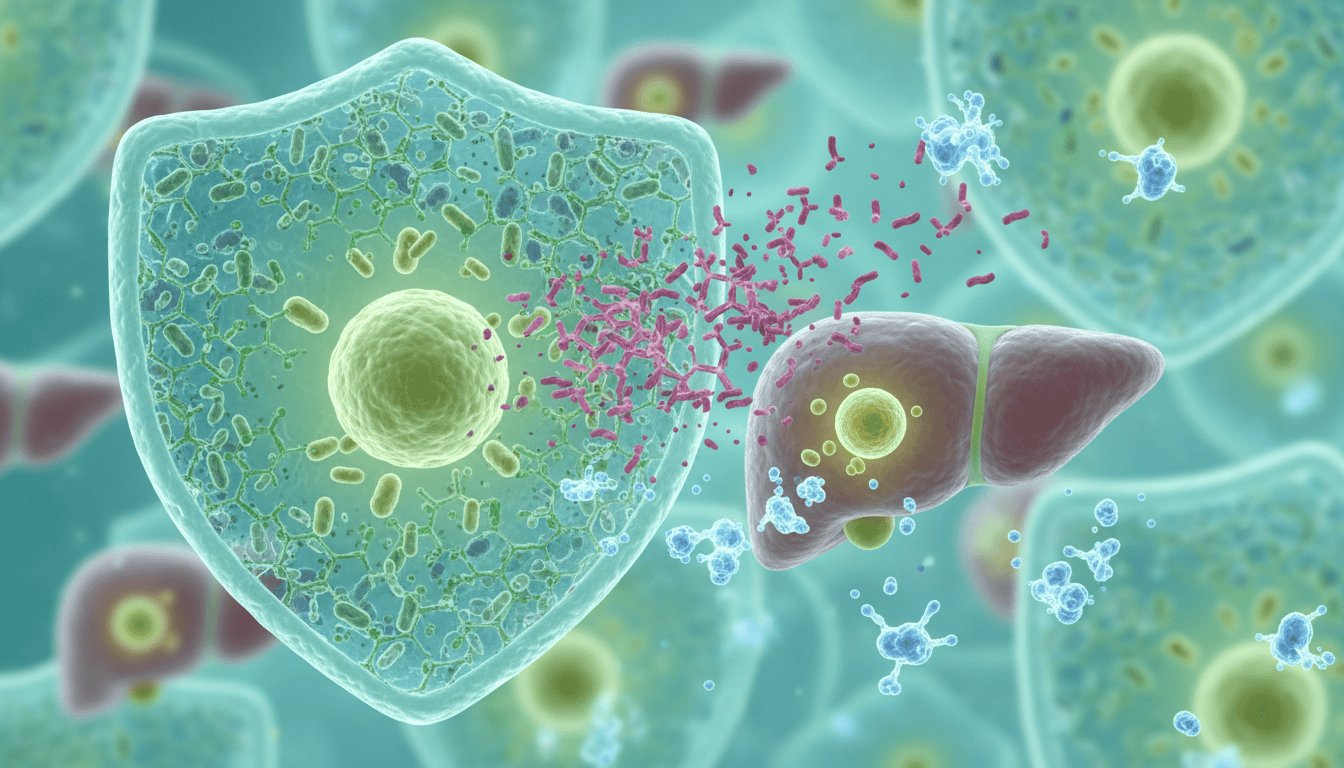
Your liver processes roughly 1.5 litres of blood every minute, filtering out toxins while keeping essential nutrients flowing. When pesticide residues enter this cellular gauntlet, they trigger a cascade of oxidative damage that can overwhelm the liver’s natural defences. Recent research reveals how compounds found in green tea can step in as molecular bodyguards, protecting liver cells from this chemical assault.
What is pesticide-induced oxidative damage
Pesticides don’t just vanish after doing their job in agriculture. These chemicals make their way into our food supply and eventually into our liver cells, where they undergo a process called biotransformation. The liver tries to break down these foreign compounds to make them easier to excrete, but this process has a dark side.
During biotransformation, liver enzymes can accidentally create reactive oxygen species. These molecular fragments are essentially cellular vandals, stealing electrons from whatever they encounter. Cell membranes, DNA, and proteins all become targets. The liver’s antioxidant systems normally handle this oxidative stress, but pesticide exposure can tip the balance.
Think of it like a factory where the waste management system gets overwhelmed. When too many reactive molecules accumulate, they start damaging the very machinery that keeps liver cells functioning. This oxidative damage can impair the liver’s ability to detoxify other substances, creating a dangerous feedback loop.
What the research shows
Laboratory studies using liver cell cultures have demonstrated how green tea polyphenols interfere with pesticide toxicity. When researchers expose liver cells to organophosphate pesticides, they observe predictable patterns of cellular damage. Lipid peroxidation increases, antioxidant enzyme activity drops, and cell membranes start breaking down.
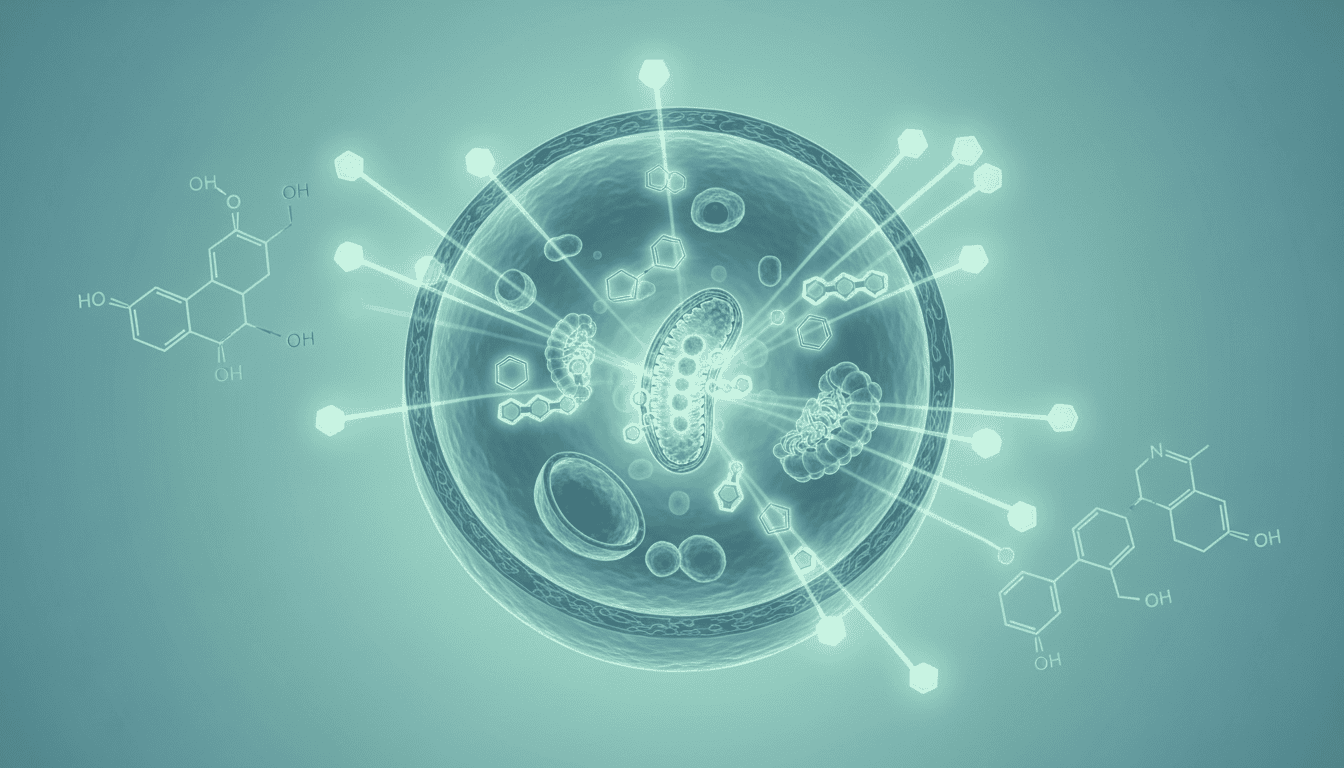
But something different happens when green tea compounds are present. The primary protective player appears to be epigallocatechin gallate, or EGCG for short. This molecule doesn’t just mop up reactive oxygen species after they form. It actually prevents their formation in the first place by modulating the enzymes involved in pesticide metabolism.
Cell studies show EGCG can maintain glutathione levels even under pesticide stress. Glutathione acts like the liver’s master antioxidant, and keeping its levels stable prevents the cascade of oxidative damage that would normally follow pesticide exposure. Researchers have also observed that green tea polyphenols help maintain the integrity of mitochondrial membranes, keeping cellular energy production stable during chemical stress.
Why cells need this protection
Evolution didn’t prepare our liver cells for synthetic pesticides, which only appeared in the last century. Our cellular defence systems evolved to handle natural toxins from plants, bacteria, and metabolic waste products. These ancient protective mechanisms work well for their original purpose, but modern chemical exposure can overwhelm them.
The liver’s detoxification system operates in two phases. Phase I enzymes modify toxins to make them more water-soluble, but this process often creates more reactive intermediates. Phase II enzymes then attach molecules like glutathione to neutralise these intermediates completely. Pesticides can disrupt this delicate balance, creating a bottleneck where toxic intermediates accumulate faster than they can be neutralised.
Plant polyphenols like those in green tea represent millions of years of chemical warfare between plants and their predators. Plants developed these compounds to protect their own cells from oxidative stress and to deter insects and other threats. When we consume these molecules, we’re essentially borrowing a plant’s cellular defence system to supplement our own.
What affects green tea’s protective capacity
The concentration and type of green tea compounds matter enormously. Fresh green tea leaves contain the highest levels of active polyphenols, but these molecules are fragile. Heat, light, and oxygen all break them down rapidly. This explains why brewing temperature and steeping time affect not just flavour but also the biological activity of the tea.
Processing methods dramatically influence polyphenol content. Traditional steaming preserves more EGCG than pan-firing, and loose leaf teas generally retain more active compounds than tea bags. Storage conditions also play a role, with properly stored tea maintaining higher antioxidant activity for longer periods.
Individual factors affect how well people absorb and utilise these compounds. Gut bacteria help break down complex polyphenols into smaller, more absorbable forms. People with different bacterial populations may extract different benefits from the same tea. Age also matters, as older adults often show reduced absorption of polyphenolic compounds.
What remains unknown
Most protective effects have been demonstrated in isolated liver cells or animal models, leaving significant gaps in our understanding. How green tea compounds behave in the complex environment of human digestion and metabolism remains partially unclear. The stomach’s acidic environment and liver’s first-pass metabolism both modify these molecules before they reach their target tissues.
Researchers still don’t fully understand the optimal timing and dosing for protective effects. Does regular consumption provide better protection than occasional higher doses? How long do these compounds remain active in liver cells after consumption? The interaction between different polyphenols in whole tea versus isolated compounds also needs more investigation.
The question of which pesticides are most susceptible to green tea’s protective effects remains open. Different classes of pesticides cause oxidative damage through different pathways. Organophosphates, organochlorines, and newer synthetic pesticides may respond differently to polyphenol intervention, but comprehensive comparative studies are still lacking.
This research illuminates a broader principle about how plant compounds can support cellular resilience in our chemically complex world. While we can’t avoid all environmental toxins, understanding how natural molecules interact with our cellular defence systems opens new perspectives on the relationship between diet and cellular protection. The liver’s remarkable ability to process both harmful and beneficial compounds continues to reveal new layers of biochemical sophistication.

Matt Elliott is the editor of Redox News Today, an independent publication covering peer-reviewed research on cellular health, redox signalling, and related biomedical science.