NRF2 at a glance
What it is: a transcription factor, a protein that switches genes on
What it controls: more than 200 protective genes, including antioxidant, detoxification and repair enzymes
Its off switch: a partner protein called KEAP1
Discovered: 1994, with its role in cell defence shown in mice in 1997
In medicine: two approved drugs act partly or wholly through this pathway, and one large trial was stopped early
Every cell in your body is under constant chemical pressure. Breathing, eating, exercising and simply making energy all produce reactive molecules that can damage proteins, fats and DNA. Cells cope with this not by stockpiling a fixed supply of defences, but by switching extra defences on when they need them. The protein that does most of that switching is called NRF2.
NRF2 has become one of the most studied proteins in biology because it sits at the crossroads of so many questions: how cells handle pollution and toxins, why some protective responses fade with age, how exercise makes muscles more resilient, and why a defence system that protects healthy cells can also help cancer cells survive. This guide explains what the research actually shows, with every key point linked to its source.
In this guide: What NRF2 is · The KEAP1 switch · What NRF2 controls · How it was discovered · What switches it on · NRF2 and ageing · NRF2 and ferroptosis · NRF2 in medicine · The cancer paradox · What we still do not know · Common questions · References
What NRF2 is
NRF2 stands for nuclear factor erythroid 2 related factor 2. It is a transcription factor, which means its job is to bind to DNA and turn particular genes on. It is not itself an antioxidant. Think of it less as a firefighter and more as the person who sounds the alarm and sends the fire crews out.
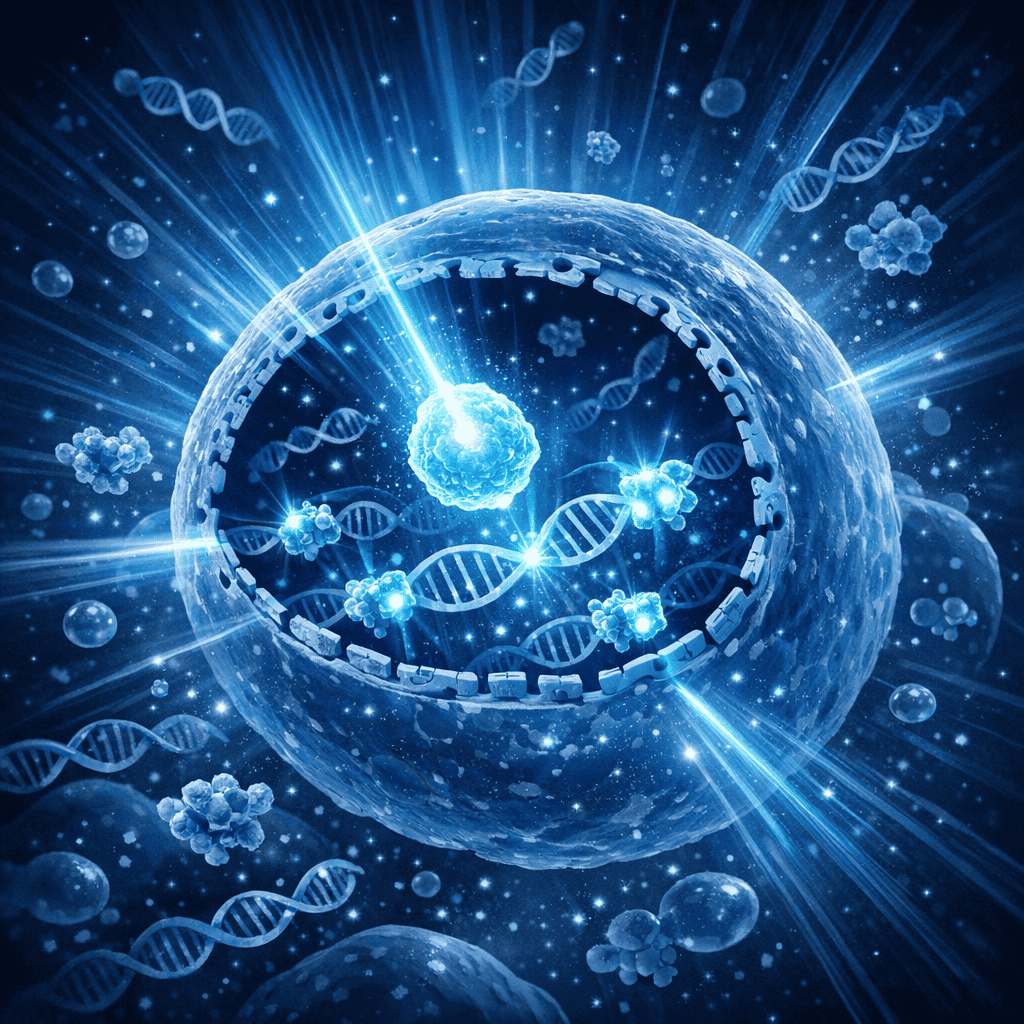
The genes NRF2 switches on share a common feature: a short stretch of DNA called the antioxidant response element, or ARE. When NRF2 reaches the nucleus, it pairs with a small partner protein from the Maf family, and the pair binds to these elements, switching on the genes next to them [2]. A 2016 review in Redox Biology describes NRF2 as regulating the expression of more than 200 cytoprotective, or cell protecting, genes [11].
The KEAP1 switch: how cells keep NRF2 under control
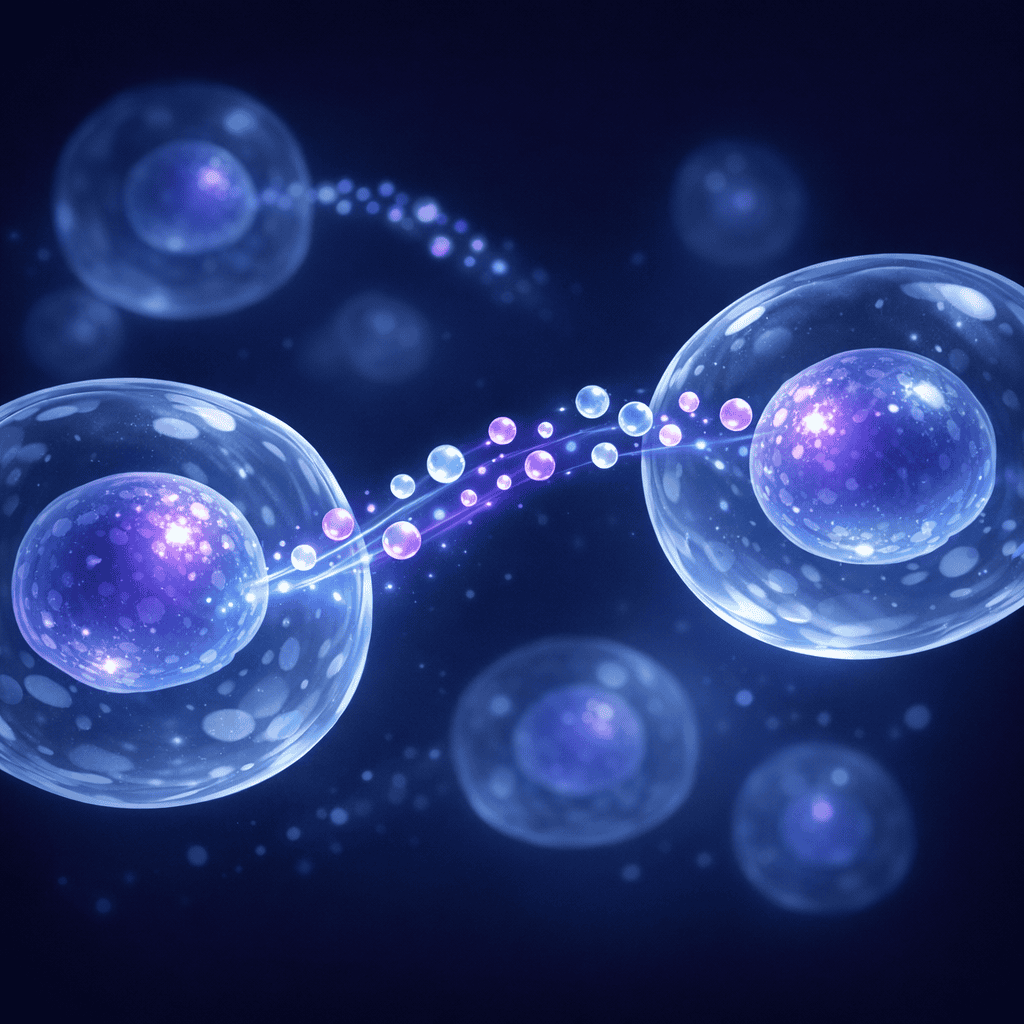
If NRF2 were active all the time, cells would waste energy running defences they do not need. So under normal conditions, NRF2 is held in check by a partner protein called KEAP1. KEAP1 binds NRF2 and marks it for destruction, so the cell keeps making NRF2 and keeps breaking it down. Very little reaches the nucleus [3, 4].
KEAP1 is rich in cysteines, building blocks that carry reactive sulphur groups. These act as sensors. When oxidants or reactive chemicals build up, they modify those cysteines, KEAP1 loses its grip, and newly made NRF2 is free to move into the nucleus and switch on its target genes [4]. Researchers describe this as a derepression mechanism: the response is fast precisely because the cell does not have to build anything new, it simply stops destroying a protein it is already making [4].
This design is the reason NRF2 is often called a master switch. A single sensor, KEAP1, can detect many different kinds of chemical threat and trigger one coordinated response.
What NRF2 controls
The best known NRF2 targets are enzymes that neutralise reactive molecules and help cells clear foreign chemicals. In the 1997 study that first linked NRF2 to cell defence, mice lacking NRF2 largely failed to switch on detoxifying enzymes such as glutathione S-transferase and NQO1 in the liver and intestine when exposed to a chemical that normally triggers them [2].
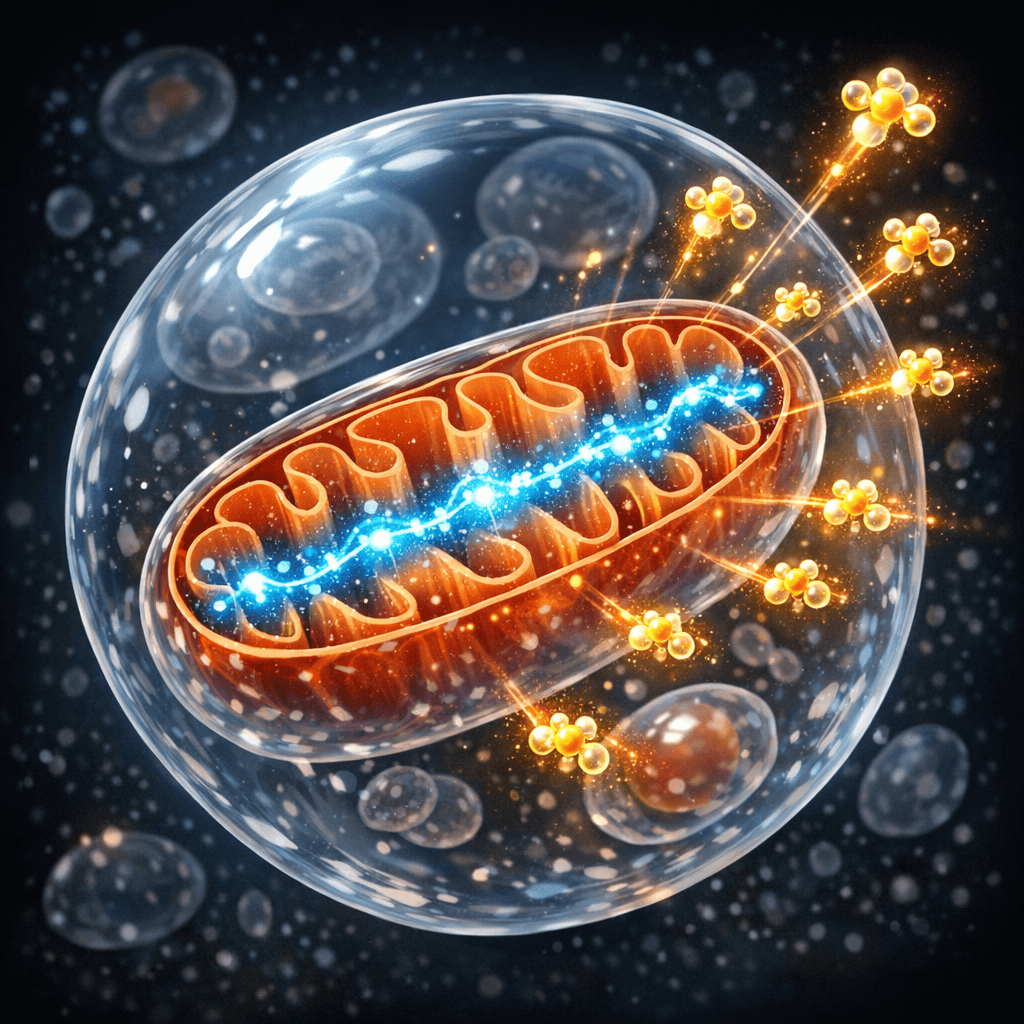
NRF2 also supports the cell’s supply of glutathione, the most abundant antioxidant molecule made inside cells, and of NADPH, the molecule many antioxidant enzymes depend on for their working power. Its reach goes beyond antioxidant defence. A 2014 review in Trends in Biochemical Sciences describes NRF2 increasing the repair and breakdown of damaged molecules and reshaping metabolism during stress, including reducing fat building, supporting fat burning and increasing flow through the pentose phosphate pathway, a route that produces NADPH [10].
How NRF2 was discovered
NRF2 was not discovered by researchers looking for an antioxidant switch. In 1994, a team studying how the genes for haemoglobin are controlled isolated a new protein that bound to a regulatory region of the beta globin genes. They named it NF-E2 related factor 2, NRF2, and noted that, unlike its relative NF-E2, it was produced in many tissues [1].
Its real role became clear three years later, when Japanese researchers disrupted the NRF2 gene in mice and showed that the animals could no longer properly switch on a set of protective detoxifying enzymes [2]. In 1999, the same group identified KEAP1, the protein that holds NRF2 in check, and proposed that the two together act as the cell’s sensor for oxidative stress [3]. That model has held up for a quarter of a century and is still the foundation of the field [4].
What switches NRF2 on
Oxidants and reactive chemicals. The natural trigger for NRF2 is chemical stress itself: reactive oxygen species and so called electrophiles, chemicals that react readily with the cysteine sensors on KEAP1 [4]. This is why NRF2 activity rises after exposure to many pollutants and toxins.
Exercise. Working muscles produce more reactive oxygen species, and these signals activate NRF2. A review of the field describes how repeated bouts of exercise, through this route, lead to an upregulation of the body’s own antioxidant defences [11]. The same review discusses evidence that taking high doses of antioxidant supplements alongside training can blunt some of these adaptations, which is one reason researchers now see reactive oxygen species as signals as well as threats [11].
Plant compounds. Some compounds found in food can activate NRF2 in laboratory studies. The best studied is sulforaphane, which forms from a precursor in broccoli and especially broccoli sprouts. In a 12 week randomised trial of 291 adults in a heavily polluted region of China, people who drank a broccoli sprout beverage excreted 61 percent more of a glutathione bound breakdown product of benzene, and 23 percent more of one from acrolein, than people given a placebo drink [12]. Those markers indicate the detoxification routes NRF2 controls were working harder. The trial did not measure whether this changed anyone’s long term health.
Drugs. Several medicines have been developed specifically to activate NRF2, mostly by targeting the KEAP1 sensor. These are covered below.
NRF2 and ageing
One of the most consistent observations in ageing research is that the body becomes less able to respond to oxidative stress. A 2015 review in Free Radical Biology and Medicine summarised evidence that, with age, oxidant production rises while antioxidant enzymes and repair systems decline, and that the adaptive response to oxidative stress itself weakens. The authors point to impaired NRF2 signalling as part of that picture, through changes at several levels of its regulation [13].
Much of this evidence comes from animal and cell studies, and researchers are still working out which changes are causes of ageing and which are consequences. It is an active and unresolved area.
NRF2 and ferroptosis
Ferroptosis is a form of cell death, identified relatively recently, that depends on iron and is driven by the build up of damaged, oxidised fats in cell membranes. Many of the genes that limit that damage, including those involved in glutathione production and iron handling, are NRF2 targets. A 2019 review in Redox Biology sets out how NRF2 helps protect cells against lipid peroxidation and ferroptosis, and why that matters for research into neurodegenerative and cardiovascular disease as well as cancer [7].
NRF2 in medicine
The NRF2 pathway has moved from the laboratory into approved medicines, but the story is more mixed than headlines often suggest.
Dimethyl fumarate for multiple sclerosis. Dimethyl fumarate activates NRF2, among other effects. In a two year randomised trial in people with relapsing remitting multiple sclerosis, published in the New England Journal of Medicine in 2012, 27 percent of people on the twice daily dose had a relapse, compared with 46 percent on placebo [8]. It is now an established treatment for the condition. A 2019 review in Nature Reviews Drug Discovery described it as the first NRF2 activator to receive clinical approval [5].
Omaveloxolone for Friedreich ataxia. Friedreich ataxia is a rare inherited disease that progressively damages the nervous system. In the MOXIe trial, 103 people aged 16 to 40 were randomly assigned to omaveloxolone, an NRF2 activator, or placebo for 48 weeks. Those on the drug scored better on a standard neurological rating scale than those on placebo [6]. In February 2023, the United States Food and Drug Administration approved omaveloxolone as the first treatment for Friedreich ataxia, for people aged 16 and over [14].
Bardoxolone methyl: a cautionary trial. Not every attempt has worked. In the BEACON trial, more than 2,000 people with type 2 diabetes and advanced chronic kidney disease were given bardoxolone methyl, another NRF2 activator, or placebo. The trial was stopped early. The drug did not reduce kidney failure or cardiovascular death, and 96 people in the drug group were hospitalised for or died from heart failure, compared with 55 on placebo [9]. It is a clear reminder that switching on a powerful defence pathway with a drug can have effects that only show up in large trials.
The cancer paradox
NRF2 was first studied as a potential cancer preventer, because the enzymes it switches on help neutralise cancer causing chemicals. But the same protective machinery can help cancer cells. A 2018 review in Cancer Cell describes a growing body of evidence establishing NRF2 as a driver of cancer progression, spread and resistance to therapy in some tumours, alongside its tumour suppressive effects in healthy cells [15].
In other words, whether NRF2 activity is helpful or harmful depends on the cell, the timing and the context. This is the single most important caveat in the whole field, and it is why researchers are cautious about the idea that switching NRF2 on is always beneficial [5, 15].
What we still do not know
After 30 years of research, several big questions remain open. Researchers are still working out how to activate NRF2 precisely in the tissues that need it without affecting others, how much activation is helpful before it becomes harmful, and how to measure NRF2 activity reliably in people rather than in cells or animals [5]. Most of what is known about NRF2 and ageing comes from animal studies. And for most products marketed on the basis of NRF2, there are no large randomised trials showing effects on health outcomes, which is the standard the approved drugs above had to meet.
What is clear is that NRF2 is not a simple dial to turn up. It is a sophisticated sensing system that evolved to respond to real threats, and the research increasingly suggests that the body’s own, well timed responses, such as those triggered by exercise, are part of how it is meant to work.
Common questions about NRF2
Is NRF2 an antioxidant?
No. NRF2 is a transcription factor, a protein that switches genes on. Many of the genes it controls make antioxidant and detoxification enzymes, which is why it is often described as the master regulator of the cell’s antioxidant response [11, 15].
What is the difference between NRF2 and KEAP1?
NRF2 switches protective genes on. KEAP1 is its partner and off switch, holding NRF2 in check and marking it for destruction until it senses chemical stress [3, 4].
Is more NRF2 activity always better?
No. Healthy cells benefit from being able to switch NRF2 on when needed, but persistently high NRF2 activity can help some cancer cells survive and resist treatment, and one large drug trial of an NRF2 activator was stopped because of heart failure events [9, 15].
Are there approved medicines that target NRF2?
Yes. Dimethyl fumarate, used for relapsing multiple sclerosis, activates NRF2 among other effects, and omaveloxolone was approved in the United States in 2023 for Friedreich ataxia [5, 8, 14]. Anyone considering a medicine should discuss it with their doctor.
Further reading: Glutathione explained: how your cells make, use and recycle their main antioxidant, one of the key defences NRF2 switches on.
Further reading: Oxidative stress explained: what it is, why cells need some, and what the research shows.
Further reading: The biology of ageing explained: the twelve hallmarks and what the research shows.
Further reading: Mitochondria explained: how your cells make energy, and why it matters.
Further reading: Ferroptosis explained: how iron drives a distinct form of cell death.
Further reading: Redox signalling explained: how cells use reactive oxygen as a message.
Further reading: Inflammation explained · Exercise and your cells
References
- Moi P, Chan K, Asunis I, et al. (1994). Isolation of NF-E2-related factor 2 (Nrf2), a NF-E2-like basic leucine zipper transcriptional activator that binds to the tandem NF-E2/AP1 repeat of the beta-globin locus control region. Proceedings of the National Academy of Sciences of the USA. https://doi.org/10.1073/pnas.91.21.9926
- Itoh K, Chiba T, Takahashi S, et al. (1997). An Nrf2/small Maf heterodimer mediates the induction of phase II detoxifying enzyme genes through antioxidant response elements. Biochemical and Biophysical Research Communications. https://doi.org/10.1006/bbrc.1997.6943
- Itoh K, Wakabayashi N, Katoh Y, et al. (1999). Keap1 represses nuclear activation of antioxidant responsive elements by Nrf2 through binding to the amino-terminal Neh2 domain. Genes & Development. https://doi.org/10.1101/gad.13.1.76
- Yamamoto M, Kensler TW, Motohashi H. (2018). The KEAP1-NRF2 system: a thiol-based sensor-effector apparatus for maintaining redox homeostasis. Physiological Reviews. https://doi.org/10.1152/physrev.00023.2017
- Cuadrado A, Rojo AI, Wells G, et al. (2019). Therapeutic targeting of the NRF2 and KEAP1 partnership in chronic diseases. Nature Reviews Drug Discovery. https://doi.org/10.1038/s41573-018-0008-x
- Lynch DR, Chin MP, Delatycki MB, et al. (2021). Safety and efficacy of omaveloxolone in Friedreich ataxia (MOXIe study). Annals of Neurology. https://doi.org/10.1002/ana.25934
- Dodson M, Castro-Portuguez R, Zhang DD. (2019). NRF2 plays a critical role in mitigating lipid peroxidation and ferroptosis. Redox Biology. https://doi.org/10.1016/j.redox.2019.101107
- Gold R, Kappos L, Arnold DL, et al. (2012). Placebo-controlled phase 3 study of oral BG-12 for relapsing multiple sclerosis. New England Journal of Medicine. https://doi.org/10.1056/NEJMoa1114287
- de Zeeuw D, Akizawa T, Audhya P, et al. (2013). Bardoxolone methyl in type 2 diabetes and stage 4 chronic kidney disease. New England Journal of Medicine. https://doi.org/10.1056/NEJMoa1306033
- Hayes JD, Dinkova-Kostova AT. (2014). The Nrf2 regulatory network provides an interface between redox and intermediary metabolism. Trends in Biochemical Sciences. https://doi.org/10.1016/j.tibs.2014.02.002
- Done AJ, Traustadóttir T. (2016). Nrf2 mediates redox adaptations to exercise. Redox Biology. https://doi.org/10.1016/j.redox.2016.10.003
- Egner PA, Chen JG, Zarth AT, et al. (2014). Rapid and sustainable detoxication of airborne pollutants by broccoli sprout beverage: results of a randomized clinical trial in China. Cancer Prevention Research. https://doi.org/10.1158/1940-6207.CAPR-14-0103
- Zhang H, Davies KJA, Forman HJ. (2015). Oxidative stress response and Nrf2 signaling in aging. Free Radical Biology and Medicine. https://doi.org/10.1016/j.freeradbiomed.2015.05.036
- Friedreich’s Ataxia Research Alliance. (2023). First medication to treat Friedreich’s ataxia approved on Rare Disease Day. curefa.org
- Rojo de la Vega M, Chapman E, Zhang DD. (2018). NRF2 and the hallmarks of cancer. Cancer Cell. https://doi.org/10.1016/j.ccell.2018.03.022
Redox News Today reports on published research for general interest. This guide is not medical advice. Last reviewed October 2026.

Matt Elliott is the editor of Redox News Today, an independent publication covering peer-reviewed research on cellular health, redox signalling, and related biomedical science.