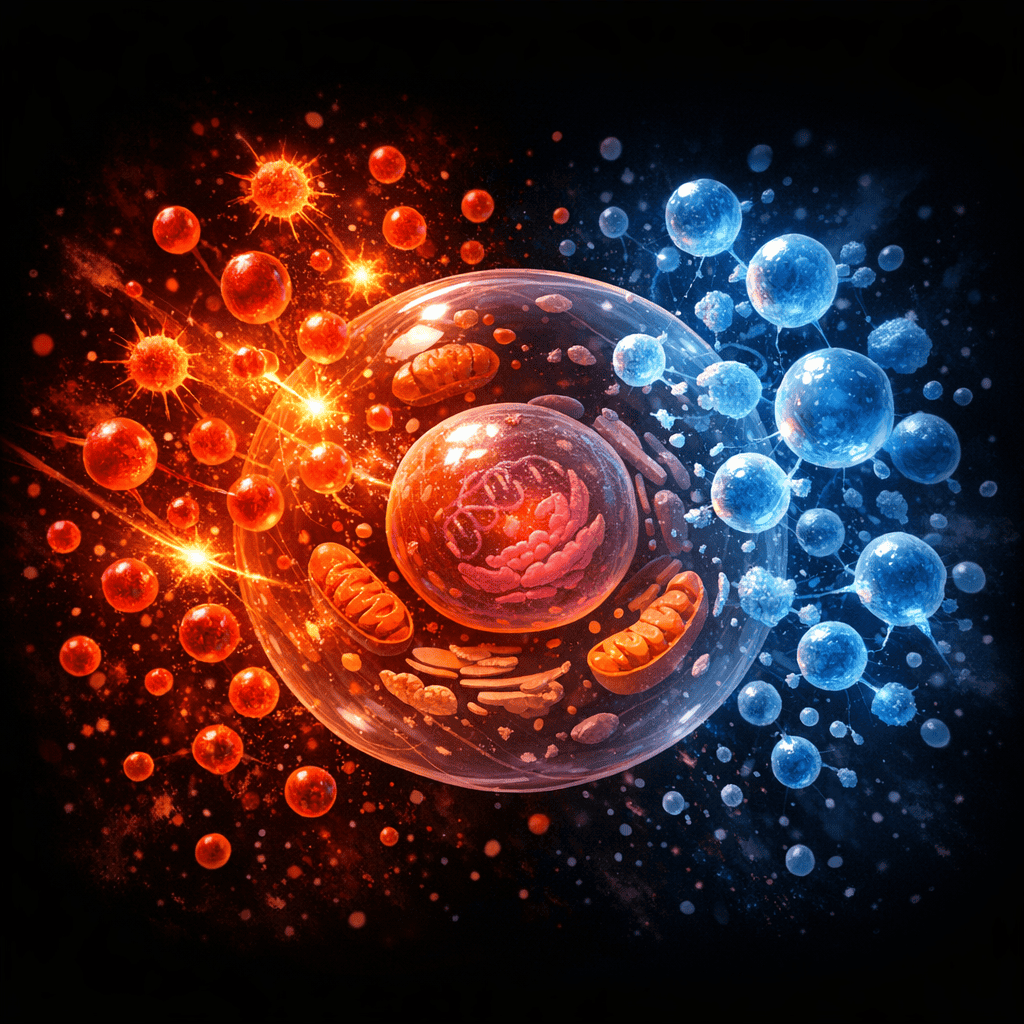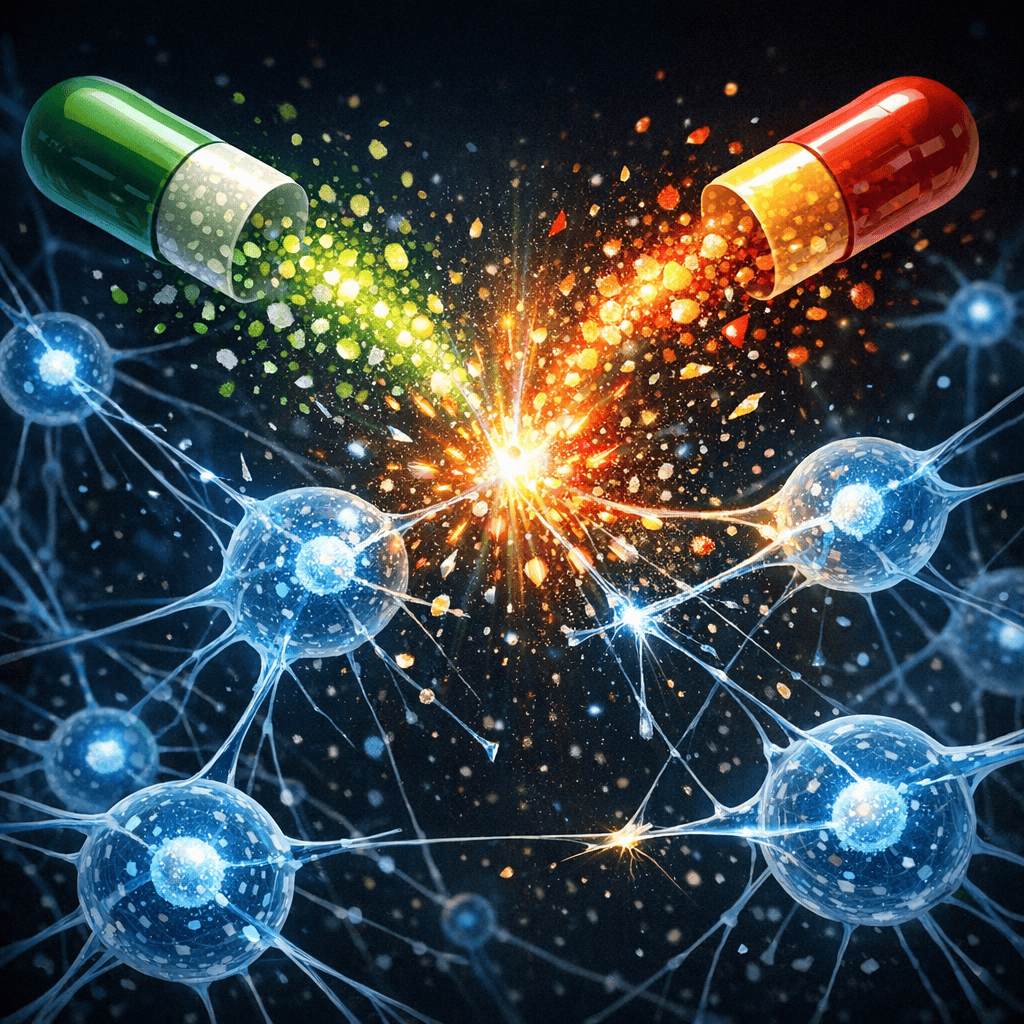
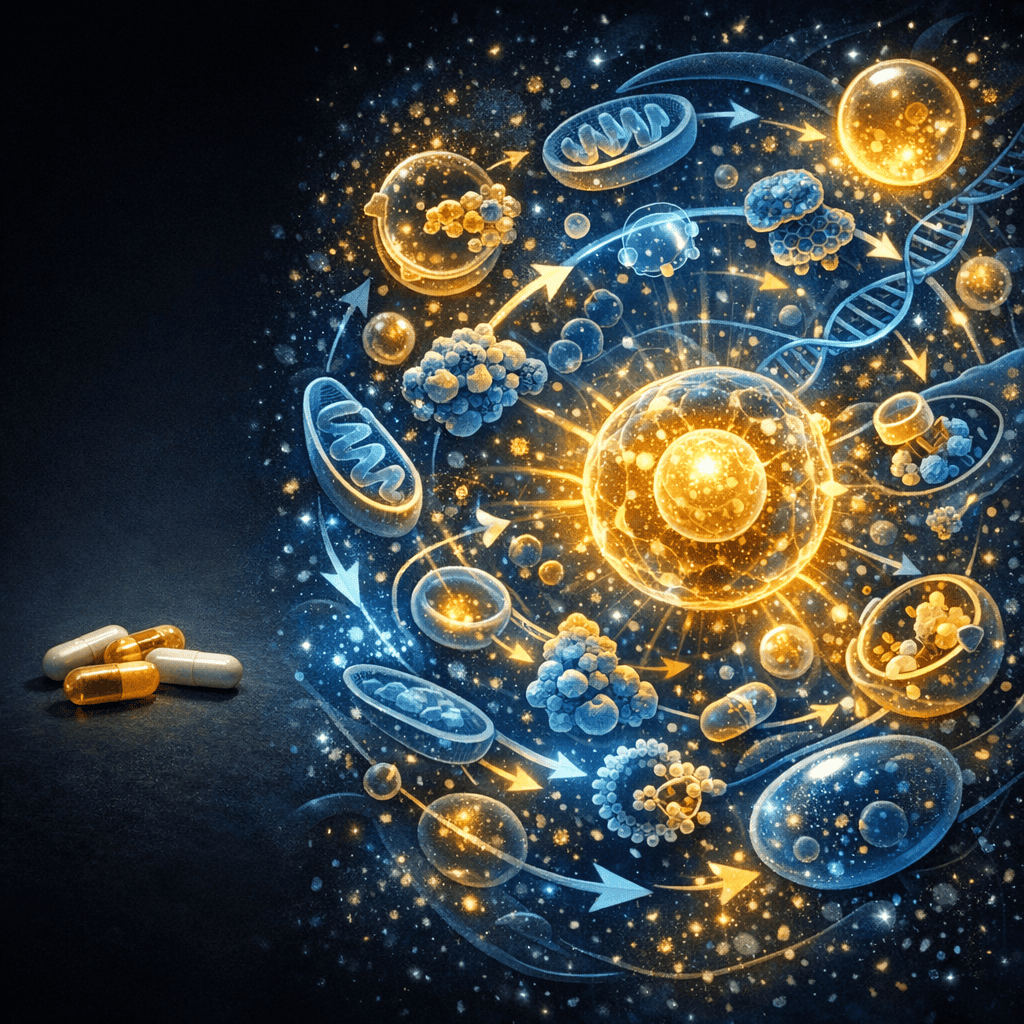
The antioxidant supplement industry generates billions of dollars in annual revenue worldwide. The premise is straightforward: your body faces oxidative damage, antioxidants neutralise that damage, therefore taking more antioxidants should improve your health. But the cellular science tells a more complicated story, and the clinical evidence has repeatedly failed to support the simple supplementation model.
The Limitation of External Antioxidants
When you take an antioxidant supplement, the molecule must survive digestion, be absorbed into your bloodstream, reach the cells where it is needed and then arrive in sufficient concentration to make a meaningful difference to your redox balance. Each of these steps presents a significant biological hurdle.
Vitamin C, for example, has saturable absorption in the gut. Once your plasma levels reach a certain threshold, additional oral intake is simply excreted. Vitamin E is fat soluble and better absorbed with dietary fat, but it distributes unevenly through the body and concentrates in specific tissues. Glutathione taken orally is broken down into component amino acids during digestion, as detailed in our article on glutathione synthesis.
Even when an external antioxidant reaches the right tissue at the right concentration, it can only neutralise reactive species in a one to one chemical reaction. One molecule of vitamin C neutralises one reactive oxygen species. Once the vitamin C molecule has donated its electron, it is oxidised and must be regenerated or replaced. This is a fundamentally limited mechanism compared to what your body’s internal systems can achieve.
What Your Internal Systems Do Differently
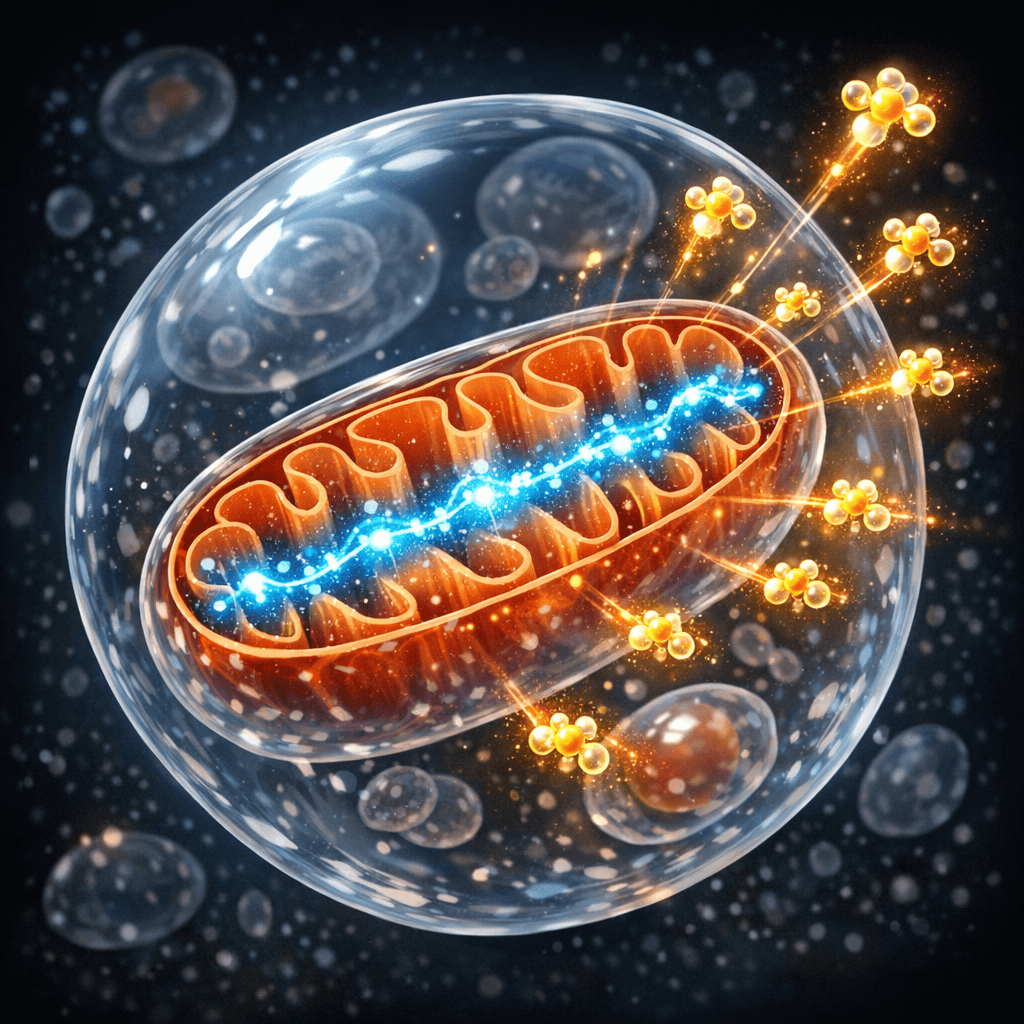
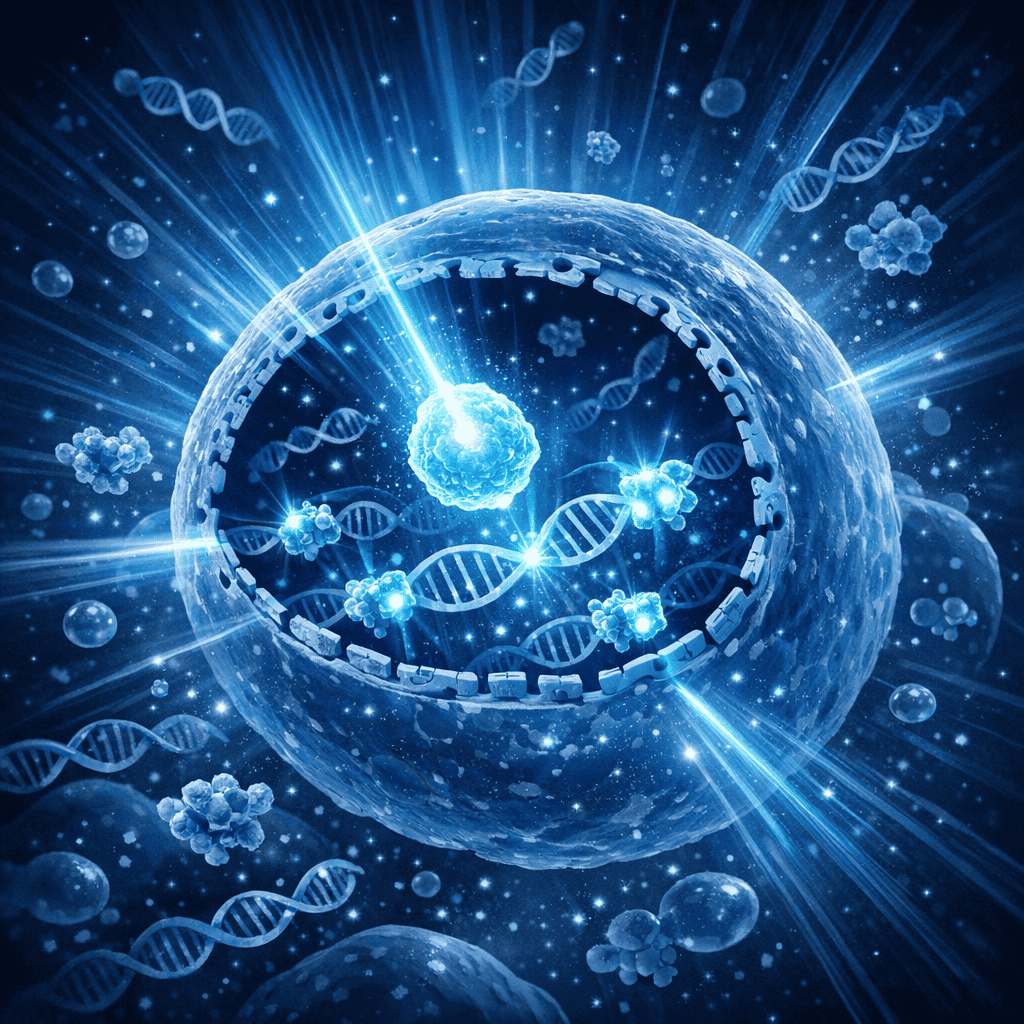
Your body’s endogenous antioxidant systems, centred on the NRF2 pathway, work on an entirely different model. When NRF2 is activated, it does not neutralise a single reactive molecule. It switches on the production of hundreds of protective enzymes that work continuously, are regenerated and recycled, and are produced precisely where they are needed.
The glutathione recycling system converts oxidised glutathione back to its active form, allowing each molecule to neutralise multiple reactive species before being replaced. Superoxide dismutase converts superoxide radicals to hydrogen peroxide. Catalase then converts hydrogen peroxide to water. These enzyme systems work in concert, in real time, at the exact cellular locations where oxidative stress is occurring.
No supplement can replicate this level of coordination, precision and self renewal.
The Signalling Problem
Perhaps the most important reason that antioxidant supplements fall short is their effect on redox signalling. As we have explored throughout this series, reactive oxygen species are not just damaging agents. They are essential signalling molecules that your body produces deliberately for immune defence, cellular repair, NRF2 activation and exercise adaptation.
High dose external antioxidants suppress these signals. When the reactive species that would normally activate NRF2 are neutralised before they can deliver their message, the pathway is not triggered. Your cells do not upregulate their own defences. The clinical trial evidence confirms this: in multiple large studies, high dose antioxidant supplementation produced no benefit and, in some cases, measurable harm.
What Actually Works
The research consistently points to the same conclusion: the most effective strategy for managing oxidative stress is to support your body’s own antioxidant production and signalling systems rather than trying to supply the finished products from outside.
Regular exercise activates NRF2 through hormetic stress, increasing glutathione production, mitochondrial biogenesis and antioxidant enzyme capacity. Cruciferous vegetables, sulforaphane rich foods and other NRF2 activating compounds stimulate the pathway through dietary hormesis. Quality sleep provides the restoration window during which antioxidant stores are replenished and NRF2 mediated repair processes complete their cycle. Nature exposure and stress management reduce the chronic cortisol elevation that drives oxidative damage.
These interventions work not by adding antioxidants to the system but by activating the system itself. They support the signalling, production and recycling mechanisms that have evolved over millions of years to maintain cellular health.
The Nuance
This does not mean that all supplementation is worthless. Correcting a genuine nutritional deficiency (such as low vitamin C in someone with scurvy, or low selenium in someone with depleted soil) is clearly beneficial. Dietary antioxidants from whole foods, consumed as part of a varied diet, are consistently associated with positive health outcomes.
The problem is specifically with the mega dose supplementation model: the idea that if some is good, more must be better. The evolution of the free radical theory has made clear that the relationship between reactive species and health is not linear. More antioxidants is not always the answer. Better regulated, internally produced, precisely targeted antioxidant defence is.
Your body already has the most sophisticated antioxidant system in existence. The question is not whether to supplement it from outside. The question is whether you are giving it the conditions it needs to function at full capacity.

Matt Elliott is the editor of Redox News Today, an independent publication covering peer-reviewed research on cellular health, redox signalling, and related biomedical science.