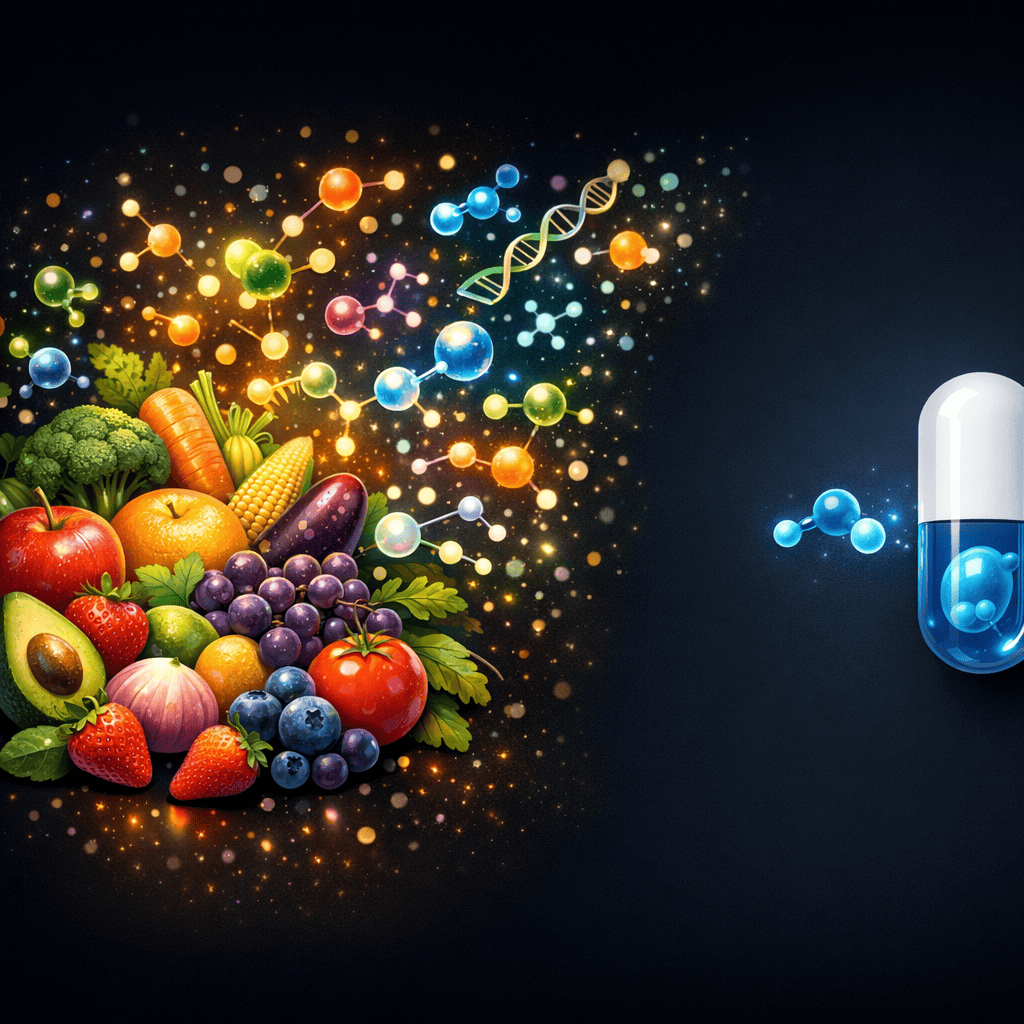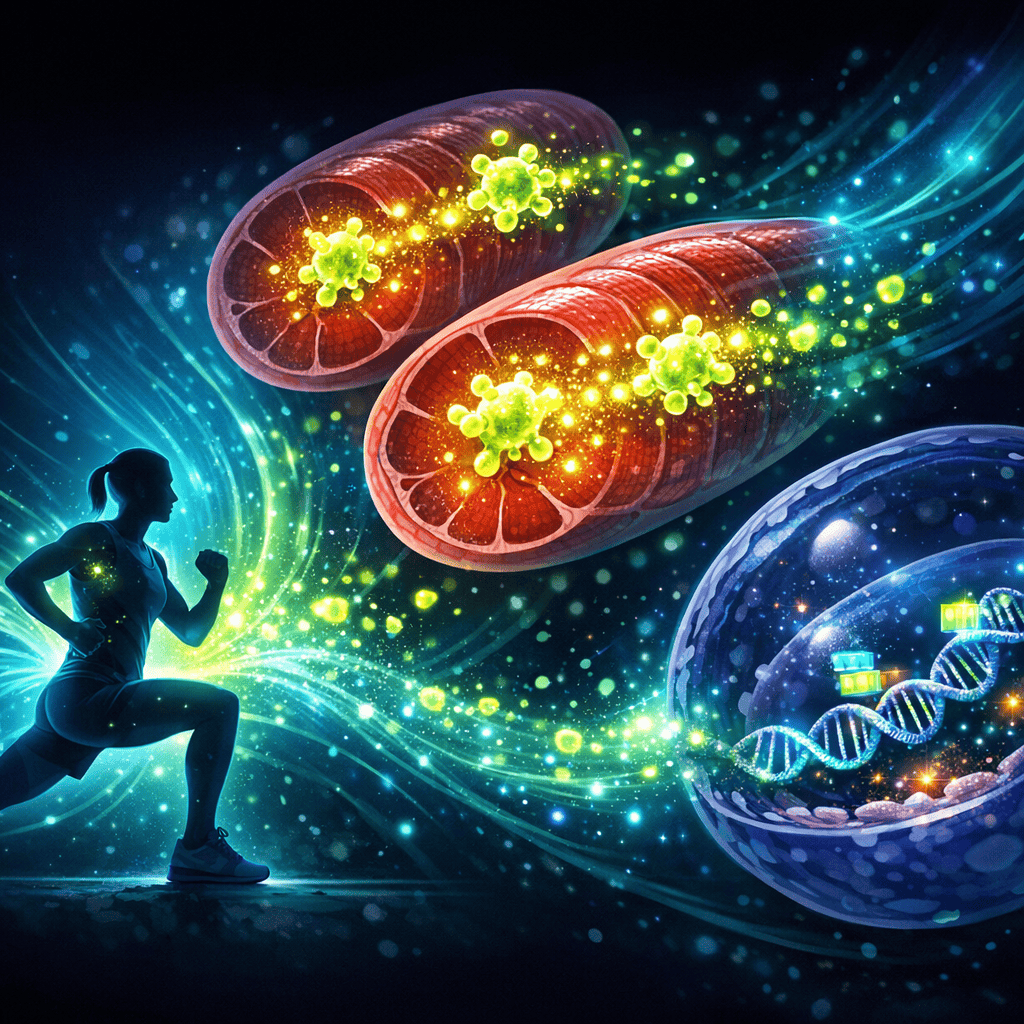
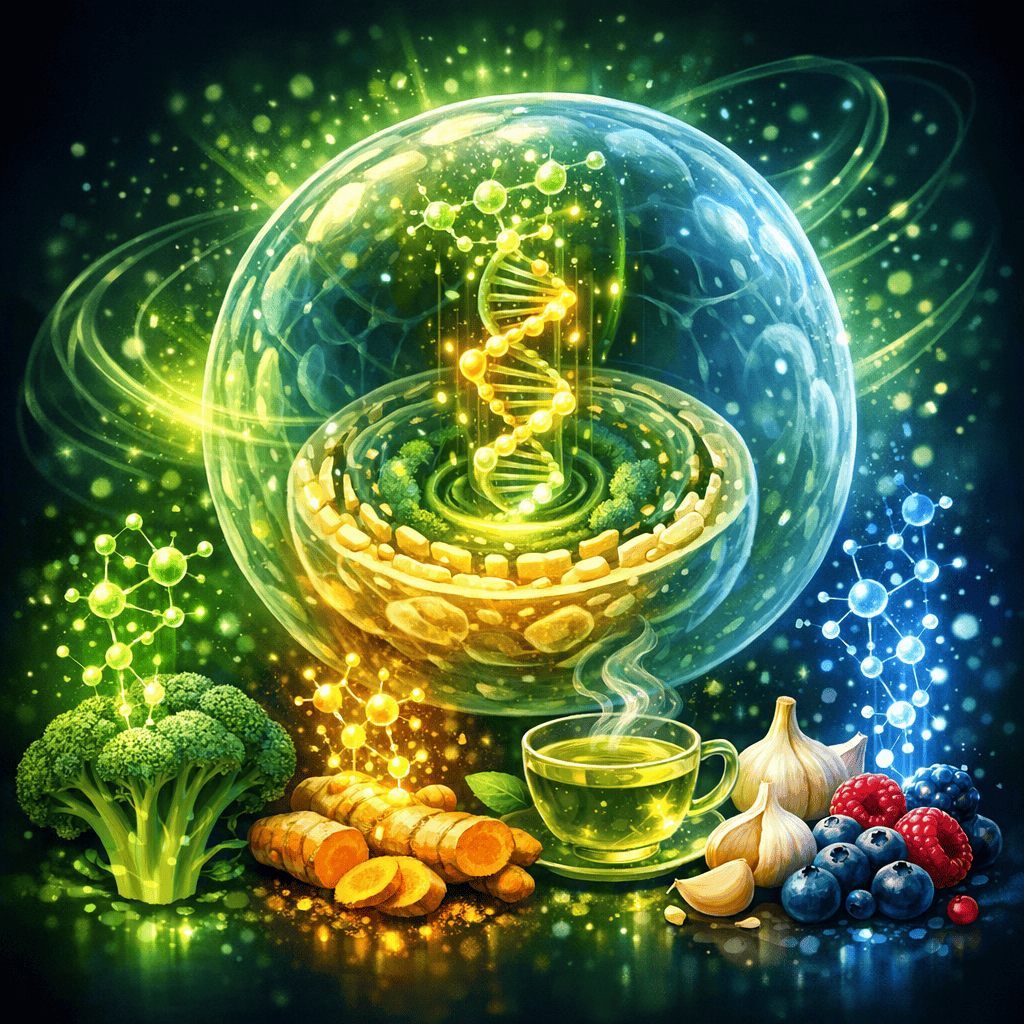
Your NRF2 pathway responds to more than just exercise. Certain compounds found in everyday foods are among the most well studied natural NRF2 activators in the scientific literature. These are not exotic supplements or rare extracts. They are common ingredients available in any grocery store, and the research supporting their effects is substantial.
Sulforaphane: The Most Studied NRF2 Activator
Sulforaphane, found primarily in cruciferous vegetables, is the single most researched dietary NRF2 activator. Broccoli sprouts contain the highest concentrations, with mature broccoli, Brussels sprouts, cabbage, cauliflower and kale also providing meaningful amounts.
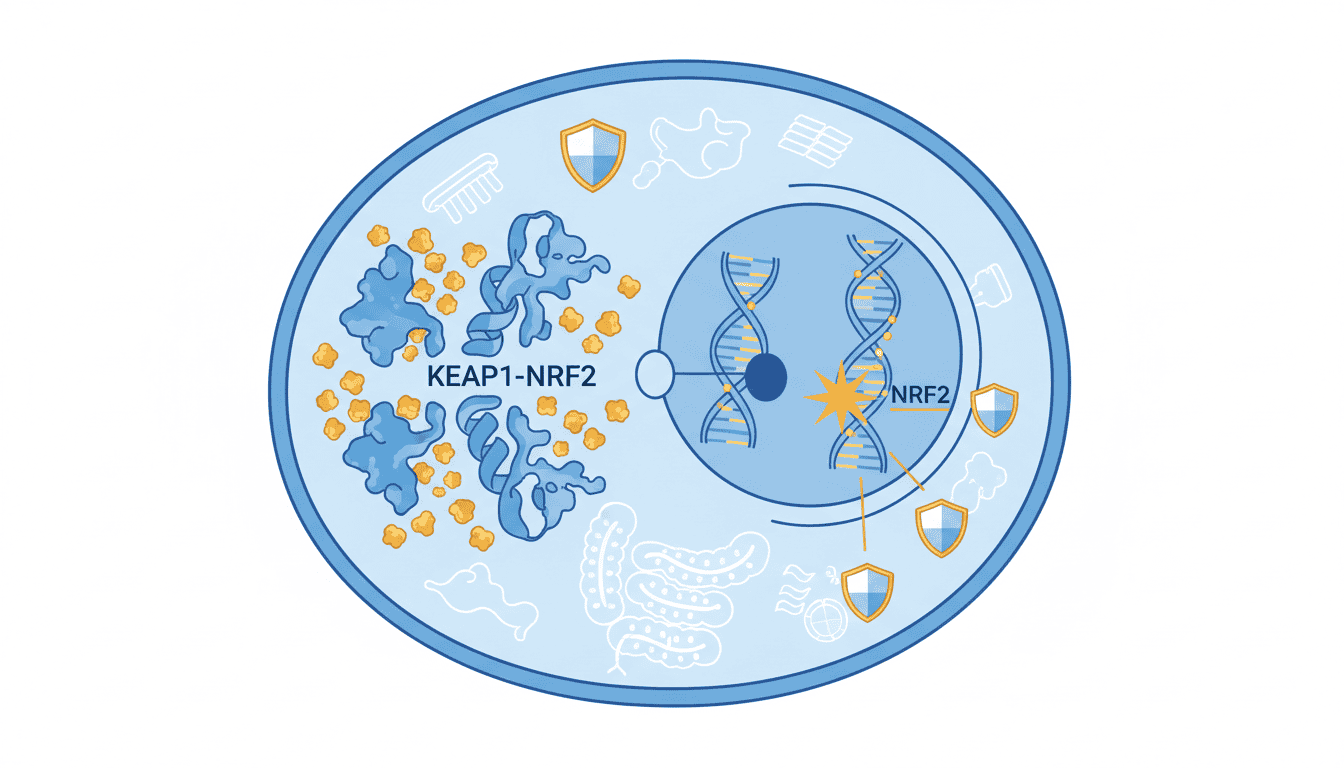
Sulforaphane works by directly modifying the cysteine residues on KEAP1, the protein that normally keeps NRF2 locked up. When sulforaphane reacts with KEAP1, it releases NRF2 to enter the cell nucleus and activate protective genes, including those responsible for glutathione synthesis.
The research on sulforaphane is extensive. Studies have documented its ability to increase glutathione levels, enhance detoxification enzyme activity and reduce markers of oxidative stress. Importantly, the effective amounts used in research are achievable through dietary intake, not just supplementation.
A practical note: sulforaphane is not present in raw broccoli. It is produced when the plant enzyme myrosinase converts a precursor compound called glucoraphanin. This conversion happens when the vegetable is chopped, chewed or lightly steamed. Heavy cooking destroys myrosinase, so gentle preparation methods preserve more of the active compound.
Curcumin From Turmeric
Curcumin, the primary active compound in turmeric, activates NRF2 through a mechanism similar to sulforaphane. It modifies the KEAP1 sensor protein, allowing NRF2 to translocate to the nucleus and switch on protective genes.
The challenge with curcumin is bioavailability. When consumed on its own, very little curcumin is absorbed into the bloodstream. Research has shown that consuming curcumin with black pepper (which contains piperine) can significantly increase absorption. Combining turmeric with dietary fats also improves uptake because curcumin is fat soluble.
Green Tea Catechins
Epigallocatechin gallate (EGCG), the primary catechin in green tea, has been shown to activate the NRF2 pathway in multiple cell types and animal studies. Green tea has a long history in traditional diets across East Asia, and the epidemiological research on populations that consume it regularly shows consistent associations with positive health outcomes.
EGCG acts as a mild oxidative stressor, a hormetic agent that triggers NRF2 activation by generating a small, controlled increase in reactive species. This mechanism is consistent with the broader principle that moderate cellular stress activates protective responses.
Garlic Compounds
Allicin and other organosulphur compounds in garlic are NRF2 activators. When garlic is crushed or chopped, the enzyme alliinase converts alliin into allicin, which then breaks down into several sulphur containing compounds that interact with the KEAP1/NRF2 system.
Like sulforaphane, the active compounds in garlic require physical disruption of the plant cells to be produced. Crushing garlic and allowing it to sit for ten minutes before cooking maximises allicin formation and preserves more of the active compounds during heat exposure.
Berries and Polyphenols
Anthocyanins and other polyphenols found in berries, particularly blueberries, blackberries, raspberries and acai, have demonstrated NRF2 activating potential in laboratory and animal studies. These compounds are part of the broader class of plant polyphenols that appear to work through hormetic mechanisms, acting as mild stressors that prompt adaptive cellular responses.
Extra Virgin Olive Oil
Oleocanthal and hydroxytyrosol, two phenolic compounds in high quality extra virgin olive oil, have been shown to activate NRF2 in research settings. The Mediterranean diet, in which olive oil is the primary fat source, is one of the most consistently beneficial dietary patterns in the epidemiological literature, and NRF2 activation may be one of the mechanisms behind those benefits.
The Pattern Behind the Foods
A clear pattern emerges from this research. The foods that activate NRF2 share common characteristics: they contain bioactive compounds that act as mild cellular stressors, triggering adaptive responses through the same redox signalling pathways that exercise activates. They do not work by flooding your system with antioxidants. They work by stimulating your body’s own defence systems.
This is hormesis at the dietary level. Small amounts of plant defence compounds, evolved by the plants to deter insects and pathogens, trigger your cells to strengthen their own protective mechanisms. The result is increased glutathione production, enhanced detoxification capacity and improved resilience against oxidative challenges.
No single food is a magic bullet. But a diet consistently rich in cruciferous vegetables, garlic, turmeric, green tea, berries and olive oil provides a daily, varied supply of natural NRF2 activators that support the cellular protection systems your body depends on.

Matt Elliott is the editor of Redox News Today, an independent publication covering peer-reviewed research on cellular health, redox signalling, and related biomedical science.