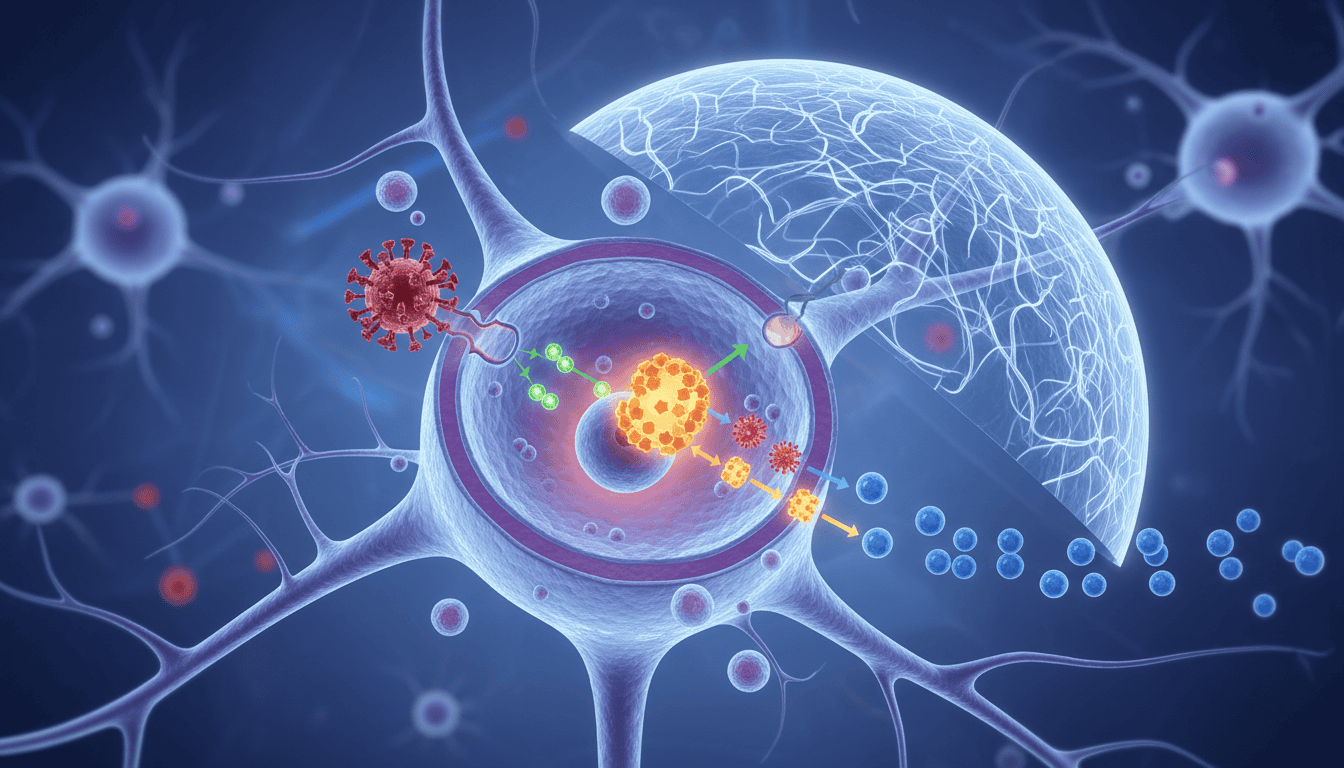
How NRF2 Shields Cells From Iron-Driven Death

Featured image for How NRF2 Shields Cells From Iron-Driven Death

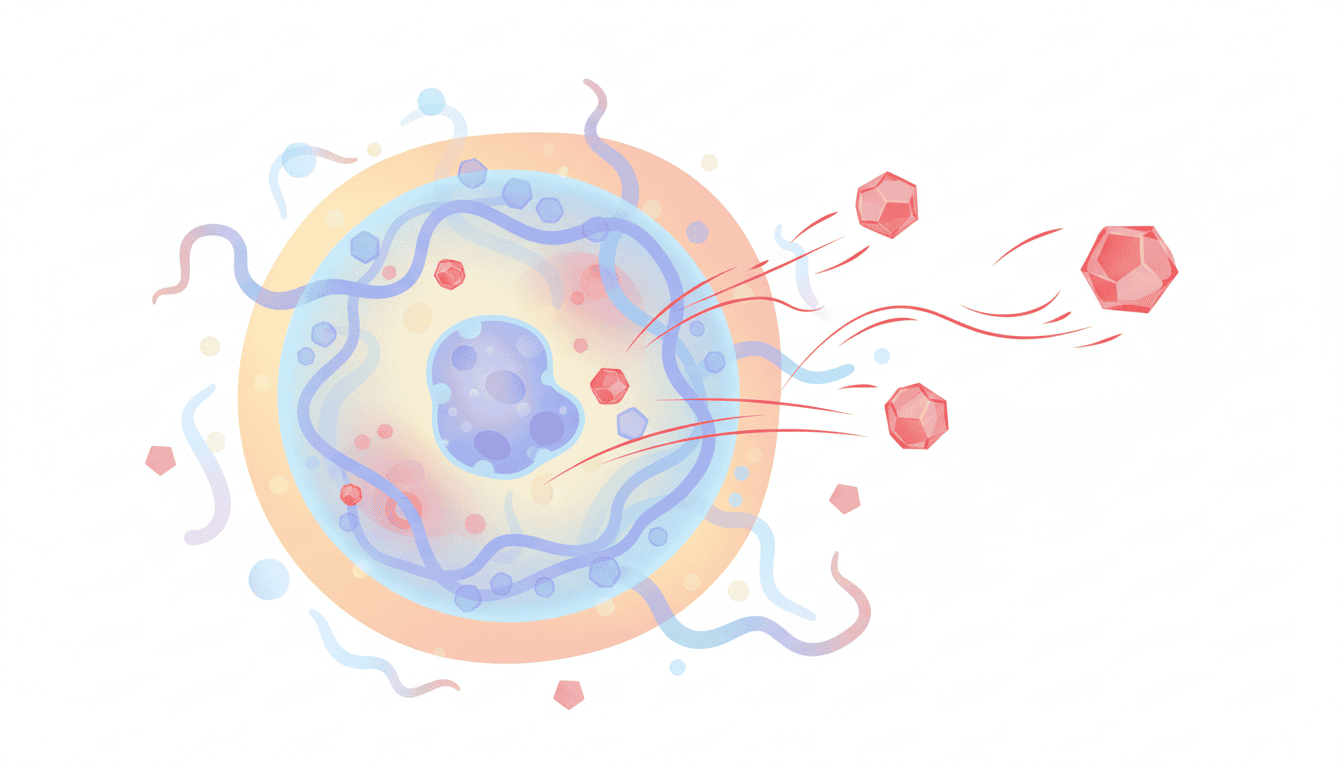
When iron accumulates in cells, it can trigger ferroptosis, a form of cell death that literally rusts cells from the inside out. NRF2 acts as a master defender, activating multiple antioxidant systems to neutralise iron-driven damage before it becomes fatal.

How Brain Cells Activate Their Emergency Defence System

Featured image for How Brain Cells Activate Their Emergency Defence System

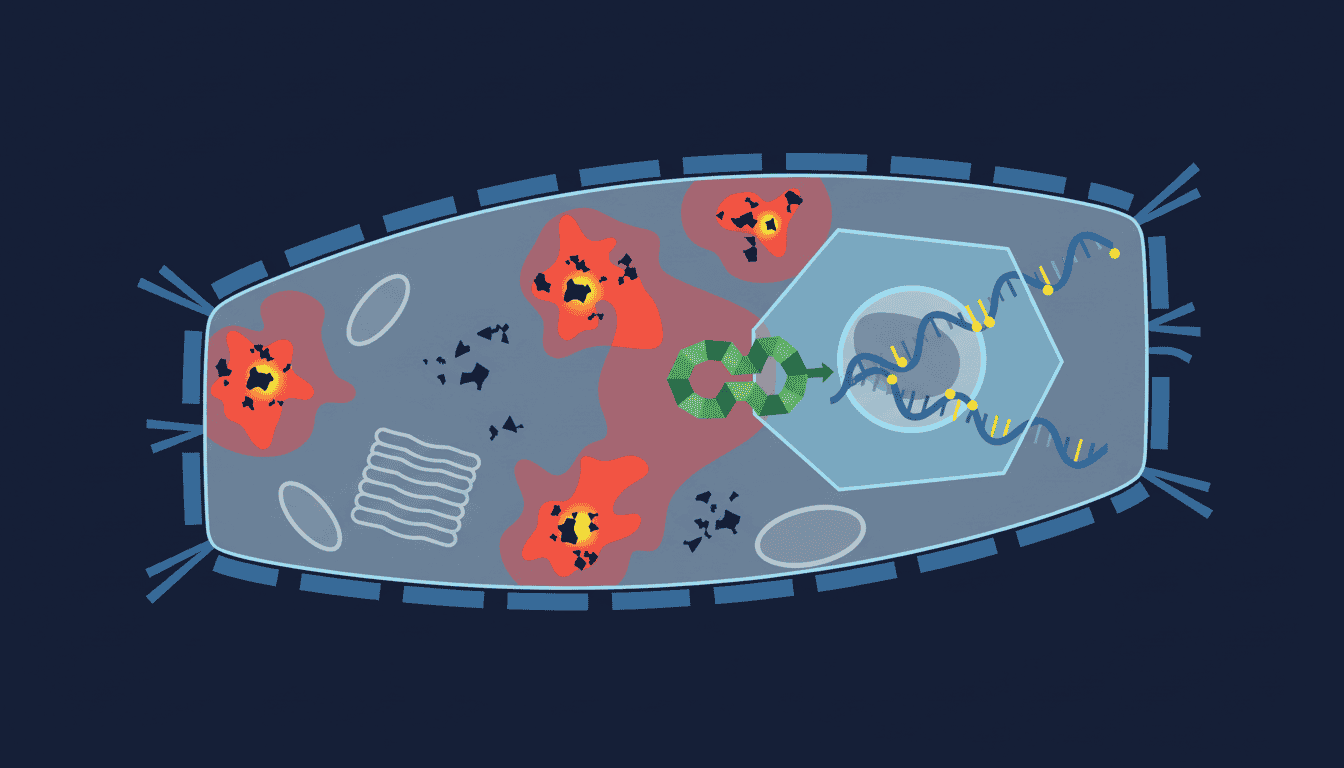
Brain cells use NRF2 as a master switch that activates over 200 protective proteins when oxidative stress threatens cellular machinery. This ancient defence system varies dramatically across brain regions and declines with age, affecting how well neurons survive metabolic challenges.

How NRF2 Breaks Free From Its Molecular Prison

Featured image for How NRF2 Breaks Free From Its Molecular Prison

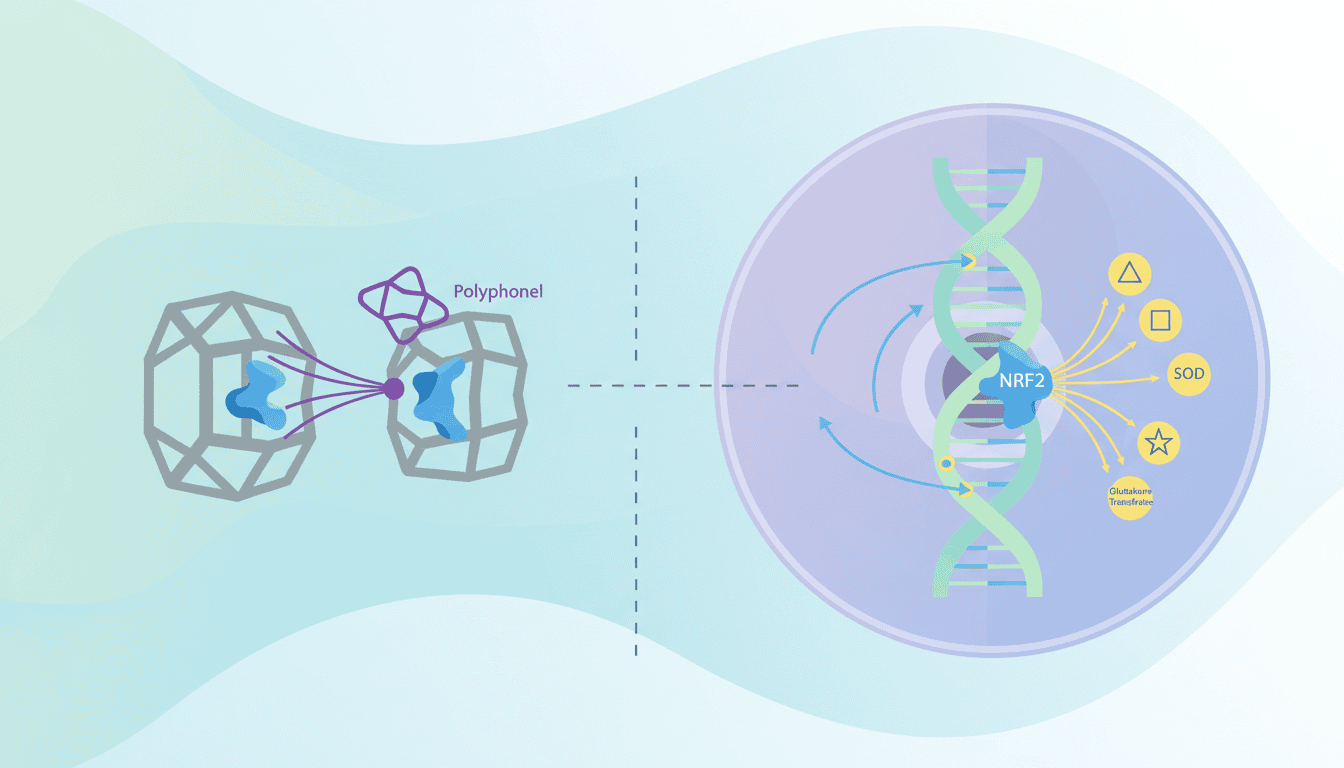
KEAP1 acts like molecular handcuffs, keeping the stress-response protein NRF2 locked away until oxidative stress strikes. When cellular damage occurs, chemical modifications to KEAP1 release NRF2 to activate protective genes throughout the cell.

How NRF2 Orchestrates Your Cells’ Chemical Defence System

Featured image for How NRF2 Orchestrates Your Cells’ Chemical Defence System

NRF2 acts as your cells’ master switch for detoxification, activating dozens of protective enzymes when it detects harmful compounds or oxidative stress. This ancient defence system coordinates Phase II detoxification enzymes that tag toxins for removal and help cells survive chemical challenges.

How NRF2 Activation Helps Cells Age Well

Featured image for How NRF2 Activation Helps Cells Age Well

NRF2 acts as your cell’s emergency coordinator, activating over 200 protective genes when oxidative stress strikes. Research shows this master regulator’s activity declines with age, but lifestyle factors like exercise and certain food compounds can help maintain its function.