When a parasite invades your body, something remarkable happens at the cellular level. Your immune system doesn’t just send in the troops – it literally rewires your blood vessels to fight the infection. At the centre of this biological renovation project sits NRF2, a transcription factor better known for its antioxidant work.
What is NRF2’s role in blood vessel formation
NRF2 typically acts as your cell’s stress response coordinator. When oxidative damage threatens, it switches on protective genes like a conductor directing an orchestra. But during parasitic infections, NRF2 takes on a second job that researchers only recently understood.
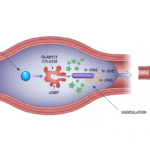
It starts regulating angiogenesis – the process of building new blood vessels. This isn’t just about stress anymore. NRF2 begins controlling which genes get activated to form new capillaries, direct blood flow, and coordinate the entire vascular response to infection.
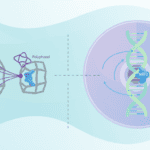
The mechanism works through direct gene regulation. NRF2 binds to specific DNA sequences in genes that control endothelial cell behaviour – the cells that line your blood vessels. These cells need to multiply, migrate, and form tubes that become new blood vessels. NRF2 essentially provides the instruction manual.
This dual function makes biological sense. Both oxidative stress and infection trigger similar cellular alarm systems. Your body uses the same transcription factor to coordinate both responses because they often happen simultaneously during immune responses.
What the research shows
Studies using animal models of parasitic infection reveal how NRF2 orchestrates vascular changes. When researchers knock out NRF2 function, infected animals show impaired blood vessel formation around infection sites.
The most striking finding involves timing. NRF2 activity spikes within hours of parasitic invasion, well before traditional immune responses fully activate. This suggests NRF2 acts as an early warning system that begins preparing the vascular infrastructure for the immune battle ahead.
Scientists have tracked specific genes that NRF2 activates during this process. These include VEGF pathway components, which signal for new blood vessel growth, and genes controlling endothelial cell survival under inflammatory conditions.
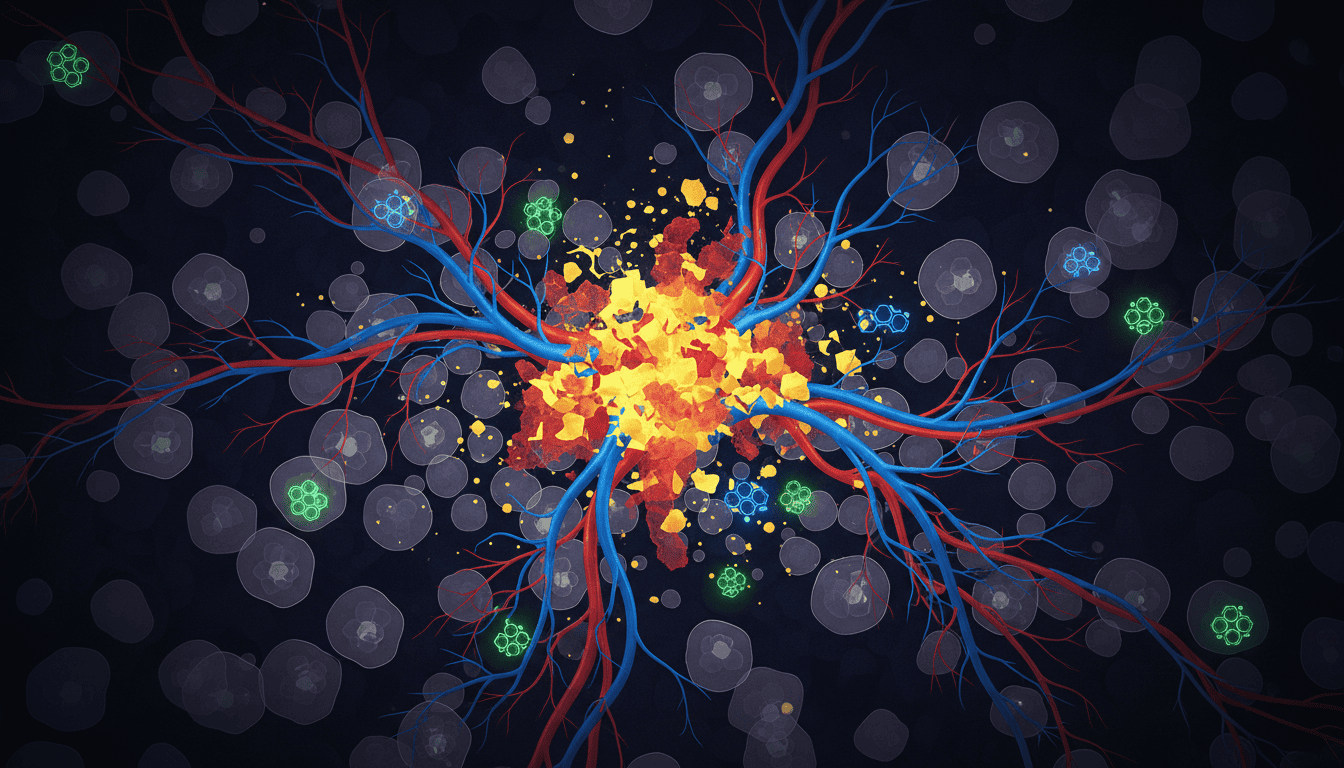
Microscopic analysis shows that areas with high NRF2 activity develop denser networks of small blood vessels. These vessels appear specifically around sites where immune cells accumulate to fight parasites. The correlation is so consistent that researchers can predict immune cell locations by mapping NRF2 activity.
Even more interesting, different types of parasitic infections trigger slightly different NRF2 responses. Tissue-dwelling parasites prompt one pattern of vessel formation, while blood-borne parasites trigger another. NRF2 somehow tailors its response to match the specific threat.
Why cells need this response
Fighting parasites requires massive logistical coordination. Immune cells need oxygen, nutrients, and rapid transport to infection sites. They also need efficient waste removal systems to clear out cellular debris and toxins.
Standard blood vessel networks can’t handle this surge in demand. Your baseline circulation evolved for normal metabolic needs, not immune warfare. Building new vessels specifically for immune responses makes the whole system more effective.
The evolutionary logic becomes clearer when you consider parasite biology. Many parasites actively try to disrupt blood flow or hide in poorly vascularised tissues. By rapidly building new vessels, your immune system can reach these hiding spots and maintain supply lines even when parasites damage existing blood vessels.
NRF2’s involvement adds another layer of protection. Immune responses generate enormous amounts of oxidative stress as white blood cells release reactive compounds to kill parasites. New blood vessels built under NRF2 control come pre-equipped with antioxidant defences, making them more likely to survive the chemical warfare of infection.
What affects this process
Age significantly impacts NRF2-mediated vessel formation. Older animals show delayed and less robust angiogenic responses to parasitic infection. This correlates with generally declining NRF2 function that comes with ageing.
Nutritional status matters too. Deficiencies in sulphur-containing compounds, which support NRF2 activation, impair the vascular response to infection. Conversely, diets rich in compounds that naturally activate NRF2 support more efficient vessel formation.
Chronic inflammatory conditions alter how NRF2 responds to parasitic infection. Pre-existing inflammation can either prime NRF2 for faster responses or exhaust its capacity, depending on the specific inflammatory state and duration.
Environmental toxin exposure affects the system as well. Cells already dealing with chemical stress may have less NRF2 capacity available for coordinating infection responses. This suggests that environmental health and infection resistance connect through shared cellular pathways.
Exercise appears to enhance NRF2 function generally, which may improve vascular responses to infection. Physical activity naturally activates NRF2 through mild oxidative stress, potentially keeping the system more responsive.
What remains unknown
Scientists still don’t understand how NRF2 switches between its antioxidant and angiogenic roles. Does it abandon stress response duties during infection, or somehow manage both simultaneously? The cellular mechanics of this transition remain unclear.
The question of specificity puzzles researchers. How does NRF2 recognise different types of parasitic threats and tailor its response accordingly? The signalling pathways that provide this information haven’t been fully mapped.
Timing presents another mystery. Why does NRF2 activate so early in infection, and what signals trigger this response before traditional immune recognition kicks in? Understanding this could reveal new aspects of how cells detect threats.
Researchers also wonder about the long-term fate of infection-induced blood vessels. Do they disappear after the threat passes, or become permanent additions to your vascular network? This has implications for understanding how infections might permanently alter tissue architecture.
The coordination between NRF2 and other transcription factors during infection remains poorly understood. Immune responses involve dozens of regulatory proteins – how they all work together without interfering with each other is still being investigated.
This research reveals how deeply interconnected your cellular systems really are. The same protein that protects against oxidative damage also helps coordinate your vascular response to parasites. It suggests that evolution builds multi-purpose tools rather than highly specialised ones. Understanding these connections might eventually help us see cellular biology not as separate pathways, but as integrated networks where every component serves multiple roles in keeping you healthy.

Matt Elliott is the editor of Redox News Today, an independent publication covering peer-reviewed research on cellular health, redox signalling, and related biomedical science.