Understanding the NRF2 Pathway: Your Cellular Defence Commander
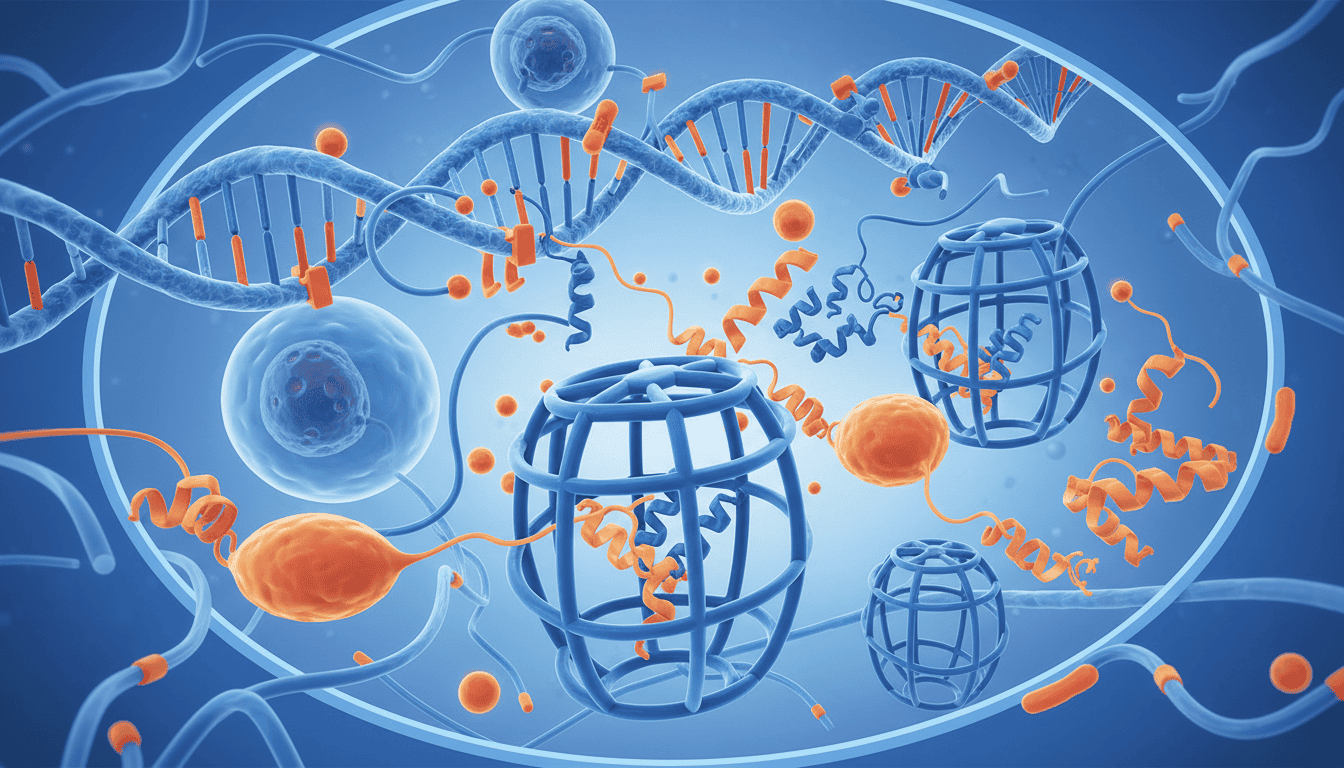
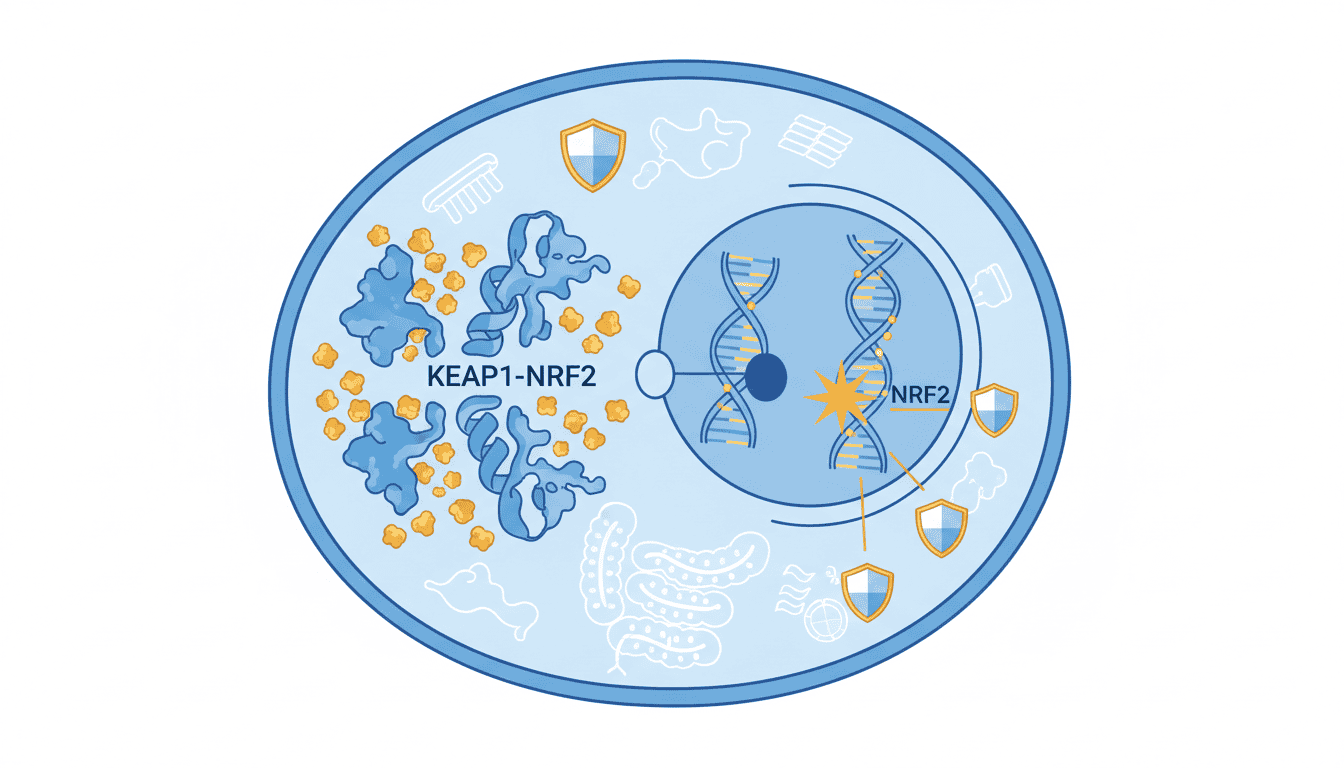
The Nuclear Factor Erythroid 2-Related Factor 2 (NRF2) pathway represents one of the most important cellular defence mechanisms in human biology. Acting as a master regulator, NRF2 controls the expression of over 200 genes involved in antioxidant production, detoxification, and cellular protection. Under normal conditions, NRF2 remains bound to a protein called KEAP1 in the cell’s cytoplasm, keeping it inactive. However, when cells encounter oxidative stress or specific molecular signals, NRF2 breaks free from this inhibition and travels to the cell nucleus, where it initiates a comprehensive protective response.
This pathway evolved as a sophisticated early warning system, allowing cells to rapidly upregulate their defensive capabilities when threatened. The genes activated by NRF2 produce powerful antioxidant enzymes such as glutathione peroxidase, catalase, and superoxide dismutase, alongside detoxification enzymes that help eliminate harmful compounds from cells. Understanding this pathway has become crucial for researchers investigating how natural compounds might support cellular health through dietary interventions.
Curcumin: The Active Compound Behind Turmeric’s Golden Reputation
Curcumin, the primary bioactive compound in turmeric (Curcuma longa), belongs to a class of molecules called curcuminoids that give the spice its distinctive golden colour. While turmeric contains only about 2 to 8 per cent curcumin by weight, this polyphenolic compound has attracted significant scientific attention for its ability to interact with multiple cellular pathways. Curcumin exists in several molecular forms, with diferuloylmethane being the most abundant and well-studied variant.
The molecular structure of curcumin includes reactive groups that can interact with specific amino acid residues in proteins, particularly cysteine residues. This chemical property proves crucial for curcumin’s ability to influence cellular signalling pathways. However, curcumin faces significant bioavailability challenges when consumed orally, as it undergoes rapid metabolism in the liver and has poor water solubility. Despite these limitations, research has shown that even small amounts reaching target tissues can exert meaningful biological effects.
The Molecular Dance: How Curcumin Activates NRF2
Curcumin activates the NRF2 pathway through a sophisticated molecular mechanism that involves direct and indirect interactions with the KEAP1-NRF2 complex. The compound’s reactive groups can form covalent bonds with specific cysteine residues on the KEAP1 protein, causing a conformational change that weakens its grip on NRF2. This process, known as cysteine modification, represents a key mechanism by which many natural compounds influence cellular signalling.
Additionally, curcumin can generate mild oxidative stress within cells, which serves as a hormetic stimulus. This controlled stress signal triggers the cell’s natural defence mechanisms, including NRF2 activation. The beauty of this system lies in its self-regulating nature: once NRF2 increases antioxidant enzyme production and cellular defences strengthen, the oxidative signal diminishes, and the pathway returns to baseline levels. This temporary activation allows cells to enhance their protective capabilities without causing sustained disruption to normal cellular processes.
Research has also revealed that curcumin can influence other signalling molecules that indirectly affect NRF2 activity, including protein kinases and transcription factors that modulate the pathway’s responsiveness. This multi-target approach helps explain why curcumin’s effects on cellular health appear to be more comprehensive than might be expected from a single molecular interaction.
Beyond Basic Activation: The Downstream Effects
When curcumin successfully activates NRF2, the resulting cascade of gene expression changes extends far beyond simple antioxidant production. The pathway upregulates genes involved in glutathione synthesis, the cell’s most important internal antioxidant system. Glutathione serves as both a direct antioxidant and a cofactor for numerous protective enzymes, making its synthesis crucial for comprehensive cellular defence.
The NRF2 pathway also enhances the expression of Phase II detoxification enzymes, which help cells process and eliminate potentially harmful compounds. These enzymes can modify toxins to make them more water-soluble and easier to excrete, supporting the body’s natural detoxification processes. Additionally, NRF2 activation influences genes involved in iron metabolism, inflammatory responses, and even cellular energy production, highlighting the pathway’s broad significance for cellular health.
Interestingly, the timing and duration of NRF2 activation appear to matter significantly. Acute, temporary activation seems beneficial for enhancing cellular defences, while chronic, sustained activation might disrupt normal cellular function. Curcumin’s natural metabolism and elimination from the body help ensure that NRF2 activation remains within beneficial parameters rather than becoming problematic.
Factors Affecting Curcumin’s NRF2 Interactions
Several factors influence how effectively curcumin can activate the NRF2 pathway in living systems. Bioavailability remains a primary concern, as curcumin’s poor absorption and rapid metabolism limit the amounts reaching target tissues. The presence of other compounds can significantly affect this process. For instance, piperine, found in black pepper, can slow curcumin metabolism and increase its bioavailability, potentially enhancing its NRF2-activating effects.
Individual genetic variations also play a role in determining responsiveness to curcumin’s NRF2-activating properties. People carry different versions of genes encoding NRF2, KEAP1, and the enzymes responsible for curcumin metabolism, leading to variability in both pathway sensitivity and compound processing. Age, overall health status, and the presence of ongoing oxidative stress can further influence how cells respond to curcumin exposure.
The food matrix surrounding curcumin consumption matters as well. Consuming turmeric as part of a meal containing fats can improve curcumin absorption due to its lipophilic nature. Traditional preparations that combine turmeric with other spices and ingredients may have evolved to optimise these bioavailability factors, though modern supplement formulations continue to explore new approaches to enhance curcumin delivery to target tissues.
Implications for Cellular Health and Future Research
The interaction between curcumin and the NRF2 pathway exemplifies how natural compounds can work with the body’s existing defence mechanisms to support cellular health. Rather than simply providing antioxidants directly, curcumin helps cells enhance their own protective capabilities, creating a more sustainable and comprehensive approach to cellular defence. This mechanism suggests that the benefits of curcumin consumption may extend beyond what traditional antioxidant theories would predict.
Understanding these molecular interactions between dietary compounds and cellular signalling pathways represents a crucial frontier in nutrition science and cellular biology. The NRF2 pathway serves as a master coordinator of cellular health, and compounds like curcumin that can safely and effectively activate this system may play important roles in supporting the body’s natural defence mechanisms. As research continues to unravel these complex relationships, we gain deeper insights into how dietary choices influence cellular function at the most fundamental levels, highlighting the profound connection between nutrition and cellular health maintenance.

Matt Elliott is the editor of Redox News Today, an independent publication covering peer-reviewed research on cellular health, redox signalling, and related biomedical science.