Understanding Heat Shock Proteins and Their Cellular Role
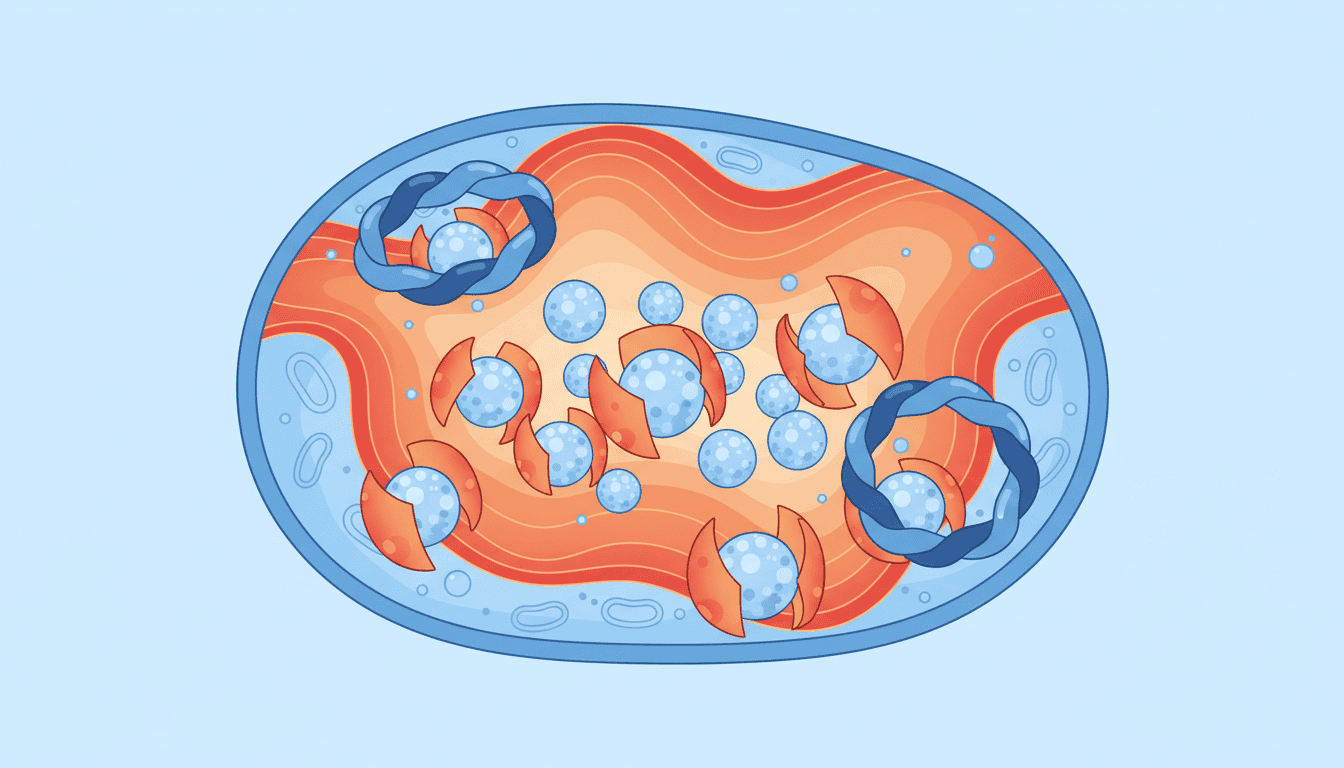
When cells encounter elevated temperatures, they activate a sophisticated defence mechanism that has evolved over millions of years. Heat shock proteins (HSPs) are a family of molecular chaperones that respond to thermal stress by protecting cellular structures and maintaining protein function. These remarkable proteins act as cellular bodyguards, preventing damage to essential cellular components when temperatures rise beyond normal physiological ranges.
Heat shock proteins are classified into several families based on their molecular weight, with HSP70 and HSP90 being among the most extensively studied. Under normal conditions, these proteins assist with routine cellular maintenance, including protein folding and transport. However, when cells experience heat stress, such as during sauna exposure, HSP production increases dramatically. This upregulation represents a fundamental cellular adaptation that helps organisms survive environmental challenges.
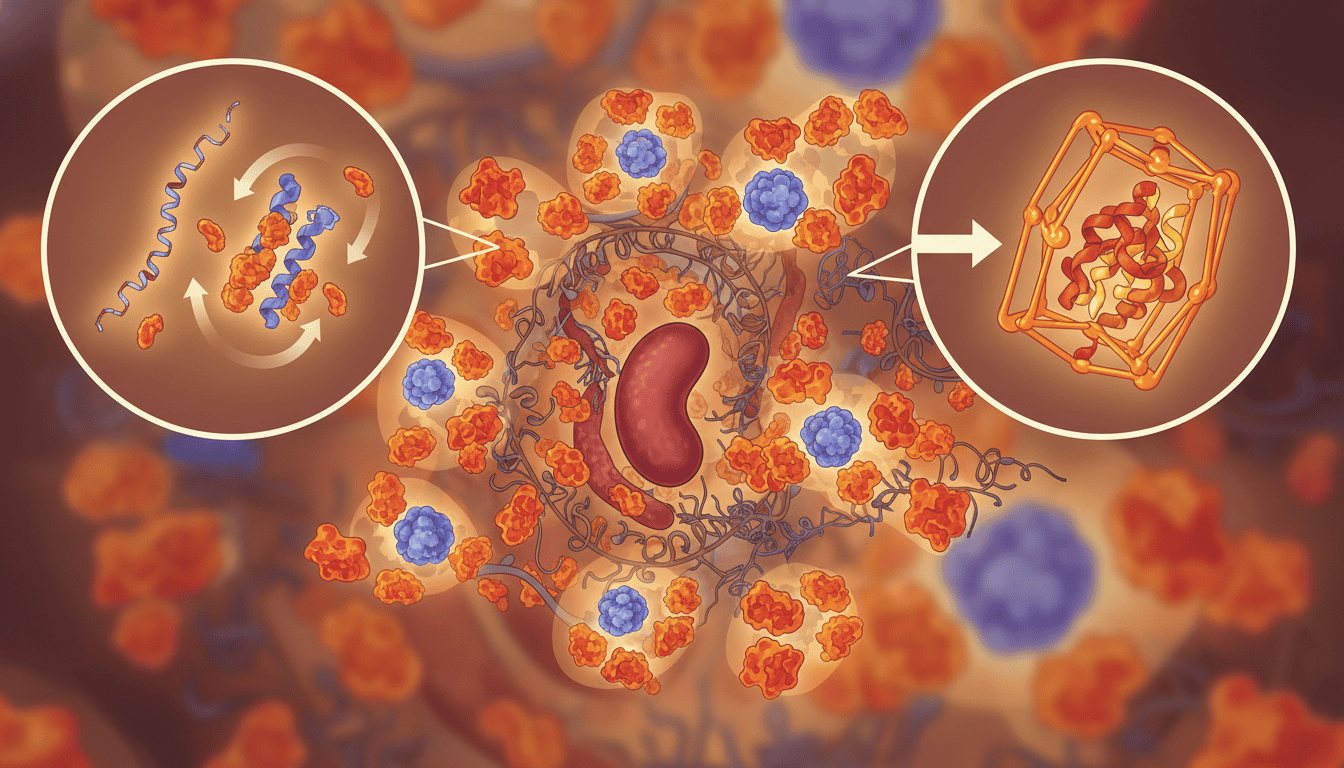
The heat shock response is remarkably conserved across species, from bacteria to humans, highlighting its critical importance for cellular survival. When activated, heat shock proteins bind to misfolded or damaged proteins, either helping to refold them correctly or targeting them for degradation. This quality control mechanism prevents the accumulation of dysfunctional proteins that could otherwise disrupt cellular processes.
The Molecular Response to Sauna Heat
Sauna bathing typically involves exposure to temperatures between 80 to 100 degrees Celsius, creating a controlled heat stress environment. This thermal challenge triggers a cascade of molecular events within cells throughout the body. The initial response involves heat shock factor 1 (HSF1), a transcription factor that acts as the master regulator of the heat shock response.
When cellular temperatures rise, HSF1 undergoes structural changes that allow it to bind to specific DNA sequences called heat shock elements. This binding initiates the transcription of heat shock protein genes, leading to increased production of these protective molecules. The process is remarkably rapid, with measurable increases in HSP levels occurring within minutes of heat exposure.
Different tissues respond to heat stress with varying intensities and kinetics. Skeletal muscle, skin, and cardiovascular tissues show particularly robust heat shock protein responses during sauna exposure. This tissue-specific variation reflects differences in baseline protein expression, cellular metabolism, and heat sensitivity. The coordinated response across multiple organ systems suggests that sauna-induced heat shock protein activation may have systemic effects on cellular health.
Cellular Protection Mechanisms During Heat Exposure
Heat shock proteins employ several strategies to protect cells from thermal damage. Their primary function involves maintaining protein homeostasis, also known as proteostasis. During heat stress, cellular proteins are vulnerable to misfolding and aggregation, which can lead to cellular dysfunction and death. HSPs prevent this by stabilising protein structures and assisting with proper folding patterns.
Beyond protein protection, heat shock proteins also safeguard cellular membranes and organelles. They help maintain the integrity of mitochondria, the cellular powerhouses responsible for energy production. This protection is particularly important because mitochondrial dysfunction can trigger oxidative stress and cellular death pathways. Heat shock proteins also support the endoplasmic reticulum, where many cellular proteins are manufactured and processed.
The protective effects extend to the cellular cytoskeleton, the structural framework that maintains cell shape and enables cellular movement. Heat stress can disrupt these protein networks, but heat shock proteins help preserve their organisation and function. This comprehensive protection strategy ensures that cells can maintain essential functions even under challenging thermal conditions.
Adaptation and Hormesis in Heat Exposure
Regular sauna use appears to create adaptive responses that extend beyond the immediate heat exposure period. This phenomenon, known as hormesis, describes how mild stressors can trigger beneficial adaptations that improve overall resilience. Heat shock proteins play a central role in this adaptive process by remaining elevated for hours or even days after sauna sessions.
The concept of cross-tolerance is particularly intriguing in this context. Research suggests that heat shock protein activation may provide protection against other forms of cellular stress, including oxidative damage, inflammation, and metabolic disturbances. This cross-protective effect means that the cellular adaptations triggered by sauna use might offer benefits beyond simple heat tolerance.
The timing and frequency of heat exposure appear to influence the magnitude and duration of heat shock protein responses. While acute exposure triggers immediate protective responses, regular practice may lead to baseline changes in cellular stress resistance. This adaptation pattern mirrors other forms of beneficial stress, such as exercise, where repeated exposure creates lasting improvements in cellular function.
Implications for Cardiovascular and Metabolic Health
The cardiovascular system shows particularly interesting responses to sauna-induced heat shock protein activation. Heart muscle cells, or cardiomyocytes, produce significant amounts of heat shock proteins during thermal stress. These proteins may help protect against various forms of cardiac stress, including those associated with ageing and disease processes.
Blood vessels also respond to heat exposure with increased heat shock protein production. Endothelial cells, which line blood vessels, rely on these proteins to maintain proper function during thermal stress. This response may contribute to improved vascular flexibility and function, which are important factors in cardiovascular health. The heat-induced changes in blood flow and vessel dilation create additional physiological adaptations that complement the cellular protection provided by heat shock proteins.
Metabolic tissues, including muscle and fat, show distinct heat shock protein responses that may influence energy metabolism. These proteins help maintain cellular function in metabolically active tissues, potentially supporting efficient energy production and utilisation. The systemic nature of the heat shock response suggests that regular sauna use may influence metabolic processes throughout the body.
The Broader Context of Cellular Resilience
Understanding heat shock proteins in the context of sauna use reveals important principles about cellular adaptation and resilience. These molecular guardians represent one of many cellular defence systems that help maintain health and function throughout life. The heat shock response exemplifies how cells have evolved sophisticated mechanisms to cope with environmental challenges and maintain optimal function.
The study of heat shock proteins also highlights the interconnected nature of cellular health systems. These proteins work alongside antioxidant systems, DNA repair mechanisms, and other protective pathways to maintain cellular integrity. This cooperative approach to cellular defence underscores the importance of supporting multiple aspects of cellular health through lifestyle choices and environmental factors. As our understanding of these systems continues to evolve, the role of controlled stressors like sauna use in promoting cellular resilience becomes increasingly clear, offering insights into how we might support the fundamental processes that keep our cells healthy and functional throughout life.

Matt Elliott is the editor of Redox News Today, an independent publication covering peer-reviewed research on cellular health, redox signalling, and related biomedical science.