Understanding Heat Shock Proteins
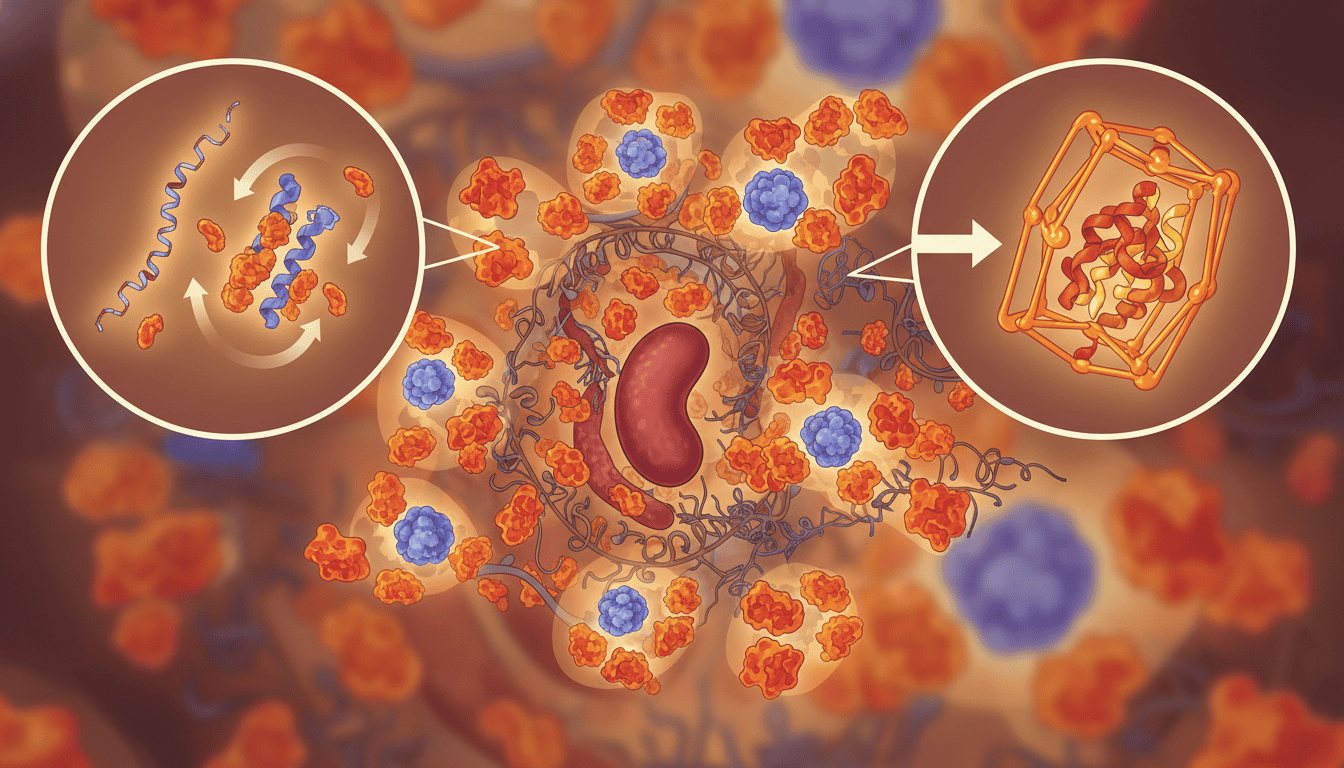
Heat shock proteins represent one of the most fundamental cellular defence mechanisms in biology, found across virtually all living organisms from bacteria to humans. These remarkable molecular chaperones were first discovered in the 1960s when researchers noticed that exposing fruit flies to elevated temperatures triggered the production of specific proteins. What scientists later realised was that these proteins serve as cellular guardians, helping other proteins maintain their proper shape and function under stressful conditions.
The human body produces several families of heat shock proteins, with the most studied being HSP70, HSP90, and HSP27. Each family has distinct roles in cellular protection and repair. HSP70, for instance, helps newly synthesised proteins fold correctly and assists in refolding proteins that have become damaged. HSP90 primarily supports proteins involved in cell signalling and regulation, while HSP27 plays a crucial role in protecting cells from oxidative stress and programmed cell death.
These proteins are constitutively expressed at low levels under normal conditions, but their production increases dramatically when cells encounter stress. This stress response is not limited to heat; it can be triggered by oxidative stress, heavy metals, inflammation, and various other cellular challenges. The process involves the activation of heat shock factor 1 (HSF1), a transcription factor that binds to heat shock elements in DNA and initiates the production of heat shock proteins.
The Physiological Response to Sauna Heat
When the human body is exposed to the high temperatures typical of sauna bathing, typically ranging from 70 to 100 degrees Celsius, a cascade of physiological responses begins immediately. Core body temperature rises, triggering thermoregulatory mechanisms including increased heart rate, vasodilation, and profuse sweating. These responses work to maintain homeostasis and prevent dangerous overheating.
At the cellular level, the elevated temperature creates a form of controlled stress that cells interpret as potentially harmful. This triggers the heat shock response, leading to increased production of heat shock proteins throughout the body. Research has shown that regular sauna use can lead to sustained elevations in heat shock protein levels, even during periods when individuals are not exposed to heat stress.
The cardiovascular system undergoes particularly notable changes during sauna exposure. Heart rate can increase to levels similar to moderate exercise, while blood vessels dilate to facilitate heat dissipation. This cardiovascular conditioning may contribute to some of the long-term adaptations observed with regular sauna use, including improved endothelial function and enhanced circulation.
Heat Shock Proteins and Cellular Protection
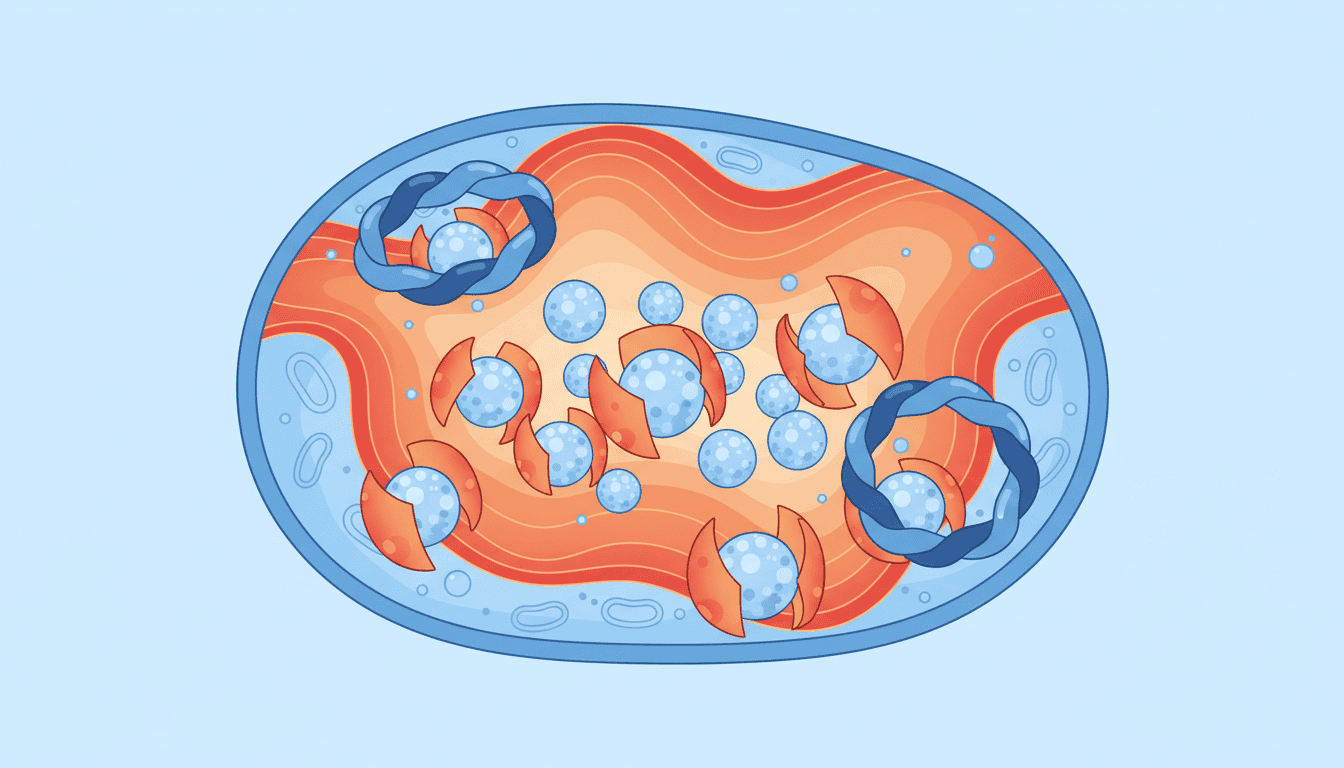
The increased production of heat shock proteins during and after sauna exposure serves multiple protective functions within cells. These proteins act as molecular chaperones, helping to maintain protein homeostasis, or proteostasis, under challenging conditions. When proteins become misfolded due to stress, heat shock proteins can either help refold them correctly or target them for degradation if repair is not possible.
HSP70, in particular, has been extensively studied for its protective effects. This protein helps prevent the aggregation of damaged proteins, a process that contributes to various age-related diseases. It also supports the proper folding of newly synthesised proteins, ensuring they can perform their intended functions effectively. Additionally, HSP70 can protect cells from apoptosis, or programmed cell death, under certain stress conditions.
The antioxidant properties of heat shock proteins also contribute to cellular protection. HSP27, for example, can directly scavenge reactive oxygen species and support the function of antioxidant enzymes. This dual role in protein protection and oxidative stress defence makes heat shock proteins particularly valuable for maintaining cellular health under challenging conditions.
Hormesis and Adaptive Responses
The concept of hormesis provides a valuable framework for understanding how sauna exposure can be beneficial despite creating cellular stress. Hormesis describes the phenomenon where low levels of stress that might be harmful in large doses actually trigger beneficial adaptive responses. In the context of sauna use, the controlled heat stress prompts cells to upregulate their protective mechanisms, potentially making them more resilient to future stressors.
This adaptive response extends beyond heat shock protein production. Regular sauna use has been associated with improvements in various markers of cellular health, including enhanced antioxidant enzyme activity, improved mitochondrial function, and better stress resilience. The key appears to be the controlled and repeated nature of the stress exposure, which allows the body to develop and maintain these protective adaptations.
The timing and intensity of heat exposure also matter for optimal hormetic effects. Most research suggests that sessions lasting 15 to 30 minutes at temperatures between 80 and 100 degrees Celsius, repeated several times per week, provide the most consistent benefits. This pattern allows for adequate stress stimulus while providing sufficient recovery time between sessions.
Implications for Longevity and Health Span
The relationship between heat shock proteins and longevity has become an active area of research. As organisms age, their ability to produce heat shock proteins in response to stress tends to decline, potentially contributing to the accumulation of damaged proteins and cellular dysfunction. This age-related decrease in the heat shock response may partly explain why older individuals are more susceptible to various stressors.
Regular sauna use may help counteract this age-related decline by maintaining the cellular machinery responsible for heat shock protein production. Some researchers propose that the repeated activation of stress response pathways through controlled heat exposure could help preserve cellular quality control mechanisms throughout the ageing process.
Population studies have noted associations between regular sauna use and various health outcomes, including cardiovascular health and longevity. While these observational findings cannot establish causation, they have sparked interest in understanding the biological mechanisms that might explain such associations. The heat shock protein response represents one plausible pathway through which regular heat exposure might confer long-term health benefits.
Integration with Cellular Health Systems
The heat shock protein response does not operate in isolation but integrates with numerous other cellular health systems. These proteins work alongside autophagy mechanisms, which help cells remove damaged components, and interact with inflammatory pathways that coordinate tissue responses to stress. This interconnected nature highlights how interventions that activate one cellular protection system can have far-reaching effects throughout the cell.
Understanding the science behind sauna use and heat shock proteins illustrates the sophisticated ways our cells respond to environmental challenges. The ability to harness controlled stress through heat exposure represents one example of how lifestyle interventions might support the cellular mechanisms that maintain health throughout life. As research continues to uncover the complex relationships between stress, adaptation, and cellular resilience, the fundamental importance of maintaining robust cellular defence systems becomes increasingly clear for overall health and longevity.

Matt Elliott is the editor of Redox News Today, an independent publication covering peer-reviewed research on cellular health, redox signalling, and related biomedical science.