
Understanding Heat Shock Proteins: Cellular Guardians Against Stress
Heat shock proteins (HSPs) represent one of the most evolutionarily conserved cellular defence mechanisms, present in organisms from bacteria to humans. These specialised proteins serve as molecular chaperones, helping other proteins maintain their proper structure and function under stressful conditions. When cells encounter elevated temperatures, whether from fever, exercise, or external heat sources like saunas, they rapidly increase production of HSPs as part of their survival response.
The heat shock response was first discovered in fruit flies exposed to elevated temperatures, but researchers soon found that this mechanism extends across all life forms. In humans, HSPs are classified into several families based on their molecular weight, with HSP70, HSP60, and HSP90 being among the most studied. These proteins act like cellular repair crews, identifying damaged or misfolded proteins and either helping them refold correctly or marking them for destruction.
Under normal conditions, cells maintain baseline levels of HSPs. However, when cellular stress occurs, specialised transcription factors activate heat shock genes, leading to a rapid increase in HSP production. This response typically begins within minutes of stress exposure and can persist for hours or even days, depending on the severity and duration of the stressor.
The Molecular Mechanism of Heat Stress Response
When body temperature rises during sauna exposure, cells throughout the body begin sensing this thermal stress through various molecular pathways. The primary regulator of this response is heat shock factor 1 (HSF1), a transcription factor that normally exists in an inactive state bound to other proteins in the cytoplasm.
As temperatures increase, HSF1 undergoes conformational changes that allow it to move into the cell nucleus and bind to specific DNA sequences called heat shock elements. This binding initiates transcription of heat shock protein genes, leading to increased production of these protective molecules. The process represents a sophisticated cellular communication system that allows rapid adaptation to environmental stressors.
Interestingly, the temperature threshold for activating this response varies among different cell types and individuals. Some research suggests that regular heat exposure may lower this threshold, making the response more sensitive and potentially more effective. This adaptation mechanism may partly explain why individuals who regularly use saunas often report improved tolerance to heat stress over time.
Beyond Temperature: Multiple Triggers for Heat Shock Protein Production
Despite their name, heat shock proteins respond to various cellular stressors beyond elevated temperature. Oxidative stress, heavy metals, inflammatory cytokines, and even mechanical stress can trigger HSP production. This broad responsiveness highlights their fundamental role in cellular protection and maintenance.
Exercise provides an excellent example of how multiple stressors can work together to stimulate HSP production. Physical activity increases body temperature, generates reactive oxygen species, and creates mechanical stress on tissues. The combination of these factors leads to robust HSP responses that may contribute to the adaptive benefits of regular exercise.
The duration and intensity of heat exposure influence both the magnitude and duration of the HSP response. Research has shown that moderate heat stress typically produces beneficial adaptive responses, while extreme temperatures can overwhelm cellular protective mechanisms and potentially cause damage. This finding underscores the importance of appropriate dosing in any heat therapy application.
Heat Shock Proteins and Protein Quality Control
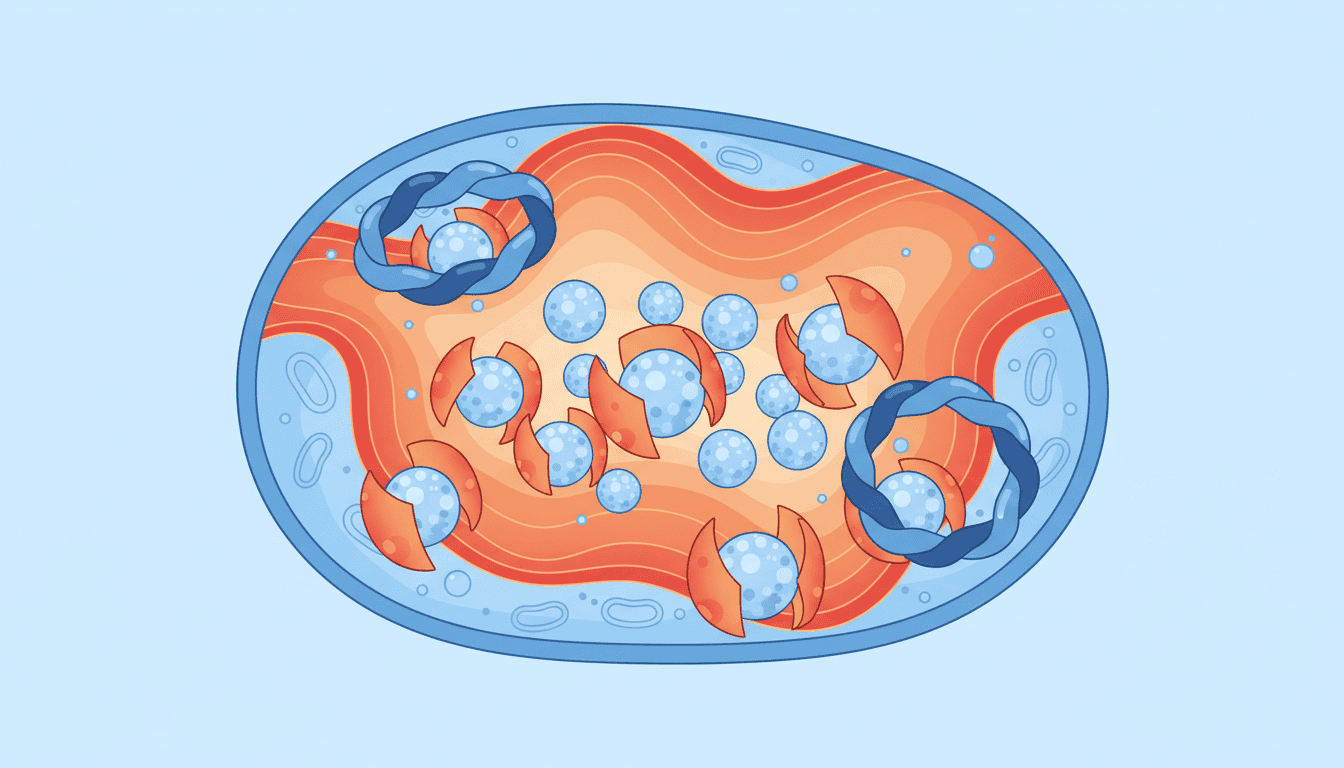
One of the primary functions of HSPs involves maintaining protein homeostasis, also known as proteostasis. Proteins must maintain specific three-dimensional structures to function properly, and various stressors can cause them to misfold or aggregate. When proteins lose their proper shape, they can become toxic to cells or simply fail to perform their intended functions.
HSPs act as quality control supervisors in this process. They identify proteins that have become damaged or misfolded and either assist in refolding them or target them for degradation through cellular recycling pathways. This function becomes increasingly important with ageing, as protein quality control mechanisms naturally decline over time.
Some research suggests that regular activation of HSPs through controlled stress exposure might help maintain more efficient protein quality control systems. This concept, known as hormesis, proposes that mild stressors can strengthen cellular defence mechanisms and improve overall resilience to future challenges.
Cardiovascular and Metabolic Responses to Heat Stress
Sauna exposure creates significant cardiovascular demands as the body works to maintain core temperature through increased blood flow to the skin and elevated heart rate. These physiological changes, combined with HSP activation, may contribute to some of the cardiovascular adaptations observed in regular sauna users.
The heat stress response also influences metabolic pathways, including glucose metabolism and insulin signalling. HSPs play roles in protecting insulin-producing cells and maintaining proper insulin receptor function under stress conditions. Some research has explored connections between HSP expression levels and metabolic health markers, though the relationships remain complex and require further investigation.
Additionally, heat exposure affects the autonomic nervous system, influencing both sympathetic and parasympathetic responses. The interplay between these nervous system changes and HSP activation represents an area of ongoing research interest, particularly regarding stress resilience and recovery processes.
Implications for Cellular Health Research
The study of heat shock proteins and thermal stress responses provides valuable insights into fundamental cellular protection mechanisms. Understanding how cells respond to and adapt to environmental stressors helps researchers appreciate the sophisticated systems that maintain cellular function under challenging conditions.
As research continues to uncover the complex roles of HSPs in cellular health, it becomes clear that these proteins represent far more than simple stress responses. They participate in normal cellular processes, influence immune function, and contribute to the cellular quality control systems that help maintain healthy function throughout life. The controlled activation of these protective pathways through appropriate environmental stressors represents an fascinating example of how cells maintain resilience and adapt to changing conditions, highlighting the remarkable capacity for cellular self-preservation and repair that underpins human health.

Matt Elliott is the editor of Redox News Today, an independent publication covering peer-reviewed research on cellular health, redox signalling, and related biomedical science.