
Understanding the Biological Clock Within Our Cells
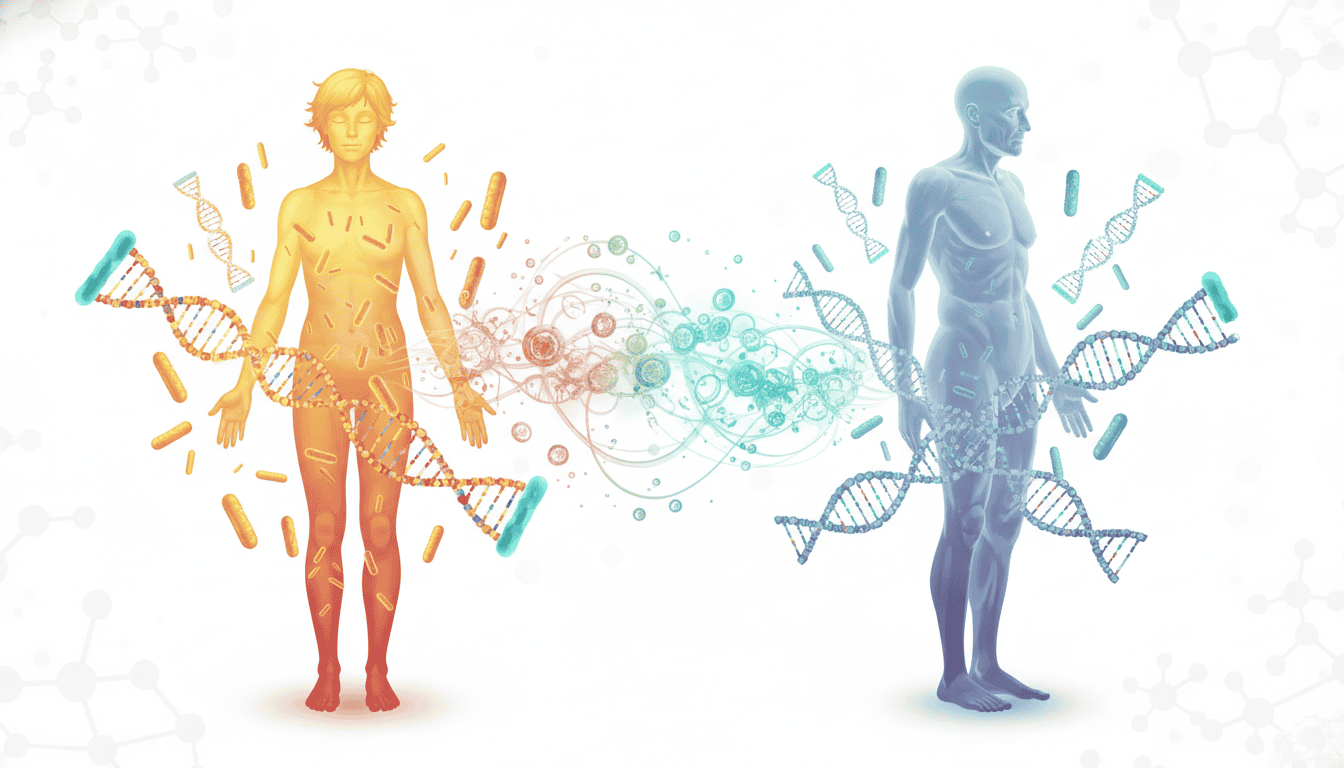
While chronological age marks the passage of time since birth, biological age tells a different story. Scientists have discovered that cells throughout our bodies tick to their own internal clocks, and these timepieces don’t always synchronise with the calendar. Some individuals maintain remarkably youthful cellular function well into their later years, whilst others show signs of accelerated cellular ageing in their twenties or thirties.
At the heart of this phenomenon lies a complex interplay of genetic factors, environmental influences, and cellular maintenance systems. Researchers have identified several key mechanisms that determine how quickly our cells accumulate damage and lose their ability to function optimally. These discoveries are reshaping our understanding of the ageing process and revealing why two people of the same chronological age can appear and feel dramatically different.
Telomeres: The Cellular Countdown Timer
One of the most significant discoveries in ageing research involves telomeres, the protective caps found at the ends of chromosomes. These DNA-protein structures act like plastic tips on shoelaces, preventing chromosomes from unravelling or fusing with neighbouring chromosomes during cell division. Each time a cell divides, telomeres shorten slightly, eventually reaching a critical length that triggers cellular senescence or death.
The enzyme telomerase can rebuild these protective caps, but its activity varies dramatically between individuals and cell types. Some people inherit genetic variants that maintain higher telomerase activity throughout life, potentially slowing their cellular ageing process. Environmental factors also influence telomere length, with chronic stress, poor diet, and lack of exercise accelerating telomere shortening. Conversely, regular physical activity, stress management, and adequate sleep appear to support telomere maintenance.
Interestingly, telomere length at birth also varies significantly between individuals, giving some people a head start with longer protective caps. This initial advantage, combined with lifestyle factors that support telomere maintenance, may contribute to the remarkable cellular preservation seen in some individuals as they age.
Mitochondrial Function and Energy Production
The powerhouses of our cells, mitochondria, play a crucial role in determining cellular ageing rates. These tiny organelles generate the energy currency that fuels virtually all cellular processes, but they also produce reactive oxygen species as a natural byproduct of energy production. Over time, this oxidative stress can damage mitochondrial DNA and proteins, leading to declining energy output and increased cellular dysfunction.
Some individuals possess genetic variants that enhance mitochondrial efficiency or improve their cellular antioxidant defence systems. These advantages allow their cells to maintain robust energy production whilst minimising oxidative damage. Additionally, mitochondria have their own quality control mechanisms, including the ability to remove damaged components through a process called mitophagy. People with more efficient mitochondrial maintenance systems tend to preserve cellular function longer.
Environmental factors significantly influence mitochondrial health as well. Regular exercise stimulates the production of new mitochondria and enhances their efficiency, whilst poor dietary choices and exposure to environmental toxins can accelerate mitochondrial decline. The accumulation of mitochondrial damage over time contributes to the cellular energy crisis characteristic of aged cells.
Protein Quality Control and Cellular Housekeeping
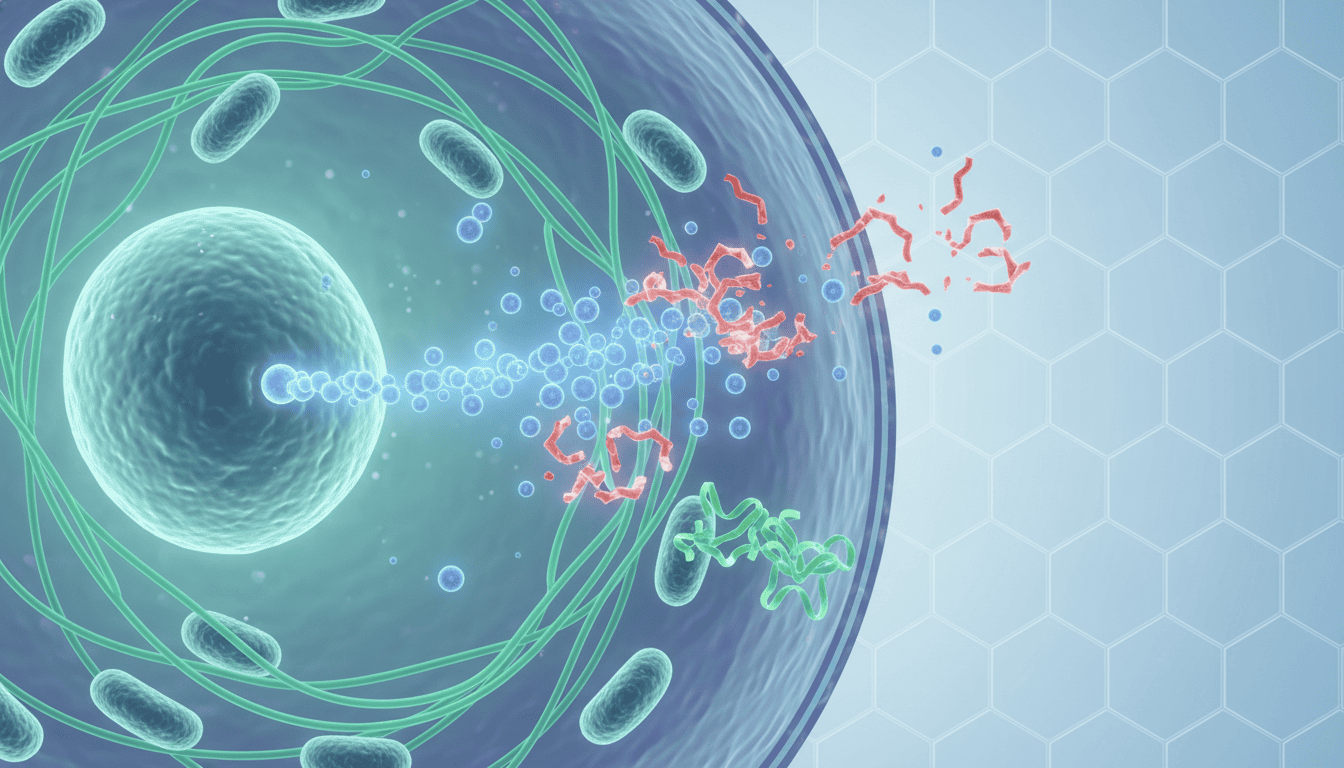
Cells must constantly maintain and repair their protein machinery to function properly. As we age, proteins can become damaged by oxidative stress, heat, or simply through normal wear and tear. Cellular quality control systems, including molecular chaperones and protein degradation pathways, work tirelessly to refold damaged proteins or eliminate those beyond repair.
The efficiency of these cellular housekeeping systems varies considerably between individuals. Some people maintain robust protein quality control mechanisms well into advanced age, allowing their cells to continue functioning optimally. Others experience earlier decline in these systems, leading to the accumulation of damaged proteins that can interfere with normal cellular processes.
Heat shock proteins, a family of molecular chaperones, play particularly important roles in maintaining protein integrity. Individuals with genetic variants that enhance heat shock protein production or activity may have an advantage in preserving cellular function over time. Lifestyle factors such as intermittent fasting, exercise, and exposure to mild stressors like saunas can stimulate these protective pathways.
DNA Repair Mechanisms and Genomic Stability
Our DNA faces constant assault from environmental toxins, radiation, and reactive molecules produced during normal metabolism. Sophisticated DNA repair systems work around the clock to fix this damage, but their efficiency varies between individuals and declines with age. People with more robust DNA repair capabilities tend to accumulate fewer mutations over time, potentially slowing their cellular ageing process.
Certain genetic variants enhance DNA repair efficiency, providing natural protection against genomic instability. However, environmental factors also play crucial roles in DNA damage and repair. Exposure to ultraviolet radiation, chemical pollutants, and inflammatory processes can overwhelm cellular repair systems, whilst antioxidant-rich diets and protective behaviours can support genomic maintenance.
The accumulation of DNA damage over time contributes to cellular dysfunction and senescence. Cells with extensive DNA damage may stop dividing or die, contributing to tissue ageing and declining organ function. Understanding these repair mechanisms offers insights into why some individuals maintain cellular vitality longer than others.
The Intersection of Genetics, Environment, and Cellular Health
The variation in cellular ageing rates between individuals results from complex interactions between genetic predisposition and environmental influences. Whilst we cannot change our genetic inheritance, research suggests that lifestyle factors can significantly influence how our cellular maintenance systems function throughout life.
These findings underscore the fundamental importance of cellular health in determining not just how long we live, but how well we age. By understanding the mechanisms that drive cellular ageing, researchers are developing new approaches to support the molecular processes that keep our cells functioning optimally. This knowledge empowers individuals to make informed choices about lifestyle factors that may influence their cellular health, whilst advancing our broader understanding of the ageing process at its most fundamental level.

Matt Elliott is the editor of Redox News Today, an independent publication covering peer-reviewed research on cellular health, redox signalling, and related biomedical science.