
Understanding Caloric Restriction at the Cellular Level
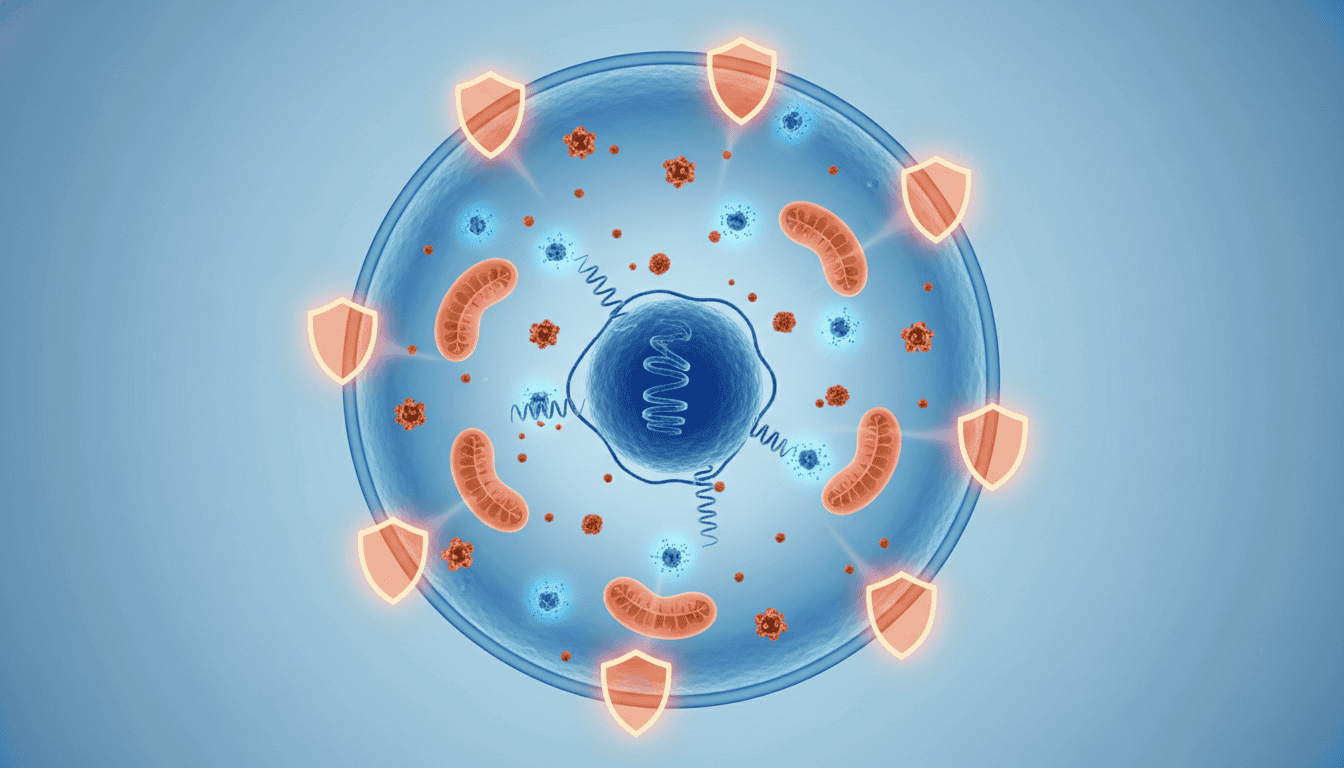
Caloric restriction involves reducing energy intake by approximately 20 to 40 per cent while maintaining adequate nutrition. This dietary approach has emerged as one of the most studied interventions for extending lifespan across numerous species, from yeast and worms to mammals. At the cellular level, caloric restriction triggers a complex cascade of molecular responses that fundamentally alter how cells function, repair themselves, and resist age-related damage.
The cellular response to reduced energy availability represents an evolutionary adaptation that helps organisms survive periods of scarcity. When cells detect lower nutrient availability, they shift from growth-promoting pathways to maintenance and repair mechanisms. This metabolic reprogramming involves changes in gene expression, protein synthesis, and cellular signalling pathways that collectively enhance cellular resilience and longevity.
Metabolic Reprogramming and Energy Efficiency
During caloric restriction, cells undergo significant metabolic changes to optimise energy utilisation. The reduction in glucose availability prompts cells to enhance their mitochondrial function and shift towards more efficient energy production pathways. This metabolic flexibility includes increased reliance on fatty acid oxidation and ketone body metabolism, which produce energy more efficiently than glucose metabolism alone.
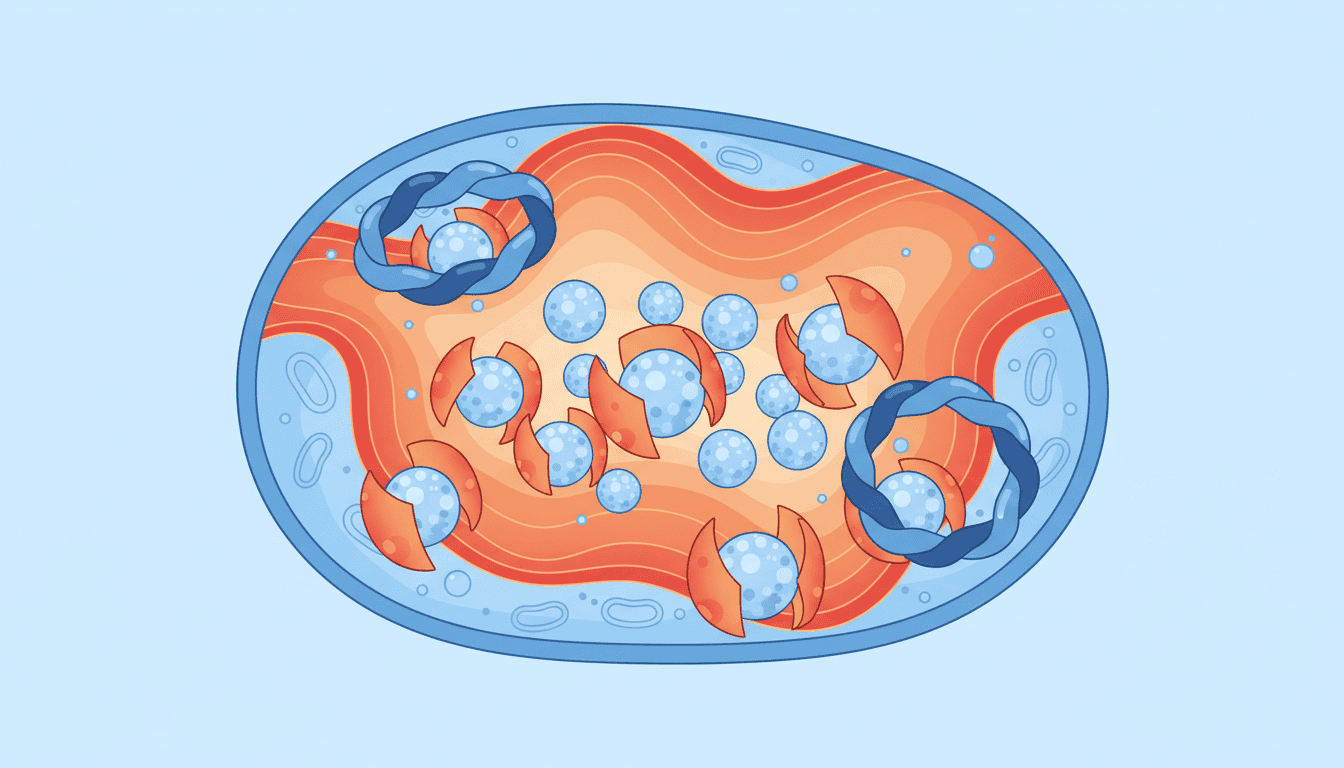
Mitochondria, the cellular powerhouses, respond to caloric restriction by becoming more efficient and producing fewer reactive oxygen species per unit of energy generated. This improved mitochondrial efficiency reduces oxidative stress throughout the cell, protecting crucial cellular components from damage. Additionally, caloric restriction promotes mitochondrial biogenesis, the process by which cells create new mitochondria, ensuring adequate energy production despite reduced nutrient intake.
The metabolic shift also involves enhanced insulin sensitivity and improved glucose regulation. Cells become more responsive to insulin signalling, allowing for better nutrient uptake and utilisation when food is available. This improved metabolic efficiency extends beyond individual cells to influence whole-body metabolism and energy homeostasis.
Autophagy and Cellular Quality Control
One of the most significant cellular responses to caloric restriction is the activation of autophagy, a crucial quality control mechanism. Autophagy allows cells to break down and recycle damaged proteins, organelles, and other cellular components. This process becomes particularly important during periods of nutrient scarcity, as it provides cells with building blocks and energy while removing potentially harmful cellular debris.
The enhancement of autophagy during caloric restriction helps maintain cellular function by preventing the accumulation of damaged proteins and dysfunctional organelles that typically increase with age. This cellular housekeeping mechanism is essential for maintaining protein homeostasis and preventing the formation of toxic protein aggregates associated with various age-related diseases.
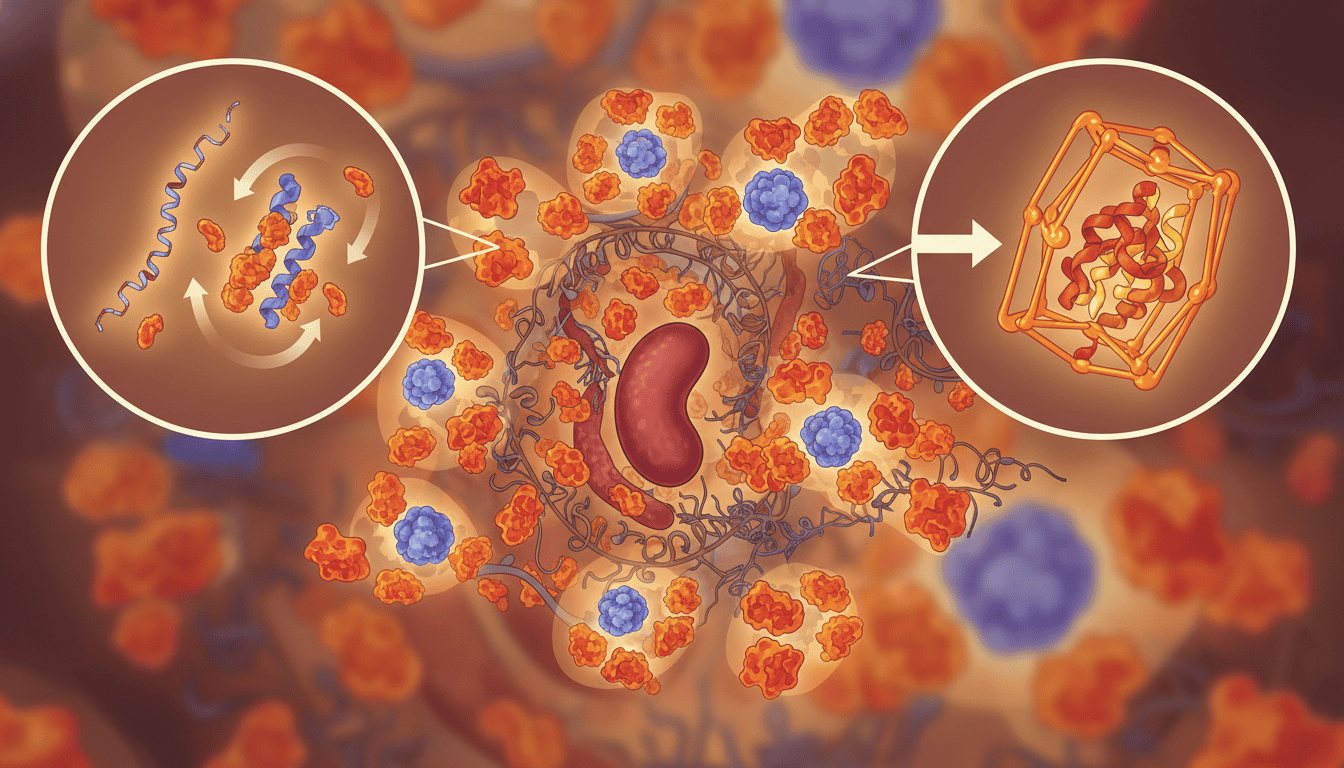
Caloric restriction also activates other quality control mechanisms, including enhanced DNA repair pathways and improved protein folding systems. These cellular maintenance processes work together to preserve cellular integrity and function despite the stress of reduced nutrient availability.
Stress Response Pathways and Hormesis
Caloric restriction activates cellular stress response pathways that enhance the cell’s ability to cope with various forms of damage and dysfunction. This phenomenon, known as hormesis, describes how mild stress can trigger adaptive responses that make cells more resilient to future challenges. The stress of reduced nutrient availability activates multiple protective pathways simultaneously.
Key stress response pathways activated during caloric restriction include the sirtuin family of proteins, which regulate gene expression and cellular metabolism. These proteins help coordinate the cellular response to energy stress by modifying various cellular processes, including DNA repair, inflammation regulation, and metabolic function. The activation of sirtuins during caloric restriction contributes to improved cellular resilience and longevity.
Heat shock proteins and other molecular chaperones also increase during caloric restriction, helping maintain proper protein folding and preventing the accumulation of misfolded proteins. These protective mechanisms enhance cellular survival and function under challenging conditions.
Inflammation and Immune System Modulation
Caloric restriction has profound effects on inflammatory processes and immune system function. Chronic low-grade inflammation, often called inflammageing, is a hallmark of cellular ageing and contributes to many age-related diseases. Caloric restriction helps reduce this chronic inflammation by modulating immune cell function and decreasing the production of inflammatory molecules.
The reduction in inflammatory signalling during caloric restriction occurs through multiple mechanisms. Cells produce fewer inflammatory cytokines and reactive oxygen species, while anti-inflammatory pathways become more active. This shift towards a less inflammatory environment helps preserve cellular function and reduces the risk of age-related tissue damage.
Additionally, caloric restriction affects the function of immune cells themselves, improving their ability to distinguish between healthy and damaged cells. This enhanced immune surveillance helps maintain tissue integrity and supports the removal of senescent cells that contribute to ageing processes.
Implications for Understanding Cellular Health
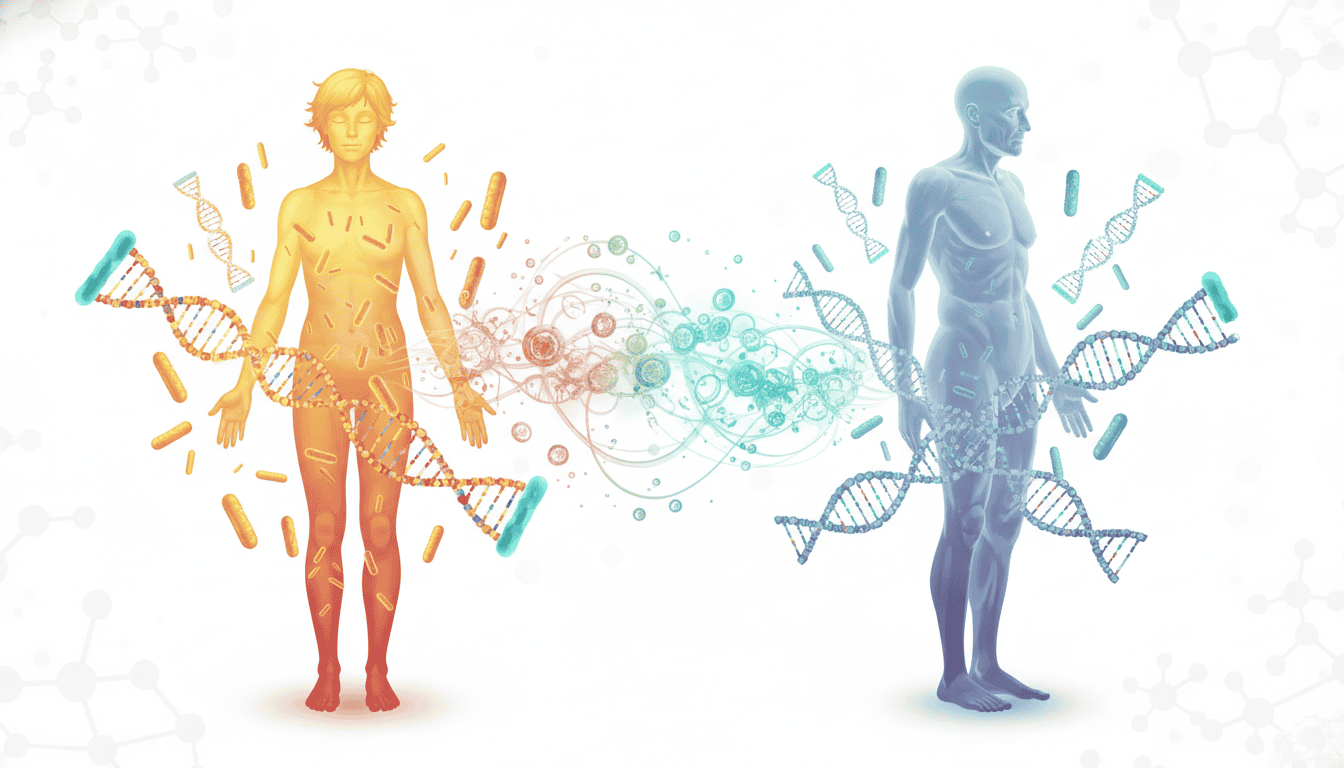
The cellular mechanisms activated by caloric restriction provide valuable insights into the fundamental processes that determine cellular longevity and health. These findings highlight the interconnected nature of metabolism, stress responses, and cellular maintenance systems in determining how cells age and function over time. Understanding these pathways offers important clues about how lifestyle factors can influence cellular health and may inform the development of interventions that promote healthy ageing. The research into caloric restriction’s effects on cells continues to reveal new aspects of cellular biology and demonstrates the remarkable capacity of cells to adapt and maintain function under challenging conditions, emphasising the crucial role that cellular health plays in overall wellbeing and longevity.

Matt Elliott is the editor of Redox News Today, an independent publication covering peer-reviewed research on cellular health, redox signalling, and related biomedical science.