The Body’s Internal Clock and Cellular Maintenance
Every cell in the human body operates according to an intricate biological timekeeper known as the circadian rhythm. This internal clock, roughly aligned with the 24-hour day-night cycle, does far more than simply regulate sleep and wake patterns. At the cellular level, circadian rhythms coordinate a sophisticated schedule of repair, maintenance, and recovery processes that are essential for optimal cellular function and longevity.
The master circadian clock resides in the suprachiasmatic nucleus of the brain, but virtually every cell throughout the body contains its own molecular clockwork. These cellular timepieces are driven by feedback loops involving clock genes that regulate the production of specific proteins throughout the day and night. This distributed timing system ensures that cellular repair mechanisms operate when they are most needed and most effective.
DNA Repair and Cell Division Timing
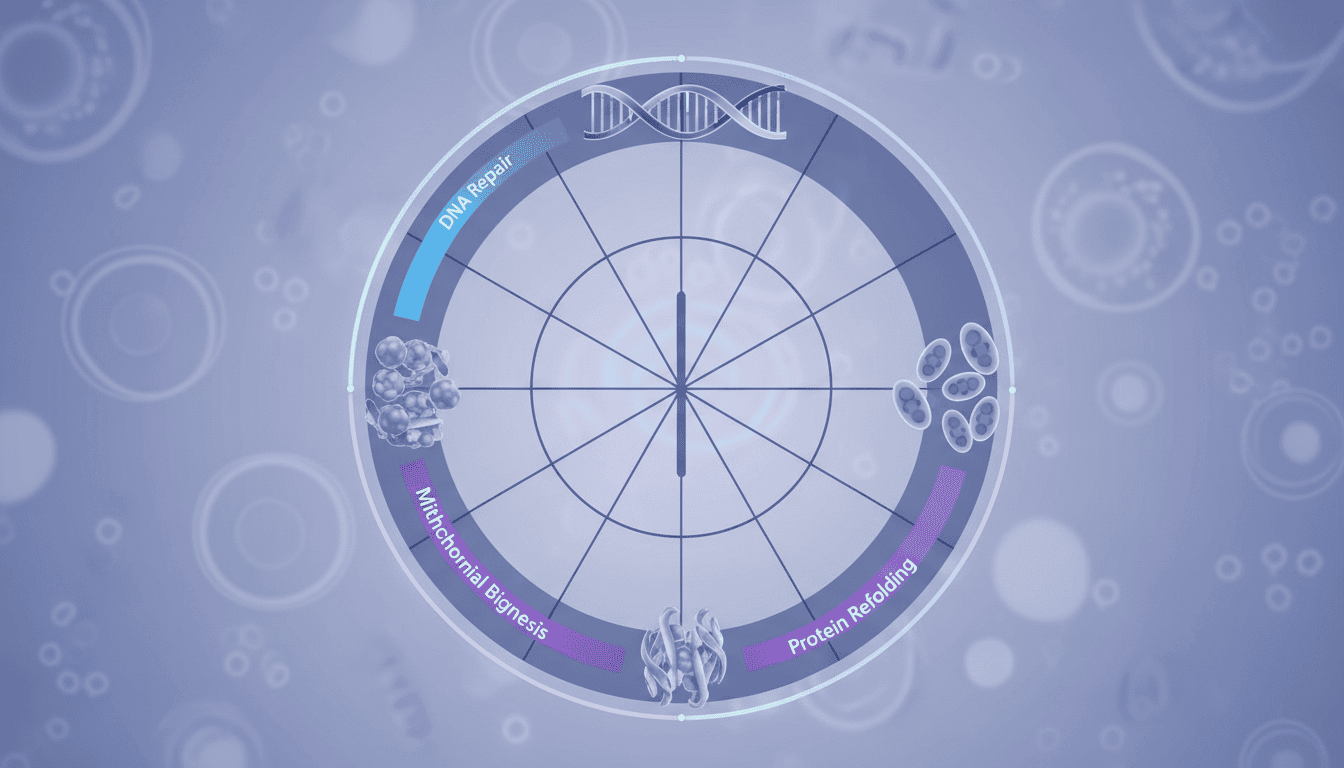
Perhaps nowhere is the importance of circadian timing more evident than in DNA repair processes. Throughout the day, cellular DNA accumulates damage from various sources including ultraviolet radiation, environmental toxins, and the natural byproducts of cellular metabolism. Rather than attempting to repair this damage continuously, cells have evolved to concentrate their most intensive DNA repair activities during specific windows of the circadian cycle.
Research has revealed that many DNA repair enzymes show distinct circadian patterns of activity, with peak function typically occurring during rest periods when cells are not actively dividing. This timing makes biological sense, as attempting to repair DNA whilst simultaneously replicating it for cell division would be counterproductive and potentially dangerous. The circadian system ensures these processes are temporally separated, allowing for thorough repair before the next round of cellular replication.
Similarly, cell division itself follows circadian patterns in many tissues. The timing of when cells commit to division appears to be carefully regulated by the molecular clock, ensuring that this energy-intensive process occurs when cellular resources are optimally available and when the risk of errors is minimised.
Protein Quality Control and Cellular Housekeeping
Cells continuously produce proteins, but not all of these proteins fold correctly or maintain their proper structure over time. Misfolded or damaged proteins can accumulate and interfere with normal cellular function, making protein quality control systems essential for cellular health. These quality control mechanisms, including the processes of autophagy and proteasomal degradation, show strong circadian rhythmicity.
Autophagy, the cellular process by which cells break down and recycle their own components, exhibits pronounced daily fluctuations. This “cellular housekeeping” process typically peaks during periods of fasting or rest, when cells can safely dismantle damaged organelles and protein aggregates without disrupting essential daytime functions. The circadian clock helps coordinate autophagy with other cellular processes, ensuring that recycling occurs when it will not interfere with active cellular work.
The proteasome system, responsible for degrading specific tagged proteins, also operates under circadian control. This targeted protein degradation system helps cells maintain proper protein levels and removes damaged proteins that could otherwise accumulate and cause cellular dysfunction.
Redox Balance and Antioxidant Defence
Cellular metabolism generates reactive oxygen species as natural byproducts, and whilst these molecules serve important signalling functions, they can also cause oxidative damage if not properly managed. The cellular antioxidant defence systems that maintain redox balance operate according to circadian patterns, with antioxidant enzyme activities fluctuating throughout the day.
Many key antioxidant enzymes, including catalase, superoxide dismutase, and glutathione peroxidase, show circadian variations in their expression and activity levels. These fluctuations are not random but are coordinated with periods of increased oxidative stress, such as during active metabolism, and periods when antioxidant defences can be replenished during rest phases.
The production and recycling of glutathione, one of the cell’s most important antioxidant molecules, also follows circadian patterns. This timing helps ensure that cells have adequate antioxidant reserves when they need them most, whilst allowing for efficient replenishment during recovery periods.
Metabolic Coordination and Energy Management
Cellular repair processes are energy-intensive, requiring significant amounts of ATP and other cellular resources. The circadian system coordinates these energy demands with the cell’s metabolic cycles, ensuring that repair processes are scheduled when energy is available and when they will not compete with other essential cellular functions.
During active periods, cellular metabolism focuses primarily on producing the energy and building blocks needed for immediate cellular functions. During rest periods, metabolic resources can be redirected toward repair and maintenance activities. This metabolic switching is coordinated by the circadian clock, which influences the activity of key metabolic enzymes and pathways.
The coordination between metabolism and repair extends to the cellular powerhouses, the mitochondria. These organelles show circadian rhythms in their own repair and maintenance processes, including mitochondrial biogenesis and the removal of damaged mitochondria through mitophagy. This timing ensures that cellular energy production capacity is maintained and optimised.
The Broader Implications for Cellular Health
Understanding how circadian rhythms coordinate cellular repair processes reveals the fundamental importance of maintaining healthy sleep-wake cycles for optimal cellular function. When circadian rhythms are disrupted through irregular sleep patterns, shift work, or exposure to artificial light at inappropriate times, the coordination between different cellular repair systems can become compromised. This disruption may lead to the accumulation of cellular damage over time, potentially contributing to accelerated ageing and increased susceptibility to various health challenges. The intricate relationship between our internal biological clocks and cellular maintenance systems underscores why respecting our natural circadian rhythms is not merely about feeling rested, but about supporting the fundamental processes that keep our cells healthy and functioning optimally throughout our lives.

Matt Elliott is the editor of Redox News Today, an independent publication covering peer-reviewed research on cellular health, redox signalling, and related biomedical science.