
The Discovery of the Brain’s Hidden Cleaning System
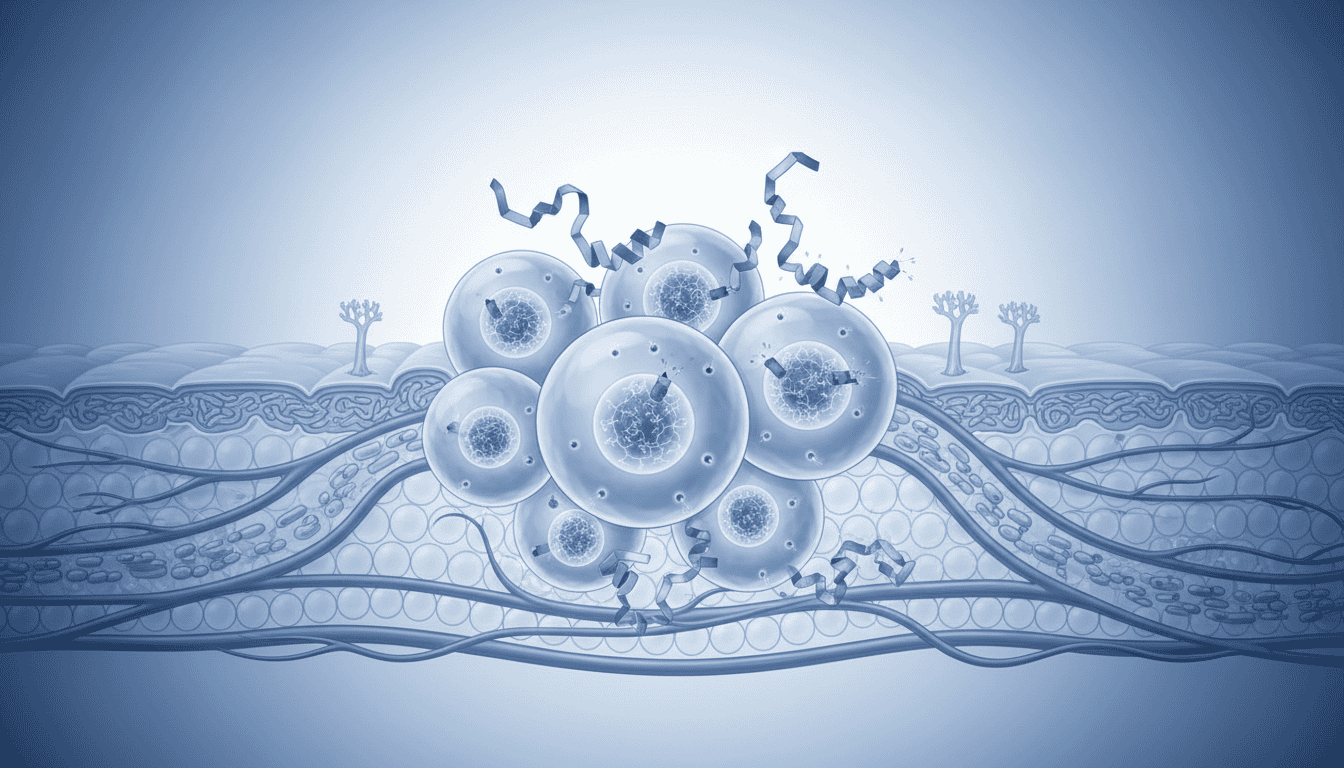
For decades, neuroscientists puzzled over how the brain managed to clear metabolic waste without a traditional lymphatic system like other organs. This mystery was solved with the discovery of the glymphatic system, a sophisticated network that uses cerebrospinal fluid to flush toxins and cellular debris from brain tissue. Named for its dependence on glial cells, particularly astrocytes, this system represents one of the most significant advances in our understanding of brain maintenance and cellular health.
The glymphatic system operates through a complex interplay between cerebrospinal fluid, interstitial fluid, and specialised water channels called aquaporin-4. These channels, located on astrocyte foot processes surrounding blood vessels, facilitate the movement of fluid through brain tissue. During this process, fresh cerebrospinal fluid enters the brain along arterial pathways, mixes with interstitial fluid containing cellular waste, and exits along venous routes, carrying away accumulated toxins and metabolic byproducts.
Sleep Architecture and Glymphatic Function
The relationship between sleep and glymphatic clearance reveals the sophisticated timing mechanisms that govern cellular maintenance. Research has demonstrated that glymphatic activity increases dramatically during sleep, with clearance rates rising by up to 60% compared to wakefulness. This enhanced activity occurs predominantly during deep sleep stages, also known as slow-wave sleep, when brain waves exhibit characteristic low-frequency, high-amplitude patterns.
During deep sleep, several physiological changes create optimal conditions for glymphatic function. Brain cells actually shrink by approximately 14%, expanding the spaces between them and allowing cerebrospinal fluid to flow more freely through neural tissue. This cellular shrinkage, primarily involving astrocytes, effectively opens the floodgates for enhanced waste clearance. Additionally, the brain’s electrical activity during deep sleep generates rhythmic patterns that may help coordinate fluid movement throughout the glymphatic network.
The timing of peak glymphatic activity aligns precisely with periods of reduced neural firing and decreased metabolic demand. This coordination suggests that sleep serves a dual purpose: allowing the brain to reduce energy consumption while maximising the efficiency of cellular maintenance processes.
Mechanisms of Cellular Waste Transport
The glymphatic system employs several sophisticated mechanisms to transport cellular waste products away from brain tissue. Aquaporin-4 water channels serve as the primary drivers of fluid movement, creating pressure gradients that propel cerebrospinal fluid through the brain’s interstitial spaces. These channels cluster densely around blood vessels, forming a network that can rapidly adjust fluid flow based on physiological demands.
Cardiovascular pulsations play a crucial role in driving glymphatic circulation. The rhythmic expansion and contraction of arteries with each heartbeat creates pressure waves that help propel cerebrospinal fluid through the brain’s drainage pathways. This mechanism explains why cardiovascular health and sleep quality often correlate with cognitive function and brain health outcomes.
Respiration also contributes to glymphatic function through pressure changes that influence cerebrospinal fluid movement. The deep, regular breathing patterns characteristic of quality sleep may enhance these pressure-driven transport mechanisms, further optimising waste clearance during rest periods.
Waste Products Cleared During Sleep
The glymphatic system removes various cellular waste products that accumulate during normal brain metabolism. These include misfolded proteins, metabolic byproducts, and cellular debris that could potentially interfere with neural function if allowed to accumulate. Among the most studied waste products are amyloid-beta peptides and tau proteins, both associated with neurodegenerative conditions when they aggregate in brain tissue.
During wakefulness, neurons consume enormous amounts of energy to maintain electrical signalling and cellular processes. This high metabolic activity generates substantial waste products, including reactive oxygen species and damaged cellular components. The enhanced glymphatic clearance during sleep helps restore the cellular environment by removing these potentially harmful substances before they can accumulate to problematic levels.
The system also clears inflammatory molecules and other signalling compounds that accumulate during daily neural activity. This clearance process may help reset the brain’s inflammatory state and prepare neural circuits for optimal function during subsequent wake periods.
Factors Affecting Glymphatic Efficiency
Several factors influence the efficiency of glymphatic clearance, with sleep quality being paramount. Sleep fragmentation, reduced deep sleep duration, and irregular sleep patterns can all compromise glymphatic function. Age-related changes also affect the system, with glymphatic efficiency generally declining as we get older, potentially contributing to increased vulnerability to age-related neurological conditions.
Sleep position may influence glymphatic drainage, with some research suggesting that lateral sleeping positions could optimise cerebrospinal fluid flow compared to supine or prone positions. However, individual variations in anatomy and physiology likely influence the optimal sleeping position for glymphatic function.
Alcohol consumption, certain medications, and various medical conditions can impair glymphatic activity. Understanding these factors helps explain why sleep disturbances often accompany or precede various neurological and cognitive problems.
Implications for Brain Health and Ageing
The discovery of sleep-dependent glymphatic clearance has profound implications for our understanding of brain health and cognitive ageing. It provides a mechanistic explanation for why chronic sleep deprivation correlates with increased risk of neurodegenerative diseases and cognitive decline. When glymphatic clearance is impaired, waste products may accumulate in brain tissue, potentially contributing to cellular dysfunction and tissue damage over time.
This research also highlights the importance of sleep architecture, not just sleep duration, for brain health. Deep sleep stages appear particularly crucial for glymphatic function, suggesting that sleep quality metrics beyond total sleep time may be important indicators of brain maintenance efficiency.
The glymphatic system represents a fascinating example of how cellular maintenance processes are integrated with fundamental biological rhythms. By understanding how deep sleep activates these crucial clearance mechanisms, we gain insight into the sophisticated ways our brains maintain cellular health and optimal function throughout our lives. This knowledge underscores the fundamental importance of quality sleep for cellular health and highlights how disruptions to natural sleep patterns may have far-reaching consequences for long-term brain function and overall wellbeing.

Matt Elliott is the editor of Redox News Today, an independent publication covering peer-reviewed research on cellular health, redox signalling, and related biomedical science.