
Understanding the Cellular Demands of Exercise
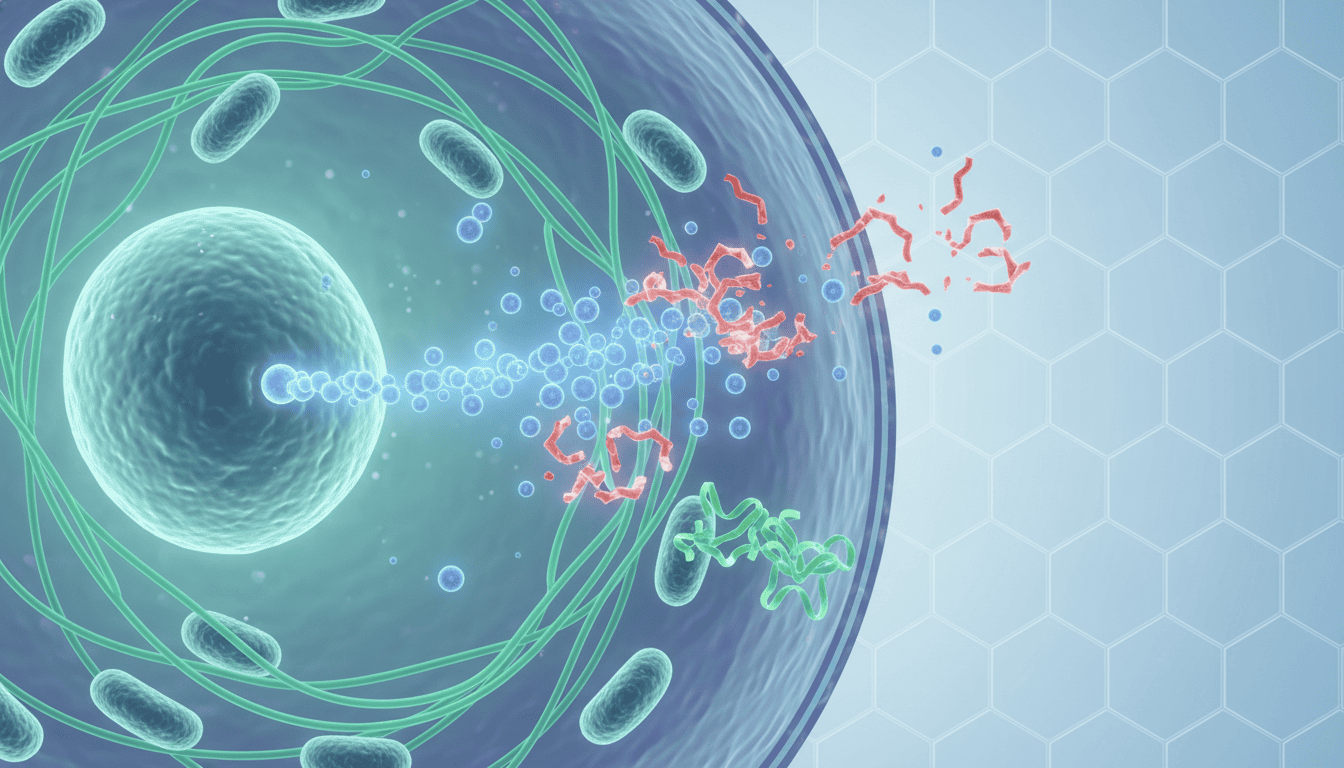
When we exercise, our muscles undergo remarkable transformations at the cellular level. During physical activity, muscle fibres experience microscopic damage as proteins break down and energy stores become depleted. Mitochondria, the cellular powerhouses, work overtime to produce the ATP needed for muscle contractions. This increased metabolic activity generates reactive oxygen species as natural byproducts, creating a state of oxidative stress within the cells.
The intensity and duration of exercise directly influence the extent of this cellular disruption. High-intensity training creates more significant microscopic tears in muscle fibres, whilst endurance activities place sustained demands on mitochondrial function. These cellular changes aren’t inherently harmful but rather represent the necessary stimulus for adaptation. However, the magic of fitness improvement doesn’t happen during the workout itself but in the hours and days that follow.
The Recovery Process: Cellular Repair and Adaptation
Recovery represents a complex orchestration of cellular processes designed to repair damage and build stronger, more efficient systems. During rest periods, protein synthesis accelerates, allowing cells to rebuild damaged structures with enhanced capacity. This process, known as supercompensation, enables muscles to become stronger and more resilient than their pre-exercise state.
Mitochondrial biogenesis also occurs during recovery, where cells increase both the number and efficiency of these energy-producing organelles. This adaptation improves the cell’s capacity to generate energy aerobically, enhancing endurance and reducing reliance on less efficient anaerobic pathways. Additionally, antioxidant systems become upregulated, strengthening the cell’s natural defence mechanisms against oxidative stress.
The inflammatory response plays a crucial role in this recovery process. While acute inflammation immediately following exercise might seem problematic, it actually serves as a vital signalling mechanism. Inflammatory markers help coordinate the removal of damaged cellular components and recruit the resources necessary for repair and adaptation.
What Happens When Recovery Is Inadequate
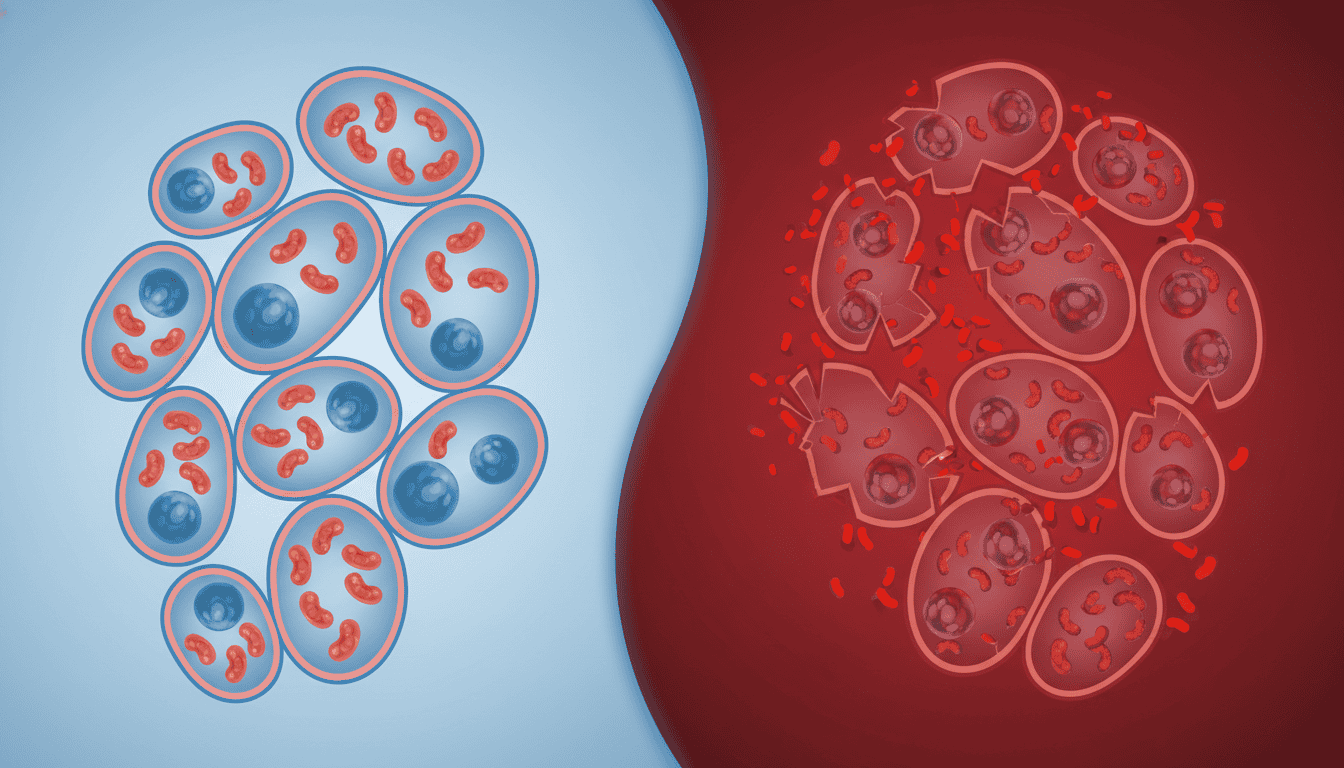
Insufficient recovery time disrupts the delicate balance between cellular damage and repair. When training stress consistently exceeds the body’s capacity to adapt, cells remain in a chronic state of damage accumulation. This condition, often referred to as overreaching or overtraining, manifests at the cellular level long before symptoms become apparent.
Chronically stressed cells exhibit several concerning characteristics. Mitochondrial function becomes impaired, reducing energy production efficiency and increasing oxidative stress. Protein synthesis rates may decrease, limiting the cell’s ability to repair and strengthen damaged structures. The inflammatory response, normally beneficial in acute phases, can become persistently elevated, creating an environment that inhibits rather than promotes adaptation.
These cellular changes translate into observable performance decrements, increased injury risk, and compromised immune function. More subtly, the cellular stress response systems can become dysregulated, affecting not just muscle tissue but potentially influencing cardiovascular, neurological, and metabolic health.
Optimising Recovery for Cellular Health
Effective recovery isn’t merely about avoiding exercise; it involves actively supporting cellular repair processes. Sleep represents perhaps the most critical recovery intervention, as growth hormone release peaks during deep sleep phases, promoting protein synthesis and tissue repair. During sleep, the glymphatic system also becomes more active, helping clear metabolic waste products from neural tissues.
Nutrition plays an equally important role in cellular recovery. Adequate protein intake provides the amino acid building blocks necessary for tissue repair and adaptation. Carbohydrate consumption helps replenish glycogen stores, whilst specific nutrients support various aspects of cellular function. Antioxidants from whole foods work synergistically with the body’s endogenous antioxidant systems, though excessive supplementation can potentially interfere with beneficial adaptations.
Active recovery strategies, such as light movement, gentle stretching, or low-intensity activities, can enhance cellular repair by promoting blood flow and lymphatic drainage. These activities help deliver nutrients to recovering tissues whilst facilitating the removal of metabolic byproducts. Stress management techniques also support recovery by modulating cortisol levels and promoting parasympathetic nervous system activity, creating an internal environment conducive to cellular repair.
The Rhythm of Adaptation
Cellular adaptation follows predictable patterns that vary based on the type of training stimulus and individual factors. Strength adaptations typically require 48 to 72 hours for full muscle protein synthesis completion, whilst nervous system recovery may take longer following high-intensity or technically demanding activities. Endurance adaptations involve different timelines, with mitochondrial adaptations occurring over days to weeks.
Understanding these rhythms allows for more intelligent training periodisation. Rather than viewing rest days as lost opportunities, recognising them as active adaptation periods transforms the approach to programme design. This perspective emphasises the quality of training sessions over quantity, ensuring that each workout occurs when cells are optimally prepared to respond to the training stimulus.
Individual variation in recovery capacity stems from factors including genetics, age, training history, and lifestyle factors. Some individuals possess genetic variants that enhance antioxidant enzyme function or protein synthesis rates, potentially allowing for faster recovery. Age-related changes in cellular repair mechanisms may necessitate longer recovery periods for older athletes, whilst training experience can improve the efficiency of adaptation processes.
Balancing Stress and Recovery for Optimal Health
The principle of balanced stress and recovery extends far beyond athletic performance, representing a fundamental aspect of cellular health maintenance. Every cell in the body operates within this dynamic equilibrium, constantly managing the balance between metabolic demands and repair processes. Exercise provides a controlled stressor that, when properly managed, strengthens cellular resilience and enhances overall physiological function.
This understanding reinforces the importance of viewing health through a cellular lens. The same principles that govern exercise adaptation apply to other life stressors, from work demands to environmental challenges. By respecting the cellular need for recovery and adaptation time, we support not just immediate performance goals but long-term cellular health and resilience. This approach recognises that optimal health emerges not from constant stress or perpetual rest, but from the intelligent application of both stimulus and recovery in sustainable, rhythmic patterns that honour the fundamental biology of cellular adaptation.

Matt Elliott is the editor of Redox News Today, an independent publication covering peer-reviewed research on cellular health, redox signalling, and related biomedical science.